Image
The best hiking destinations are not necessarily the places with the longest trails or the highest mountains. What makes a destination worth crossing the world for is the complete experience: the landscapes you walk through, the culture surrounding the trail, the level of challenge, the places you can explore before and after the hike, and the feeling that you are experiencing something that could not simply be replicated somewhere closer to home.
For some travelers, that means spending several days surrounded by Himalayan peaks. Others would rather follow ancient paths through the Peruvian Andes, hike between villages in the European Alps, cross the volcanic landscapes of Iceland, or combine short hikes with a longer vacation through Patagonia. There is no single type of hiking trip.
That is also why choosing where to go can be more complicated than simply searching for the world's most famous trails. Altitude, season, physical condition, available vacation time, accommodation and transportation can completely change the experience. A spectacular five-day trek may not be the right choice for someone who wants to combine hiking with restaurants, history and sightseeing, while an experienced trekker may be looking specifically for remote landscapes and long days on the trail.
A beautiful trail is a good beginning, but international travelers usually need more than a single viewpoint to justify a long journey.
The strongest hiking destinations offer variety. You might have access to demanding multi-day routes as well as shorter alternatives, different landscapes within the same region, and interesting experiences away from the trail. Good infrastructure, knowledgeable guides, seasonal accessibility and cultural attractions can be just as important as the mountains themselves.
This is particularly relevant when comparing destinations across different continents. Hiking in Nepal is fundamentally different from walking in Madeira, just as a trek through the Peruvian Andes offers a different experience from one in the Canadian Rockies.
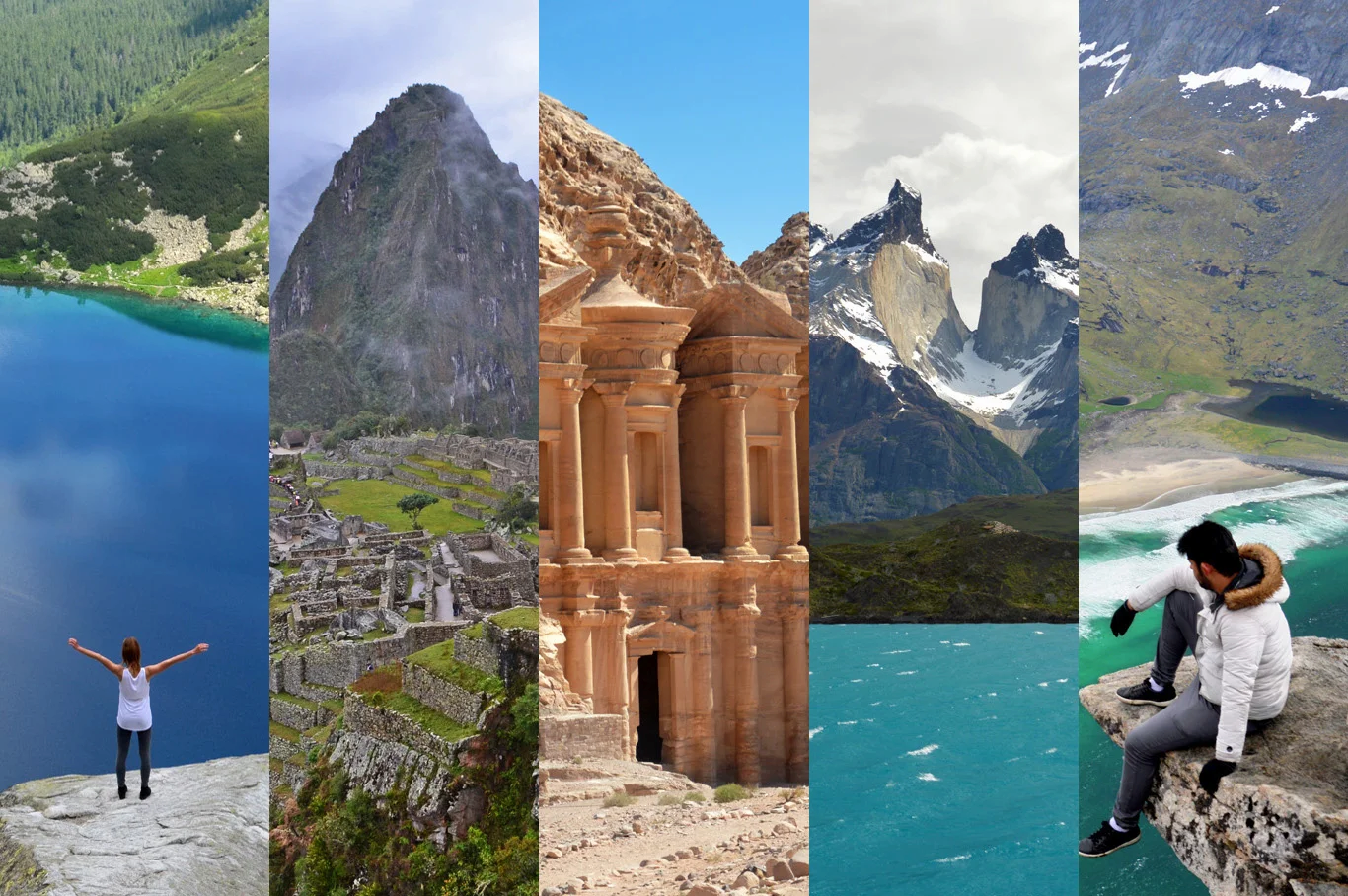
Social media can make hiking destinations appear surprisingly similar: a turquoise lake, a dramatic mountain and someone standing at a viewpoint. The actual experience is much more complex.
A destination worth traveling internationally for should ideally give you several reasons to visit. Consider what happens before you reach the trailhead and after the hike ends. Can you explore nearby towns? Is there regional food worth trying? Are there historical or archaeological places nearby? Can you choose between short and long hikes?
Cusco is a good example. Travelers may initially arrive because they want to hike the Inca Trail, but the same journey can include the Historic Center of Cusco, the Sacred Valley, local markets, archaeological sites and traditional Andean communities.
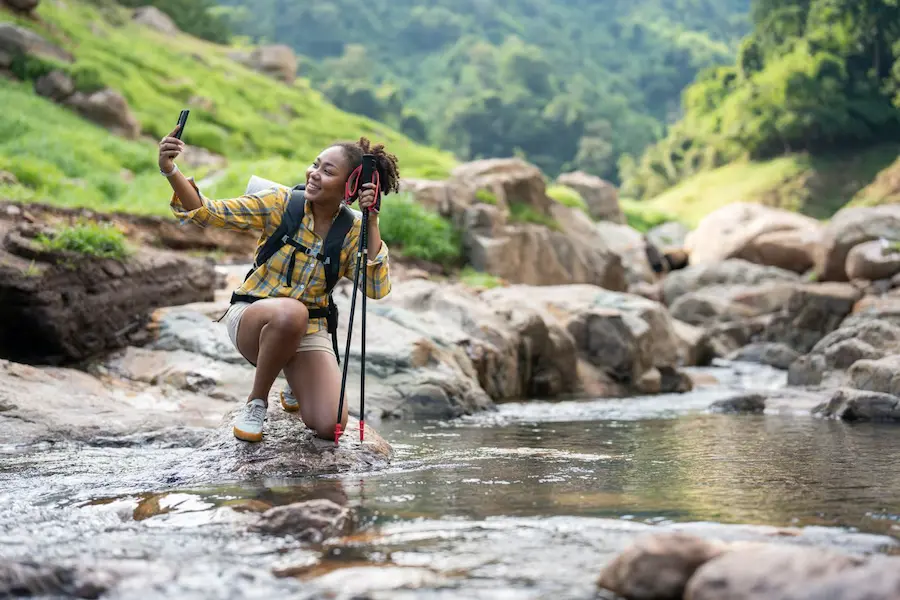
Before comparing the best hiking destinations, decide what “hiking” means to you. Some travelers want a challenging expedition that becomes the central purpose of their vacation. Others want two or three memorable day hikes within a broader international trip. Neither approach is better. They simply require different destinations.
For travelers who enjoy understanding the places they walk through, historical routes can offer an additional dimension to hiking.
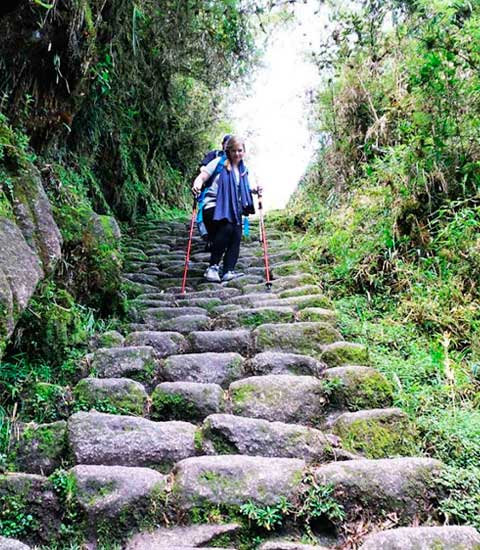
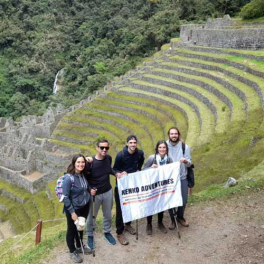
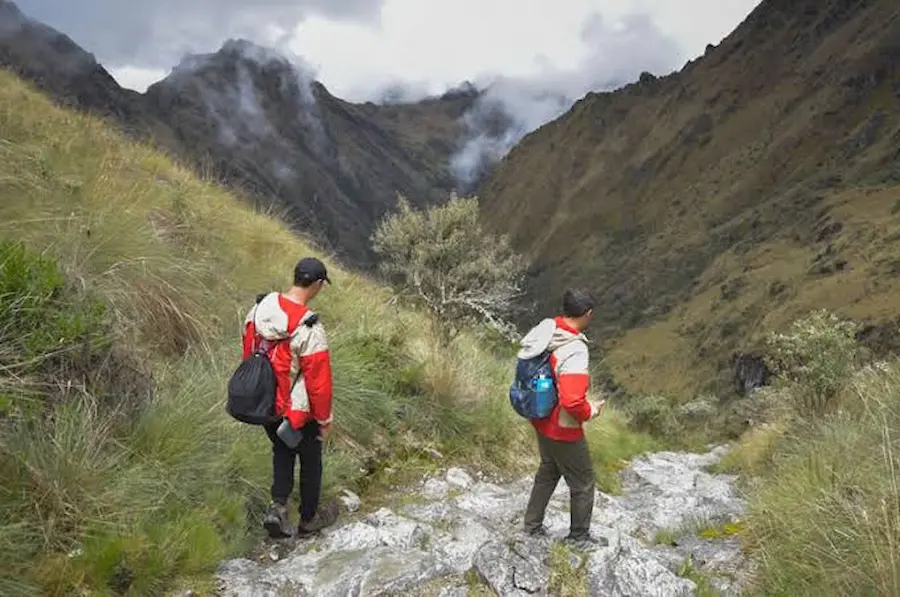
Peru stands out in this category because trails around Cusco cross landscapes shaped by centuries of Andean history. The Inca Trail is the most famous example, combining mountain environments with archaeological sites and sections of the wider Inca road network.
If enormous peaks and challenging terrain are the priority, destinations such as Nepal, the Peruvian Andes, Patagonia and the European Alps naturally stand out.
High mountains introduce factors that are less important on lower-elevation trails. Temperature can change quickly, weather becomes more unpredictable and elevation gain may matter more than total distance.
Altitude deserves particular attention.
Cusco itself sits at approximately 3,400 meters above sea level, and some treks in the surrounding Andes climb considerably higher. Himalayan routes can reach even greater elevations.
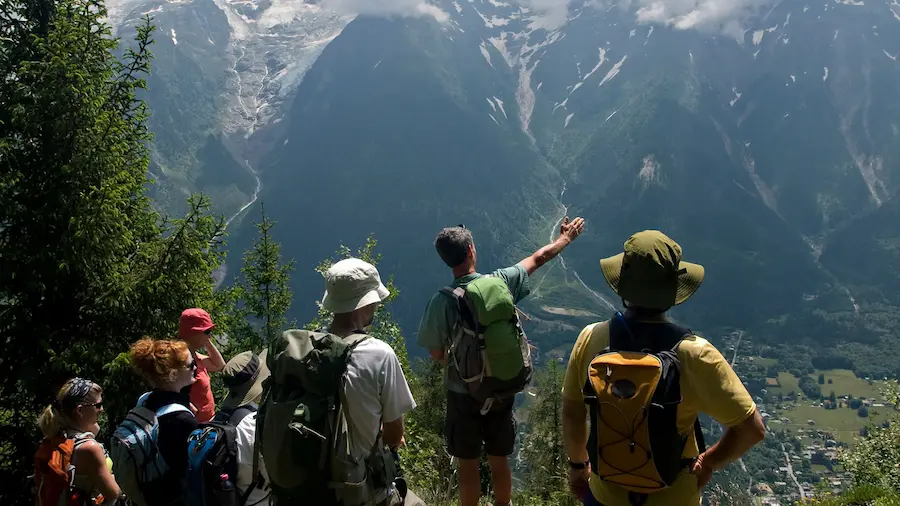
One of the biggest misconceptions surrounding famous hiking destinations is that they are exclusively for experienced trekkers. In reality, many regions offer trails at several difficulty levels.
The important distinction is between visiting a hiking destination and completing its most demanding route. You can travel to the Alps without crossing them on foot, visit Patagonia without completing a multi-day circuit, and experience the Andes without attempting the highest mountain passes.
Beginners should look beyond distance when evaluating a trail. A relatively short hike can still become demanding because of steep elevation gain, altitude, heat or difficult terrain. Conversely, a longer route with gentle terrain may feel considerably easier.
Destinations with multiple day-hiking options allow beginners to adjust their plans according to energy levels and weather. It is also useful to choose a destination where alternative activities are available. If you discover that hiking every day is too demanding, your vacation should still have plenty to offer.
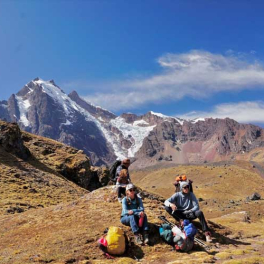
Experienced hikers may prioritize completely different factors. Long distances, remote campsites, major elevation changes and limited infrastructure can become part of the appeal rather than disadvantages. Routes around Ausangate in Peru, longer Himalayan treks and multi-day journeys through Patagonia can offer the sense of challenge these travelers are looking for.
Previous hiking experience still does not make someone immune to unfamiliar conditions. Altitude, extreme weather and different terrain require specific preparation even for physically fit travelers.
Not every trail requires a guide, but there are situations where local knowledge adds considerable value. On historical routes, guides can explain archaeological remains and cultural traditions that hikers might otherwise walk past without understanding. In remote environments, they can also provide knowledge of trail conditions, weather patterns and local logistics. A guide can therefore change the experience from simply walking through a landscape to understanding what you are seeing.

There is no universal answer. A hiking trip can occupy a single afternoon, several days or an entire vacation. What matters is allowing enough time for transportation, acclimatization, rest and unexpected changes in weather. International travelers sometimes underestimate these additional days because they focus exclusively on the duration listed for the trail.
Day hikes are ideal when hiking is one part of a larger vacation. You can stay in a central location, explore different trails and still dedicate time to restaurants, museums, archaeological sites or nearby towns.
This approach also provides flexibility. If the weather is poor, you may be able to move the hike to another day instead of disrupting an entire trekking itinerary. Destinations such as Switzerland, Madeira and parts of the Canadian Rockies are particularly suitable for this style of travel.
Multi-day trekking provides a more immersive experience.Instead of returning to the same city every evening, travelers move deeper into the landscape and watch their surroundings change from one day to another.
The Inca Trail, Salkantay Trek, Everest Base Camp routes and Patagonia's longer circuits are examples of journeys where the days on the trail become a major part of the vacation.
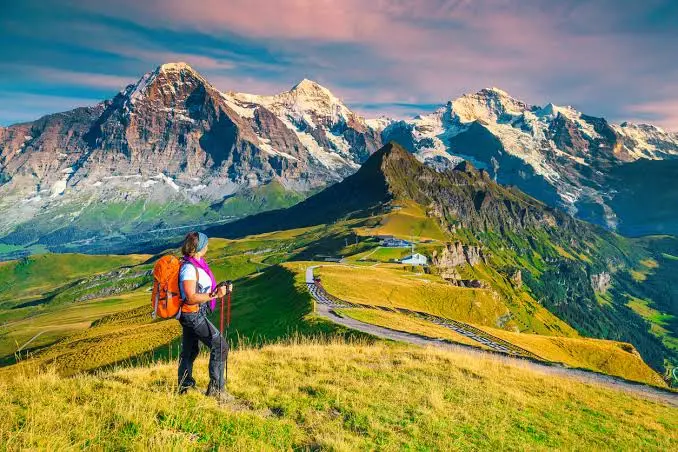
The following destinations represent very different styles of hiking. Some are ideal for multi-day trekking, others work particularly well for day hikes, and several combine outdoor adventure with culture, history or road travel.
Best for: Ancient trails, Andean culture and high-altitude adventures.
Cusco offers something relatively unusual among the world's best hiking destinations: the mountains are only one part of the experience. The region combines high Andean landscapes with archaeological heritage, traditional communities and one of the world's most recognizable historic destinations. Travelers can spend several days hiking and still have an entirely different cultural experience before and after the trek.
The Inca Trail is the best-known route. Rather than leading to a conventional mountain summit, it follows an ancient route through archaeological sites and changing environments before reaching Machu Picchu. Salkantay provides a different experience, with dramatic mountain scenery and major environmental changes throughout the route. Ausangate takes hikers farther into high-altitude Andean landscapes and is particularly appealing to experienced trekkers.
The variety matters. Someone visiting Cusco does not have to choose between “hiking vacation” and “Peru vacation.” Both can exist within the same journey.
Best for: Wilderness, glaciers and dramatic mountain scenery.
Patagonia stretches across southern Chile and Argentina and has become one of the world's iconic adventure destinations.
Rather than one hiking area, travelers can choose between several regions. Torres del Paine in Chile is known for routes such as the W Trek, while the area around El Chaltén in Argentina provides access to spectacular hikes beneath peaks such as Fitz Roy.
Weather is an important part of the experience. Strong winds and rapidly changing conditions are common enough that travelers need flexibility.
Patagonia is particularly suitable for those who want landscapes to dominate the journey. Towns such as El Chaltén function largely as gateways to the surrounding wilderness, making hiking a natural centerpiece of the trip.
Best for: Himalayan trekking and high-altitude journeys.
Nepal is difficult to overlook when discussing serious trekking destinations. The country provides access to the Himalayas and routes surrounded by some of the highest mountains on Earth. Everest Base Camp attracts enormous international attention, while the Annapurna region provides another extensive network of trekking possibilities.
The appeal is not limited to mountain scale. Routes pass through settlements, and the journey can include encounters with local architecture, monasteries and communities shaped by life in the mountains.
Altitude and duration make preparation essential. Many Himalayan treks require significantly more time than a conventional vacation hike because acclimatization must be built into the journey.
Best for: Hut-to-hut hiking, mountain scenery and food.
Italy's Dolomites provide a very different type of mountain vacation. Jagged limestone peaks dominate the scenery, but the hiking infrastructure allows travelers to combine serious days outdoors with comfortable mountain refuges and regional cuisine.
Hut-to-hut hiking is one of the region's greatest attractions. Rather than carrying camping equipment throughout the entire journey, hikers can follow routes connecting established refuges.
The Dolomites therefore work particularly well for travelers attracted to multi-day hiking who do not necessarily want a wilderness camping expedition.
Best for: Accessible alpine hiking and flexible day trips.
Switzerland makes mountain hiking remarkably convenient. Railways, cable cars and mountain villages allow visitors to reach trail systems efficiently, making it possible to experience extraordinary alpine scenery without undertaking a long expedition.
Areas around Zermatt, Grindelwald, Lauterbrunnen and other mountain destinations provide numerous choices for different fitness levels. This makes Switzerland particularly attractive to travelers who want hiking to be a major part of their vacation but still prefer returning to a hotel each evening.
Best for: Diverse landscapes and hiking road trips.
Few destinations offer as much landscape variety within one trip as New Zealand's South Island. Mountains, forests, lakes, coastlines and fjords create very different hiking environments. Travelers can combine established multi-day routes with shorter walks while traveling between regions.
Fiordland is home to some of the country's most famous walking experiences, while areas around Wānaka and the Southern Alps provide additional mountain routes.
New Zealand works particularly well for travelers who want hiking to form part of a larger journey rather than staying in one location for the entire vacation.
Best for: Alpine lakes, wildlife and wilderness.
Banff and Jasper are surrounded by landscapes that seem almost designed for hiking. Turquoise lakes, forests, glaciers and mountain peaks provide a wide range of routes, from accessible walks to longer backcountry adventures.
The Canadian Rockies also offer considerable flexibility. Travelers can combine scenic drives with hikes around areas such as Lake Louise and other parts of the national parks.
Wildlife adds another dimension but also requires responsibility. Visitors should understand local guidance regarding bears and other animals before heading onto trails.
Best for: Volcanic landscapes and unusual geology.
Iceland is ideal for hikers who want landscapes unlike traditional alpine environments. Volcanic terrain, geothermal areas, rivers, glaciers and wide open valleys make hiking here feel fundamentally different from walking through the Alps or Andes.
The Laugavegur Trail is one of the country's best-known multi-day routes and crosses landscapes shaped by intense geological activity.
Weather can change quickly, so preparation remains important even when routes are not at extreme altitude.
Best for: Coastal landscapes, levada walks and varied day hikes.
Madeira offers an interesting alternative to the world's major mountain regions.The island's famous levadas provide walking routes alongside historic irrigation channels, often passing through lush vegetation, tunnels and steep valleys.
Higher mountain routes provide a completely different experience, with dramatic ridgelines and expansive island views.
Because many hikes can be completed within a day, Madeira is particularly attractive to travelers who want an active vacation without committing to a continuous multi-day trek.
Best for: Granite landscapes, waterfalls and wilderness trails.
Yosemite is one of North America's most recognizable natural landscapes. The national park offers everything from relatively accessible valley walks to demanding routes climbing toward elevated viewpoints and extensive backcountry areas.
Its variety means hikers with different experience levels can find suitable options.Travelers should remember that Yosemite's popularity also affects planning. Seasonal conditions, access, permits and crowds can influence which trails are practical during a particular visit.
After comparing ten destinations, the answer still depends on what you want from the trip. Instead of asking which destination is objectively “the best,” it is more useful to ask which one matches your travel style.
Peru becomes one of the strongest options. Cusco allows travelers to combine hiking with Inca archaeology, the Sacred Valley, traditional Andean communities and one of South America's most historically significant cities.
The hike does not exist separately from the culture surrounding it.
Nepal is difficult to rival. The scale of the Himalayas and the possibility of spending days moving through high mountain environments make it particularly appealing to travelers who want trekking to dominate the vacation.
Patagonia and the Canadian Rockies both deserve consideration. They provide vast landscapes where mountains, lakes, glaciers and changing weather become central to the experience.
The Dolomites and Swiss Alps stand out. Both make it possible to spend significant time in the mountains without giving up comfortable accommodation and established tourism infrastructure.
Madeira, Switzerland, Canada and several areas of New Zealand provide excellent flexibility. You can hike during the day and return to the same accommodation rather than moving between camps or refuges.
Iceland's volcanic terrain provides an experience that is difficult to compare directly with conventional mountain destinations.
For travelers fascinated by geology and unusual landscapes, that difference may be more important than altitude or famous peaks.
Peru is particularly interesting for travelers who do not want their entire trip to revolve around a single trail.
Cusco functions as both a major cultural destination and a gateway to the Andes. This creates the possibility of building a trip around several different experiences instead of choosing between sightseeing and hiking.
A traveler might explore Cusco, spend time in the Sacred Valley, complete a trek and continue toward Machu Picchu within the same broader journey.
Some of the best hiking destinations include the Peruvian Andes, Patagonia, Nepal, the Dolomites, Swiss Alps, New Zealand's South Island, Canadian Rockies, Iceland, Madeira and Yosemite. The right destination depends on whether you prioritize high mountains, cultural experiences, day hikes, wilderness or multi-day trekking.
There is no single country that is best for every hiker. Peru is particularly strong for combining trekking with history and culture, Nepal for high-altitude adventures, Switzerland for accessible alpine trails and New Zealand for landscape diversity.
Beginners often benefit from destinations offering numerous day hikes and good infrastructure rather than committing immediately to remote multi-day routes. Switzerland, Madeira and parts of Canada and New Zealand provide many possibilities, although individual trail difficulty should always be checked.
Peru is one of the strongest choices for travelers interested in both. The Cusco region combines Andean landscapes with archaeological sites, Indigenous traditions, historic towns and routes associated with the Inca civilization.
Italy and Nepal can also combine significant cultural experiences with mountain travel.
The Peruvian Andes and Patagonia are two of South America's major hiking regions. Peru is especially notable for combining trails with archaeological and cultural experiences, while Patagonia is renowned for dramatic wilderness, glaciers and mountain scenery.
Not necessarily. Peru offers hiking experiences at different levels. Some high-altitude and multi-day treks require good physical preparation, but travelers can also choose shorter hikes and spend more time exploring Cusco and the Sacred Valley.
It depends on the destination and trail. Popular routes with permits, limited accommodation or seasonal access generally require more advance planning. International flights, acclimatization days and weather should also be considered rather than planning only around the number of days spent hiking.