Image


If you're planning your trip to Cusco and Machu Picchu, there's one thing you can't overlook: how airports work in Peru. Many travelers are convinced it's straightforward, but in practice, you need to know exactly where to enter, how to connect flights, and how much time to allow between them.
In this article, we'll explain clearly and concisely how international airports in Peru operate and how to make the most of them for your trip. This way, you can plan with peace of mind, avoid setbacks, and get the most out of your experience from the moment you arrive.
When planning a trip to Peru, especially to destinations like Cusco and Machu Picchu, understanding how international airports work can make a big difference in your overall experience. Many travelers assume they can fly directly to Cusco from abroad, but in most cases, you will first arrive in Lima and then take a domestic flight. Knowing this in advance helps you better organize your itinerary and avoid unnecessary stress.
In addition, choosing the right airport and flight connections can help you save time, reduce travel fatigue, and even optimize your budget. For travelers heading to Cusco, this knowledge is especially important, as proper planning allows for smoother transitions, better acclimatization to altitude, and a more enjoyable start to the journey.
Peru has a limited number of international airports compared to other countries, with most international traffic concentrated in Lima. While several regional airports have international status, not all of them operate regular international flights. This means that most travelers will enter the country through Lima before continuing to other destinations.
These airports are strategically located across the country, connecting key regions such as the coast, the Andes, and the Amazon. For tourists, this network provides access to a wide range of experiences, from cultural heritage sites to natural wonders. Understanding where these airports are located helps travelers design more efficient and flexible travel plans.
Peru’s main international airports serve as the backbone of the country’s tourism infrastructure, connecting international visitors with its most popular destinations. Each airport offers a different experience depending on its location, connectivity, and proximity to tourist attractions.
For travelers, knowing which International airports in Peru are most relevant can help simplify the planning process. Whether arriving in Lima or heading directly to regions like Cusco, understanding the role of each airport allows for better itinerary design and a smoother overall travel experience.
Jorge Chavez International Airport is the primary gateway to Peru and the busiest airport in the country. Located in Lima, it receives the vast majority of international flights and serves as the main hub for connecting to domestic destinations such as Cusco, Arequipa, and Iquitos. Most international travelers will begin their journey here.
From a traveler’s perspective, Lima offers more than just a stopover. Many visitors choose to spend time exploring the city’s gastronomy, coastal views, and vibrant neighborhoods before continuing their trip. The airport’s connectivity and services make it easy to transition between international and domestic travel.
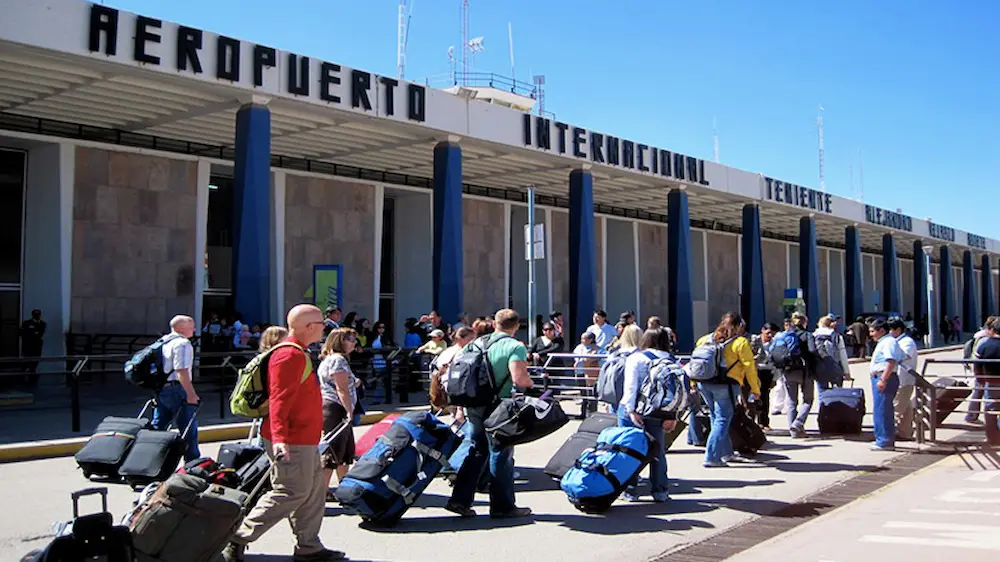
Cusco’s airport plays a central role in Peru’s tourism industry, as it serves as the main access point to Machu Picchu and the Sacred Valley. Although it mainly operates domestic flights, it handles a high volume of passengers due to the constant demand from international tourists arriving via Lima.
Arriving in Cusco is often one of the most anticipated moments of the trip. However, due to its altitude, travelers are advised to take it easy on the first day. The airport’s proximity to the city center allows for quick transfers, making it convenient for visitors to begin their experience without long travel times.
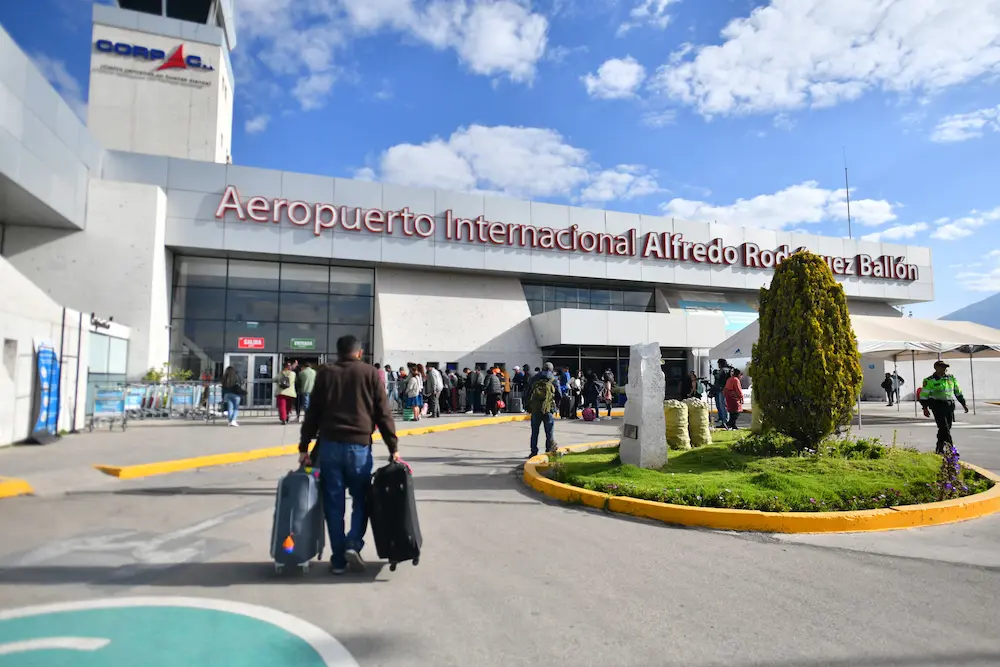
Rodríguez Ballón Airport serves Arequipa, one of Peru’s most beautiful colonial cities. Known as the “White City,” Arequipa attracts travelers with its architecture, gastronomy, and access to natural attractions like the Colca Canyon.
This airport is ideal for travelers who want to include southern Peru in their itinerary. It offers a more relaxed alternative to Cusco while still providing rich cultural and scenic experiences.
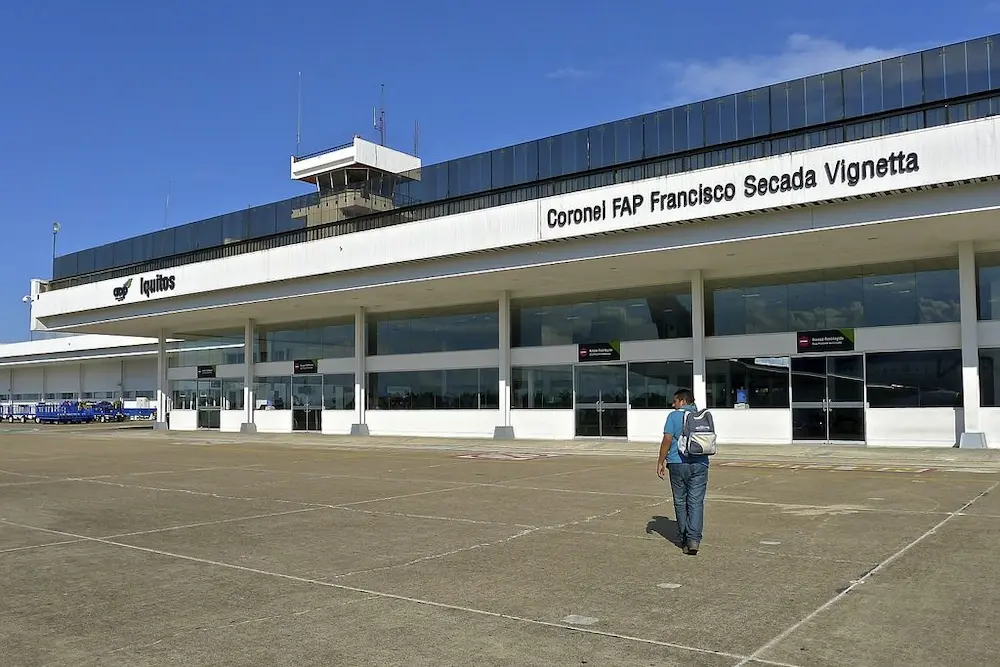
This airport connects travelers to Iquitos, the gateway to the Amazon rainforest. As the city is not accessible by road, flying is the only practical way to reach it, making the airport essential for eco-tourism.
Visitors arriving here can explore jungle lodges, river cruises, and wildlife experiences. It’s a top choice for travelers looking for adventure and a deeper connection with nature.

Serving the northern coast, this airport provides access to beach destinations like Máncora and Punta Sal. These areas are known for their warm weather, surfing, and luxury resorts.
For travelers looking to relax by the ocean after visiting Cusco, this airport is a great option. It allows you to combine cultural tourism with beach experiences in one trip.
You might also want to check out: The mita system and mita obligations

Located in northern Peru, Piura’s airport offers access to both urban attractions and nearby beaches. The region is known for its gastronomy, culture, and proximity to coastal destinations.
It works well as part of a multi-destination itinerary, especially when combined with Talara or other northern locations. This adds variety to the travel experience.
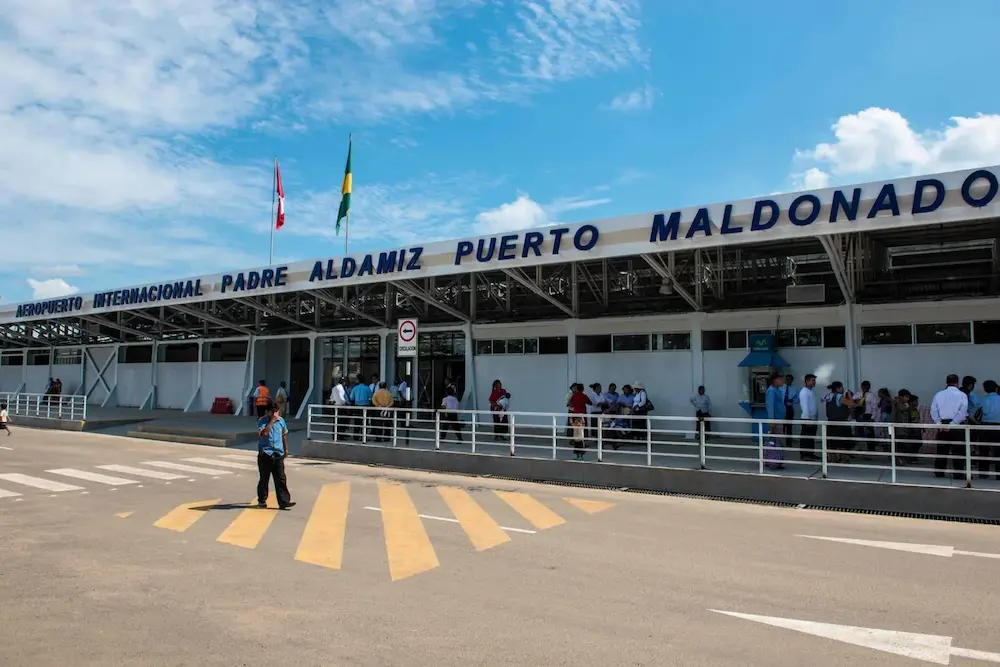
This airport is the main entry point to the southern Amazon, particularly the Tambopata National Reserve. It is a popular destination for eco-tourism and wildlife observation, attracting travelers interested in experiencing Peru’s rich biodiversity and untouched natural environments.
From this airport, visitors can quickly reach jungle lodges located deep within the rainforest, often combining river transport with guided tours. This makes it a highly convenient option for those looking to explore the Amazon after visiting Cusco, adding a completely different ecosystem and experience to their itinerary. It is ideal for travelers seeking adventure, nature, and a more immersive connection with Peru’s natural landscapes.

Located near Paracas, this airport is known for its connection to the Nazca Lines and coastal wildlife. It is a great option for short trips from Lima, especially for travelers looking to explore beyond the capital without long travel times.
Tourists can enjoy attractions such as the Paracas National Reserve, boat tours to the Ballestas Islands, and scenic flights over the Nazca Lines. The combination of marine biodiversity, desert scenery, and unique aerial experiences makes this destination a distinctive and memorable addition to any Peru itinerary, especially for those looking to diversify their trip beyond Cusco.
Beyond these main airports, Peru continues to develop its regional connectivity, offering more options for travelers who want to explore beyond traditional routes. Smaller airports and future projects are expanding access to new destinations.
Including multiple International airports in Peru in your itinerary allows for a richer and more flexible travel experience. This approach helps you discover different regions, avoid backtracking, and make the most of your time.
Reaching Cusco from an international airport is a straightforward process if planned correctly. For most travelers, this involves arriving in Lima and then taking a connecting flight to Cusco. This route is well-established and offers multiple daily departures.
Planning this connection carefully is essential to avoid delays and ensure a smooth journey. Allowing enough time between flights and considering possible schedule changes can help reduce stress and make your arrival in Cusco more comfortable.
Flying from Lima to Cusco is the most common and efficient way to reach the region. The flight typically takes around one hour and is operated by several airlines with frequent daily departures. This makes it easy for travelers to find a schedule that fits their itinerary.
This route is also ideal for those who want to maximize their time in Cusco. By choosing the right flight, travelers can arrive early and begin their activities the same day, while still allowing time to adjust to the altitude.
For travelers looking for a more adventurous or flexible itinerary, there are alternative routes to reach Cusco. Some choose to visit Arequipa or other cities first and then travel to Cusco by air or land, creating a more diverse travel experience.
These routes allow visitors to explore different parts of Peru before arriving in Cusco. While they may take more time, they offer a richer journey and the opportunity to discover lesser-known destinations along the way.
You might also want to check out: Inti Raymi in Cusco Festival of the Sun
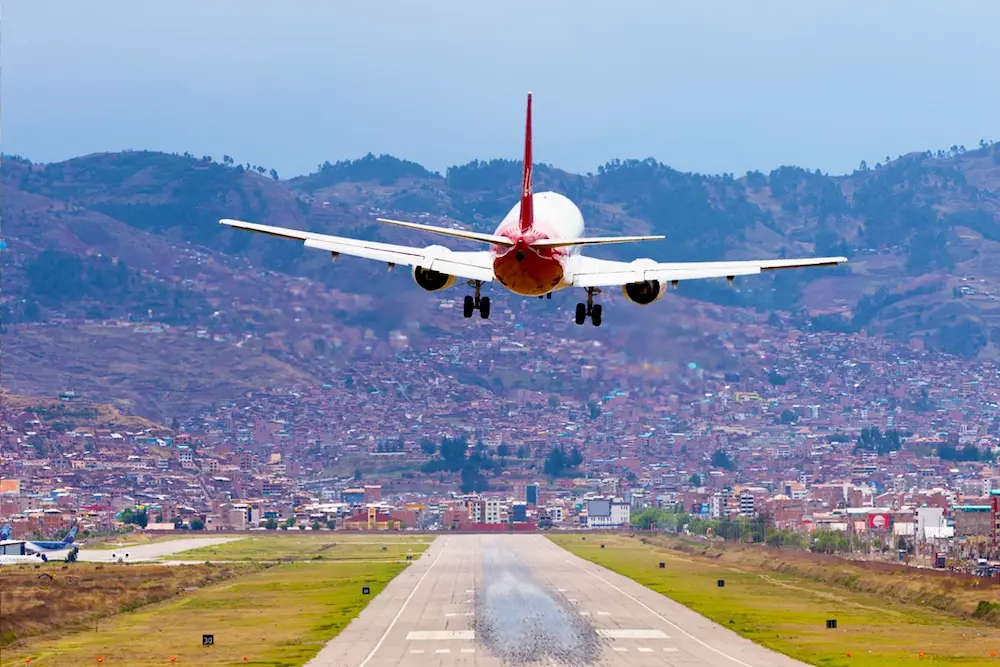
Using International airports in Peru is generally straightforward, but a few practical tips can make your experience much smoother. Arriving early, staying informed about flight schedules, and preparing your documents in advance are simple steps that can save time and reduce stress.
For travelers heading to Cusco, it is also important to consider factors such as altitude and weather conditions. Being prepared allows you to handle any unexpected changes and enjoy your trip with greater confidence.
Arriving at the airport with enough time is essential, especially for international flights. It is generally recommended to arrive at least three hours in advance for international departures and two hours for domestic flights. This extra time allows you to go through security checks, baggage drop, and boarding procedures without rushing. It also gives you a buffer in case of unexpected delays.
Domestic flights in Peru may have different luggage restrictions compared to international flights. It is important to check baggage allowances in advance to avoid extra fees or last-minute issues.
Traveling light can make your journey more comfortable, especially when moving between multiple destinations. Proper planning ensures a smoother travel experience from start to finish.
One of the most important aspects of traveling to Cusco is adjusting to the altitude. At over 3,000 meters above sea level, some travelers may experience mild symptoms upon arrival.
Taking it easy during the first day, staying hydrated, and avoiding heavy activities can help your body adapt more quickly. Proper acclimatization ensures you can fully enjoy your time in Cusco.
Many travelers make the mistake of underestimating the importance of flight planning within Peru. Not allowing enough time for connections or assuming direct international flights to Cusco can lead to unnecessary complications, especially since most routes require a stop in Lima. This lack of planning can result in missed flights, long layovers, or added stress at the beginning of the trip.
Another common issue is not considering weather-related delays, especially in regions like Cusco, where conditions such as fog can affect flight schedules. Travelers also often overlook baggage policies on domestic flights or book tight itineraries without flexibility. Being aware of these factors and planning accordingly—such as choosing earlier flights and allowing buffer time—can help avoid disruptions and significantly improve the overall travel experience.
The airport you choose can have a significant impact on your trip to Cusco. Factors such as connection times, flight schedules, and overall travel duration can influence how comfortable and efficient your journey is. For example, arriving too late in Lima may limit your options for connecting flights, while poorly planned routes can increase travel fatigue.
By selecting the right routes and planning ahead, travelers can reduce stress and make the most of their time. Choosing convenient schedules, allowing time for rest, and even considering a short stay in Lima before heading to Cusco can improve the experience. A well-planned arrival sets the tone for the entire trip and allows you to enjoy Cusco from the very beginning
Planning an itinerary that combines airports and Cusco tours effectively can greatly enhance your travel experience in Peru. Starting in Lima and continuing to Cusco is the most popular and practical route, as it aligns with how the country’s air network is structured. This approach allows travelers to move efficiently between destinations while minimizing unnecessary travel time.
By organizing your itinerary strategically, you can maximize your time and include additional destinations without feeling rushed. It also helps you better coordinate flights, tours, and accommodation. A well-planned route not only improves logistics but also ensures a smoother and more enjoyable experience, especially when visiting high-demand destinations like Cusco and Machu Picchu.
This is the most common route for travelers visiting Peru, especially for first-time visitors. It typically begins with arrival in Lima, followed by a domestic flight to Cusco, and then continues with visits to the Sacred Valley and Machu Picchu. This route is designed to be efficient while covering the country’s most iconic attractions.
In addition, this itinerary allows travelers to gradually adapt to the altitude by spending time in Cusco or the Sacred Valley before visiting Machu Picchu. It is well-supported by tourism infrastructure, including guided tours, transportation, and accommodations, making it a reliable and stress-free option for those looking for a complete cultural experience.
For travelers with more time, an extended itinerary offers the opportunity to explore beyond Cusco and discover the diversity of Peru. Destinations such as Arequipa, the Amazon (Puerto Maldonado or Iquitos), and the northern beaches can be added to create a more comprehensive journey.
Combining multiple destinations not only enriches the experience but also allows travelers to enjoy different climates, landscapes, and cultural environments in one trip. By planning flights and routes carefully, it is possible to connect these regions efficiently, creating a dynamic and memorable itinerary that goes beyond the classic travel circuit.
Ultimately, understanding how to navigate between International airports in Peru can make the difference between a stressful trip and a well-organized one. It's not complicated, but it does require a little planning to ensure everything runs smoothly, especially if your main destination is Cusco.
So, take some time to plan your route carefully, choose convenient flight times, and consider every detail. With that, your trip will be much more comfortable and you'll be able to focus on what's important: enjoying Cusco, Machu Picchu and all the amazing things Peru has to offer.