Image
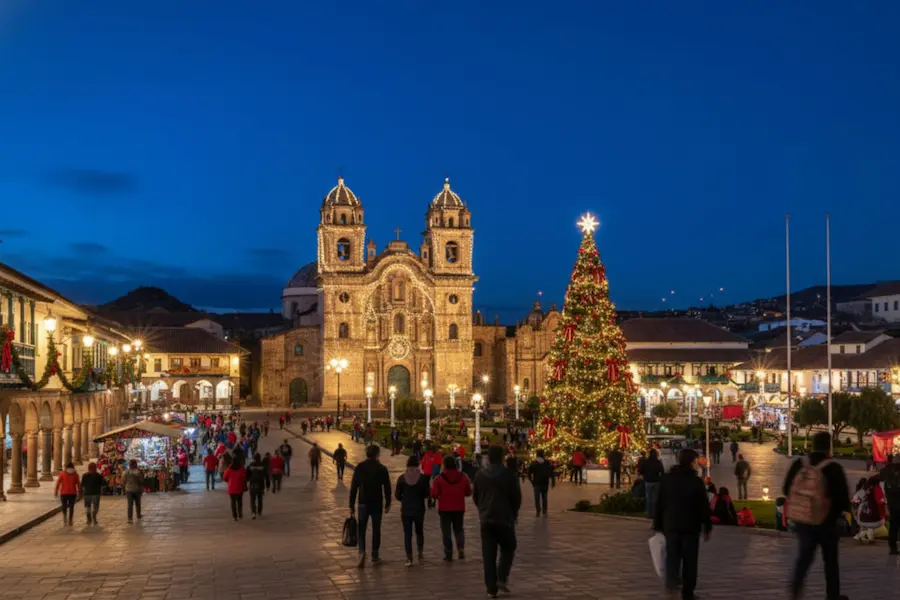
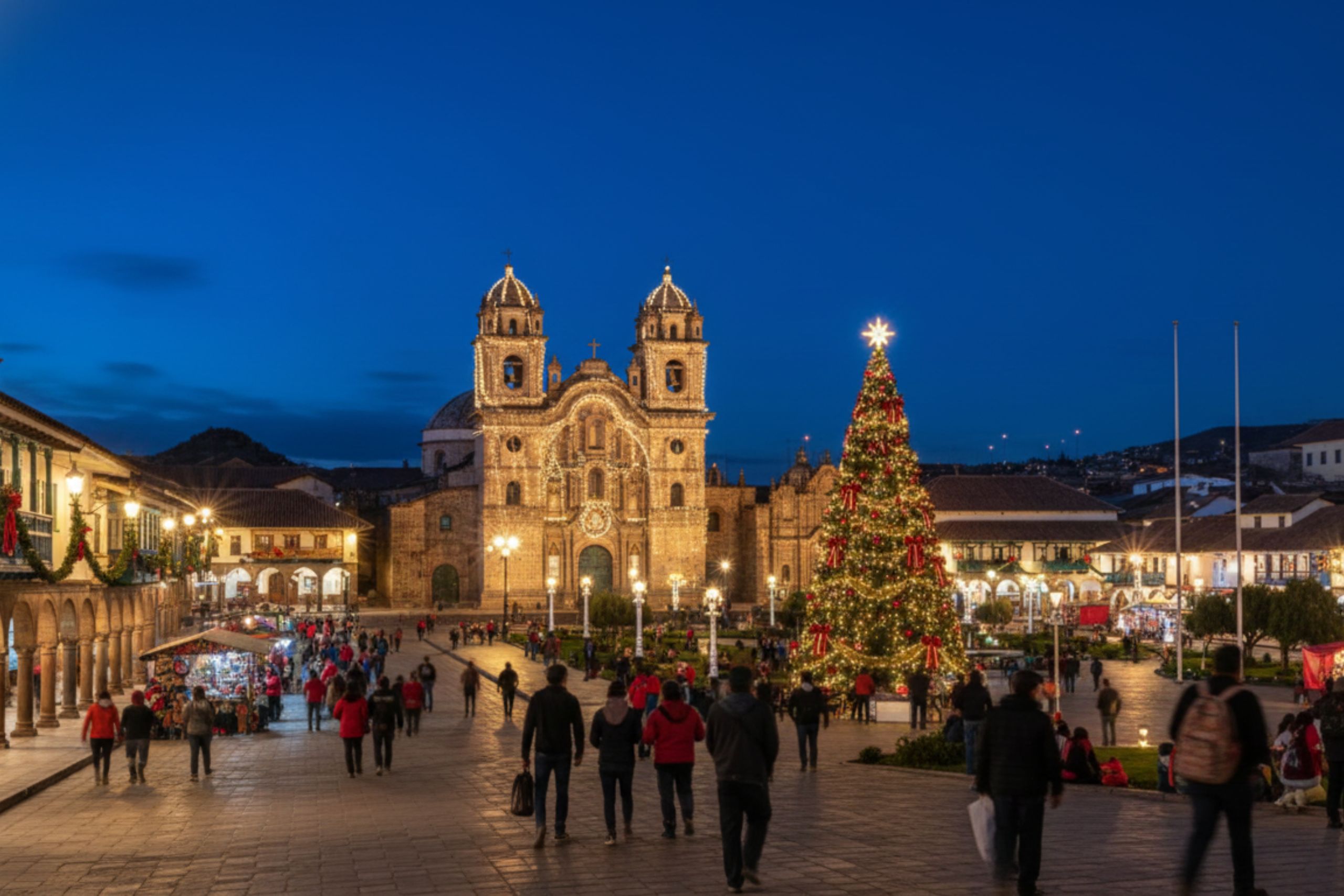
Christmas in Peru is much more than a holiday marked on the calendar. It is a time when family traditions, regional customs, food, music, and centuries of cultural influences come together to create a celebration that feels distinctly Peruvian. From lively Christmas markets and beautifully decorated plazas to family gatherings that continue late into the night, the holiday season offers a different perspective on the country.
For travelers visiting Peru around Christmas, the experience can be especially memorable. While familiar traditions such as Christmas trees, nativity scenes, and gift-giving are part of the celebrations, many local customs have their own character. In different parts of the country, Christmas is shaped by Andean heritage, Catholic traditions, local ingredients, and the strong importance of family and community.
Food is also at the heart of the season. Peruvian families gather around generous meals featuring roast turkey, pork, panetón, hot chocolate, and other dishes that have become closely associated with the holidays. At the same time, cities and towns take on a festive atmosphere, making December an interesting time to experience Peru beyond its most famous archaeological sites.
Whether you are planning a trip during the holiday season or simply curious about how Peru celebrates Christmas, understanding these traditions offers a closer look at the country's culture and everyday life. Christmas in Peru is a celebration where old customs and modern influences meet, creating an experience that is both familiar and uniquely Peruvian.
Christmas in Peru is celebrated as a deeply family-oriented occasion, with traditions that combine Catholic influences, local customs, and regional expressions of Peruvian culture. While Christmas trees, gifts, and festive decorations are familiar sights, the heart of the celebration is usually found in Nochebuena, when families come together for a special dinner and stay up to welcome Christmas.
The way people celebrate can vary from one region to another, but certain traditions are widely recognized throughout the country. Family gatherings, midnight celebrations, elaborate nativity scenes, traditional foods, and festive decorations all contribute to the distinctive atmosphere of Christmas in Peru.
For many Peruvian families, Nochebuena - Christmas Eve - is the most important moment of the holiday. On December 24, families typically gather at home for a special dinner, often staying together until midnight. Rather than waiting until Christmas morning, many celebrations reach their peak as the clock approaches midnight and Christmas officially begins.
At midnight, families may exchange gifts, share hugs and good wishes, and celebrate together. For families with Catholic traditions, this moment can also have a religious meaning, particularly through the presence of the Manger or nativity scene, which represents the birth of Jesus. The combination of family, food, and religious traditions gives Christmas Eve a particularly warm and intimate character.
Family plays a central role in Peruvian Christmas traditions. Relatives often travel or gather at one home for the evening, turning Christmas into an opportunity to spend time with parents, grandparents, children, and extended family members. The dinner table becomes an important part of the celebration, with several generations sharing food and conversation.
Gift-giving is also common, particularly among children, but the emphasis on being together remains an important part of the occasion. In many households, Christmas traditions are passed from one generation to another, while each family adds its own customs to the celebration. This is one reason why Christmas in Peru can feel both familiar to international visitors and distinctly local.
Homes, churches, public squares, and businesses are decorated throughout the Christmas season. Christmas trees, lights, ornaments, and other festive decorations create a celebratory atmosphere in cities and towns across Peru. Shopping areas and main plazas can become particularly lively as December approaches.
One of the most meaningful decorations is the nativity scene, known locally as the nacimiento. These scenes depict the birth of Jesus and can range from small displays inside family homes to elaborate installations in churches and public spaces. In Peru, some nativity scenes incorporate local landscapes, clothing, animals, and cultural details, giving them a distinctly Peruvian character.
In the Andes especially, the tradition of the nacimiento can take on a strong regional identity, incorporating elements of local craftsmanship and Andean culture. For travelers, these displays offer an interesting way to see how religious traditions have been interpreted through Peru's diverse cultural heritage.
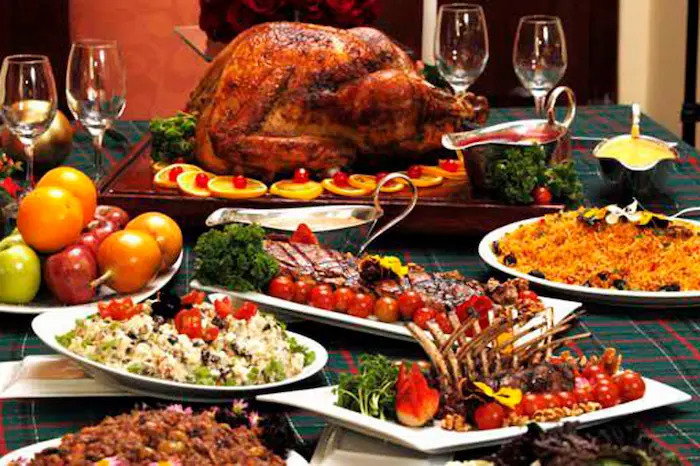
Food is one of the most anticipated parts of Christmas in Peru, with families preparing generous meals that bring everyone together around the table. While recipes and customs vary between households and regions, certain dishes have become strongly associated with the holiday season, combining international influences with ingredients and flavors that are deeply familiar to Peruvians.
The traditional Christmas table often brings together savory dishes, sweet treats and warm drinks. Turkey and pork are among the most common main courses, while panetón and hot chocolate have become almost inseparable from the holiday season. In different parts of the country, families may also incorporate regional dishes and their own recipes, making Christmas dinner a reflection of both Peruvian culture and family tradition.
Panetón and hot chocolate are perhaps the most recognizable combination of the Peruvian Christmas season. Although panettone originated in Italy, it became deeply established in Peru and is now enjoyed by families throughout the country during December.
The traditional panetón is a sweet, dome-shaped bread filled with candied fruit and raisins, although modern versions can include chocolate, nuts and other fillings. Families often share it during Christmas Eve dinner or enjoy it over the following days, usually accompanied by a cup of hot chocolate.
Interestingly, hot chocolate is enjoyed even during Peru's summer Christmas. Since December falls in the warmer months in the Southern Hemisphere, drinking a hot beverage may seem unusual to visitors, but it has become an essential part of the country's holiday tradition.
Turkey is one of the most common main dishes served during Christmas in Peru, particularly at Nochebuena. Families may roast the turkey and serve it with different side dishes, sauces and salads depending on their own traditions.
Roast pork, or chancho al horno, is another popular choice, especially among families who prefer pork to turkey. It can be seasoned with herbs, spices and other ingredients before being slowly roasted until tender. In some households, both turkey and pork may appear on the same Christmas table, particularly when a large family gathering is expected.
Side dishes can vary considerably. Rice, salads, potatoes and sauces are common accompaniments, while some families incorporate recipes associated with their particular region or family heritage. This variety is part of what makes traditional Christmas food in Peru so diverse.
Beyond panetón, Peruvian families may prepare or purchase a variety of sweets during the holiday season. Christmas is an opportunity to share desserts after dinner, offer treats to visitors and enjoy something special throughout December.
Some households incorporate traditional Peruvian sweets into their celebrations, while others choose desserts influenced by international Christmas cuisine. Cookies, chocolates and cakes are also common, particularly as gifts or treats shared among family members.
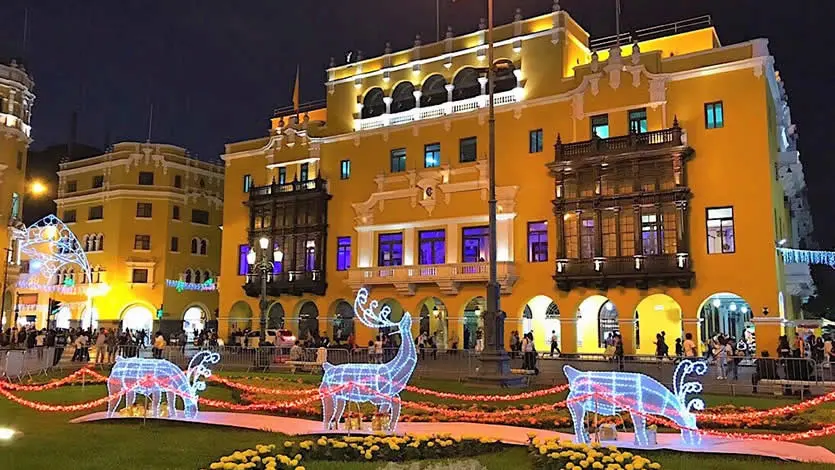
For travelers, Christmas in Peru is an opportunity to experience the country from a more local perspective. During December, the usual travel experience is combined with festive decorations, family celebrations, traditional food and cultural activities that become especially visible around Christmas Eve.
The experience can vary considerably depending on where you are traveling. Lima, Cusco and the Andes each have their own atmosphere, while travelers heading into the Amazon can experience the holidays surrounded by an entirely different landscape. Christmas becomes another way to connect with the places and communities visited during a trip.
For travelers staying in Peru during December, Nochebuena is the moment when the Christmas celebration becomes most noticeable. On December 24, families gather for a special dinner, spend time together and usually stay awake until midnight to welcome Christmas.
Visitors staying with local families or taking part in cultural experiences may have the opportunity to see this tradition more closely. The evening often revolves around food, conversation, music and the exchange of gifts at midnight, creating a warm and lively atmosphere.
Travelers moving through Peruvian cities during December will find streets, plazas, shops and homes decorated for the holidays. Christmas trees, lights and nativity scenes become part of the landscape, particularly in historic centers and public spaces.
In Cusco and other Andean destinations, Christmas celebrations can also reflect local traditions and craftsmanship. Nativity scenes may incorporate Andean landscapes, animals and figures dressed in traditional clothing, giving visitors a glimpse into the way Christmas has become part of Peru's diverse cultural identity.
Food becomes one of the easiest ways for travelers to experience Christmas in Peru. During the holiday season, restaurants, markets and homes feature dishes associated with Christmas, including roast turkey, pork, panetón and hot chocolate.
Even though December is summer in Peru, hot chocolate remains a traditional part of the celebration. Travelers can also find different regional preparations and family recipes, making the Christmas season a good opportunity to explore Peruvian cuisine beyond the dishes usually associated with tourism.
Travelers do not have to choose between experiencing Christmas and exploring Peru. The holiday season can be incorporated into an itinerary that includes Lima, Cusco, the Sacred Valley, Andean trekking routes or the Amazon rainforest.
A traveler might spend Christmas Eve enjoying the festive atmosphere in Cusco and then continue exploring the Andes or head toward the Amazon. This combination allows visitors to experience both the cultural side of the holiday and the landscapes that make Peru such a diverse destination.
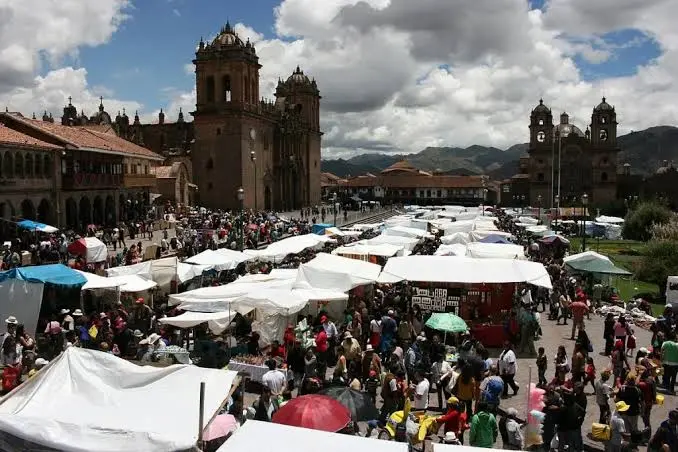
Christmas markets become an important part of the holiday atmosphere in many Peruvian cities. As December approaches, markets, shopping areas and temporary seasonal stands become busier as families look for gifts, decorations, food and other items for their celebrations.
For travelers, these places can be an interesting way to experience the everyday side of the holiday season. Instead of only visiting traditional tourist attractions, exploring a local market can reveal what families are buying, eating and preparing for Christmas.
In Lima, shopping areas and historic districts become increasingly active as Christmas approaches. Visitors can find decorations, gifts, sweets and seasonal foods, while larger commercial areas often feature elaborate displays and Christmas lights.
Local markets can offer a more informal experience, while established shopping districts tend to have larger decorations and organized seasonal activities. Both provide different perspectives on how the city prepares for the holidays.
Christmas shopping can also be an opportunity to look for Peruvian handicrafts and locally made products. Textiles, ceramics, artwork and other handmade items can make meaningful gifts while giving travelers the chance to take a piece of Peruvian culture home with them.
In destinations such as Cusco and other Andean cities, visitors may find traditional crafts alongside seasonal decorations. This creates a natural connection between Christmas shopping and Peru's rich artistic traditions.
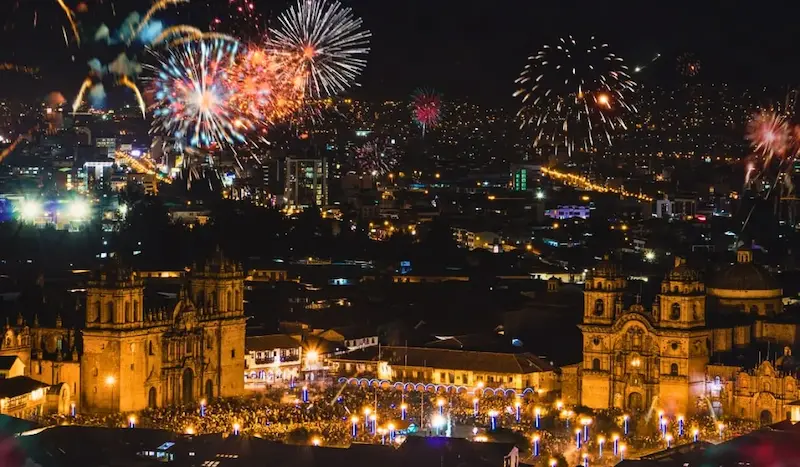
The Christmas season takes on a particularly distinctive character in Cusco and the surrounding Andes. Catholic traditions are closely intertwined with local culture, craftsmanship and Andean heritage, creating celebrations that feel different from those found in Peru's coastal cities.
For travelers visiting Cusco in December, Christmas provides an opportunity to experience the city beyond its role as a gateway to Machu Picchu. Public spaces, churches and markets become part of the holiday atmosphere, while local traditions give the celebrations a strong regional identity.
One of the best-known Christmas traditions in Cusco is Santurantikuy, a historic Christmas market traditionally held in the city's main square on December 24. Artisans and vendors gather to sell religious figures, handmade objects and other products associated with the season.
The market is particularly interesting for visitors because it brings together Catholic imagery and Andean artistic traditions. Among the objects associated with the celebration are figures used to decorate nacimientos, giving travelers a closer look at the cultural elements behind Christmas celebrations in Cusco.
Beyond the main city center, Christmas traditions can also be found in communities throughout the Cusco region. Religious celebrations, family gatherings, music and local food contribute to a festive atmosphere that varies from one community to another.
For travelers, experiencing these traditions respectfully can offer a deeper understanding of the relationship between Catholic celebrations and the region's long-standing Andean cultural heritage.
Traveling during the Christmas season can be rewarding, but a little advance planning makes the experience much easier. December is an active period for domestic travel, and Christmas Eve and Christmas Day can affect opening hours, transportation and availability.
Travelers who want to combine Christmas celebrations with trekking, cultural visits or Amazon adventures should consider their itinerary carefully and make important arrangements ahead of time.
Accommodation and transportation should be organized in advance, particularly around December 24 and 25. Some businesses may operate on reduced schedules, while popular destinations can become busier during the holiday period.
Having transportation and accommodation confirmed beforehand allows travelers to enjoy the festive atmosphere without having to make last-minute arrangements.
Christmas can easily become one part of a larger Peruvian adventure. Travelers can combine time in Lima or Cusco with visits to archaeological sites, trekking routes, the Sacred Valley or the Amazon rainforest.
This combination allows visitors to experience the country's holiday traditions while also exploring the landscapes and cultural attractions that make Peru such a diverse destination.
Planning a trip during the holiday season often brings practical questions about traditions, food, weather, celebrations and what visitors can expect while traveling through the country. These are some of the most common questions travelers may have about Christmas in Peru.
Christmas in Peru is centered around family gatherings, Nochebuena, traditional food and religious and cultural celebrations. Christmas Eve is often the main celebration, with families gathering for dinner and staying together until midnight to welcome Christmas.
The main celebration takes place on the night of December 24, known as Nochebuena. Families usually gather for dinner and continue celebrating around midnight, when gifts may be exchanged and Christmas officially begins.
Traditional Peruvian Christmas food commonly includes roast turkey, roast pork, panetón and hot chocolate. Side dishes and desserts can vary depending on the family and region, with some households incorporating their own traditional recipes.
Hot chocolate has become an important part of the Christmas tradition in Peru and is commonly served with panetón. What makes it particularly interesting for visitors is that Christmas takes place during summer in Peru, yet hot chocolate remains a beloved part of the celebration.
Panetón is a sweet, dome-shaped bread traditionally made with candied fruit and raisins. Although it originated in Italy, it has become deeply associated with Christmas in Peru and is commonly shared by families throughout December.
Nochebuena refers to Christmas Eve, December 24, and is generally the most important part of the Christmas celebration for many Peruvian families. It usually involves a special dinner, family gatherings and staying awake until midnight to welcome Christmas.
Some of the most common traditions include family dinners on Nochebuena, exchanging gifts at midnight, preparing nativity scenes, decorating homes and public spaces, eating panetón with hot chocolate, and attending religious celebrations.
Christmas can be an interesting time to visit Peru for travelers who want to experience local culture and traditions. Visitors can enjoy festive markets, decorated cities, seasonal food and regional celebrations while continuing to explore destinations such as Lima, Cusco, the Andes and the Amazon.
December is summer in Peru, but the weather varies considerably by region. Lima begins its warmer season, the Andes can have cool temperatures and rainfall, and the Amazon remains warm and humid. Travelers visiting several regions should therefore prepare for different conditions.
Christmas in Cusco combines Catholic traditions with Andean cultural influences. One of the best-known celebrations is Santurantikuy, a Christmas market held on December 24 where artisans sell religious figures, handmade items and decorations associated with local nativity scenes.
Yes. Travelers can experience Christmas markets, decorated plazas, traditional foods and cultural celebrations during December. Exploring local markets or historic centers can offer a more authentic perspective on how different communities celebrate the holiday.