Image
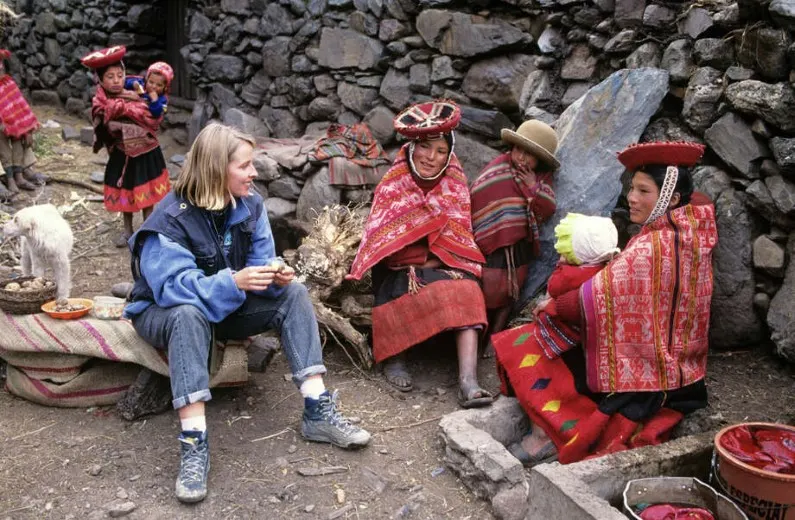
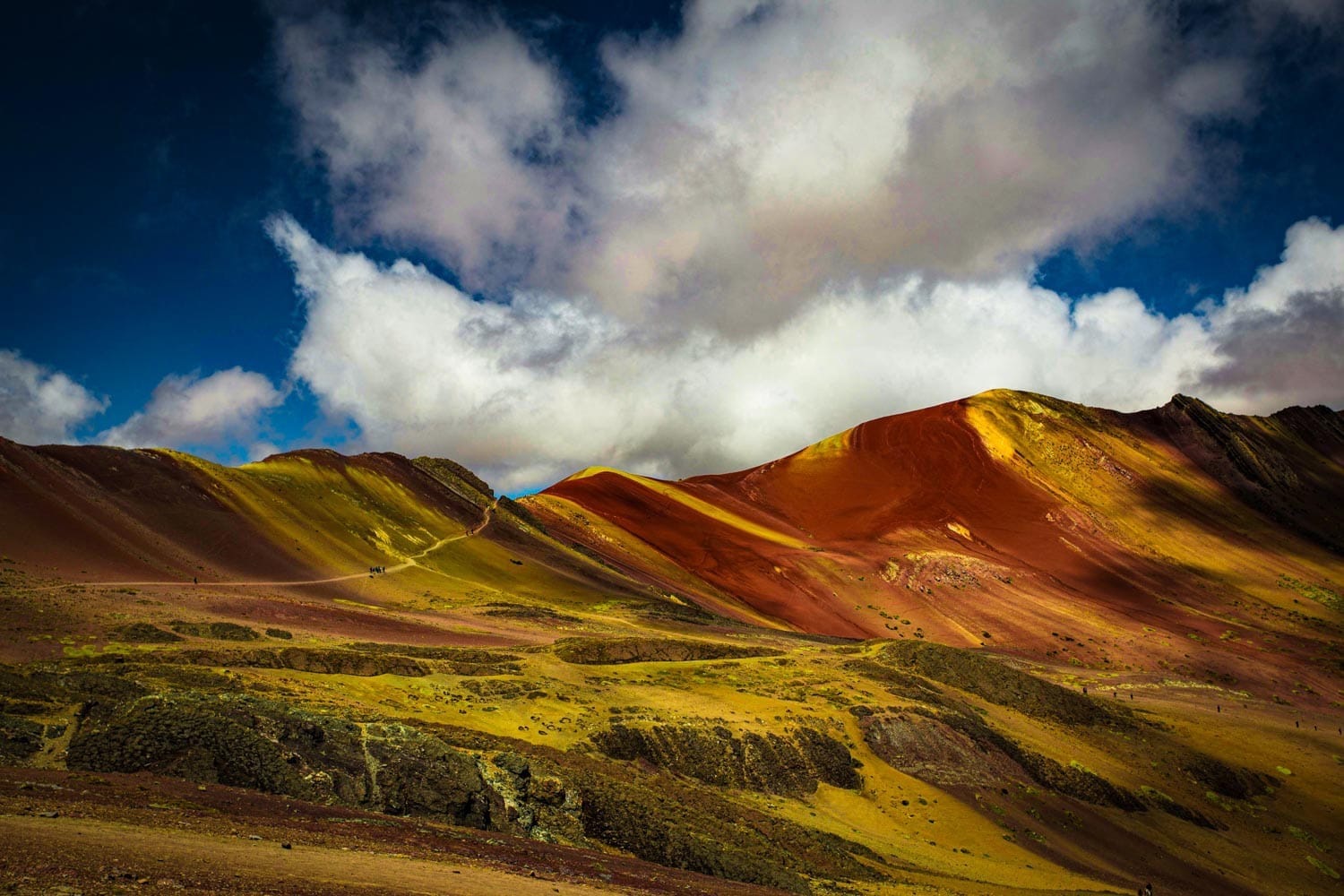
Cultural travel experiences in Peru go far beyond visiting archaeological sites or walking through historic city centers. Culture here is not something that exists only behind museum doors. It can be found in Quechua-speaking communities in the Andes, centuries-old agricultural traditions, colorful religious celebrations, local markets, family kitchens, traditional weaving workshops, music, dance, and beliefs that continue to shape everyday life.
For many travelers, Machu Picchu is the first image that comes to mind when thinking about Peru. Yet the famous Inca citadel represents only one chapter of a much larger cultural story. Long before the Incas created their empire, civilizations such as the Moche, Nazca, Wari, Chachapoya, and Chimú developed sophisticated societies across different parts of the country. Their influence can still be seen in archaeological sites, ceramics, irrigation systems, architecture, and regional traditions.
What makes traveling through Peru particularly interesting is that this history does not feel completely separated from the present. In the Andes, agricultural cycles are still closely connected to the seasons. Traditional textiles can identify the community where they were produced. In Amazonian regions, Indigenous knowledge continues to influence food, medicine, art, and people's relationship with the rainforest.
Cusco is one of the best places to begin understanding Peru because several periods of the country's history coexist within the same region. In the Historic Center, Inca stonework supports colonial buildings, Quechua can still be heard alongside Spanish, and churches, markets and neighborhoods reveal how the city has continued to change without completely losing its Andean identity.
The experience becomes even broader outside the city. Traveling through the Sacred Valley introduces visitors to agricultural traditions, weaving, local markets and towns whose relationship with the surrounding mountains goes back centuries. Together, Cusco and the valley provide much more than a collection of archaeological attractions.
One of the first things travelers notice in central Cusco is the unusual combination of architectural styles. Spanish colonial structures were constructed alongside, and sometimes directly over, earlier Inca foundations.
The contrast is particularly visible around streets such as Hatun Rumiyoc and in important historic buildings throughout the center. The famous twelve-angled stone attracts much of the attention, but it is only one example of the sophisticated stonework that can be found throughout the city.
Walking rather than simply moving between major attractions allows visitors to notice these layers. Doorways, walls, courtyards and narrow streets reveal that Cusco itself is part of the historical experience.
San Pedro Market offers another perspective of Cusco, one that is less monumental but equally valuable for understanding the city.
Inside, visitors encounter regional fruits, cheeses, herbs, corn, potatoes and prepared foods alongside products purchased by local residents in their everyday lives. Peru has thousands of native potato varieties, and the diversity of Andean ingredients becomes much easier to understand when seeing them in a working market.
Rather than treating the market only as a place to buy souvenirs, spending time observing its food stalls and ingredients provides insight into how the surrounding geography continues to influence what people eat.
Chinchero introduces travelers to one of the Andes' most recognizable artistic traditions: textile production.
Traditional weaving involves considerably more than creating colorful patterns. Wool must be prepared and spun, dyes can be produced using natural materials, and techniques are often transmitted between generations. Designs may incorporate representations connected with animals, landscapes and local identity.
Seeing this process provides important context before purchasing an Andean textile. What appears in a shop as a finished scarf, blanket or garment represents specialized knowledge and hours of work.
Many travelers encounter Ollantaytambo because its railway station is one of the main departure points for Machu Picchu. Staying long enough to explore the town, however, reveals why it deserves attention of its own.
Its archaeological complex dominates the landscape, but Inca-era urban elements can also be observed within the town itself. Narrow streets, stone foundations and channels carrying water through the settlement create an unusual connection between archaeological heritage and everyday life.
Ollantaytambo therefore offers something different from visiting an isolated ruin: people continue to live within a settlement shaped by centuries of history.
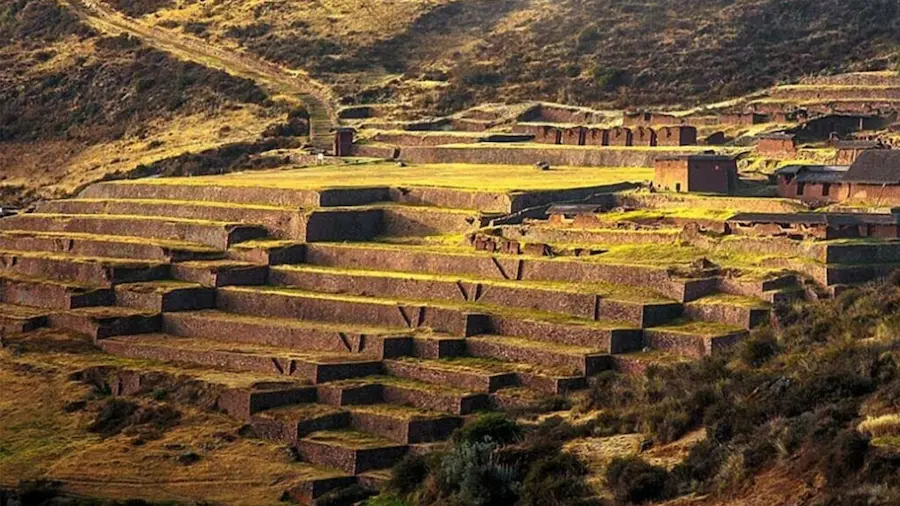
Machu Picchu has become the international symbol of Peru, but focusing exclusively on the Inca citadel can create the impression that Peruvian history began with the Incas. It did not. Complex societies developed throughout the coast, Andes and northern regions long before the rise of the Inca Empire.
Exploring this wider archaeological heritage is one of the most rewarding cultural travel experiences in the country. Different regions reveal distinct architecture, religious traditions, artistic styles and ways of adapting to Peru's dramatically varied geography.
The classic panoramic view of Machu Picchu is instantly recognizable, but the significance of the site becomes clearer when visitors look beyond the photograph.
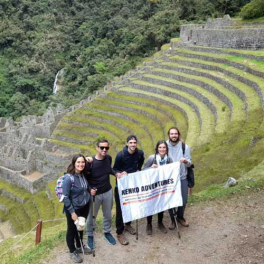
Terraces, residential areas, ceremonial spaces and carefully constructed stone buildings demonstrate how Inca architecture adapted to an exceptionally difficult mountain environment. The surrounding landscape was not simply a backdrop; mountains and natural features played an important role in the Andean understanding of the territory.
Machu Picchu also formed part of a much larger civilization connected by settlements, agricultural systems and an extensive road network. Seeing it within this context makes the visit considerably richer than treating the citadel as an isolated wonder.
The Incas developed an enormous road network across the Andes, connecting territories that today belong to several South American countries.
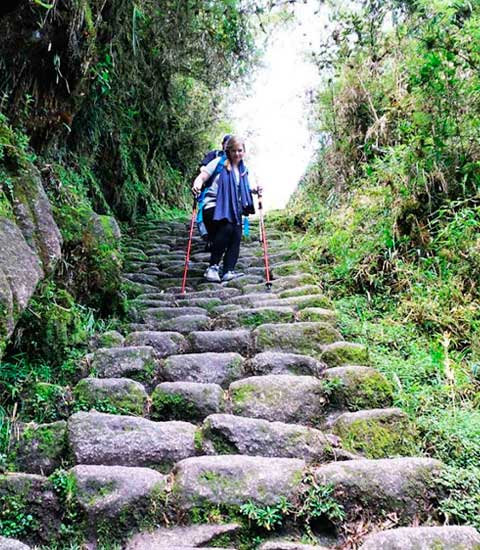
Parts of these routes can still be experienced around Cusco and on trekking routes leading toward Machu Picchu. Walking even a section of an ancient trail gives travelers a different appreciation of the geography the Incas had to overcome.
Mountain passes, steep valleys and rapidly changing elevations make it easier to understand why the road system was such an important political and logistical achievement.
Travel north and the archaeological story changes considerably.
Near Trujillo, Chan Chan preserves the remains of the capital of the Chimú civilization and represents an entirely different architectural tradition from the stone structures associated with Cusco. The Moche civilization, meanwhile, left ceremonial complexes and extraordinarily detailed ceramics that reveal aspects of ritual, animals, warfare and everyday life.
Farther south, the Nazca Lines demonstrate yet another cultural tradition. These enormous geoglyphs were created centuries before the Inca Empire reached its height.
Including these places in a longer Peru trip helps travelers understand that the Incas were one remarkable chapter within a much longer history.
Archaeological sites explain part of Peru's past, but living traditions reveal how that heritage continues into the present. This distinction is important. Andean culture should not be presented as something that disappeared when the Inca Empire ended.
Millions of Peruvians maintain cultural traditions shaped by Indigenous heritage. Language, agriculture, food, textiles, music, celebrations and relationships with the landscape continue to evolve within contemporary communities.
For visitors, respectful interaction with these traditions can provide a deeper understanding of Peru than monuments alone.
Quechua remains one of Peru's official languages and continues to be spoken across many Andean communities.
Travelers may hear it in markets, rural towns, homes and conversations throughout the Cusco region. There are different varieties of Quechua, reflecting the enormous geographical area across which the language developed.
Its continued presence is particularly significant because language carries concepts, stories and ways of understanding the world that cannot always be translated perfectly into Spanish or English.
Visitors to the Andes frequently encounter the word Pachamama, commonly translated into English as Mother Earth.
The idea, however, is connected to a broader relationship between people, land and the natural world. Traditional offerings can express gratitude and reciprocity, particularly in contexts related to agriculture, mountains and important moments in community life.
Learning about these beliefs helps travelers understand why mountains, lakes and landscapes can possess cultural and spiritual significance beyond their visual beauty.
Farming at high altitude requires adapting to environments that can change dramatically over relatively short distances.
Andean societies developed techniques for cultivating mountainsides, managing water and growing crops under challenging conditions. Terraces visible throughout the Sacred Valley are among the most obvious examples.
Potatoes, corn and quinoa are more than familiar ingredients on restaurant menus. Their cultivation is connected to thousands of years of agricultural knowledge and remains an important part of life throughout the Andes.
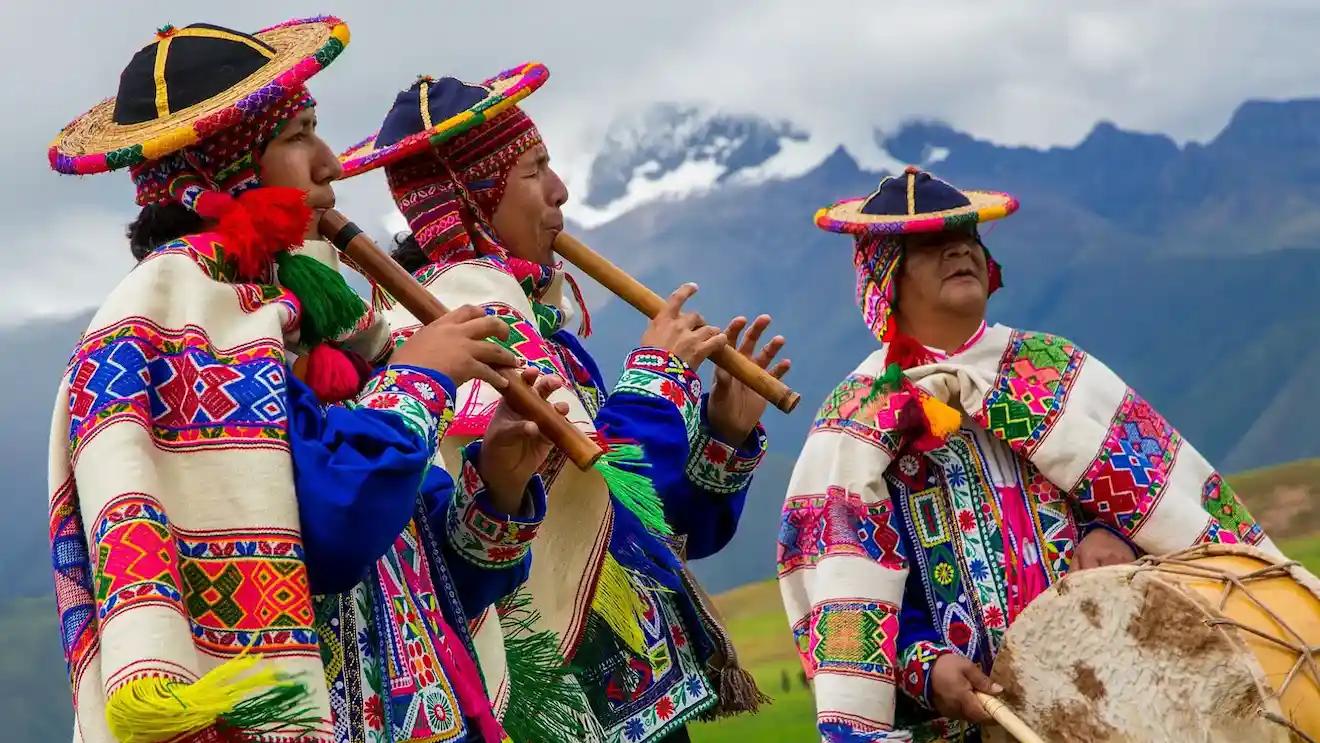
Festivals, music and celebrations in Peru
Some aspects of Peruvian culture are easiest to understand when entire streets fill with dancers, musicians, processions and families. Festivals bring together religion, community identity, food, traditional clothing and performance in ways that cannot be replicated during an ordinary sightseeing visit.
Peru's calendar includes hundreds of regional celebrations. Some have Catholic origins, others retain strong connections to Indigenous traditions, and many demonstrate how both influences have become intertwined over centuries.
For travelers with flexible dates, checking local celebrations before booking a trip can completely change the experience.
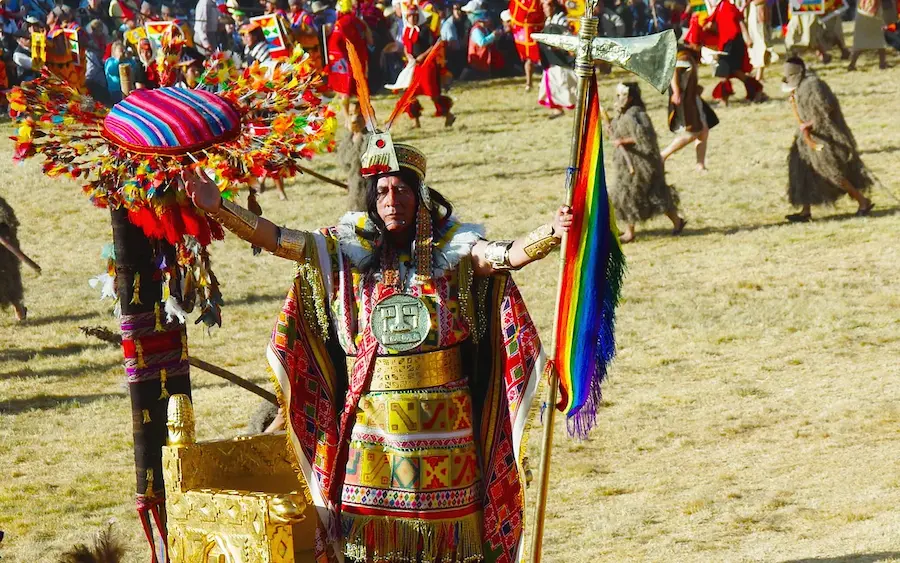
Cusco celebrates Inti Raymi every June 24. The modern event recreates ceremonies associated with the Inca celebration of the Sun and has become one of the city's most important cultural spectacles.
Performances take place at several significant locations, with the main ceremony held at Sacsayhuamán. Participants wear elaborate costumes, music accompanies the ceremonies, and thousands of spectators gather throughout the city.
Travelers planning to attend should remember that this is one of Cusco's busiest periods. Accommodation and other travel arrangements are better organized well ahead of time.
Corpus Christi provides a very different cultural experience.
Religious images from churches and parishes around Cusco are brought into the Historic Center during elaborate processions. The celebration reflects Catholic traditions introduced during the colonial period, but it takes place within a city whose cultural identity remains strongly Andean.
The result illustrates something visitors encounter repeatedly in Peru: traditions from different historical periods have not simply replaced one another. They have interacted and developed into practices with distinctly local identities.
Cusco receives enormous attention, but cultural celebrations take place throughout Peru.
Ayacucho is particularly renowned for its Holy Week traditions. Puno is famous for the Virgen de la Candelaria festivities, with music, dance and elaborate costumes playing a central role. In the Amazon, the Fiesta de San Juan is celebrated every June and is closely associated with regional food, music and gatherings.
These events provide compelling reasons to explore Peru beyond its most famous tourist route.
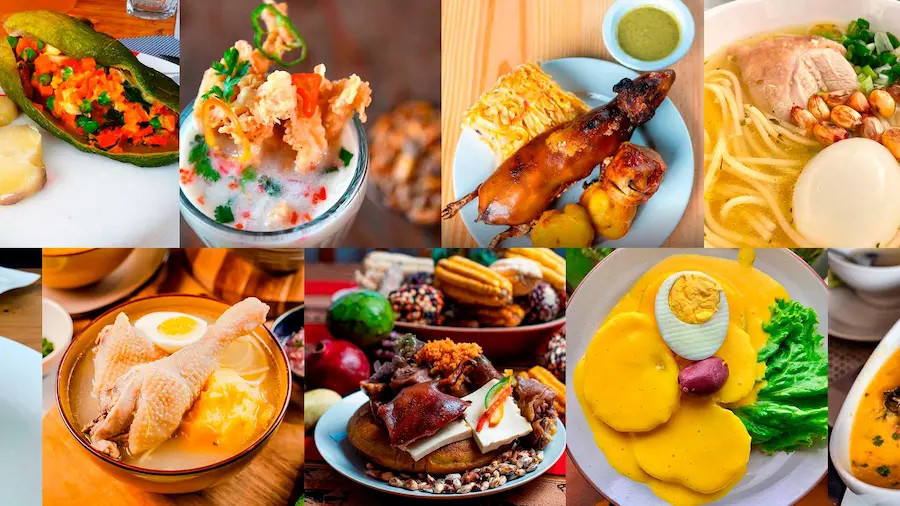
Food is one of the easiest ways to experience the diversity of Peru without entering a museum or archaeological site. Every region has been shaped by different climates, ingredients, migration patterns and historical influences, resulting in culinary traditions that change dramatically as travelers move around the country.
A meal in Lima can tell a different cultural story from one in Cusco or the Amazon. For travelers interested in understanding Peru rather than simply seeing it, food deserves to be treated as part of the journey.
The Andes contributed ingredients that are now eaten around the world, but experiencing them in Peru reveals a much greater diversity than visitors may expect.
Potatoes are the obvious example. Peru is home to an extraordinary number of native varieties, ranging dramatically in color, texture and shape. Corn also appears in numerous forms, while quinoa and other high-altitude crops continue to be important ingredients.
Traditional markets, family restaurants and regional dishes allow travelers to encounter these foods in the landscapes where they originated.
One of the surprises for many first-time visitors is how strongly immigration has influenced Peruvian food.
Chinese immigration contributed to the development of chifa, a distinctly Peruvian-Chinese culinary tradition that can be found throughout the country. Japanese migration later contributed to what became known as Nikkei cuisine.
These cuisines are important because they demonstrate that Peruvian culture is not defined exclusively by its Indigenous and Spanish heritage. Migration continued to reshape the country long after the colonial period.
Travel into the Amazon and the ingredients change again.
Plantain, cassava, river fish and tropical fruits become increasingly prominent. Dishes such as juane and tacacho are closely associated with jungle regions and provide a culinary experience completely different from that of the Andes.
For travelers combining Cusco with an Amazon journey, the contrast is particularly noticeable. Within the same country, climate, geography and cultural traditions can transform almost every aspect of what appears on the table.
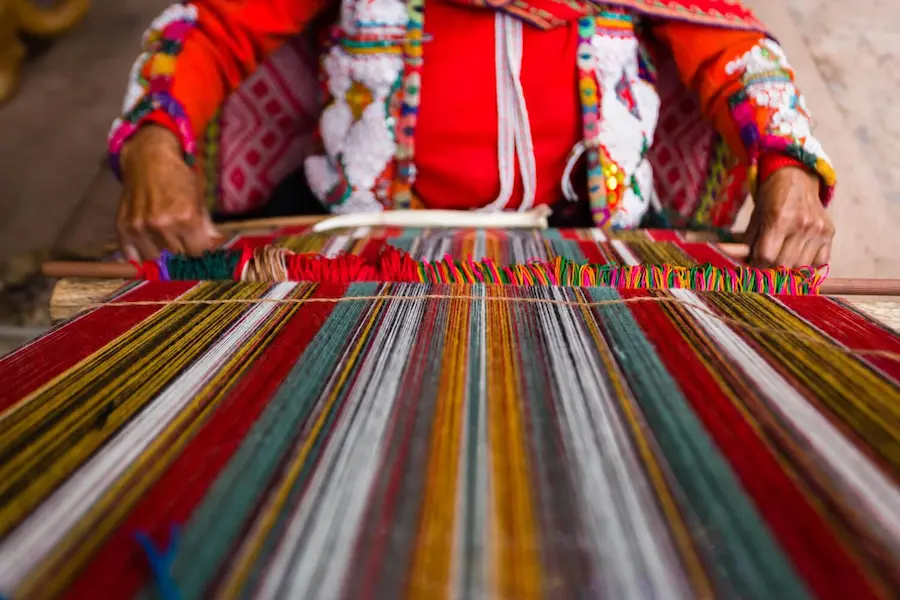
Peruvian craftsmanship provides another way of understanding regional identity. Textiles, ceramics, retablos, carved gourds and other forms of traditional art vary substantially between different parts of the country.
These objects should not be viewed simply as souvenirs. Many require specialized techniques passed through families or communities, and their designs can reflect local history, landscapes, religious beliefs and everyday life.
Taking the time to understand how something was made often makes the object itself considerably more meaningful.
Traditional textiles are among the most recognizable forms of Andean craftsmanship.
Depending on the region, artisans may use different fibers, weaving techniques, colors and patterns. Some motifs represent animals or elements of the natural environment, while others are associated with community identity.
Visiting a textile workshop allows travelers to see stages of production that disappear once the finished item reaches a market stall.
Ayacucho is strongly associated with retablos, small decorated boxes containing carefully arranged figures and scenes.
Their history has religious connections, but artisans have expanded the tradition considerably. Contemporary retablos may portray markets, festivals, rural life and other aspects of Peruvian society.
They are an excellent example of how traditional art forms continue to evolve rather than remaining frozen in the past.
Where travelers buy handicrafts matters.
Purchasing directly from artisans or community organizations can create opportunities to understand the person, technique and story behind an object while allowing a larger portion of the economic benefit to remain locally.
It also changes shopping from a simple transaction into another cultural interaction.
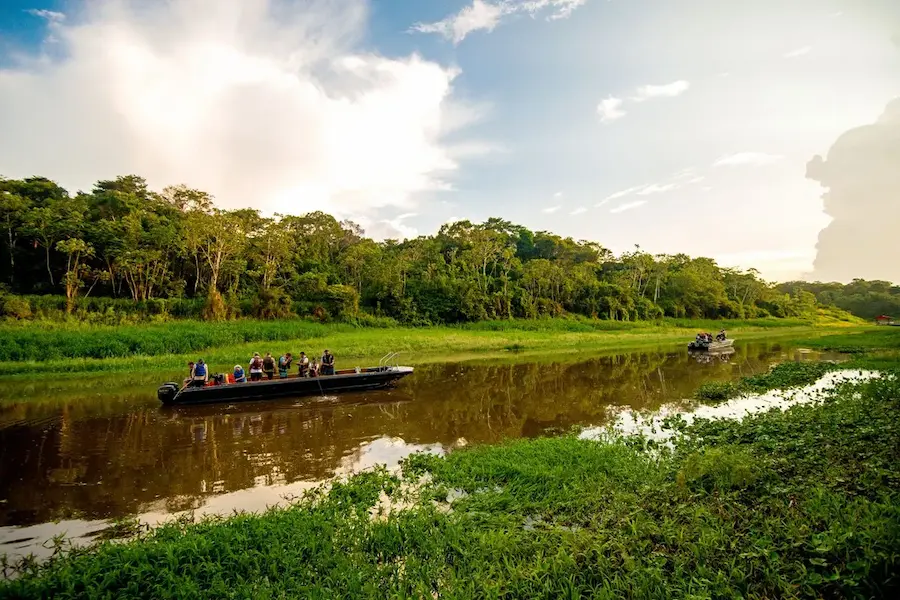
The Amazon introduces travelers to a Peru that can feel dramatically different from the Andes. Climate, food, transportation, landscapes and cultural traditions all change as the mountains descend toward tropical rainforest.
The Peruvian Amazon is also home to numerous Indigenous peoples with their own languages and cultural traditions. Understanding this diversity is essential because there is no single, uniform “Amazonian culture.�
A responsible journey into the rainforest should therefore combine nature with opportunities to understand the people who have lived within these environments for generations.
In parts of the Amazon, rivers function as essential transportation routes.
Boats connect communities and lodges, move supplies and provide access to places where road infrastructure is limited or nonexistent. For visitors accustomed to traveling everywhere by car or train, this changes the rhythm of the journey considerably.
A river journey is therefore not only an excursion. It provides a glimpse into how geography shapes everyday life throughout the rainforest.
People who have lived in Amazonian environments for generations have developed extensive knowledge of plants, animals, seasons and landscapes.
Travelers exploring the rainforest with knowledgeable local guides often discover details they would otherwise completely overlook: distant animal calls, medicinal plants, tracks, subtle movements in vegetation or changes in the forest itself.
This local knowledge transforms the rainforest from an apparently endless wall of green into an environment filled with relationships and stories.
Community visits require particular care.
Indigenous communities should never be treated as displays created for tourists. Good cultural experiences provide opportunities for residents to explain aspects of their lives and traditions on their own terms while ensuring that tourism creates meaningful local benefits.
For travelers, this often produces a much more genuine interaction than experiences designed primarily around photographs.
Experiencing another culture involves more than arriving at the right place. The way travelers interact with communities, traditions and heritage can determine whether tourism contributes positively or simply turns culture into another commodity.
Peru offers extraordinary opportunities for cultural travel, but approaching them with curiosity and respect creates a much richer experience.
Trying to visit as many places as possible often leaves little time to understand any of them.
Spending an additional day in Cusco, staying overnight in the Sacred Valley or exploring a regional market without rushing can reveal details that disappear on tightly scheduled itineraries.
Cultural travel often rewards slower observation.
Traditional clothing, markets and festivals can create beautiful photographs, but visitors should remember that the people in those scenes are not attractions.
Asking permission before taking close photographs is a simple gesture of respect, particularly in rural communities and markets.
The same principle applies when attending religious ceremonies or community events where certain moments may have meanings that visitors do not immediately understand.
Local guides can provide context that dramatically changes how travelers perceive a place.
A stone wall becomes part of a larger historical story. A plant becomes connected to traditional knowledge. A festival becomes easier to understand once someone explains the symbolism behind what is happening.
That interpretation is especially valuable in Peru, where so many cultural traditions overlap across different periods of history.
The most memorable cultural travel experiences in Peru are rarely limited to a single archaeological site, museum or performance. They emerge from the connections between ancient history and contemporary life: hearing Quechua spoken near an Inca wall, watching artisans transform wool into intricate textiles, tasting ingredients cultivated in the Andes for generations, or traveling along an Amazonian river with someone who understands the rainforest as home.
Machu Picchu may inspire the first trip, and Cusco may become the starting point, but understanding Peru means looking beyond its most recognizable landmarks. The Sacred Valley, Indigenous communities, regional festivals, archaeological civilizations, cuisine, craftsmanship and Amazonian traditions reveal a country whose cultural diversity is far greater than many first-time visitors expect.
That is ultimately what makes Peru such a rewarding destination for culturally curious travelers. You do not only encounter traces of the past. You experience a culture that continues to speak, cook, celebrate, create and change in the present.