Does the El Nino Phenomenon Affect Travel to Peru?
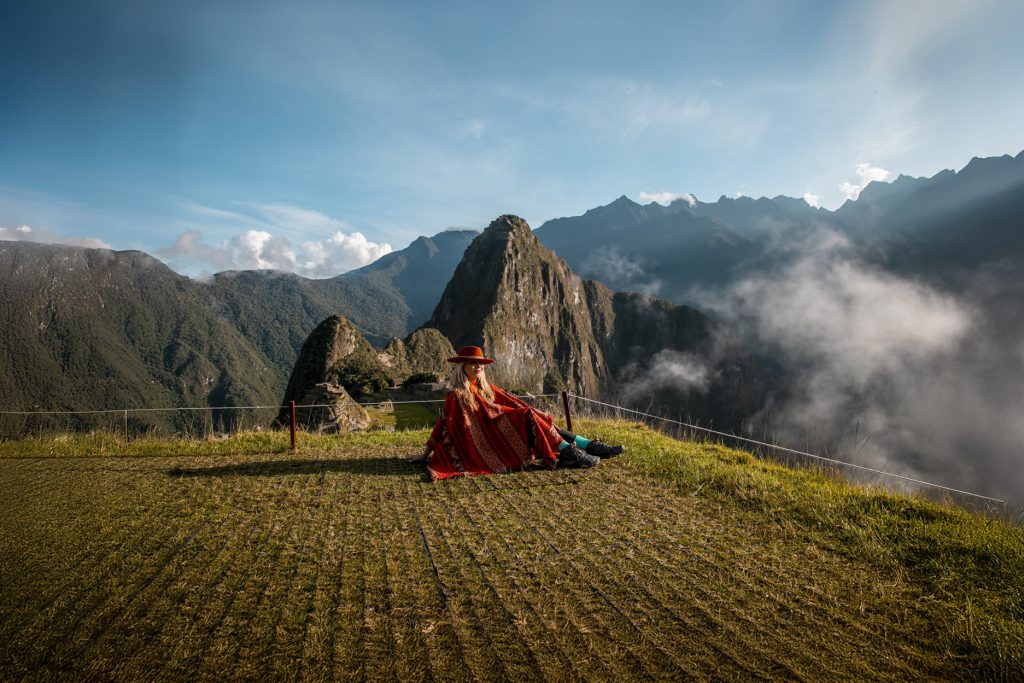
The El Nino Phenomenon can affect travel to Peru, with effects that vary depending on the region, the season, and the conditions along your route. For travelers, the practical questions are whether their destinations remain accessible, whether transportation is operating, and whether their planned activities can go ahead. Understanding these differences helps you make informed decisions about visiting Peru and prepare for possible changes to your itinerary. Official travel guidance identifies flooding and landslides among the weather hazards that can interrupt journeys in the country.
When planning a trip, it is understandable to feel concerned after seeing headlines about heavy rain or flooding. However, a report about a specific province provides limited information about conditions in another destination. A useful travel assessment should consider the places you will visit, the roads and railways connecting them, and the dates of your journey.
A trip combining Lima, Cusco, the Sacred Valley, and Machu Picchu requires several separate checks. Your hotel may be welcoming guests while a transfer needs rescheduling. A guided city visit may be possible while a mountain excursion requires a different departure date. Looking at each part of the journey gives you a clearer picture of what to expect.
The following sections explain where this climate pattern develops, why Peru is particularly connected to it, how long it usually lasts, and what travelers should check before departure. The aim is to help you plan with realistic expectations, ask useful questions, and respond confidently if conditions change.
What Is the El Nino Phenomenon, and Where Does It Develop?
The El Nino Phenomenon is the warm phase of a natural climate cycle called the El Niño–Southern Oscillation, commonly abbreviated as ENSO. It involves interactions between ocean temperatures and the atmosphere across the tropical Pacific.
Scientists study these changes because they can influence weather far beyond the ocean itself. The effects depend on how warming develops and how the atmosphere responds, which helps explain why individual episodes can have different consequences.
How do ocean temperatures and winds create these conditions?
Under typical conditions, trade winds push warm surface water westward across the equatorial Pacific toward Asia. Colder water rises near the western coast of South America, helping maintain the usual temperature contrast across the ocean.
When those winds weaken, warm surface water can spread eastward. This changes the distribution of heat and moisture and can shift rainfall patterns. The process develops across a large ocean region, with consequences that extend into surrounding countries.
Where did the name El Niño come from?
The name has a historical connection to fishing communities along the Pacific coast of South America. Fishermen observed periods of unusually warm seawater around Christmas and associated them with changes in their catches.
“El Niño” refers to the Christ Child in this context. The modern scientific understanding is broader than those early coastal observations and includes the interaction between the tropical Pacific Ocean and the atmosphere.
What is the difference between coastal El Niño and Pacific-wide El Niño?
Travelers reading Peruvian reports may encounter the term El Niño Costero, or coastal El Niño. This refers to warming near the coasts of Peru and Ecuador, monitored in the eastern Pacific region known as Niño 1+2.
Pacific-wide reporting also examines the central equatorial Pacific, including the Niño 3.4 region. Peru’s ENFEN committee reports on both areas, which can develop with different intensities and timelines. Reading the geographical detail in an official bulletin helps explain what a forecast means for Peru.
Why Does the El Nino Phenomenon Affect Peru?
Peru borders the eastern Pacific, placing its coastal regions close to the ocean changes associated with this climate pattern. Changes in nearby sea temperatures can influence coastal weather, while broader atmospheric shifts can affect rainfall elsewhere.
The country’s geography also matters. Peru includes coastal deserts, high mountain ranges, valleys, and extensive Amazonian landscapes. These environments respond differently to changes in atmospheric circulation and rainfall.
Why can the northern coast experience heavier rainfall?
When warming is concentrated in the eastern Pacific, conditions can favor intense rainfall along Peru’s northern coast and western slopes. This can increase the potential for flooding, overflowing streams, and slope failures.
Historical analysis by SENAMHI also shows that central Pacific warming can be associated with rainfall deficits in parts of the Andes. These contrasting responses explain why a single nationwide description can overlook important regional differences.
Does every region experience the same weather?
The El Nino Phenomenon can produce different rainfall patterns across Peru. An official forecast may indicate wetter conditions in some coastal areas while projecting normal or below-normal rainfall in parts of the southeastern Andes or Amazon.
These outlooks describe probabilities across a period and a region. They cannot determine the weather during every hour of a particular excursion. Travelers should use them alongside local forecasts and updates from transportation providers.
Why do travel routes matter as much as destinations?
When reviewing an itinerary, consider the full journey between each overnight stop. Ask which roads, railway services, airports, and local transfers your reservations depend on.
For example, a Machu Picchu visit involves more than the entrance reservation. Check the transfer to the departure station, the train journey, the onward connection, and the return arrangements. Reviewing these components makes it easier to identify where additional time or flexibility could help.
How Long Does the El Nino Phenomenon Last?
The El Nino Phenomenon typically lasts around nine to twelve months, although some episodes persist longer. It occurs irregularly, with events developing approximately every two to seven years.
Its duration describes the broader climate episode. Local rainfall, transport disruption, and recovery work can follow different timelines, so the beginning or end of an event alone cannot determine whether a particular route is available.
Does it mean continuous rain throughout your vacation?
A climate outlook describes changes in the likelihood of certain conditions over time. Your travel planning still requires a forecast for your destination and dates, together with information about access.
Before an outdoor activity, ask your guide what conditions are expected along the entire route. A forecast for central Cusco, for example, provides limited detail about a mountain pass or a trail several hours away.
Can scientists predict when it will happen?
Scientists monitor ocean temperatures, winds, rainfall, and other observations to assess the development of an event. Forecasting systems use these measurements to estimate how conditions may evolve.
Once an episode develops, monitoring helps forecasters assess its likely intensity and duration. Forecasts are updated as new information becomes available, making the date of a bulletin important when using it for travel planning.
Does the El Nino Phenomenon Affect Tourists Visiting Peru?
The El Nino Phenomenon can affect tourists when associated weather conditions interfere with transportation, access, accommodation, or planned activities. The extent of any disruption depends on the itinerary and the situation on the ground.
Possible consequences include delayed journeys, changes to excursions, and temporary restrictions. Official guidance warns that severe seasonal weather can also affect essential services in impacted areas. Travelers should assess these possibilities before committing to a tightly scheduled route.
Should you cancel your trip because of El Niño?
Make that decision using information about your actual itinerary. Review official warnings, confirm the status of your services, and ask your operator whether any part of the trip needs adjusting.
If an authority restricts access or a provider suspends a service, follow those instructions. Where your reservations remain available, ask about practical preparations and the options offered if conditions change before departure.
Can you still organize cultural activities and city visits?
When planning cultural visits, confirm opening hours and local transportation close to the activity date. Museums, restaurants, workshops, and walking tours each have their own operating arrangements.
It can help to identify several alternatives in the same area. If an outdoor visit needs rescheduling, you will already have other activities to discuss with your guide, provided local conditions allow them.
What should you ask your tour operator?
Before traveling, request clear answers to these questions.
- Are all the services in my itinerary currently operating?
- Are there warnings affecting my destinations or transfer routes?
- How will you notify me if arrangements change?
- What alternatives are available if an excursion is suspended?
- Which changes, refunds, or additional costs are covered by my booking terms?
- Who should I contact if a delay affects my arrival?
Save the answers with your booking confirmations. This gives you a practical reference if you need assistance during the journey.
How Should You Plan for Different Destinations in Peru?
Assess the El Nino Phenomenon in relation to each destination on your route. A beach holiday, a city break, and a multiday trek involve different activities and transportation needs.
The following planning table highlights the questions to ask before departure. Use it alongside current local information.
Cusco and the Sacred Valley
For a Cusco itinerary, ask about the specific roads and attractions included in your day tours. Confirm departure arrangements again when you arrive, especially before journeys with several connections.
Tell your operator about any onward flight or reservation that depends on returning at a particular time. That allows you to discuss whether the proposed schedule provides enough flexibility for your plans.
Machu Picchu
For Machu Picchu, check access information from the site authorities and operational updates from your train and transfer providers. Keep your tickets, departure station details, and contact numbers together.
Ask what happens if one component changes. Understanding the arrangements for a delayed train, missed connection, or suspended service helps you respond more quickly if an adjustment becomes necessary.
The northern coast and beach destinations
For a coastal trip, review both inland access and conditions at the beach. Ask your accommodation about the roads used for airport transfers and whether any planned excursion depends on a port or boat departure.
Peru’s official outlooks can include warnings about elevated sea levels and unusual waves, as well as rainfall. Check the information relevant to your activity before swimming, surfing, or taking a boat trip.
Amazon lodges and river excursions
Ask your lodge how river conditions influence arrival transfers and daily excursions. Confirm where the transfer begins, how long it is expected to take, and how changes will be communicated.
Share your flight details and any mobility requirements in advance. For remote stays, also ask what communication is available and how the lodge handles an altered departure schedule.
What Should Hikers Know Before Booking a Trek?
For travelers planning a trek, the El Nino Phenomenon adds another reason to review conditions along the specific trail. Discuss the route with the operator, including its highest sections, overnight locations, and evacuation arrangements.
Before paying, ask how the operator decides whether a departure can proceed and what alternatives are offered. Request the applicable booking conditions in writing so you understand the options available to you.
Check trail access before departure
Confirm that your chosen route is authorized and accessible for your dates. Ask whether the operator expects any changes to the itinerary and when the final departure assessment takes place.
If a guide or authority closes a section, follow that decision. Avoid arranging an improvised detour without a qualified assessment of access and conditions.
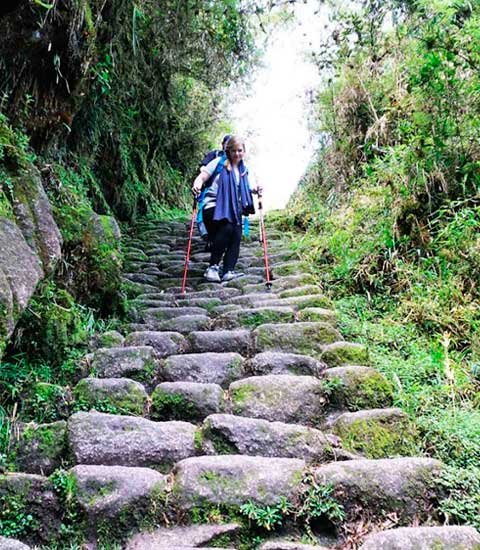
Understand scheduled Inca Trail maintenance
When researching closures, check their stated reason and dates. SERNANP announced that the Inca Trail network would close throughout February 2026 for annual conservation and maintenance, with operations resuming on March 1.
For future departures, check the notice applicable to your travel year and ask your operator how it affects the route you intend to book.
Prepare your equipment with your guide
Request a packing list for the exact trek and accommodation type. Discuss footwear, waterproof layers, warm clothing, luggage protection, and what equipment the operator supplies.
Keep important documents and essential personal items protected from moisture. Test your footwear and equipment before departure so you have time to resolve fit or comfort problems.
How Can You Prepare for Travel During the El Nino Phenomenon?
Preparing for the El Nino Phenomenon means building a trip that can accommodate reasonable adjustments. Start with your itinerary, booking terms, and communication arrangements.
The most useful preparation is specific. Know who operates each service, where to obtain updates, and which reservations could be affected if an earlier journey changes.
Leave time between important connections
Review any schedule that places a long transfer immediately before an international flight or another expensive reservation. Discuss whether adding an overnight stop would suit your route.
Keep a clear record of check-in times, departure stations, and cancellation deadlines. This makes it easier to identify which provider needs contacting first if a journey is delayed.
Read cancellation terms and insurance conditions
Before purchasing insurance, ask the insurer how the policy treats weather disruption, missed connections, trekking activities, and an event already known when you buy coverage.
Review each provider’s terms as well. A hotel, airline, train company, and tour operator may offer different arrangements, so record the conditions attached to each reservation.
Pack for the activities you have booked
Use the packing lists supplied by your guides and accommodation providers. A city stay, high-altitude hike, and rainforest visit can require different clothing and luggage arrangements.
Useful practical items may include protected document storage, a power bank, suitable footwear, and a lightweight waterproof layer. Keep essential contacts and booking details available offline.
Follow official information and provider updates
Use SENAMHI for meteorological information and ENFEN for information about the development of the climate episode. Follow local authority instructions and contact the companies operating your transport and excursions.
As of the November 13, 2026 ENFEN bulletin, Peru remained under a coastal El Niño alert, with differing rainfall outlooks across regions. Travelers planning a departure should consult subsequent bulletins and local updates for their dates.
Frequently Asked Questions
Does El Niño automatically close Machu Picchu?
To establish whether your visit can proceed, check the current access notice and your transportation services. An entrance reservation, train ticket, and transfer each need to be confirmed.
Ask your operator to explain any announcement affecting your dates. If you encounter a closure report online, check its publication date and the precise location involved before changing your plans.
Can you book a trip several months in advance?
You can plan ahead while considering how you would handle a later adjustment. Compare cancellation deadlines, payment schedules, and the alternatives available if a service changes.
Before booking, ask when your operator will provide updates and whether any decisions depend on conditions closer to departure. Keep those arrangements with your itinerary.
Is there a single best month to avoid all weather disruption?
Choosing travel dates requires considering your destinations and activities. Ask your operator about the usual seasonal conditions along your route, then review the outlook closer to departure.
For a trip covering several regions, prioritize the activities most important to you. That helps you choose dates and decide where additional flexibility would be valuable.
How often should you check for updates?
Review information before making major payments, again before departure, and before weather-sensitive excursions. Follow any additional instructions issued by your providers or local authorities.
If you receive conflicting information, contact the company responsible for the service concerned. Request confirmation of its operating arrangements and keep a copy of the response.
Plan Your Peru Journey With Clear Information
The El Nino Phenomenon deserves consideration when planning a visit to Peru. Understanding the regional outlook, checking access, and confirming each part of your itinerary give you a more practical basis for making travel decisions.
Before departure, review official information and speak with your operator about your exact destinations and dates. With clear booking terms, reliable contacts, and room for adjustments, you can approach your journey with a better understanding of what to expect.