Image

International Tourism Day is a special occasion that celebrates the power of travel to connect people, cultures, and communities around the world. Every year, millions of travelers explore new destinations, discover different traditions, and create meaningful memories while supporting local economies and preserving cultural heritage.
For a country like Peru, tourism represents much more than visiting famous landmarks. It is an opportunity to experience ancient traditions, connect with local communities, taste unique flavors, and understand the stories that have shaped one of the most culturally diverse countries in South America.
From the historic streets of Cusco to the impressive landscapes of the Andes, Peru shows how responsible tourism can create unforgettable experiences while protecting the identity and heritage of each destination.
International Tourism Day is celebrated every year on September 27th to recognize the importance of tourism and the role it plays in connecting people, cultures, and communities around the world. It is a day to look beyond tourism as simply a way of traveling and reflect on how visiting new destinations can create cultural exchanges, support local economies, and encourage greater appreciation for different ways of life.
For travelers, the date is also an opportunity to think about what makes a journey meaningful. Visiting a new country is not only about seeing famous landmarks; it can also mean learning about local traditions, trying regional food, meeting people, and understanding the history behind the places we visit.
September 27th was chosen for International Tourism Day because it coincides with the anniversary of the adoption of the statutes of the World Tourism Organization in 1970. The date therefore connects the celebration with the development of tourism as a global activity and its growing role in countries around the world.
International Tourism Day focuses on a different theme each year, allowing the global tourism community to highlight a specific challenge or opportunity facing the industry. These themes have addressed topics such as sustainable development, technology, employment, and the relationship between tourism and communities.
This makes the celebration different every year rather than simply being a fixed annual event.
Peru offers an unusual combination of cultural and natural attractions within a single country. Travelers can move from the Pacific coast to the Andes and then into the Amazon rainforest, encountering completely different landscapes, traditions, cuisines, and communities along the way.
This diversity is one of the reasons Peru continues to attract travelers looking for more than a single type of experience.
Cusco is particularly interesting from a tourism perspective because its identity has been shaped by different periods of Peruvian history. In the same city, visitors can find evidence of Inca architecture, Spanish colonial buildings, Catholic traditions, and contemporary Andean culture.
Rather than being a destination defined by one historical period, Cusco offers travelers the opportunity to see how these different influences coexist.
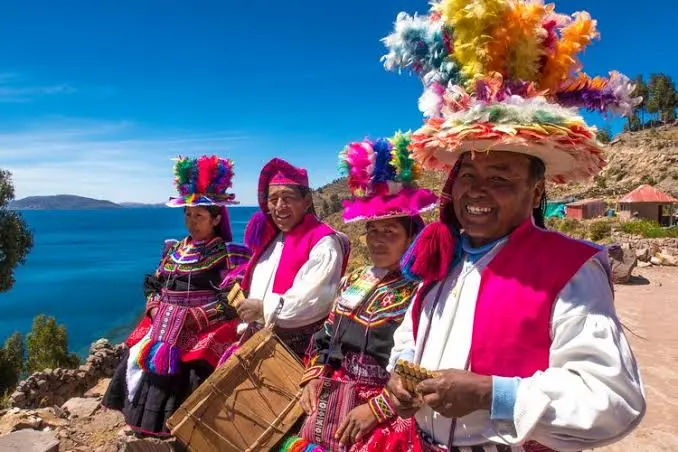
Traditional textiles, ceramics, weaving techniques, and other forms of craftsmanship remain an important part of cultural identity in many Peruvian communities. Tourism can create an additional market for these products and give artisans an opportunity to continue practices that have been passed down through generations.
For travelers, purchasing directly from local artisans can therefore become more than buying a souvenir, it can be a way of supporting traditional craftsmanship.
Food is one of the easiest ways for travelers to connect with a new culture. In Peru, ingredients and cooking techniques vary considerably between regions, reflecting the country's geography and cultural history.
In Cusco and the surrounding Andes, traditional ingredients such as potatoes, corn, quinoa, and native herbs remain closely connected to local cuisine and agricultural traditions.
Tourism is not only about what travelers take away from a destination. The choices they make while visiting can also influence the places they explore.
Choosing local businesses, respecting cultural traditions, reducing waste, and learning about local customs can help make travel more beneficial for both visitors and the communities they encounter.
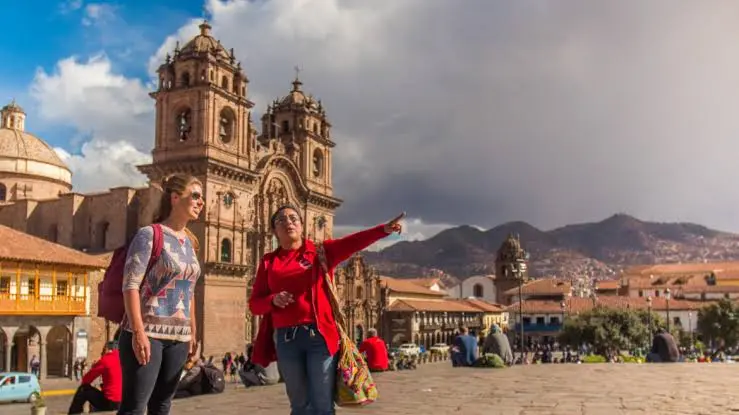
Peru is one of the most diverse travel destinations in the world, offering a unique combination of history, nature, and living culture. From ancient civilizations to breathtaking landscapes, every region has something different to share with visitors.
Celebrating International Tourism Day in Peru is a reminder of how travel can help preserve heritage while allowing people from around the world to discover the country’s incredible identity.
Peru has a history shaped by ancient civilizations, indigenous communities, and traditions that continue to exist today. The country’s cultural diversity can be seen in its festivals, music, crafts, and daily life.
Cusco, once the capital of the Inca Empire, remains one of the best examples of how history and modern culture coexist.
Cusco is more than a starting point for exploring famous attractions. It is a city where visitors can experience colonial architecture, Andean traditions, local markets, and centuries of history.
Walking through Cusco allows travelers to discover a destination where every street and building tells a story.
Beyond its cultural heritage, Peru offers incredible natural environments, including mountains, valleys, forests, and unique ecosystems.
This diversity allows travelers to experience different types of adventures while discovering the connection between nature and local communities.
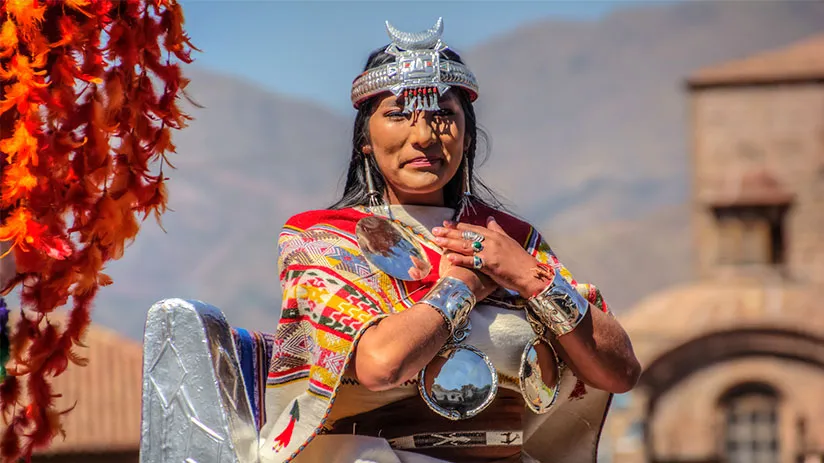
Tourism can play an important role in keeping Peru’s cultural heritage alive. When travelers visit local communities, learn about traditional practices, and choose locally made products and experiences, they become part of an exchange that gives greater visibility and value to traditions that have existed for generations.
This is particularly relevant in Peru, where many cultural practices are still part of everyday life rather than simply something displayed for visitors. From Andean weaving and agricultural knowledge to traditional celebrations and local cuisine, tourism can create opportunities for these practices to continue being shared with new generations.
Handmade textiles, ceramics, jewelry, and traditional artwork are closely connected to the cultural identity of many Peruvian communities. For generations, artisans have developed techniques that reflect their surroundings, history, and beliefs.
When travelers purchase authentic handmade products directly from local artisans, they can contribute to an economic environment where traditional craftsmanship remains valuable and viable. Learning about how a textile or craft is made also gives visitors a better understanding of the cultural meaning behind what they are buying.
Andean weaving is one of the clearest examples of an ancient tradition that continues today. In several communities, weaving techniques, patterns, and knowledge are passed from older generations to younger members of the family.
Traditional textiles can communicate information about a community through their colors, symbols, and designs. This makes an Andean textile much more than a souvenir—it can represent a connection to a specific place, history, and cultural identity.
Peru is home to thousands of varieties of native potatoes, many of which are cultivated in the Andes. These crops are closely connected to traditional agriculture and the knowledge of rural communities.
For generations, Andean farmers have developed ways of cultivating and preserving different varieties according to local conditions. By creating interest in traditional Peruvian cuisine and agricultural products, tourism can also help bring greater attention to this important part of Andean heritage.
Peruvian festivals often combine music, dance, clothing, food, religious traditions, and indigenous customs. Many celebrations have developed over centuries and continue to bring entire communities together.
In Cusco, for example, festivals provide visitors with an opportunity to see how Andean and Catholic traditions have become intertwined. For local communities, however, these celebrations are also an important expression of identity and collective memory.
Traditional agricultural knowledge remains an important part of life in many Andean communities. Farmers have developed techniques adapted to high-altitude environments, changing weather conditions, and the mountainous geography of the region.
Knowledge about crops, planting cycles, irrigation, and the use of different types of soil has been passed between generations. Tourism can help make visitors more aware of this knowledge and the relationship between Andean communities and their environment.
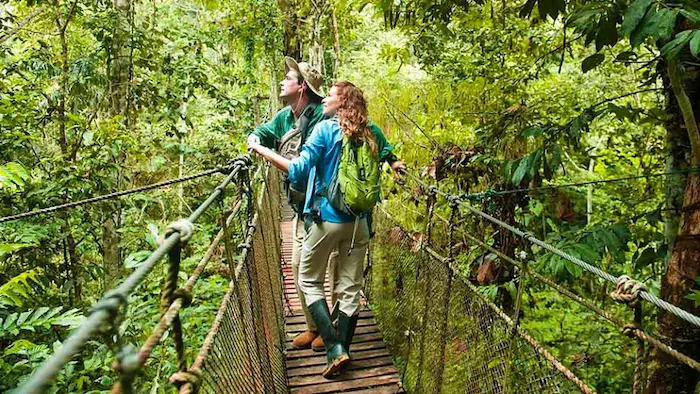
As tourism continues to grow, sustainability is becoming increasingly important for protecting Peru’s natural landscapes, cultural heritage, and local communities. With millions of travelers visiting the country each year, the way people explore destinations can have a lasting impact on the places they come to discover.
Sustainable tourism is not about avoiding travel altogether. It is about making more conscious choices that allow people to enjoy remarkable destinations while helping preserve them for the future. In Peru, this means respecting archaeological sites, protecting natural environments, supporting local communities, and understanding the cultural value of the places being visited.
Peru is home to extraordinary landscapes and culturally significant places, from the highlands of the Andes to the Amazon rainforest and historic cities such as Cusco. Many of these destinations are fragile and require responsible management to prevent tourism from damaging the environment or cultural heritage.
Travelers can contribute simply by following designated routes, respecting access restrictions, avoiding littering, and following the instructions provided by local authorities and guides.
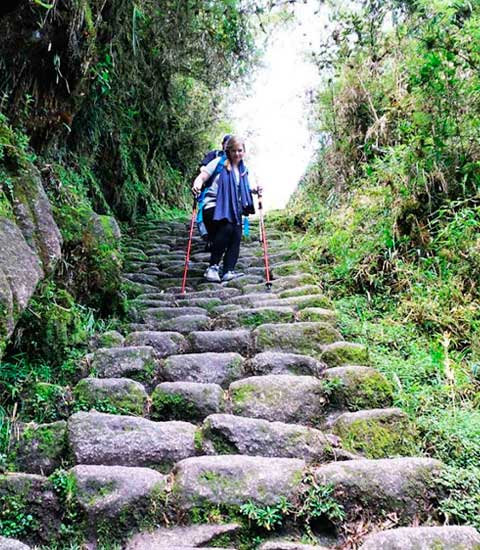
Machu Picchu is one of Peru’s most recognizable cultural landmarks and receives visitors from around the world. Its archaeological structures, surrounding mountains, and unique ecosystem make responsible visitation especially important.
Following established circuits and visiting rules helps control the impact of tourism while allowing future generations to experience this extraordinary site.
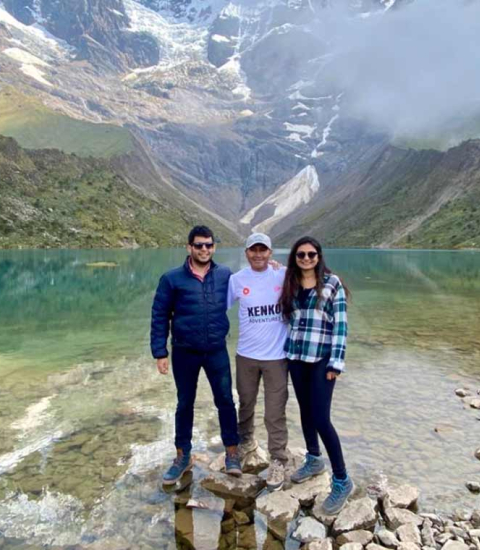
Sustainable tourism also means protecting the environments surrounding cultural attractions. Peru's mountains, lakes, forests, and valleys are home to diverse ecosystems that can be affected by waste, excessive foot traffic, and irresponsible behavior.
Respecting these environments allows travelers to enjoy them without compromising the natural characteristics that make them special.
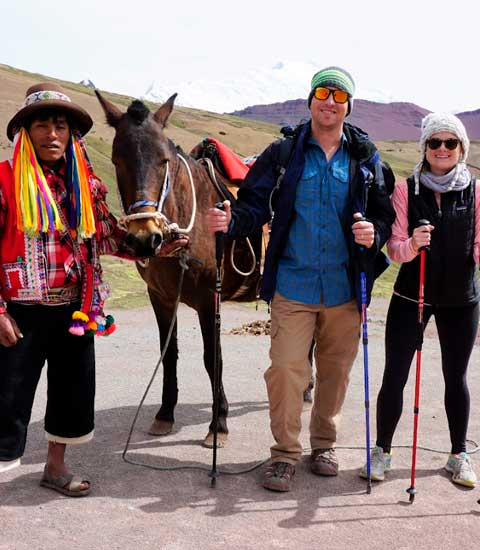
Community-based tourism gives travelers opportunities to interact directly with local communities and learn about their daily lives, traditions, and environment.
In the Andes, for example, visitors may encounter communities where agriculture, weaving, cooking, and traditional knowledge remain important parts of everyday life. Experiences like these allow travelers to see a side of Peru that cannot be captured by visiting landmarks alone.
Choosing locally made products is another simple way to support the communities visited during a trip. Handmade textiles, ceramics, artwork, and other crafts can provide income for local artisans while keeping traditional techniques in use.
Whenever possible, travelers can look for authentic products and learn about the people and traditions behind them.
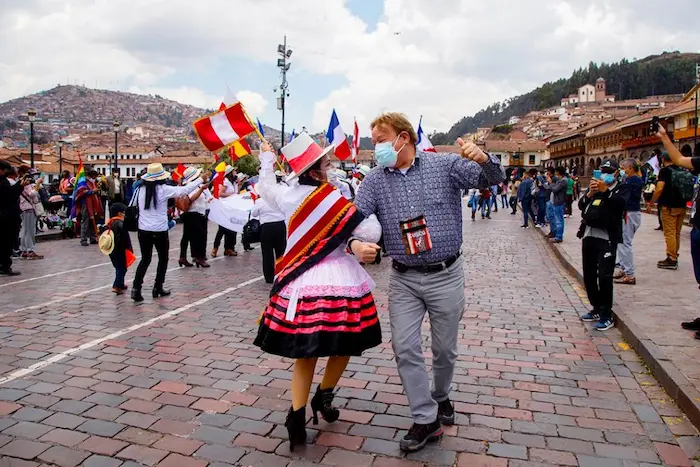
International Tourism Day is a great opportunity to experience Cusco through its history, traditions, food, and local culture. Rather than simply visiting the city's most famous attractions, travelers can use this date to discover some of the cultural experiences that make Cusco such a unique destination.
From walking through its historic streets and exploring local markets to learning about Andean traditions and trying regional dishes, there are many ways to experience the city from a more local perspective. September 27th can be a reminder that travel is not only about the places we see, but also about the people, traditions, and stories we encounter along the way.
For travelers visiting Cusco, celebrating this day can therefore be as simple as taking a little more time to understand the culture behind the destination and appreciating the heritage that continues to shape everyday life in the city.
Walking through Cusco's historic center is one of the easiest ways to experience the city's different layers of history. In a relatively small area, travelers can see Inca stonework, colonial architecture, historic churches, traditional balconies, and lively public spaces.
The streets around the Plaza de Armas are particularly interesting because modern Cusco continues to develop around structures that date back centuries.
A visit to a local market offers a glimpse into everyday life in Cusco. Travelers can discover native potatoes, different varieties of corn, quinoa, herbs, fruits, and other ingredients commonly used in Peruvian cuisine.
Markets are also places where visitors can see how traditional ingredients remain connected to contemporary life in the Andes.
International Tourism Day can also be a good occasion to learn about Cusco's traditional craftsmanship. Andean textiles are particularly well known for their intricate patterns, colors, and weaving techniques.
Visitors can explore artisan markets or workshops and learn how some techniques have been passed down through generations.
Food is an important part of understanding a destination. In Cusco, travelers can discover dishes and ingredients strongly connected to Andean culture, including potatoes, corn, quinoa, and native herbs.
Trying local cuisine allows visitors to experience another side of Peruvian culture and understand how geography and traditional agriculture have influenced what people eat.
Travelers visiting Cusco can also learn about the Andean worldview and its relationship with nature. The concept of Pachamama, or Mother Earth, remains an important cultural element in many Andean communities.
Understanding traditions related to agriculture, nature, and gratitude can give visitors a deeper perspective on the culture they encounter during their time in Cusco.
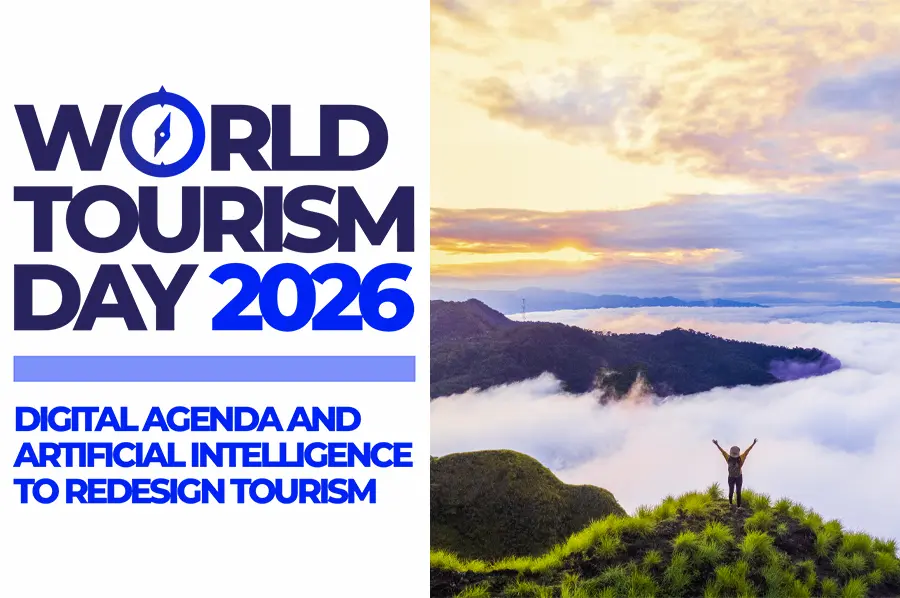
The theme of World Tourism Day 2026 is “Digital Agenda and Artificial Intelligence to Redesign Tourism.” The theme focuses on how digital technology and artificial intelligence are changing the way people discover destinations, plan trips, access information, and experience tourism.
For travelers, these changes are already becoming part of everyday travel. From using digital maps and translation tools to finding recommendations online and planning an itinerary with AI-powered platforms, technology can make exploring a new destination easier and more personalized.
At the same time, the theme raises an important question: how can technology improve tourism without replacing the human experiences, cultural connections, and local interactions that make travel meaningful?
Artificial intelligence can help travelers research destinations, compare options, organize itineraries, translate information, and find activities based on their interests.
This means that planning a trip can become more personalized, allowing visitors to discover experiences that match their travel style rather than following the same itinerary as everyone else.
Smartphones have become essential travel companions. Maps, translation applications, digital guides, online reservations, and travel platforms allow visitors to access useful information almost instantly.
For travelers exploring a destination like Cusco, these tools can make it easier to navigate the city, discover local experiences, and learn more about places they encounter along the way.
One interesting effect of digital tourism is the ability to discover destinations beyond the most famous attractions. Search platforms, social media, travel websites, and recommendation systems can introduce visitors to local businesses, neighborhoods, cultural experiences, and less-visited places.
This can help distribute tourism more widely instead of concentrating visitors only around the destinations that are already internationally famous.
Despite the rapid development of AI and digital tools, technology cannot replace the personal experiences that make travel memorable. Meeting local people, sharing a meal, learning a traditional craft, or listening to stories about a community are experiences that depend on genuine human interaction.