Image
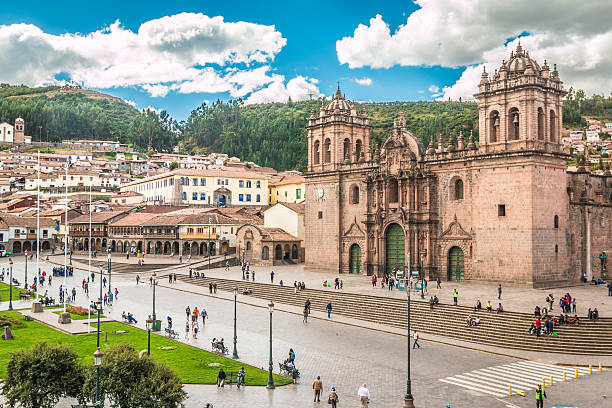
Walking through the cobblestone streets of Cusco feels like stepping directly into an open book where every stone has a story to tell. Massive volcanic boulders carved with incredible precision during the Inca Empire serve as foundations for Spanish colonial mansions, while colorful native textiles flutter in the mountain breeze under deep blue Andean skies. Most travelers arrive in this historic capital with their hearts set on Machu Picchu or the challenging hiking trails of the high cordillera, yet understanding the true spirit of this ancient sanctuary requires slowing down and appreciating the remarkable layers of human civilization gathered in its historic center.
Taking the time to discover the museums in Cusco is one of the most rewarding decisions any curious traveler can make. Rather than dusty rooms filled with disconnected objects, these curated spaces bring ancient Andean cosmovision to life through thousand-year-old weaving traditions, delicate ceremonial goldwork, everyday farming tools, and ancestral mummies once revered by imperial dynasties. For history lovers, exploring these collections transforms an ordinary vacation into a deeply meaningful cultural journey, providing the archaeological understanding needed to truly appreciate every mountain ruin and terrace you will see along the way.
Cusco boasts a surprising wealth of cultural centers and exhibition halls, but when your travel itinerary is limited, focusing on the spaces that house genuine archaeological treasures makes all the difference. The finest historical collections are conveniently clustered within easy walking distance of the central Plaza de Armas, making it simple to plan relaxed self-guided walking tours. While some casual visitors may simply wander into art galleries, travelers with a genuine passion for history need rich archaeological context, well-preserved artifacts, and thoughtful interpretive panels that connect stone architecture with the people who built them.
The four cornerstone institutions every history enthusiast should prioritize are the Museo Inka, the Museo Machu Picchu Casa Concha, the Museo de Arte Precolombino, and the legendary Qorikancha complex. Each institution approaches the Andean past from a distinctive and complementary perspective. While one reveals everyday imperial life and royal Inca lineages, others celebrate the artistic genius of older coastal civilizations or examine the dramatic collision between native culture and Spanish rule. Taking in these four sites guarantees a comprehensive and unforgettable overview of ancient Peruvian heritage.
Stepping off the plane at Alejandro Velasco Astete Airport immediately introduces your body to the reality of 3,400 meters above sea level. Experienced trekking guides and medical professionals always recommend dedicating your first forty-eight hours in the city to gentle rest and hydration, avoiding strenuous physical exertion while your respiratory and circulatory systems adjust to the thinner air. However, spending your first two days resting inside a hotel bedroom can feel frustrating when you are eager to experience the sights and sounds of the ancient Inca capital.
Touring historical museums on foot offers the ideal solution for active, safe altitude acclimatization. Walking at an easy pace through quiet galleries, climbing gentle colonial staircases, and pausing to admire fascinating displays allows your lungs to adapt smoothly without placing unnecessary stress on your heart. Because the primary museums are located just a few blocks from one another, you can effortlessly balance an hour of cultural discovery with a warm cup of coca tea at a nearby cafe, preparing your body and mind for upcoming high-altitude treks across the Andes.
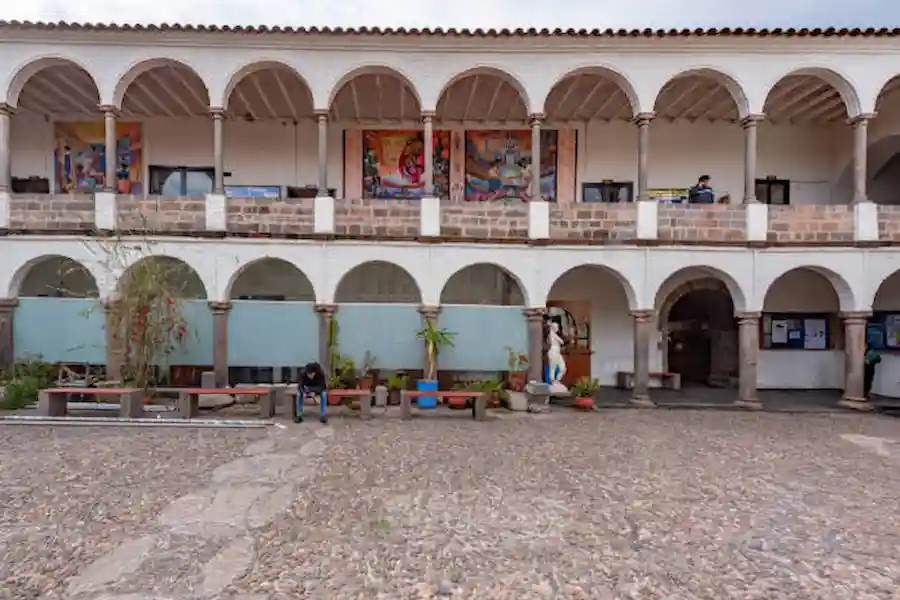
Perched just above the Plaza de Armas along the steep Cuesta del Almirante, the Museo Inka is widely regarded by archaeologists as the definitive museum for understanding imperial Inca society. Managed by the National University of San Antonio Abad del Cusco, the collection is housed inside the magnificent Admiral's Palace, an impressive seventeenth-century colonial estate constructed directly on top of the stone walls of an ancient palace belonging to Inca ruler Huáscar. Even before entering the exhibition rooms, the building itself showcases the fascinating architectural dialogue between native and Spanish stonework.
Inside, the galleries display the largest collection of authentic Inca artifacts anywhere in the world. Visitors can examine an extraordinary array of ceremonial wooden drinking vessels known as keros, painted with vibrant mineral pigments depicting battles, agriculture, and sacred mythology. The rooms also feature bronze tools, agricultural implements, delicate turquoise and spondylus shell jewelry, and detailed scale models illustrating Inca architectural mastery. Perhaps the most solemn section houses several remarkably preserved Andean mummies in woven funerary bundles, offering an intimate look at the sacred ancestral worship that guided imperial customs.
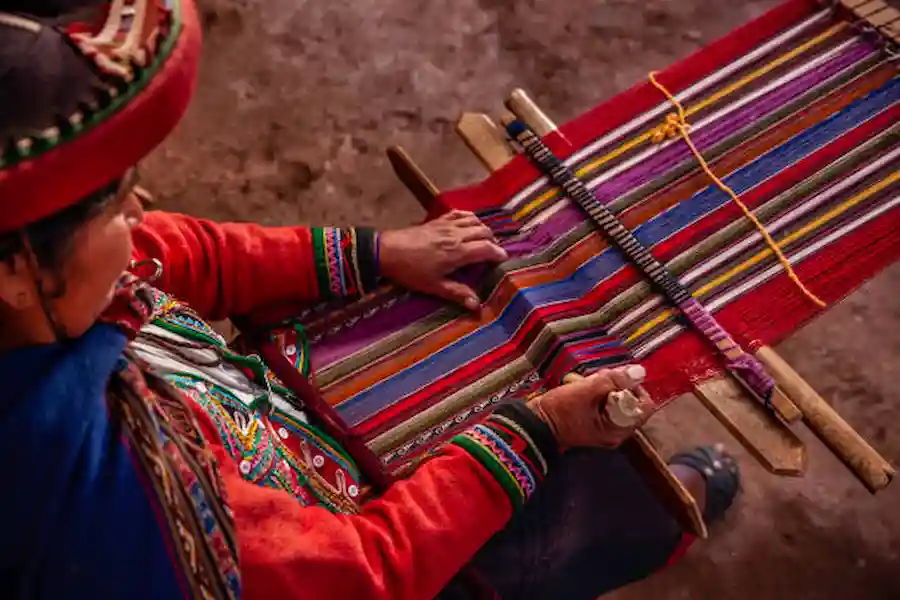
What makes this museum uniquely special is the living cultural heritage present within its sunlit interior courtyards. Skilled indigenous weavers from rural highland villages like Chinchero sit with backstrap looms, demonstrating ancestral spinning and weaving techniques passed down through countless generations. Watching their hands create complex geometric patterns identical to the antique textiles displayed inside the glass cases reminds travelers that Andean culture is not an extinct civilization preserved under glass, but a resilient and vibrant tradition flourishing throughout the surrounding mountains.
For anyone preparing to visit the iconic mountain citadel, spending a morning at the Museo Machu Picchu Casa Concha on Calle Santa Catalina Ancha is an essential prerequisite. This beautiful colonial residence holds over three hundred and sixty archaeological artifacts excavated from Machu Picchu by American explorer Hiram Bingham during his historic expeditions between 1911 and 1912. After remaining under the care of Yale University for nearly a full century, these precious cultural objects were finally returned to their rightful home in Cusco between 2011 and 2012.
The collection is particularly captivating because it demystifies daily life at the legendary stone citadel. Rather than focusing solely on monumental architecture, the exhibits highlight the intimate belongings of the nobles, priests, farmers, and artisans who actually inhabited the sanctuary. Travelers can study decorative ceramic plates, polished bronze tumis, cooking pots, sewing needles, and decorative shawl pins called tupus. Interactive multimedia presentations and meticulous scale models explain how the citadel was constructed, how water flowed through its stone channels, and what agricultural crops were grown on its narrow hillside terraces.
The museum also presents compelling osteological research examining human remains discovered in the burial caves surrounding the citadel. These skeletal studies provide fascinating details about the health, diet, physical activities, and diverse geographic origins of the people who served the royal estate of Pachacútec. Leaving Casa Concha with this contextual knowledge completely elevates your eventual arrival at Machu Picchu, turning mysterious stone walls and grassy plazas into familiar living spaces where real human stories once unfolded.
Located in the quiet, picturesque Plaza Las Nazarenas, the Museo de Arte Precolombino, commonly known as MAP, stands out as one of the most sophisticated and visually stunning museums in South America. Housed in a historic colonial mansion that once served as an Inca ceremonial school, the museum was created through an inspired partnership between the renowned Larco Museum in Lima and the BBVA Foundation. Its minimalist curation, dramatic interior lighting, and world-class design place ancient artifacts in a contemporary setting worthy of the finest modern art galleries.
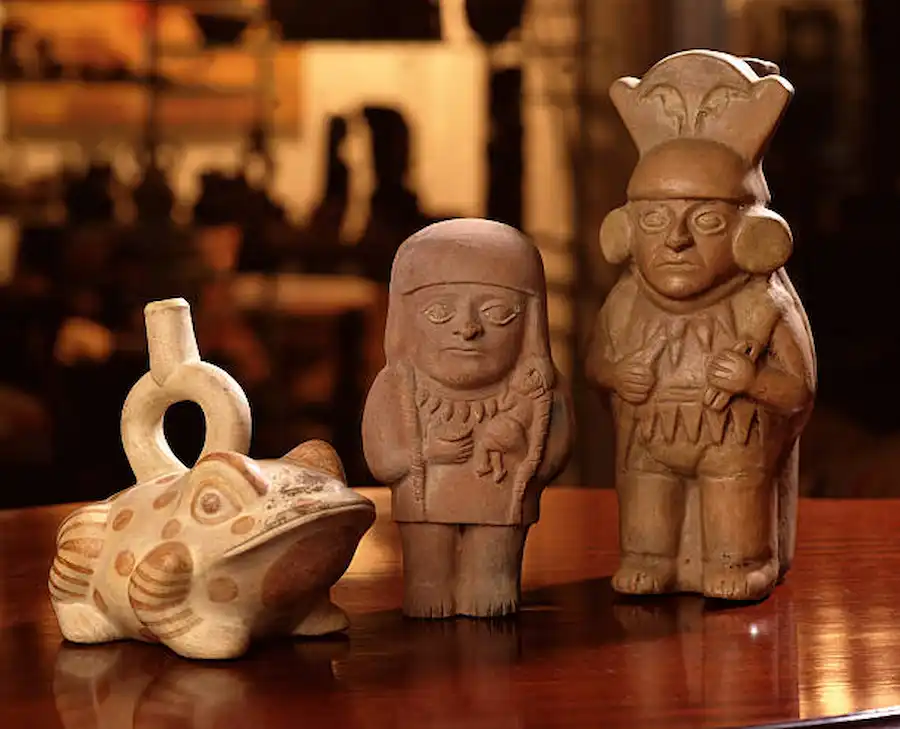
Unlike institutions that follow rigid chronological timelines, MAP organizes its galleries by medium and artistic expression, encouraging guests to appreciate pre-Columbian ceramics, jewelry, and woodcarvings as timeless masterpieces of universal art. The collection spans more than three thousand years of pre-Inca creativity, showcasing expressive portrait vessels from the coastal Moche culture, brilliantly colored mythological pottery from the Nazca people, and dazzling gold and silver body ornaments from the Chimú and Vicús civilizations. These works reveal that sophisticated artistic mastery flourished across coastal and highland Peru long before the Inca Empire expanded its territory.
Visiting the museum is exceptionally comfortable for international travelers, featuring detailed interpretive signage in clear English alongside optional audio guides that explore the spiritual symbolism behind each piece. The atmosphere throughout the galleries remains peaceful and intimate, allowing visitors to contemplate delicate jewelry and painted pottery without feeling rushed by large tour groups. After exploring the exhibitions, the tranquil interior courtyard offers a serene space to sit, reflect on ancient craftsmanship, and enjoy a quiet moment away from bustling city traffic.
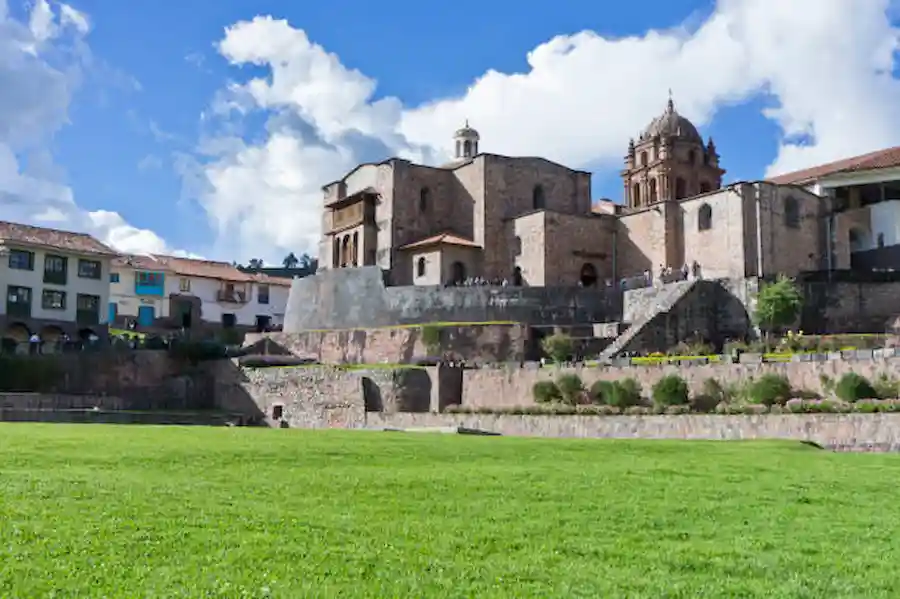
Few historical sites in the Americas possess the spiritual gravity and architectural wonder of Qorikancha, located along Avenida El Sol. During the zenith of the Tahuantinsuyo, this sacred compound was the religious, astronomical, and geographic navel of the entire empire, the Golden Enclosure dedicated to Inti, the Sun God. Historical chronicles record that its exterior stone walls were once completely covered in hundreds of sheets of hammered gold, which reflected the morning light so intensely that the temple shone across the valley like a second sun.
Following the Spanish conquest, Dominican friars constructed the Church and Convent of Santo Domingo directly over the polished foundations of the sun temple, creating an astonishing physical manifestation of cultural collision. Walking through the open-air archaeological corridors allows visitors to inspect the most refined masonry ever created by Inca stonemasons. Massive basalt blocks fit together with microscopic precision without a single drop of mortar, engineered with interlocking joints and slight inward angles that allowed them to withstand catastrophic earthquakes that leveled colonial brick walls twice over centuries.
Beneath the manicured gardens outside the convent lies the underground Qorikancha Site Museum, which provides valuable archaeological context for the ruins above. The subterranean displays showcase excavated ceremonial ceramics, textile fragments, musical instruments, and sacred offerings uncovered during archaeological digs. You will also find fascinating specimens of successful cranial trepanation, illustrating the remarkable surgical skill of ancient Andean healers. Exploring both the above-ground temple ruins and the underground museum offers deep insight into the ceque system, the sacred radial lines that connected Qorikancha to hundreds of shrines throughout the Andes.
Careful advance planning will help you save time, avoid unnecessary lines, and make the most of your cultural budget while navigating the city. Cusco utilizes a combination of comprehensive regional tourist passes and private individual admission tickets, so knowing which ticketing rules apply to each venue will keep your daily itinerary running smoothly from morning to afternoon.
The Boleto Turístico del Cusco, commonly known as the BTC, is the official visitor pass managed by the regional cultural committee. It includes admission to sixteen major historical and archaeological sites distributed between the city center and the Sacred Valley. For urban travelers, the full tourist ticket grants entry to several interesting locations, including the Regional Historical Museum inside the home of Inca Garcilaso de la Vega, the underground Qorikancha Site Museum, and the Contemporary Art Museum. If you plan to explore nearby ruins like Sacsayhuamán, Ollantaytambo, and Pisac, purchasing the full ten-day pass offers outstanding value.
However, many first-time travelers are surprised to learn that Cusco’s most celebrated archaeological museums are completely independent of the Boleto Turístico. Premier institutions such as the Museo Inka, the Museo Machu Picchu Casa Concha, and the Museo de Arte Precolombino require separate admission tickets purchased directly at their front entrance doors or official websites. Setting aside cash in Peruvian soles specifically for these independent entrance fees ensures you can explore the city’s richest collections without confusion or unexpected delays at the ticket counter.
Most guided group excursions and package tour buses schedule their city walks between ten in the morning and one in the afternoon, which can create brief congestion in smaller museum galleries. For travelers who prefer quiet contemplation, reading informative plaques in peace, and taking unobstructed photographs, the best strategy is arriving right when the doors open, typically between eight-thirty and nine in the morning. Early mornings are exceptionally peaceful, giving you the rare feeling of having ancient treasures all to yourself.
Another wonderful alternative is scheduling your visits for the late afternoon, between three-thirty and five o'clock. By this hour, most large tour groups have departed for afternoon excursions or returned to their accommodations to rest. Museums like Casa Concha and MAP feature warm interior courtyard lighting that creates a cozy and magical ambiance as twilight settles over the terracotta rooftops of Cusco. Visiting during quieter hours also gives you the opportunity to chat with knowledgeable local docents who often share fascinating historical details that do not appear in printed guidebooks.
Gaining an understanding of pre-Columbian architecture, sacred mountain deities, and traditional agricultural practices fundamentally transforms how you experience the vast Andean landscapes. When you have spent unhurried time observing carved wooden keros, ceremonial bronze knives, and delicate alpaca textiles in quiet city galleries, mountain hiking paths come alive with historical meaning. Every agricultural terrace along the Inca Trail, every stone watchtower overlooking the Urubamba River, and every high mountain pass on the Salkantay or Ausangate trek ceases to be just a scenic backdrop and becomes a living chapter in an epic human story.
At Kenko Adventures, we believe that responsible mountain exploration and deep cultural respect should always walk hand in hand. Arriving in the mountains with a genuine appreciation for the architectural brilliance and cultural values of ancient civilizations allows you to connect more profoundly with local guides and communities along your journey. Spending your initial acclimatization days touring the historic museums in Cusco is the ultimate foundation for an Andean adventure that will resonate in your memory for years to come.
Planning museum visits in Cusco often raises practical questions about timing, cultural context, and how these experiences fit into a broader trip through the Andes. The following answers can help travelers organize their visits more easily and make the most of the city’s historical collections before continuing to Machu Picchu or other destinations in the region.
Museo Inka and Museo Machu Picchu Casa Concha are two of the best options for travelers who want to understand Inca history before exploring archaeological sites around Cusco. Museo Inka provides a broad view of imperial society, traditions, tools, textiles, and ceremonial objects, while Casa Concha focuses more closely on Machu Picchu and the artifacts recovered from the site. Visiting both can give travelers a stronger historical foundation before seeing places such as Sacsayhuamán, the Sacred Valley, or Machu Picchu itself.
Yes. Visiting museums in Cusco before heading to Machu Picchu can help travelers better understand Inca architecture, religion, agriculture, daily life, and the historical role of the region. This background makes it easier to recognize the meaning behind terraces, temples, stonework, ceremonial spaces, and objects encountered later during the trip. For history lovers, spending time in a museum first can turn the visit to Machu Picchu into a more complete cultural experience rather than simply a sightseeing stop.
Museum visits can be a comfortable activity during the first days in Cusco because they allow travelers to explore the historic center at a slower pace while avoiding intense physical effort. Walking short distances between museums, taking regular breaks, staying hydrated, and spending time indoors can fit naturally into a gradual acclimatization routine. This can be especially useful for travelers planning longer hikes or trekking routes after arriving in the city.
Most travelers can spend between one and two hours at each museum, depending on the size of the collection and how much time they want to dedicate to reading exhibits, observing archaeological pieces, and exploring the galleries. History lovers may prefer to stay longer at places such as Museo Inka or Museo Machu Picchu Casa Concha, where the displays provide detailed context about Inca society and Machu Picchu. Planning enough time also helps avoid rushing from one attraction to another.
Visiting two or three museums in one day is usually a comfortable pace for travelers who want to enjoy the exhibitions without feeling rushed. Many of the main museums are located close to the historic center, so they can be combined with short walks through plazas, colonial streets, cafés, and nearby cultural sites. Travelers who prefer to read each display carefully may find it better to spread their visits over two days and enjoy the city at a more relaxed rhythm.
Early morning is usually one of the best times to visit museums in Cusco, especially for travelers who prefer quieter galleries and more time to explore the exhibitions without large groups. Late afternoon can also be a good option once many organized tours have moved on to other activities. Visiting during less crowded hours often creates a calmer experience and gives travelers more time to appreciate the collections, architecture, and historical details of each museum.