Image
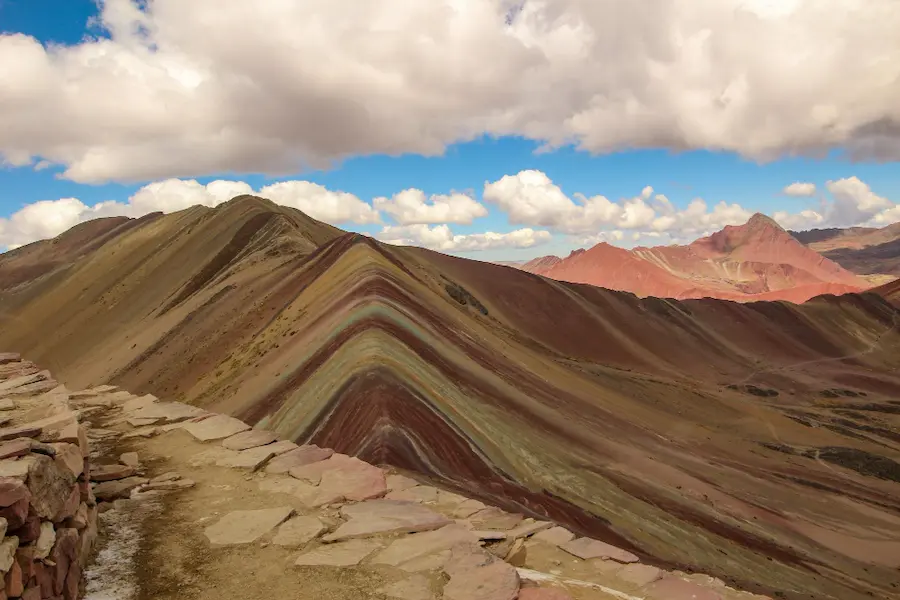
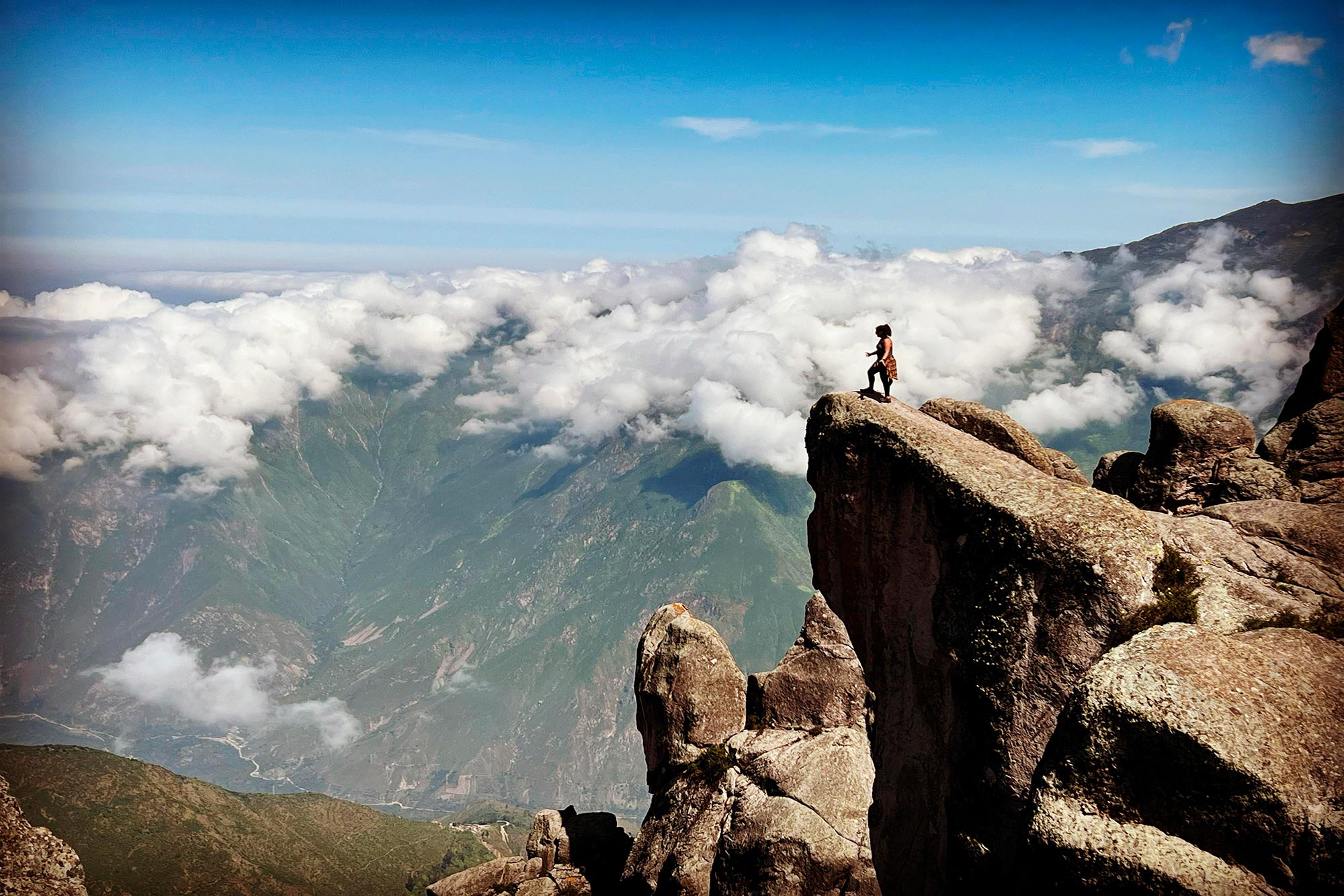
Peru Tourism and Attractions offer travelers an extraordinary combination of ancient civilizations, breathtaking landscapes, vibrant cities, and living cultural traditions. From the towering peaks of the Andes to the coastal deserts and lush Amazon rainforest, Peru is a destination where every region reveals a different side of the country. Visitors can explore centuries-old archaeological sites, taste traditional dishes, discover colorful local markets, and experience the hospitality of communities that continue to preserve their heritage.
For travelers planning their first trip to South America, Peru offers much more than its famous landmarks. The country’s geographical diversity makes it possible to experience coastal scenery, mountain adventures, and tropical environments within a single vacation. Historic cities such as Cusco and Arequipa provide opportunities to understand Peru's cultural identity, while destinations like Paracas, Lake Titicaca, and the Amazon introduce visitors to remarkable natural landscapes.
Choosing which places to visit depends on personal interests, available travel time, and the type of experience each traveler hopes to enjoy. Some visitors prefer exploring archaeological treasures and learning about Inca history, while others are drawn to outdoor adventures, local gastronomy, or meaningful interactions with traditional communities. Understanding the main attractions throughout Peru helps travelers create a balanced itinerary that combines popular destinations with lesser-known experiences.
Peru stands out for the remarkable contrast between its landscapes, historical heritage, and cultural diversity. Few destinations offer the opportunity to visit ancient archaeological complexes, hike through high-altitude mountain valleys, explore tropical forests, and enjoy Pacific Ocean views during the same journey. This variety makes Peru appealing to travelers with very different interests, from history enthusiasts to adventure seekers and culinary explorers.
The country is also home to numerous internationally recognized heritage sites. Its archaeological remains, colonial architecture, and protected natural areas illustrate the different civilizations and environments that have shaped Peru over thousands of years. UNESCO recognizes sites such as Machu Picchu, the historic centers of Lima and Arequipa, the Nazca Lines, and Manu National Park for their exceptional cultural or natural significance.
One of Peru's most distinctive characteristics is the connection between its historical monuments and the traditions practiced by communities today. Ancient agricultural terraces, stone pathways, and ceremonial sites remain visible throughout the Andes, while traditional weaving, music, farming, and regional celebrations continue to play an important role in daily life.
Travelers visiting highland communities may encounter local markets filled with handmade textiles, agricultural products, and traditional foods. These experiences provide a broader understanding of Peru beyond its archaeological sites, allowing visitors to appreciate the people and customs that give each region its identity.
Peru is commonly divided into three major geographical regions: the coast, the Andes, and the Amazon rainforest. Each offers different attractions, climates, and travel experiences.
| Region | Main characteristics | Experiences travelers can enjoy |
| Pacific Coast | Desert landscapes, beaches, coastal cities | Gastronomy, wildlife observation, archaeological sites |
| Andean Highlands | Mountains, valleys, traditional communities | Hiking, cultural heritage, historic towns |
| Amazon Rainforest | Tropical forests, rivers, exceptional biodiversity | Wildlife watching, boat excursions, nature walks |
These differences are important when creating a travel itinerary. Visitors who want to explore multiple regions should consider transportation times, changes in elevation, and seasonal weather conditions rather than trying to fit too many destinations into a short visit.
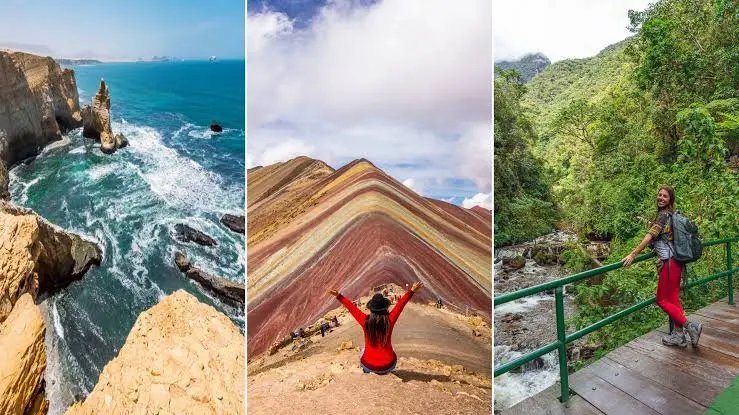
Peru's most famous attractions provide an introduction to its history, natural beauty, and cultural heritage. Although Machu Picchu often receives the greatest international attention, several other destinations deserve a place on a well-planned itinerary. Historic cities, archaeological complexes, desert landscapes, and highland lakes reveal how varied a journey through Peru can be.
First-time visitors should choose attractions based on their travel priorities rather than simply following a list of popular places. Combining a few major landmarks with time for local exploration often creates a more enjoyable experience than moving between destinations every day.
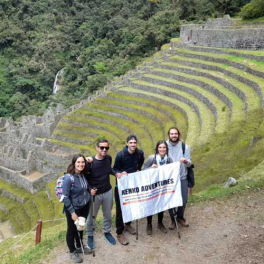
Machu Picchu is one of Peru's most recognizable landmarks and an important example of Inca architecture. Surrounded by mountains and cloud forest, the archaeological site features stone terraces, ceremonial areas, and carefully constructed buildings that demonstrate the engineering knowledge of the Inca civilization.
Visiting Machu Picchu is particularly rewarding for travelers interested in archaeology, history, and mountain scenery. Its location in the Andes creates an impressive natural setting, while the surviving structures offer insight into the organization and beliefs of the Inca people. Visitors should plan their entrance tickets and permitted visiting routes in advance, especially during periods of high demand.
Cusco was once the capital of the Inca Empire and remains one of the country's most important cultural destinations. Its historic streets combine Inca stone foundations with colonial buildings, churches, and traditional neighborhoods. Walking through the city gives travelers a chance to appreciate the architectural and cultural layers that define its identity.
Nearby, the Sacred Valley offers a different atmosphere, with agricultural landscapes, traditional towns, and archaeological attractions. Places such as Pisac, Ollantaytambo, and Chinchero introduce visitors to local markets, Inca engineering, and Andean traditions. Spending time in the valley can also help travelers understand the region's history beyond the more familiar sites of Cusco and Machu Picchu.
Located high in the Andes on the border between Peru and Bolivia, Lake Titicaca is known for its expansive blue waters, island communities, and traditional ways of life. From the Peruvian city of Puno, travelers can visit islands where local residents maintain customs related to weaving, agriculture, and community organization.
The Uros floating islands and Taquile Island are among the most recognizable attractions in the region. Visitors interested in cultural tourism may appreciate opportunities to learn about traditional textile techniques, regional foods, and the relationship between communities and the lake. Because of the high elevation, it is advisable to allow sufficient time to adjust before participating in demanding activities.
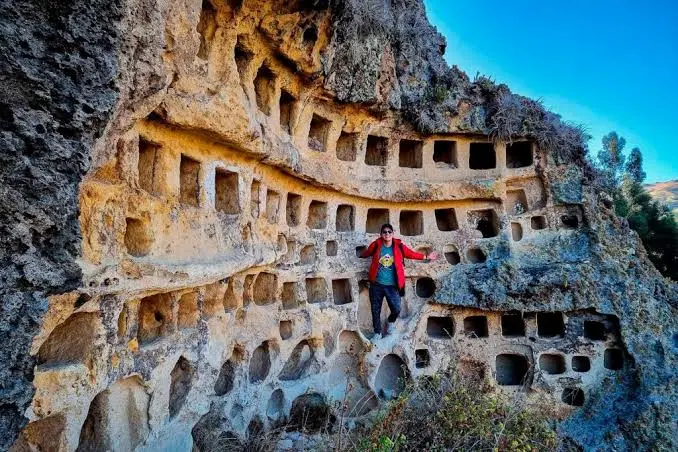
While Peru is internationally associated with Inca history, its natural attractions are equally remarkable. The country's geography includes towering mountains, deep canyons, protected coastal areas, desert dunes, and tropical rainforest ecosystems. These environments provide opportunities for wildlife observation, photography, hiking, and other outdoor activities.
Nature-focused travelers can find destinations suited to different levels of experience. Some attractions are accessible through short excursions, while others require longer journeys and advance planning. Choosing the right combination depends on personal interests, physical condition, and the time available.
Colca Canyon is one of the most impressive natural attractions in southern Peru. Its dramatic valley landscapes, agricultural terraces, and traditional villages make it a popular destination for travelers visiting Arequipa. The region offers opportunities to appreciate the scale of the Andes while learning about rural life in surrounding communities.
A major highlight is the possibility of observing Andean condors flying above the canyon. Viewpoints such as Cruz del Cóndor are known for providing opportunities to see these large birds taking advantage of rising air currents. Wildlife sightings depend on natural conditions, so travelers should approach the experience with realistic expectations.
Paracas National Reserve showcases the contrast between the Peruvian desert and the Pacific Ocean. Its coastal scenery includes rugged cliffs, sandy beaches, and striking geological formations. The reserve is an appealing destination for travelers who enjoy scenic photography and discovering the country's coastal ecosystems.
The nearby Ballestas Islands are also known for marine wildlife, including sea lions and seabirds. Boat excursions allow visitors to observe animals in their natural environment while viewing the distinctive coastal formations. Together, Paracas and the surrounding attractions offer a different perspective on Peru's natural diversity.
The Peruvian Amazon covers a vast area of tropical rainforest and supports an extraordinary variety of wildlife. Destinations such as Puerto Maldonado and Iquitos serve as gateways to forest environments where visitors can experience rivers, tropical vegetation, and the sounds of wildlife away from urban areas.
Guided rainforest excursions may include canoe trips, nature walks, birdwatching, and visits to conservation areas. Depending on the destination, travelers may encounter monkeys, colorful birds, reptiles, and other native species. Areas such as Tambopata and Manu are particularly important for biodiversity, making responsible tourism practices essential for protecting their ecosystems.
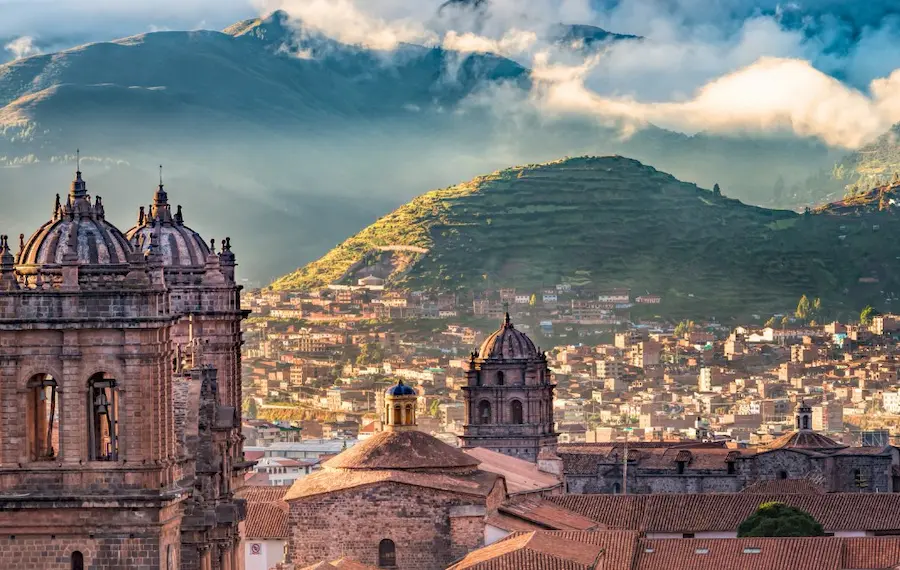
Peru's historical attractions extend far beyond the Inca period. Different civilizations developed sophisticated settlements, ceremonial centers, agricultural systems, and artistic traditions long before European colonization. Exploring these places helps visitors understand the country's history as a series of interconnected cultures rather than a single ancient empire.
Many of these attractions are located near cities that also offer museums, markets, and traditional neighborhoods. Combining archaeological visits with local cultural experiences allows travelers to see how the past continues to influence contemporary Peruvian life.
Peru's capital offers an introduction to the country's colonial history and contemporary urban culture. The Historic Centre of Lima features important architectural landmarks, including churches, plazas, and historic buildings that reflect the city's role during the colonial period.
Beyond its historic center, Lima is also known for museums, coastal neighborhoods, and a dynamic food scene. Districts such as Miraflores and Barranco offer contrasting experiences, from oceanfront walks to art galleries and lively streets. Travelers arriving in Peru may find that spending time in Lima provides a useful introduction before continuing to the Andes or other regions.
Known as the White City, Arequipa is celebrated for its distinctive architecture built with light-colored volcanic stone known as sillar. Its historic center combines elegant buildings, traditional courtyards, and impressive churches, creating one of Peru's most recognizable urban landscapes.
The city is surrounded by dramatic volcanic scenery, including views of El Misti. Visitors can explore historic neighborhoods, traditional markets, and regional culinary specialties while using Arequipa as a starting point for excursions into the surrounding countryside. Its historic center is also recognized as a UNESCO World Heritage Site.
The Nazca Lines are among Peru's most intriguing archaeological attractions. These enormous geoglyphs, created in the desert landscape, depict animals, geometric figures, and other forms that continue to attract researchers and travelers interested in ancient cultures.
Many visitors choose scenic flights to appreciate the figures from above, although flight availability and visibility can vary with weather conditions. The surrounding region also contains archaeological remains that provide additional context about the societies that inhabited this part of Peru. The Nazca Lines and the geoglyphs of nearby Palpa form part of Peru's UNESCO-listed heritage.
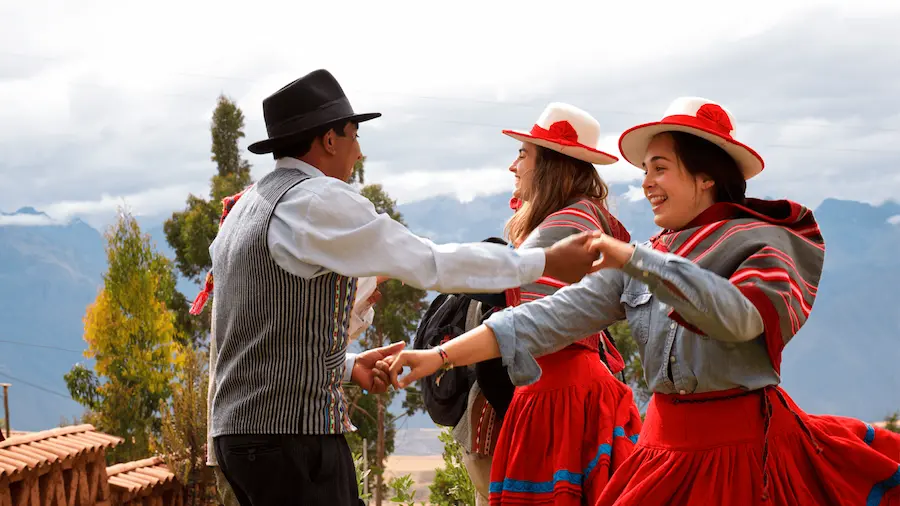
Peru's cultural attractions are not limited to monuments and museums. Local cuisine, traditional celebrations, handicrafts, and community activities offer opportunities to experience the country through the people who live there. For many travelers, these moments become some of the most memorable parts of their journey.
Cultural tourism is especially meaningful when visitors take time to understand the origins of local traditions and approach communities respectfully. Rather than treating customs as performances, travelers can benefit from learning how they are connected to family life, agriculture, spirituality, and regional history.
Peruvian gastronomy reflects the country's geographical diversity and long history of cultural exchange. Coastal dishes such as ceviche highlight fresh seafood and citrus flavors, while Andean cooking often includes potatoes, corn, grains, and slow-cooked meats. Amazonian cuisine introduces regional ingredients and cooking traditions that differ considerably from those found in Peru's larger cities.
Travelers may encounter traditional dishes such as lomo saltado, ajà de gallina, pachamanca, and causa limeña. Exploring local markets, tasting regional specialties, and participating in cooking activities can provide a deeper understanding of Peruvian culture. Food experiences are also an excellent way to connect with the history and everyday practices of different communities.
Traditional textile production remains an important cultural practice in many Andean communities. Artisans use techniques passed down through generations to create garments, blankets, and decorative pieces featuring colors and patterns associated with regional identities. Natural fibers and traditional weaving methods are central to many of these practices.
Markets and artisan workshops provide opportunities to observe craftsmanship and purchase locally produced items. Travelers interested in handmade textiles should consider visiting communities and cooperatives where products are created and sold directly by artisans. Respectful interactions and fair purchases help support the continuation of traditional skills.
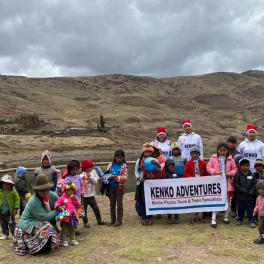
Community-based tourism offers a way to learn about everyday life in Peru's rural regions. Depending on the program, visitors may participate in agricultural activities, traditional cooking, craft workshops, or guided walks accompanied by local hosts. These experiences encourage cultural exchange while creating opportunities for communities to benefit directly from tourism.
Travelers who choose these activities should look for experiences developed with the participation and consent of local residents. Respecting cultural practices, asking permission before photographing people, and following community guidelines contribute to more meaningful visits. Peru's official tourism promotion also highlights living traditions and experiential travel as important parts of the country's tourism offering.
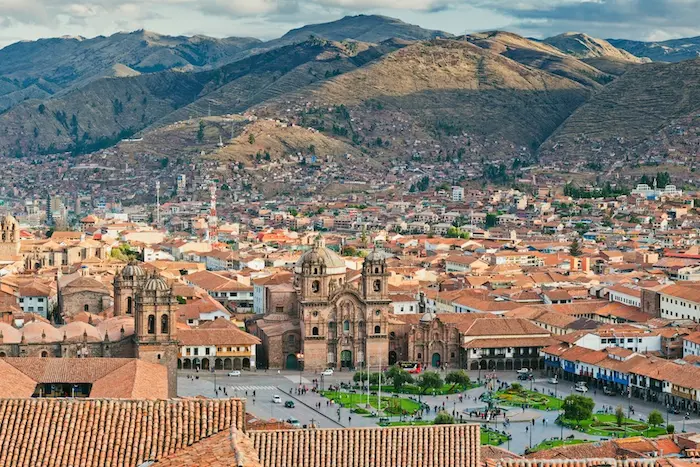
With so many attractions spread across different regions, planning a trip to Peru involves more than selecting famous destinations. Travel distances, altitude, climate, transportation options, and personal interests all influence how enjoyable an itinerary will be.
A practical approach is to organize destinations by geographical area and choose a manageable number of places. Travelers should allow enough time to explore each location instead of spending most of their vacation moving between airports, bus terminals, and hotels.
The most rewarding itinerary is not necessarily the one that includes the greatest number of attractions. Visitors interested in history may prefer to spend additional time exploring archaeological sites and museums, while nature lovers may prioritize the Amazon, the Andean mountains, or the coast.
| Travel interest | Destinations to consider | Main appeal |
| History and archaeology | Cusco, Machu Picchu, Nazca | Ancient civilizations and heritage |
| Nature and wildlife | Paracas, Amazon, Colca Canyon | Diverse ecosystems and wildlife |
| Food and urban culture | Lima, Arequipa | Gastronomy, architecture, city life |
| Cultural experiences | Sacred Valley, Lake Titicaca | Community traditions and crafts |
| Outdoor adventure | Huaraz, Colca Canyon, Andes | Hiking and mountain scenery |
Peru's contrasting geographical regions also mean that climate and elevation can change significantly between destinations. Coastal cities, highland towns, and rainforest areas experience different weather patterns, even during the same month. Travelers should research conditions for each location rather than relying on a single national weather forecast.
Altitude is another important consideration. Cities such as Cusco and Puno are situated at elevations where some visitors may experience altitude-related symptoms. Allowing time to acclimatize, avoiding demanding activities immediately after arrival, and seeking appropriate medical guidance when needed can help travelers prepare more comfortably.
Including iconic attractions can be an important part of a first visit to Peru, but less-frequented destinations often provide equally memorable experiences. Smaller towns, local markets, natural viewpoints, and regional museums can add variety to an itinerary while offering a different perspective on the country's heritage.
For example, a journey centered on Cusco might include additional time in the Sacred Valley, while a trip through southern Peru could combine Arequipa with surrounding villages and landscapes. Travelers who remain flexible may discover experiences that would be overlooked in a tightly scheduled vacation.
The best time to visit Peru depends largely on the regions included in the itinerary. The Andean highlands generally experience a drier season from approximately May through September and a wetter season during much of the remaining year. Coastal areas and the Amazon have different seasonal patterns, making it important to consider the specific destinations being visited.
Travelers planning mountain hikes often prefer periods with a lower chance of sustained rainfall, while visitors interested in cities, cultural activities, or gastronomy may have greater flexibility. Tourism demand, accommodation availability, and transportation schedules can also influence the most convenient travel dates.
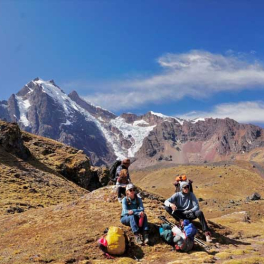
The Andean dry season is often attractive to travelers planning outdoor activities and visits to archaeological attractions. Clearer conditions can provide favorable opportunities for mountain photography and hiking, although temperatures may be cold, especially at night and at higher elevations.
This period also overlaps with popular travel months, so accommodation, transportation, and entry tickets may require earlier planning. Even during the dry season, mountain weather can change quickly, making layered clothing and appropriate outdoor equipment useful.
The wetter months often bring greener highland scenery and changing landscape colors. Travelers willing to accommodate occasional rain may enjoy exploring historic cities, cultural attractions, and traditional communities during this period.
However, rain can affect trail conditions, transportation, and access to some outdoor sites. Visitors should check regional forecasts, seasonal operating schedules, and official access information before confirming activities that depend heavily on weather.
A successful trip to Peru combines careful preparation with enough flexibility to enjoy unexpected discoveries. Transportation connections, entrance reservations, local customs, and regional travel conditions all deserve attention when creating an itinerary.
Planning ahead is especially important for travelers visiting several regions. Reserving popular attractions, understanding transportation options, and allowing realistic travel times can reduce unnecessary stress and create more opportunities to appreciate each destination.
The ideal length of a Peru vacation depends on the number of regions travelers want to explore. A shorter trip can focus on one or two destinations, while longer vacations provide more flexibility for including coastal cities, Andean attractions, and rainforest experiences.
Travelers should review passport and entry requirements based on their nationality, confirm accommodation and transportation details, and check whether important attractions require advance reservations. Keeping digital copies of essential travel documents can also make travel logistics easier.
Packing should reflect the regions being visited. Comfortable walking shoes, sun protection, reusable water bottles, lightweight layers, and rain protection are useful for many itineraries. Visitors traveling between the coast and highlands should be prepared for noticeable temperature changes, while rainforest trips may require additional clothing suitable for humid conditions.
Machu Picchu, Cusco, the Sacred Valley, Lake Titicaca, the Nazca Lines, Colca Canyon, and Lima's historic center are among Peru's best-known attractions. Each offers a different combination of history, culture, or natural scenery.
Yes. Peru offers established tourism destinations, a wide range of accommodations, and different transportation options. First-time travelers should plan their routes carefully, check current travel information, and allow sufficient time between destinations.
Absolutely. Peru has many other destinations worth exploring, including Arequipa, Paracas, the Amazon rainforest, Lake Titicaca, and numerous archaeological sites. Travelers can build an entire itinerary around nature, gastronomy, history, or cultural experiences.
For a trip of approximately one week, focusing on one or two regions is usually more practical. Travelers with two weeks or longer may be able to include additional destinations, depending on transportation times and their preferred travel pace.
Peru combines significant archaeological heritage, exceptional geographical diversity, distinctive regional cuisine, and living cultural traditions. Its coastal, highland, and Amazonian environments allow travelers to experience different landscapes and communities within one country.