Image
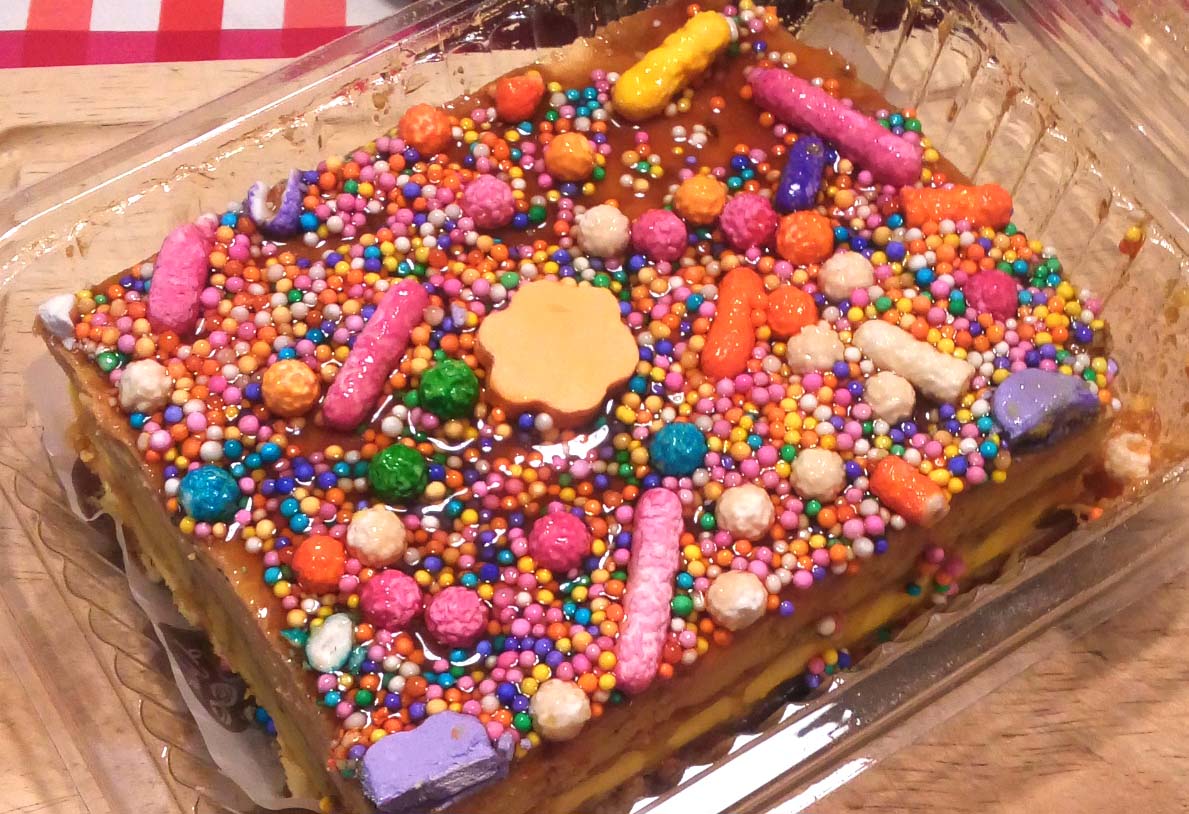
Peruvian Turron is one of those traditional sweets that immediately brings a particular time of year to mind. In Peru, October is closely associated with its colorful layers, sweet syrup, and unmistakable aroma of spices. You can find it in bakeries, markets, supermarkets, and family homes, where it becomes part of a tradition that many Peruvians look forward to every year.
At first glance, turron may seem like a simple dessert. It is made with layers of baked dough, covered with a sweet syrup and finished with colorful sprinkles. But behind those ingredients is a story connected to Peruvian culture, Lima, religious traditions, and generations of families who have continued enjoying it over the years.
For travelers, food is often one of the easiest ways to get closer to a country's culture. Trying a traditional dessert can reveal something about the customs and memories that are part of everyday life. And when it comes to Peru, turron has a particularly interesting place in that story.
So, what exactly is turron, where does it come from, and why does it become so popular every October? Let's take a closer look at the sweet tradition behind one of Peru's most recognizable desserts.
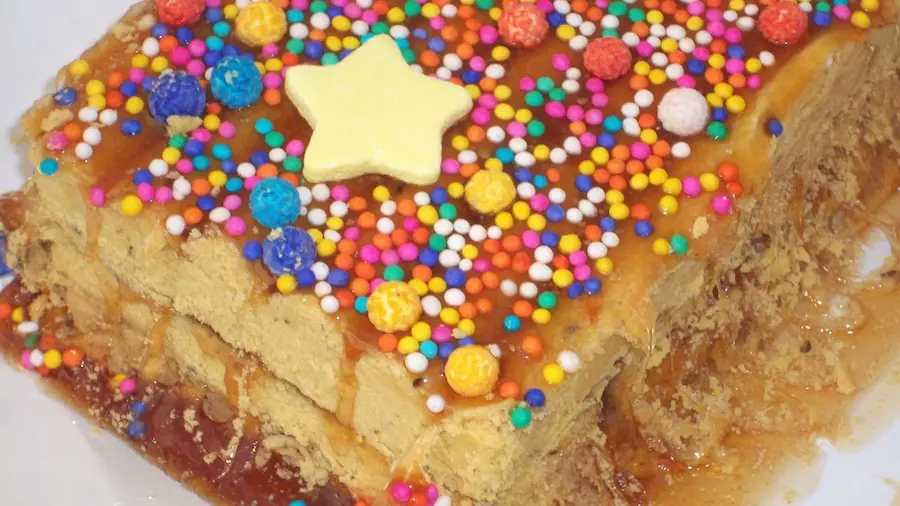
Turron is a traditional sweet made with layers of baked dough, a sweet syrup, and colorful sprinkles. While different countries have their own desserts called turron, the Peruvian version has a very distinctive preparation and appearance.
Unlike the hard, nut-based turrons commonly associated with Spain, Peruvian turron is soft, layered, and generously covered with syrup. The result is a rich dessert with a combination of textures and flavors that makes it easy to recognize.
The base of the dessert consists of baked pieces of dough that are arranged one on top of another. Between these layers, a sweet syrup is added to hold everything together and give the dessert its characteristic flavor.
The number of layers can vary depending on the recipe or bakery. Some versions are relatively compact, while others are taller and contain a generous amount of syrup.
One of the first things you notice about turron is its decoration. Colorful sprinkles are usually placed over the top, giving the dessert a festive appearance.
This colorful finish is not simply decorative. It has become part of the visual identity of Peruvian turron, making it instantly recognizable when displayed in a bakery or market.
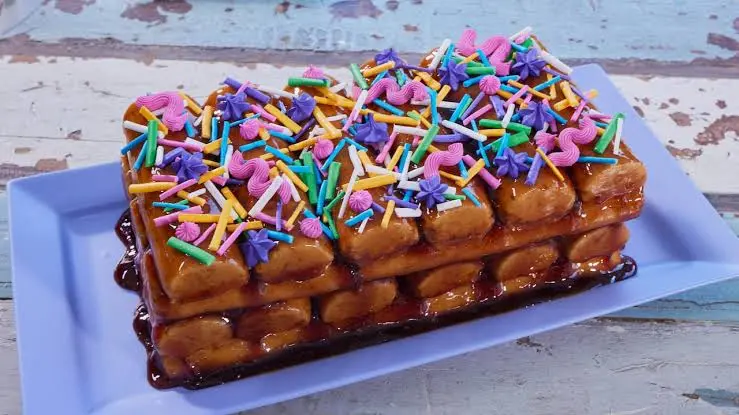
The history of Peruvian turron is closely connected with Lima and the religious traditions surrounding the Lord of Miracles. The dessert is traditionally associated with October, when thousands of people participate in celebrations and processions dedicated to this important Peruvian religious tradition.
One of the most popular stories about the origins of turron centers on Josefa Marmanillo, commonly known as Doña Pepa.
According to the traditional account, she prepared the dessert as an expression of gratitude after receiving a favor attributed to the Lord of Miracles. Over time, this story became an important part of the cultural narrative surrounding the sweet.
The story has been passed from generation to generation and remains closely associated with the dessert today.
Regardless of how each family interprets its history, turron has become part of Peru's culinary traditions. Parents introduce it to their children, families share it during October, and bakeries continue preparing their own versions.
That continuity is one of the reasons the dessert remains relevant today. It is not simply something people eat; for many Peruvians, it is connected with memories of childhood, family, and a particular season of the year.
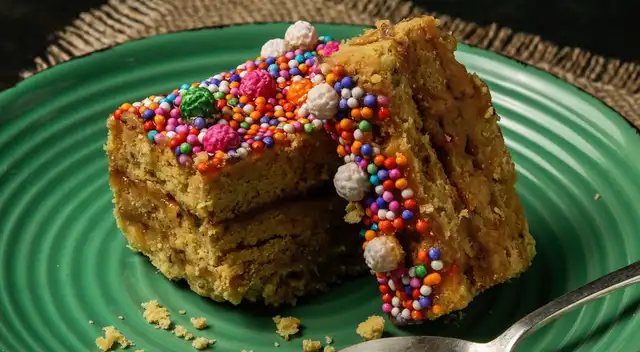
October has a special place in the Peruvian cultural calendar because of the celebrations surrounding the Lord of Miracles. This is also when turron becomes particularly visible throughout the country.
The Lord of Miracles is one of Peru's most important religious traditions, with especially strong roots in Lima. During October, religious processions and related celebrations take place, bringing together large numbers of people.
Over time, turron became closely connected with this period, turning it into one of the foods most associated with October in Peru.
Walk into a Peruvian bakery during October and you are likely to see turron prominently displayed. Supermarkets and other food businesses also increase their availability during this period.
For many people, this seasonal appearance is part of the experience itself. The beginning of October often means that turron season has arrived.
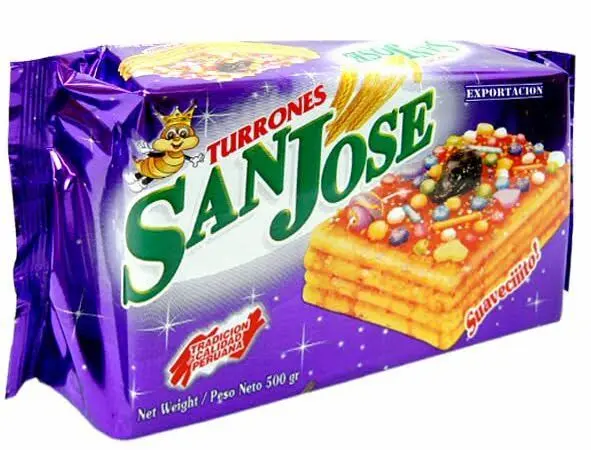
If you want to try Peruvian turron in its most traditional form, several local brands have become closely associated with this beloved sweet. Some have been making turron for generations, while others are known for preserving classic recipes and the flavors that Peruvians look forward to every October. Here are some of the traditional brands worth knowing.
One of the names most closely associated with Peruvian turron is Turrones Doña Pepa. The brand is known for its traditional style, featuring layers of baked dough, sweet syrup, and colorful sprinkles.
Its name also reflects the famous story of Doña Pepa, the woman traditionally linked to the origins of this Peruvian dessert.
Turrones Calderón is another traditional name associated with Peruvian turron. The brand has maintained a classic approach to this seasonal dessert, making it a familiar choice for those looking for traditional flavors during October.
Its turrones follow the characteristic layered style that distinguishes the Peruvian version from other types of turron found around the world.
Turrones San José is recognized for its traditional Peruvian turron and its presence during the October season. Its products follow the familiar combination of baked dough, sweet syrup, and colorful decoration.
For many consumers, traditional brands like this are part of the annual ritual of enjoying turron during the month of the Lord of Miracles.
Turrones Joel is another Peruvian brand associated with this traditional sweet. Its turron follows the classic format that has made the dessert such a recognizable part of Peruvian food culture.
Trying different brands can also be a fun way to notice subtle differences in sweetness, texture, syrup, and decoration while enjoying the same traditional dessert.
Although recipes can differ, the basic process involves preparing the dough, baking it, making the syrup, and assembling everything into layers.
The dough is prepared using ingredients that can include flour, butter or shortening, eggs, and flavoring ingredients. Depending on the recipe, the proportions and preparation methods can vary.
The goal is to create a dough that can be baked into firm but tender pieces capable of holding the syrup and maintaining the structure of the dessert.
The syrup is one of the most important components of turron. It provides sweetness while also helping the layers stick together.
Traditional recipes may use chancaca or sugar along with ingredients such as cinnamon, cloves, fruit, and other aromatic elements. These ingredients give the syrup its characteristic depth and fragrance.
Once the dough has been baked, the dessert is assembled layer by layer. A piece of dough is placed at the base, followed by syrup, and the process is repeated.
The final result is a compact dessert made up of multiple layers, with syrup running between them.
The last step is usually the most colorful. The top is covered with additional syrup and decorated with sprinkles in different shapes and colors.
This is what gives the finished dessert its familiar festive appearance.
The flavor of turron comes from the combination of its sweet syrup, baked dough, and spices. It is a rich dessert, so even a small piece can be quite satisfying.
The syrup provides most of the sweetness, while ingredients such as cinnamon and cloves can add warm, aromatic notes.
Depending on the recipe, fruit or other ingredients may contribute additional flavors to the syrup.
Texture is another important part of the experience. The baked dough gives the dessert structure, while the syrup adds moisture and softness between the layers.
This combination makes Peruvian turron different from many other traditional sweets that travelers might encounter in Peru.
The word "turron" can refer to very different desserts depending on the country. This is especially noticeable when comparing Peruvian and Spanish versions.
Spanish turron is traditionally associated with ingredients such as almonds, honey, sugar, and egg white. It can be soft or firm and is particularly associated with Christmas traditions.
Its preparation and texture are quite different from those of the Peruvian version.
Peruvian turron is based on layers of baked dough and syrup. It is generally softer and more colorful, with sprinkles used as part of its traditional decoration.
Its strongest seasonal association is also different, as it is particularly connected with October and the Lord of Miracles.
Although they share the name "turron," the two desserts have developed their own identities.
This is a good example of how culinary traditions can travel across countries and evolve into something different, incorporating local ingredients, customs, and cultural meanings.
Turron can be found in many parts of Peru, but its presence is especially noticeable in Lima during October.
Local bakeries often prepare their own versions, with differences in texture, sweetness, syrup, and decoration.
For visitors, trying turron from a traditional bakery can be a simple way to experience a part of Peruvian food culture that is strongly connected with the local calendar.
During October, turron can also be found in markets and supermarkets. Some businesses sell large portions designed to be shared, while others offer smaller individual servings.
This makes the dessert easy to encounter even if you are simply exploring the city and trying different Peruvian foods.
Peruvian cuisine is known internationally for its variety, but some of its most interesting traditions can be found in everyday foods that have strong cultural connections.
Traditional foods often tell stories about where people come from, what they celebrate, and how customs are passed between generations.
Turron is a good example because its popularity cannot be separated completely from the traditions and celebrations that surround it.
Although October is its most important season, the cultural significance of turron goes beyond those few weeks.
It represents a connection between food, family, history, and tradition. For Peruvians who grew up eating it, the dessert can bring back memories that have little to do with its ingredients and everything to do with the people and moments associated with it.
Trying local food is one of the easiest ways to experience a destination beyond its famous attractions. A traditional dessert can introduce visitors to a story that they might otherwise never encounter.
Visitors often arrive in Peru interested in archaeological sites, landscapes, and ancient civilizations. Those experiences are important, but food can offer another perspective on the country.
Trying turron in October, for example, allows travelers to encounter a living tradition rather than simply reading about Peruvian history.
What makes turron particularly interesting is the connection between the dessert and the cultural calendar.
You are not simply trying a sweet; you are tasting something that has become part of a tradition recognized by generations of Peruvians.
Turron can be made differently depending on the country. Peruvian turron is traditionally prepared with layers of baked dough, sweet syrup, and colorful sprinkles.
Peruvian turron is a traditional layered dessert strongly associated with Peru, particularly with October and the celebrations of the Lord of Miracles.
Turron became closely associated with the October celebrations of the Lord of Miracles, particularly in Lima. This connection has made it a traditional seasonal sweet during this month.
No. Although they share the same name, they are quite different. Spanish turron is traditionally made with ingredients such as almonds and honey, while the Peruvian version consists of layers of baked dough and syrup.
It is a rich and sweet dessert with soft baked layers and a syrup that can contain warm spices such as cinnamon and cloves. The exact flavor varies depending on the recipe.
Doña Pepa is the traditional name associated with Josefa Marmanillo, a woman who appears in one of the best-known stories about the origins of Peruvian turron and its connection to the Lord of Miracles.
Yes. Peruvian communities and restaurants abroad may prepare or sell it, particularly around October. However, trying it in Peru gives visitors the opportunity to experience the dessert within the cultural context where the tradition developed.
Peruvian turron is a reminder that some of the most interesting parts of traveling can be found in things that seem simple at first. A layered dessert covered in colorful sprinkles may not look like a piece of history, but its connection to October, Lima, family traditions, and the Lord of Miracles gives it a much deeper meaning.