Image
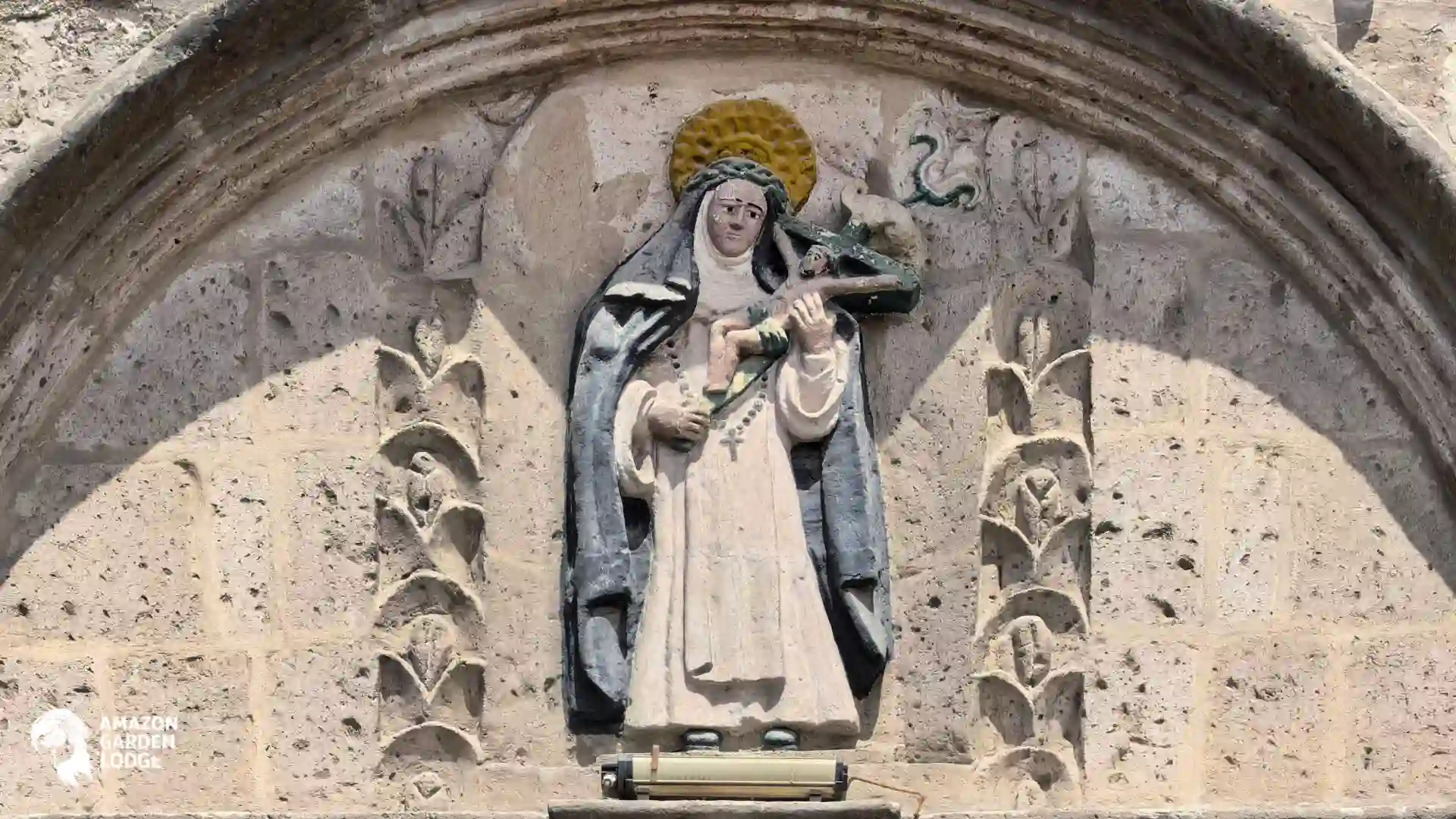
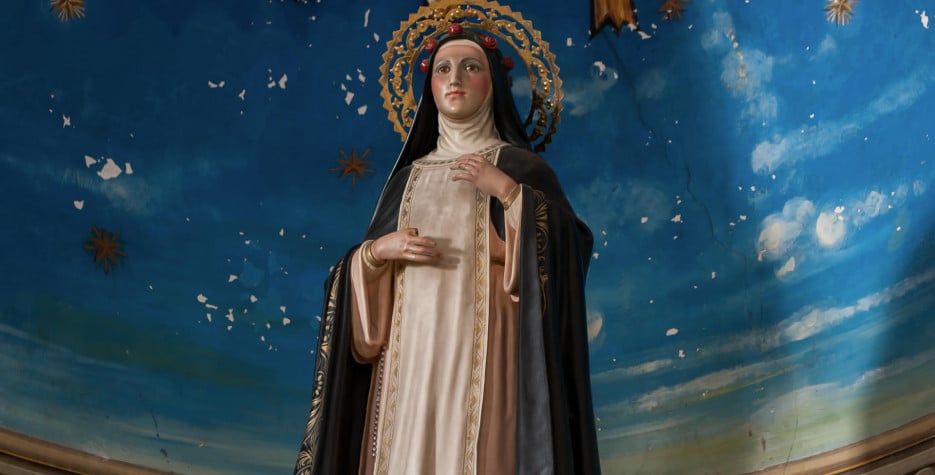
Saint Rose of Lima is one of the most recognized Catholic saints in the Americas and an important religious figure in Peru. Born in Lima in 1586, she became known for her deep faith, charitable work and devotion to a life of prayer and service.
Her life has remained an important part of Peru's Catholic history and continues to be remembered through churches, religious traditions and celebrations held in her honor. The Feast of Saint Rose of Lima, celebrated each year on August 30, is particularly significant in Peru and among Catholic communities around the world.
For many people, Saint Rose of Lima is more than a historical religious figure. Her story is closely connected to themes of faith, compassion, sacrifice and devotion, which have helped keep her memory alive across generations. She is also recognized as the patron saint of Lima, Peru, and several other communities and institutions.
Today, the celebration of Saint Rose of Lima Day brings together religious ceremonies, prayers and local traditions that reflect the importance of her figure in Peruvian culture. Understanding who she was and why she is still honored can provide a deeper appreciation of one of Peru's most important religious celebrations.
Saint Rose of Lima was born on April 20, 1586, in Lima, Peru, during the colonial period. Her birth name was Isabel Flores de Oliva, although she later became widely known as Rose because of an event associated with her appearance during childhood.
From an early age, Rose showed a strong interest in religious devotion. She dedicated much of her life to prayer, helping people in need and caring for the sick and poor around her.
Although she lived within her family home, she chose a life centered on faith and religious devotion. Her commitment to helping others became one of the most important aspects of her legacy.
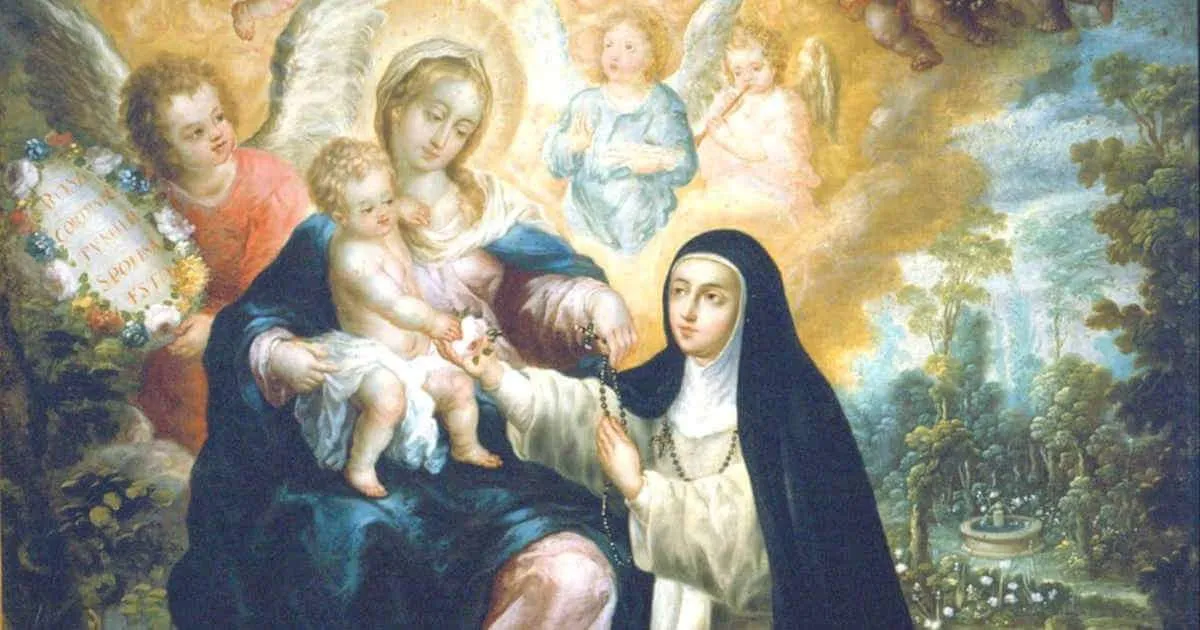
Saint Rose of Lima holds an important place in the history of the Catholic Church in Latin America.
She was beatified in 1668 and canonized by Pope Clement X in 1671, becoming the first person from the Americas to be canonized by the Catholic Church.
Her canonization strengthened her importance as a religious figure throughout the region. Today, churches, parishes and Catholic communities around the world continue to bear her name.
The Saint Rose of Lima Catholic Church tradition can be found in different communities, particularly where devotion to the saint has become part of local Catholic life.
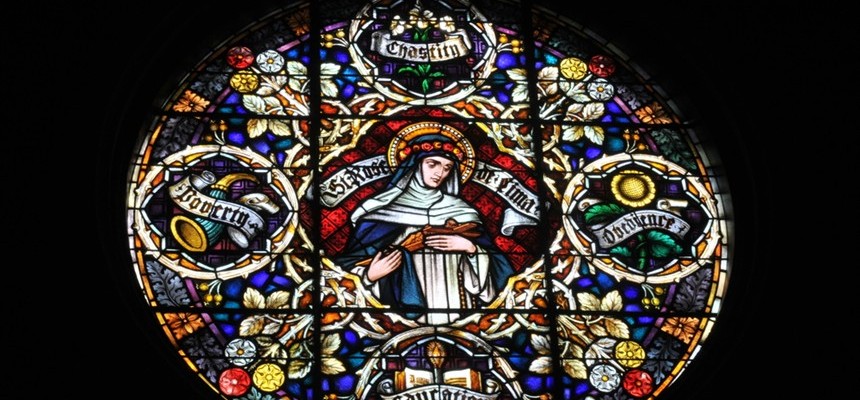
Stories about Saint Rose of Lima include numerous miracles and extraordinary events attributed to her intercession and religious devotion. Accounts surrounding her life describe healings, protection from illness, supernatural events and other experiences that contributed to the reputation she developed during and after her lifetime.
Many of these stories were recorded through testimonies from people who knew Rose or heard accounts of her religious life. They later became part of the traditions considered during the process that eventually led to her beatification and canonization.
It is important to distinguish between historical records and Catholic tradition. The miracles attributed to Saint Rose are matters of religious belief and devotion rather than events that can be independently verified by modern historical methods. Nevertheless, these stories played an important role in how her reputation as a saint developed.
One of the recurring themes in accounts about Saint Rose is her association with healing. Stories describe people who were seriously ill and sought her prayers or spiritual assistance.
These accounts contributed to the belief that Rose had a special ability to intercede for people suffering from illness. Stories of healing later became an important part of the devotion surrounding her.
One of the best-known traditions connected with Saint Rose involves an earthquake in Lima. According to the tradition, Rose prayed for the city and sought divine protection during a time of danger.
The story became part of the way she was remembered in Lima, particularly because earthquakes were a recurring threat to the city during the colonial period.
Another account associated with Saint Rose describes a supernatural experience involving an image of the Virgin Mary.
Stories about her intense religious devotion include visions and extraordinary spiritual experiences, reinforcing her reputation for having a particularly close relationship with the divine.
Some traditions surrounding Saint Rose describe her as receiving protection during periods of illness or danger. These accounts became part of the testimonies about her life and contributed to the belief in her spiritual strength.
Rather than being understood simply as isolated supernatural events, these stories reflect the way people in colonial Lima interpreted Rose's intense religious devotion.
Stories of miracles did not end with Saint Rose's death. Accounts of healings and other extraordinary events attributed to her intercession continued to emerge among people who prayed to her.
These reports became particularly important during the investigations into her life and contributed to the process that eventually led to her canonization in 1671.
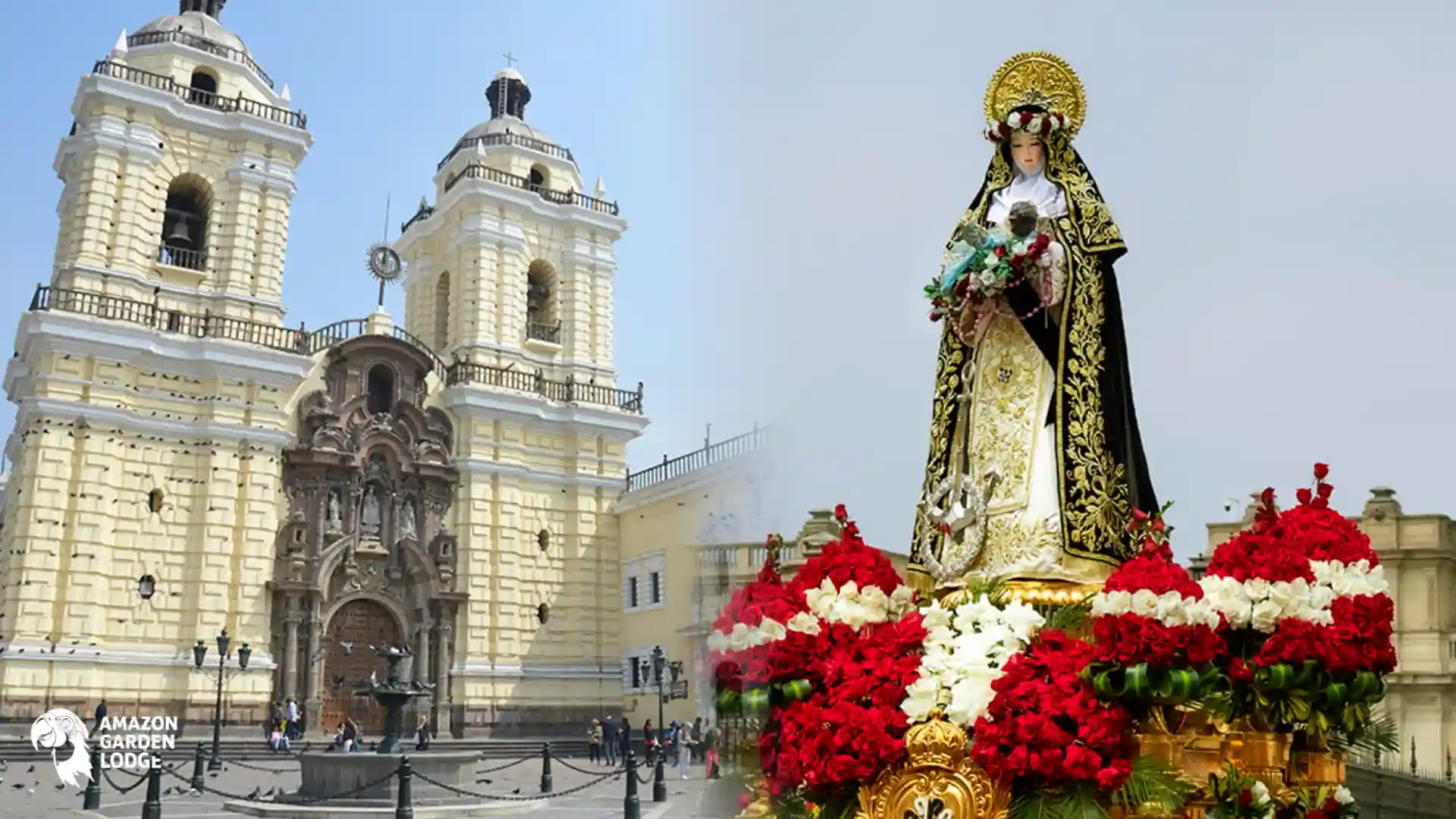
The Feast of Saint Rose of Lima is a Catholic celebration that honors her life, faith, and devotion. It has a particularly strong connection with Peru because Saint Rose was born in Lima and became one of the most important religious figures in the country's history.
The celebration brings together religious devotion and long-standing Peruvian traditions. For many devotees, it is a time for prayer, visiting places associated with Saint Rose, making personal petitions, and participating in religious activities that keep her memory alive.
Although Saint Rose is honored by Catholic communities beyond Peru, the celebration has a special meaning in Lima, where her life, death, and religious legacy remain closely connected to the city's history.
Saint Rose's connection with Lima gives the feast a strong historical dimension. She was born and lived in the city during the colonial period, and several places associated with her life remain part of Lima's religious heritage.
Because of this connection, the celebration allows present-day communities to maintain a tradition that dates back centuries.
Masses, prayers, processions, and other religious activities form an important part of the celebration. Devotees gather to honor Saint Rose, ask for her intercession, and express their personal faith.
These gatherings can be particularly significant around the historic religious sites connected with her life.
One of the most distinctive aspects of Saint Rose's devotion is the tradition of leaving personal petitions. Devotees write letters or messages expressing prayers, requests, and hopes, continuing a practice that has become closely associated with her.
This tradition gives the celebration a deeply personal character, as visitors are not simply commemorating a historical figure but expressing their own hopes and concerns.
August is an especially important month for honoring Saint Rose in Peru. Religious activities and visits to places associated with her become more prominent as the celebration approaches.
For many Peruvians, these traditions are also an opportunity to pass religious customs from one generation to the next.
The Feast of Saint Rose of Lima shows how a centuries-old religious tradition can remain part of modern Peruvian life. Churches, devotees, families, and communities continue to participate in activities that connect the present with Lima's colonial past.
For travelers, experiencing these traditions can provide a different perspective on Peru, one that goes beyond archaeological sites and highlights the country's living religious culture.
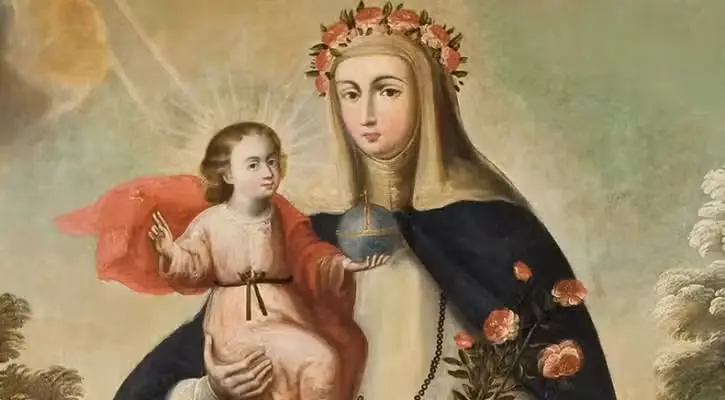
There are many fascinating details about Saint Rose of Lima that go beyond her role as a Catholic saint. Her birthplace, original name, religious life, canonization, and strong connection with Peru all help explain why her story has remained relevant for centuries.
These five facts offer a closer look at the woman behind one of Peru's best-known religious traditions and highlight some of the details that shaped her life and the way she is remembered today.
Saint Rose of Lima was born in Lima in 1586, during the Spanish colonial period. She spent most of her life in the city, where she developed her religious devotion and became known for her charitable work.
Her connection with Lima remained an important part of her identity, which is why the city continues to play such an important role in traditions surrounding her.
Saint Rose was not originally named Rose. She was baptized Isabel Flores de Oliva, but her family later began calling her Rose during her childhood.
The name eventually became closely associated with her religious identity and is the name by which she became known throughout Peru and internationally.
One of the defining aspects of Saint Rose's life was her commitment to helping people in need. She cared for sick and poor people and dedicated herself to charitable acts within her community.
Her home became a place where people who needed assistance could receive care, reinforcing the connection between her religious devotion and her concern for others.
Saint Rose was canonized in 1671 by Pope Clement X, becoming the first person born in the Americas to be officially recognized as a saint by the Catholic Church.
Her canonization helped spread devotion to her far beyond Peru and established her as an important Catholic figure throughout the Americas.
Saint Rose's connection with Lima and her religious importance gradually made her one of the most recognizable Catholic figures in Peru.
Her name is associated with churches, religious celebrations, historic places, and traditions throughout the country. Her annual celebration is particularly important in Lima, where her story remains closely connected with the city's history and cultural identity.
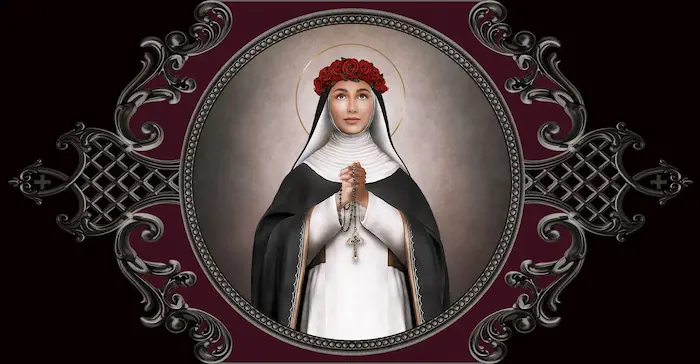
The importance of Saint Rose of Lima extends far beyond the period in which she lived. Although she was a religious figure from colonial Lima, her story continues to be part of Peruvian culture and Catholic traditions centuries later.
For Catholics, she represents devotion, charity, sacrifice, and service to others. In Peru, her connection with Lima has also made her an enduring symbol of the country's religious and historical heritage.
Her name continues to appear in churches, religious institutions, celebrations, schools, and public spaces throughout Peru and other parts of the world. Her annual celebrations also bring together generations of devotees who continue traditions associated with her life.
Many traditions associated with Saint Rose have been passed from one generation to another. Religious celebrations, visits to places connected with her life, prayers, and personal petitions continue to keep her story present in contemporary Peru.
These traditions show how historical religious figures can remain part of everyday cultural practices long after their lifetime.
Lima has a particularly strong relationship with Saint Rose because she was born and lived there. Historic locations associated with her life continue to attract devotees and visitors interested in the city's religious heritage.
Her presence therefore forms part of Lima's broader historical identity, alongside the churches, convents, and colonial architecture that characterize the city's historic center.
Saint Rose is often remembered for her compassion toward people experiencing poverty and illness. Her dedication to helping others remains one of the central elements of her story.
For devotees, these values provide an example of how faith can be expressed through generosity, service, and concern for others.
The annual celebrations dedicated to Saint Rose create opportunities for families, religious communities, and devotees to come together. Ceremonies and traditional activities allow people to express their faith while maintaining customs that have existed for generations.
This communal aspect helps explain why her celebration remains meaningful even in modern Peru.
Although Saint Rose has a particularly strong connection with Peru, devotion to her spread throughout Latin America and other parts of the Catholic world.
Her recognition as a patron saint of the Americas and the Philippines helped establish her as a religious figure whose influence extends well beyond the city where she was born.
Questions about Saint Rose of Lima often focus on her life, religious devotion, the traditions associated with her, and the places connected with her history. These answers provide a quick overview of some of the most common things people want to know about the saint and her importance in Peru.
Devotees may pray to Saint Rose of Lima for different personal intentions, including guidance, strength, healing, and help during difficult circumstances. As with other Catholic saints, prayers to her are understood as requests for her intercession.
Saint Rose of Lima is buried at the Basilica and Convent of Santo Domingo in Lima, Peru, where her remains are preserved and where many devotees continue to visit and pray.
Her birth name was Isabel Flores de Oliva. She later became known as Rose, the name by which she is now recognized around the world.
Saint Rose of Lima was born in Lima, Peru, in 1586. Her connection to the city remained an important part of her identity and later religious legacy.
Saint Rose of Lima is famous for her religious devotion, charitable work, and life of service. She is also remembered as the first person from the Americas to be canonized by the Catholic Church.
Her feast day is traditionally celebrated on August 23 in the Roman Catholic Church. In Peru, however, August 30 is the date most closely associated with her national celebration and is observed as a public holiday.