Image

Sustainable tourism in Peru means traveling in ways that protect natural and cultural heritage, respect the decisions of local communities, and support the people who make a trip possible. On a journey from Cusco to Machu Picchu, that might mean booking a workshop with the artisan who teaches it, choosing a trek after asking how the operator supports its crew, or giving yourself enough time to follow the visitor route without rushing to catch a train.
Imagine you have a week in Peru and three things you want to do. You want to see Machu Picchu, spend time in the Sacred Valley, and take a walk that gets you out into the Andes. Once you start planning, practical questions come up. Who will guide you? Where will you eat between stops? Can you fit in a weaving workshop without cutting it short? How you answer those questions gives shape to the trip and determines who benefits from it.
Sustainable tourism is an approach to planning and managing travel that considers its effects on the environment, local communities, and the economy over time. It applies to everyday choices, from how a hotel uses water to how a tour operator pays its crew. For travelers, it offers a way to compare experiences by looking at how they work and who is involved.
Take a weaving workshop in the Sacred Valley. An artisan needs time to prepare the materials, welcome visitors, demonstrate a technique, and answer questions. The group needs a way to get there and enough time to participate. Before booking, you can ask who designed the workshop, whether the artisan sets the terms, and what the price covers. Those answers make an abstract idea easier to evaluate.
The environmental pillar concerns how travel affects landscapes, wildlife, water, and other resources. On a trek, it includes staying on the path, carrying out waste, and understanding how the group gets drinking water. The social and cultural pillar is about how tourism affects residents and their ability to decide what they share. In a workshop, that includes letting hosts choose what to demonstrate and asking before photographing people or their work.
The economic pillar looks at who earns income from the visit and under what conditions. A guesthouse owner, guide, cook, driver, and artisan can all contribute to a single day of travel. Sustainable tourism asks you to look at those contributions when comparing prices. Two outings may advertise similar stops, yet one may give the host more time with visitors or pay separately for a demonstration that takes hours to prepare.
Ecotourism focuses on nature experiences that incorporate learning and conservation. A guided walk in the Peruvian Amazon can fit that description when it helps visitors understand the forest and observe wildlife with care. Sustainable tourism applies to a broader range of experiences. It can guide how you choose a rainforest stay, spend a day in Cusco, or visit an archaeological site.
Community-based tourism describes an approach in which residents have a leading role in creating and delivering the experience. A family homestay near Lake Titicaca can be an example when hosts decide how many guests to welcome, which meals to offer, and what activities they want to share. These approaches can overlap. To understand a particular trip, look at what guests do, who makes the decisions, and how the people involved are paid.
Sustainable tourism becomes easier to picture when you follow a traveler through a few ordinary moments. You’re looking at two Sacred Valley itineraries on your phone. Later in the week, you’ll check what you need to carry on a hike. If your trip continues to Puno or Tambopata, you’ll decide where to stay and who will lead your visit. Each choice calls for different questions.
You can apply these examples even if you’re visiting just one region. A day in Cusco can include time with a local guide and a meal you arrange independently. A trip built around Machu Picchu can give you a reason to stay longer in the Sacred Valley. Start with the places you already want to see and look at how you’ll spend your time there.
Suppose you want to see an archaeological site and learn about Andean weaving on the same day. A useful plan gives each stop a purpose. At the site, ask your guide to explain a feature you’re curious about. At the workshop, let the artisan show you a part of the process they enjoy teaching, such as preparing yarn or building a pattern. Time for a few questions can make the session more memorable than fitting in another stop.
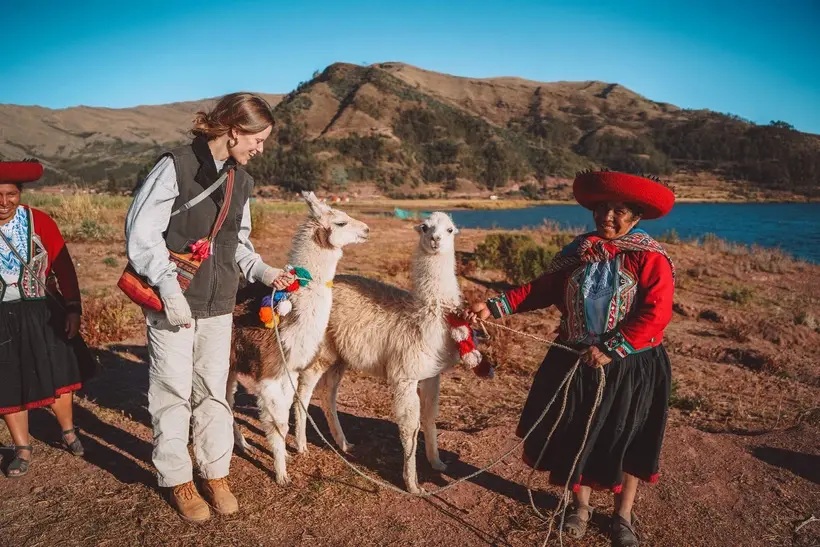
If you’re considering a Sacred Valley day tour, check where the route takes you and how much time you have for a separate workshop. Confirm the visit with the host before adding it to your schedule. When you’re there, ask before taking photographs, especially in a home or shared workspace. If you buy a textile, ask who made it and how to care for it. You’ll go home knowing more about the piece and the person behind it.
A homestay in a place such as Amantaní or Llachón gives you a different rhythm from a day trip. Once the afternoon outing ends, you can sit down for a meal and have a conversation that doesn’t have to fit between transfers. Ask ahead of time what an evening usually looks like. Some hosts may offer an activity, while others may leave time for guests to rest or talk over dinner.
The booking itself is part of sustainable tourism. Find out whether you’re reserving with a family, an association, or an operator that coordinates the stay. Ask who receives the accommodation fee, whether meals are included, and what you should bring. Knowing those details helps you arrive with realistic expectations and gives your hosts a clearer idea of what you need.
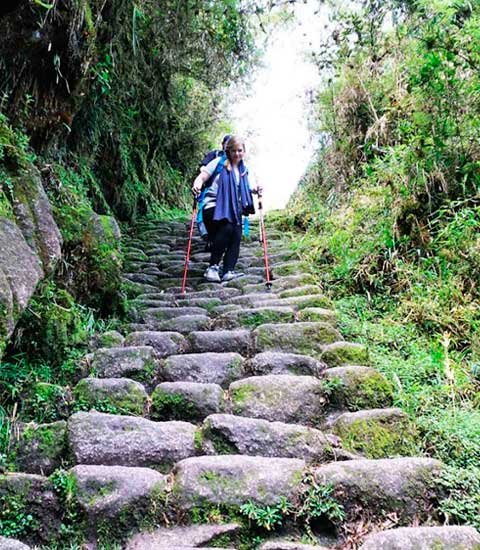
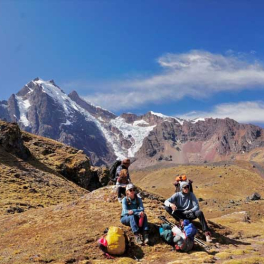
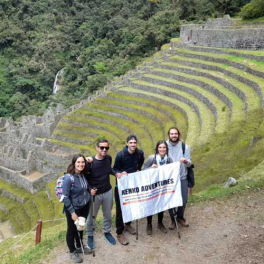
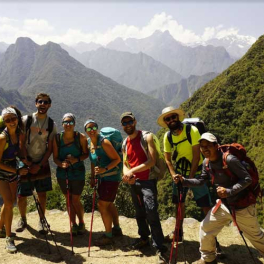
When comparing Inca Trail treks, read past the list of campsites and meals. Ask what the operator provides for its guides, cooks, and porters, how shared gear is carried, and what happens to waste after the group leaves camp. For your own pack, confirm how you’ll refill drinking water and bring a small bag for wrappers. On the trail, use designated paths and pause for photos where others can pass.
The same attention to timing helps at Machu Picchu. When comparing Machu Picchu tours, ask which visitor route is included and how the visit fits between transfers. Leave enough time between the site visit and your return connection. Once inside, follow your assigned route and use designated stopping areas. A well-planned schedule lets you listen to your guide and spend less of the visit checking the time.
Imagine heading into the forest in Tambopata with binoculars and a short list of birds you hope to see. Your guide hears something and asks the group to wait. The bird may come into view, or the group may spend several minutes learning how to identify its call. The quality of that outing depends as much on the guide’s interpretation and the group’s behavior as it does on the species you see.
Before choosing a rainforest stay, ask how guides handle close wildlife encounters and what happens if conditions change. Find out how many people join each outing and whether activities involve feeding, handling, or approaching animals. At the lodge, ask who leads the excursions and what role nearby communities play. Those questions help you evaluate how sustainable tourism applies to the specific stay you’re considering.
Sustainable tourism can show up in different parts of an operator’s work. A company might organize a community initiative in the Sacred Valley, run a lodge through a partnership in the Amazon, or publish a policy that guides its adventure trips. Each example gives you a concrete place to start when you want to learn more about a tour.
When comparing operators, connect the example to the trip you’re booking. A lodge partnership tells you something about that property. A community initiative explains what happened during a particular project. A sustainability policy gives you a starting point for asking how the company handles decisions on a specific route.
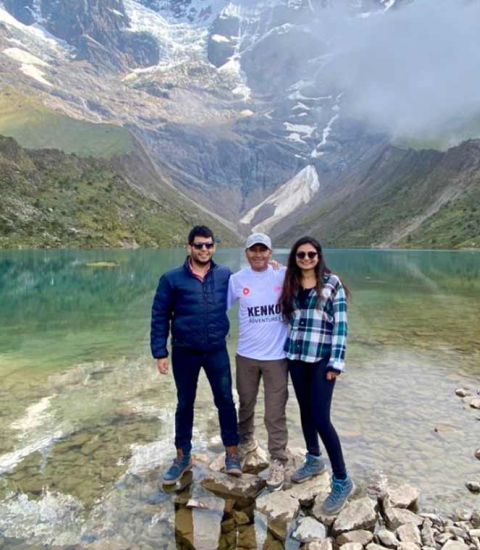
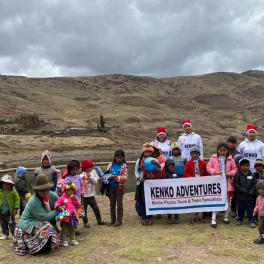
Kenko Adventures has organized a community initiative in Willoq Patacancha that involved travelers and provided warm jackets to local children. The initiative is an example of community engagement in the Sacred Valley. For someone planning a trip in the region, it also opens a conversation about the different ways a tour operator can work with people who live there.
If your main interest is the Inca Trail, ask Kenko about the practical arrangements for your departure, including crew equipment, group size, and campsite waste. If you’re planning a cultural visit, ask who will host it and what the visit includes. Those answers give you a clearer picture of sustainable tourism on the itinerary you’re choosing.
Rainforest Expeditions offers stays at Posada Amazonas, a lodge connected to a partnership with the Ese Eja Native Community of Infierno. The arrangement includes a share of lodge profits for the community and training opportunities for people working in lodge operations. It’s an example of how a rainforest stay can involve local participation in the business behind the visitor experience.
If you’re considering a stay, ask how the partnership shapes your itinerary. You might want to know who guides a particular excursion, which activities involve community members, or what your group will learn about the forest. Those questions connect the way the lodge operates to the time you’ll actually spend there.
Explorandes publishes a sustainability policy for its adventure travel operations in Peru. If you’re comparing trekking companies, that policy gives you a starting point for discussing how an itinerary is run. A day hike and a camping trek involve different decisions about equipment, staffing, transportation, and waste.
Send the same questions to the operators you’re considering. Ask who carries shared equipment, what the company provides for its crew, and how it manages waste after a campsite stop. If you’re booking a day outing, ask what the guide does when a site is busy or a route needs to change. Answers about a specific departure give you something concrete to compare alongside price and distance.
Sustainable tourism is easier to put into practice when you work through the itinerary in order. Start with the experiences you most want to have, then see how the days fit together. If you plan to visit the Sacred Valley and leave for Machu Picchu the following morning, compare an overnight stay near your departure point with returning to Cusco. Look at the transfers, the extra cost, and what each plan lets you do with the afternoon.
Before paying for a tour or stay, use the questions that fit the experience:
Choose one day to put those questions into practice. If you’re looking forward to a Sacred Valley workshop, contact the host and give the visit enough room in your schedule. If you’ve always wanted to hike to Machu Picchu, compare how operators organize the trek for both hikers and crew. If you’re traveling by train, choose connections that let you spend the visit looking at the site instead of your watch. Start with the experience that brought you to Peru and make the rest of the day work around it.