Image
Ayahuasca is a traditional Amazonian plant preparation with a long history among Indigenous communities in Peru and other parts of the Amazon Basin. Although it is now known internationally, its significance did not begin with modern interest in psychedelics, spirituality, or tourism. For generations, Amazonian peoples have developed and preserved their own knowledge surrounding the plants, ceremonies, beliefs, and practices connected with ayahuasca.
In Peru, this tradition is especially relevant because ayahuasca is part of the cultural heritage of several Indigenous Amazonian communities. Its traditional use can be associated with healing, spiritual practices, knowledge transmission, and relationships with the natural world. However, these traditions are not identical from one community to another, and there is no single way to understand or practice ayahuasca across the Amazon.
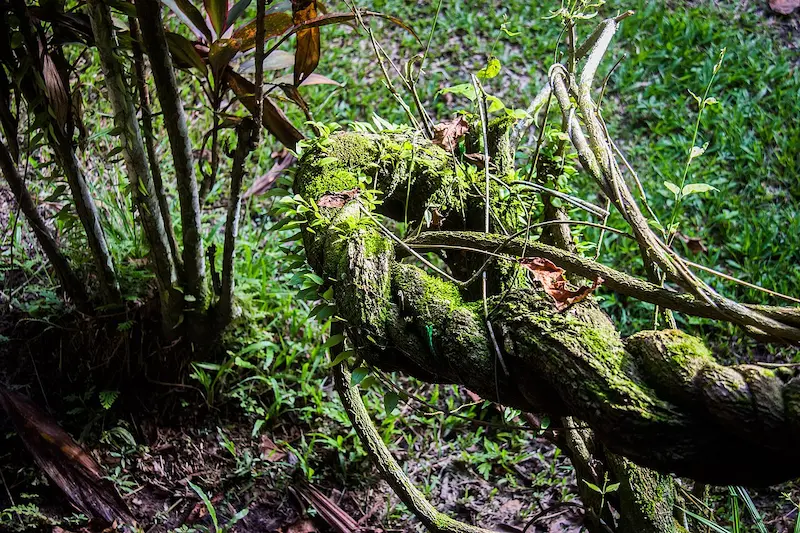
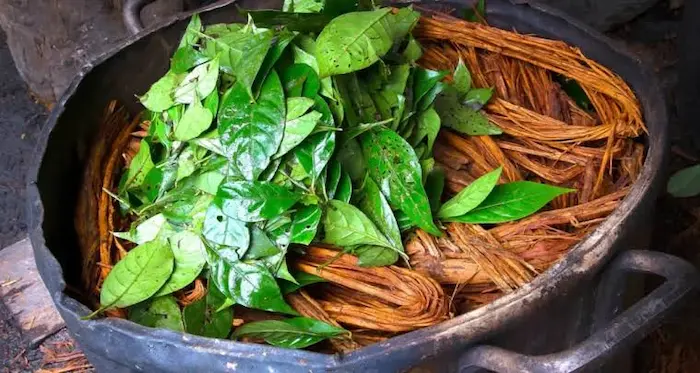
Ayahuasca is a traditional Amazonian plant preparation generally made with Banisteriopsis caapi and, in many traditions, other plants such as Psychotria viridis, commonly known as chacruna. It has been incorporated into different Indigenous practices involving traditional medicine, spirituality, ceremonies, and knowledge of Amazonian plants.
The word ayahuasca comes from Quechua and is commonly interpreted as “vine of the soul” or “vine of the dead.” However, the term does not represent a single tradition. Different Amazonian peoples have their own names, interpretations, preparation methods, and cultural practices associated with the plants.
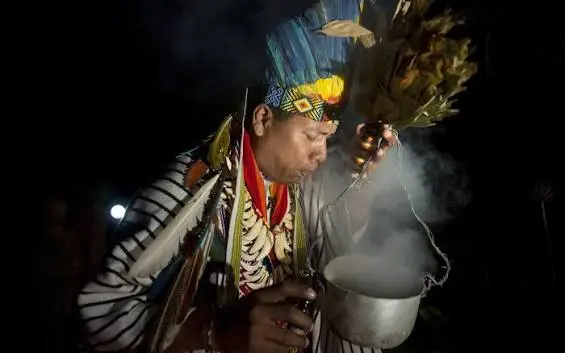
Ayahuasca has traditionally been associated with different forms of healing and spiritual practice among Amazonian Indigenous communities. Within these traditions, its perceived benefits are understood as part of a broader system of knowledge involving plants, rituals, community, and relationships with the natural world.
In some Amazonian traditions, ayahuasca forms part of traditional healing practices. Its use may be guided by experienced traditional practitioners who have knowledge of medicinal plants and ceremonial practices.
These traditions should be understood within their own cultural context rather than evaluated solely through modern medical concepts.
Ayahuasca can also be associated with experiences that practitioners interpret as spiritually or emotionally significant. Some people describe gaining new perspectives, reflecting on personal experiences, or feeling a stronger connection with their surroundings.
These experiences are subjective and can vary significantly from one person to another.
Beyond individual experiences, ayahuasca can have a collective dimension. In some Indigenous communities, ceremonies and related knowledge form part of cultural traditions that connect generations and reinforce relationships within the community.
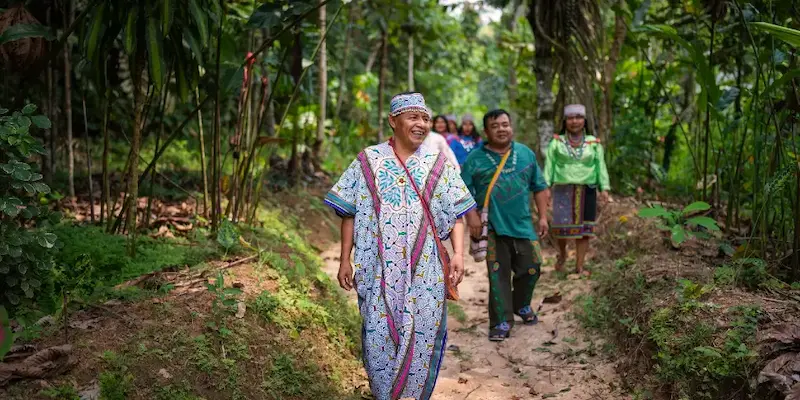
Rather than presenting ayahuasca as a single Amazonian tradition, this section can focus specifically on the communities that have preserved these practices in Peru.
Indigenous communities in the Peruvian Amazon have maintained extensive knowledge about medicinal and ritual plants. Within some of these traditions, ayahuasca forms part of broader systems of knowledge that connect people, plants, community life, and the surrounding environment.
The cultural meaning of ayahuasca is not the same everywhere. Indigenous communities have developed their own ways of preparing plants, conducting ceremonies, transmitting knowledge, and interpreting experiences.
This diversity is important when discussing ayahuasca in Peru because it prevents the tradition from being reduced to a single standardized practice.
Here we move away from the previous article's generic “cultural significance” section and focus specifically on knowledge systems.
The use of ayahuasca forms part of a much wider understanding of Amazonian plants. Indigenous communities have developed knowledge about the characteristics, uses, preparation, and cultural significance of numerous species found in the rainforest.
In some communities, traditional specialists play an important role in practices involving medicinal and ritual plants. Their knowledge is generally acquired over long periods through teaching, observation, and experience within the community.
Much of this knowledge has historically been transmitted orally and through direct participation. Stories, songs, practices, and teachings can help preserve traditions that might otherwise be lost over generations.
This section can now concentrate specifically on the official recognition in Peru, rather than repeating the broader cultural-significance discussion from the previous article.
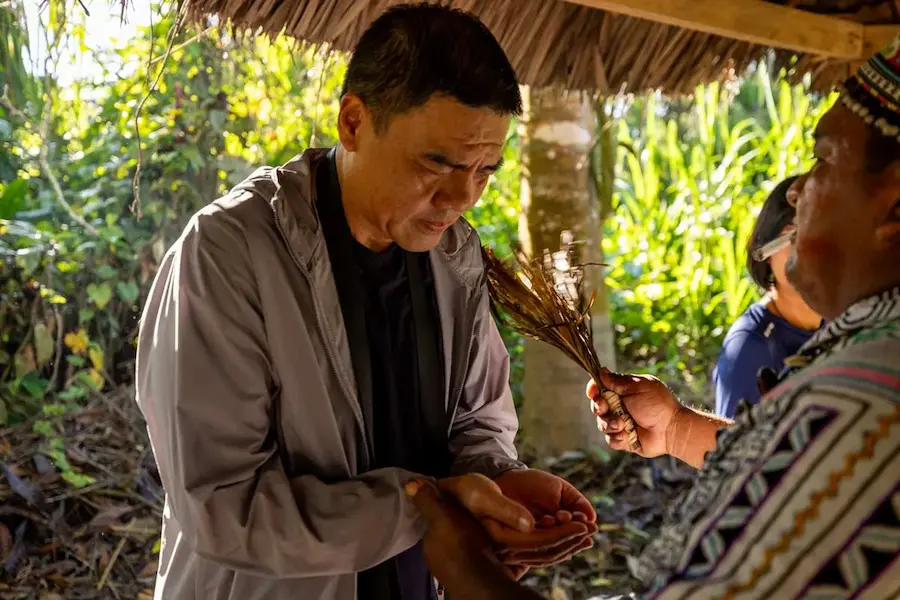
In 2008, Peru declared the traditional knowledge and uses of ayahuasca practiced by native Amazonian communities as Cultural Heritage of the Nation.
The recognition focuses on the knowledge and traditional practices maintained by these communities rather than simply recognizing ayahuasca as a plant.
The recognition also highlights the importance of protecting Indigenous knowledge and the cultural practices associated with it. These traditions form part of the cultural diversity of the Peruvian Amazon and continue to have meaning within the communities that preserve them.
This gives the article a completely different section from your previous post and can answer a natural informational intent without becoming a “how to do ayahuasca” guide.
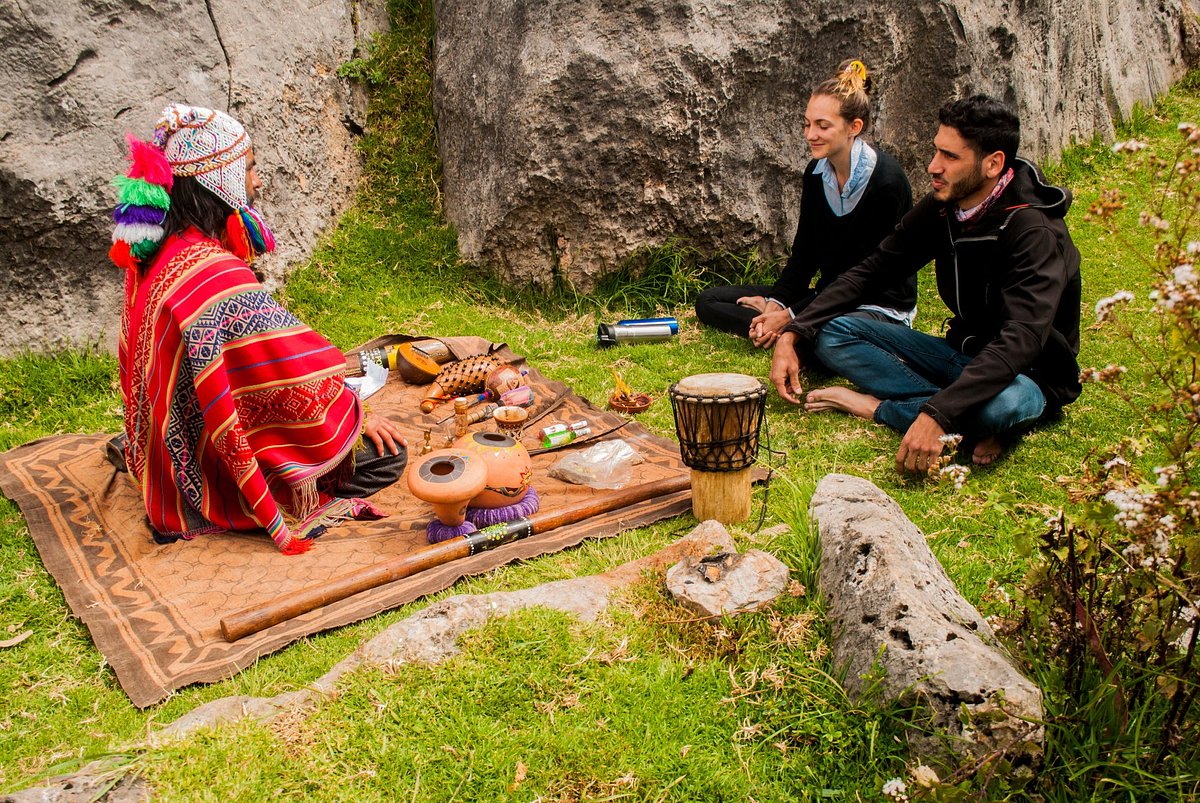
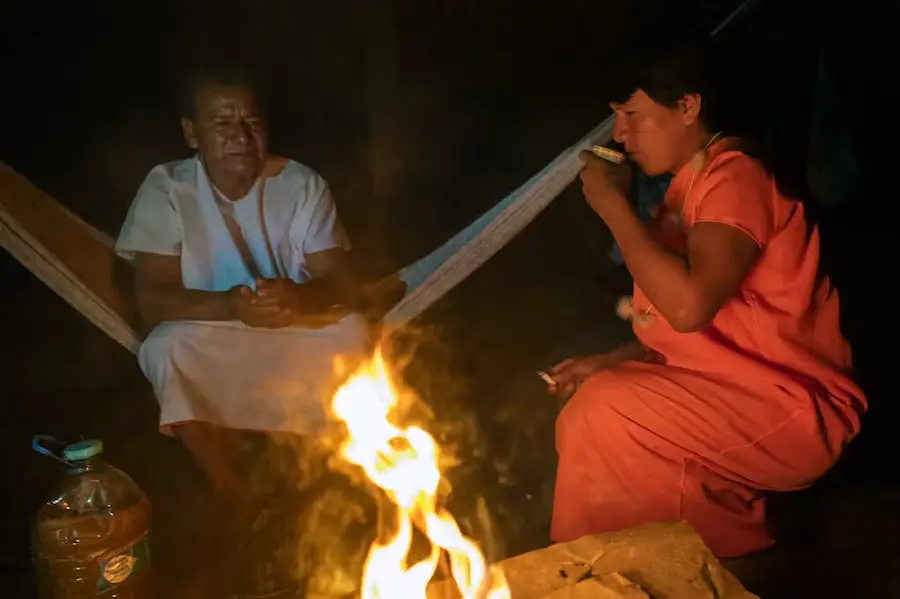
Traditional practices can take place within specific ceremonial settings, where the environment, participants, and established customs form part of the experience.
Depending on the community, ceremonies may involve songs, chants, rituals, and other practices that have been transmitted through generations.
The meaning of a ceremony cannot be separated from the cultural context in which it takes place. Practices that may look similar from the outside can have very different meanings among different Indigenous peoples.
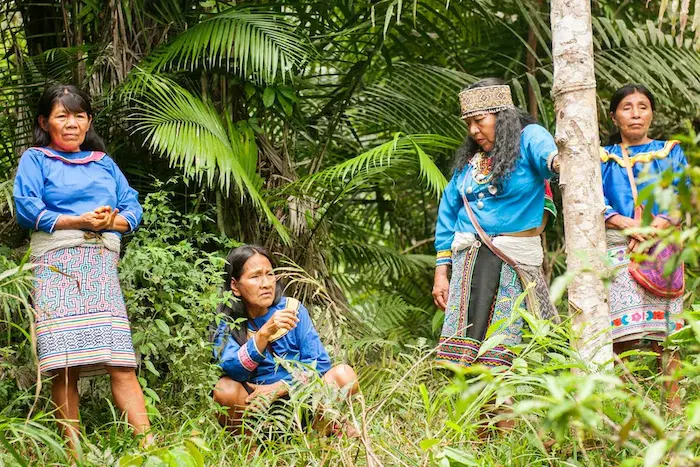
People approach ayahuasca for different reasons, and their motivations can vary greatly depending on their cultural background and personal circumstances. For Indigenous communities in the Amazon, its use may be connected to traditional medicine, spirituality, cultural practices, and systems of knowledge that have been passed down through generations.
Within some Indigenous traditions, ayahuasca can be associated with healing, spiritual practices, learning, and relationships with the natural world. Its use forms part of a broader cultural framework rather than being an isolated experience.
Some people outside the Amazon seek ayahuasca as part of a personal or spiritual journey. They may be interested in self-reflection, exploring their emotions, or experiencing a different state of consciousness.
These contemporary motivations are diverse and do not necessarily reflect the traditional reasons for using ayahuasca.
Ayahuasca has also attracted interest from researchers studying consciousness, psychology, neuroscience, and the potential therapeutic applications of psychedelic substances. This scientific interest has contributed to its growing visibility around the world.
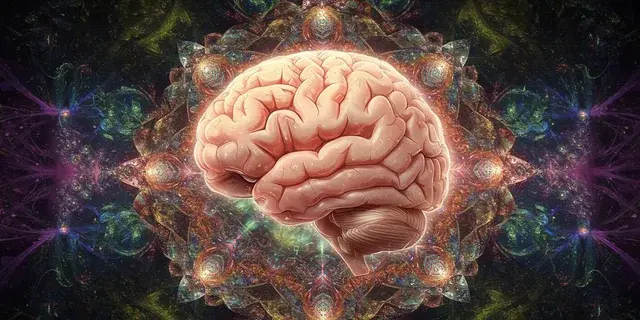
The effects of ayahuasca can vary considerably depending on the preparation, the individual, the setting, and other factors. Because ayahuasca contains psychoactive compounds, its effects can involve significant changes in perception, emotions, thoughts, and awareness.
Some experiences may be described as meaningful or positive, while others can be difficult or distressing. It is therefore important to avoid presenting ayahuasca as an experience that produces the same effects for everyone.
Some people report vivid imagery, changes in their perception of time and surroundings, intense emotions, feelings of connectedness, or experiences they interpret as personally or spiritually meaningful.
Research has also investigated whether ayahuasca may have potential therapeutic effects in areas such as depression, anxiety, and substance-use disorders. However, research is still developing, and these findings should not be interpreted as proof that ayahuasca is an established treatment for these conditions.
Ayahuasca can also produce challenging experiences. Nausea, vomiting, dizziness, anxiety, confusion, fear, and intense emotional reactions are among the effects that may occur.
For some people, the experience can become psychologically distressing, particularly when strong emotions or difficult memories arise.
Although ayahuasca is traditionally used within specific cultural contexts, it is not risk-free. Its effects can interact with certain medications and health conditions, and inappropriate settings or lack of supervision can increase potential risks.
For this reason, ayahuasca should not be presented simply as a harmless natural drink or a guaranteed positive spiritual experience.
Ayahuasca is a traditional Amazonian plant preparation associated with Indigenous practices involving healing, spirituality, ceremonies, and traditional knowledge. Its composition and cultural meaning can vary between communities.
Ayahuasca is part of the traditional knowledge preserved by several Indigenous communities in the Peruvian Amazon. Its cultural importance is connected to traditional medicine, spirituality, community practices, and knowledge passed down through generations.
Ayahuasca is traditionally associated with the Amazon Basin. Its exact origins cannot be attributed with certainty to a single Indigenous community or location.
Depending on the community, ayahuasca may be incorporated into traditional healing practices, spiritual ceremonies, and systems of Indigenous knowledge. Its uses and meanings vary across Amazonian cultures.
Ayahuasca can cause changes in perception, emotions, thoughts, and awareness. Some people report vivid imagery or intense emotional and spiritual experiences, while others may experience nausea, anxiety, confusion, fear, or other difficult reactions.
People may approach ayahuasca for different reasons. In Indigenous communities, its use can be connected to traditional healing, spirituality, and cultural practices. Outside these traditions, some people seek it for personal reflection, spiritual exploration, or an interest in altered states of consciousness.
Within some Amazonian traditions, ayahuasca is associated with healing, spiritual practices, emotional experiences, and the transmission of cultural knowledge. These traditional uses should not be presented as scientifically proven medical benefits.
Yes. In 2008, Peru declared the traditional knowledge and uses of ayahuasca practiced by native Amazonian communities as Cultural Heritage of the Nation.
No. Different Indigenous communities have their own traditions, beliefs, preparation methods, ceremonial practices, and interpretations surrounding ayahuasca.
No. Ayahuasca can produce intense psychological and physical effects and may interact with certain medications or health conditions. Its traditional use also takes place within specific cultural and ceremonial contexts.