Image
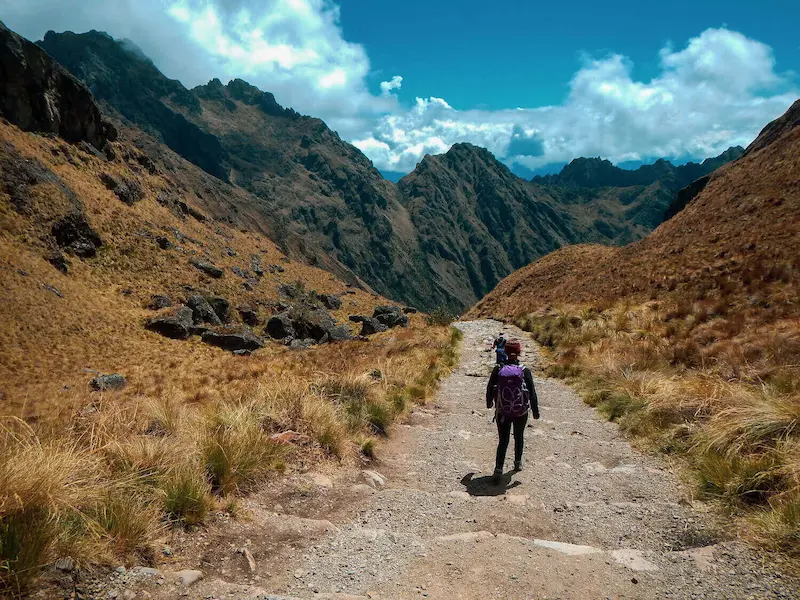
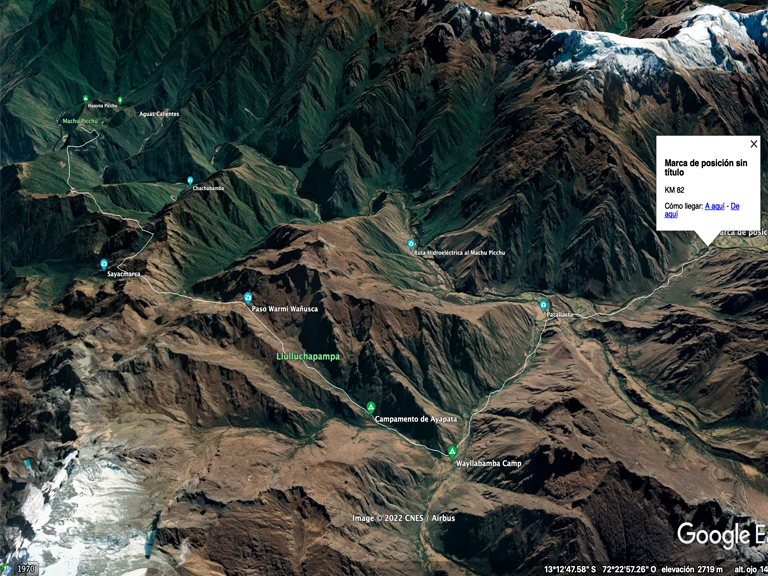
Inca Trail Permits are one of the first things travelers should think about when planning a trek to Machu Picchu in 2027. Unlike many hiking routes around the world, access to the Inca Trail is controlled, so you cannot simply arrive in Cusco and decide to hike it the next day.
Planning ahead is especially important if you have specific travel dates in mind. Permit availability is limited, and the reservation process is managed through the Peruvian authorities and authorized operators. For 2026, advance sales for the Inca Trail opened in November of the previous year, so travelers planning for 2027 should pay attention to official announcements as the new season approaches.
Planning an Inca Trail trek is a little different from planning a regular hike. The route passes through a protected archaeological and natural environment, so access is carefully managed to protect the trail, archaeological sites, and surrounding ecosystems. The official Machupicchu website describes the Inca Trail network as a route of high operational complexity and exceptional cultural value, with strict conservation requirements.
For travelers planning their trip for 2027, understanding how the Inca Trail permit system works is important before booking flights, hotels, or other activities in Peru. The process involves limited daily capacity, specific reservation periods, and regulations that can change depending on the route and conservation requirements.
The number of people who can enter the Inca Trail is controlled through established capacity limits. Under the regulations approved for the 2026 season, routes 1, 2, 3, and 4 have a capacity of 500 users per day, while route 5, which starts at KM 104, has a capacity of 250 users per day.
This limited capacity is one of the main reasons travelers should not leave their reservation until the last minute. Popular dates can become unavailable, particularly when many international visitors are planning their trips around the same period.
Your preferred hiking date is one of the most important details when planning your Inca Trail experience. Once you know when you want to hike, you can organize the rest of your Peru itinerary around that date.
For 2026, the Ministry of Culture opened advance reservations for the Inca Trail on November 17, 2025, specifically to give travelers and tour operators more time to organize their trips.
The official 2027 reservation schedule should be confirmed once it is announced, so travelers should keep an eye on updates from the Peruvian authorities.
The Inca Trail is not a single path with one identical access system. The official network includes several authorized routes connecting different points of the Andes with Machupicchu.
This means that availability can depend on the specific route you plan to take. For example, the KM 104 route has a different daily capacity from the longer routes beginning around KM 82.
When you reserve access to the Inca Trail, you are not simply purchasing permission to walk anywhere in the surrounding mountains. The reservation corresponds to an officially managed route with designated entry points, archaeological areas, and visitor controls.
This system helps authorities manage visitor flows and reduce pressure on particularly sensitive sections of the archaeological and natural environment.
Another detail travelers should understand is that completing the Inca Trail involves more than simply hiking toward Machupicchu. For visitors arriving from the Inca Trail, the Ministry of Culture has established specific arrangements for entry into the archaeological site.
For 2026, visitors arriving from the Inca Trail and continuing to Machupicchu were assigned access to Circuit 3-B, with a limited number of daily spaces reserved specifically for these travelers.
This is important when planning your itinerary because the trail and your visit to Machupicchu should be considered as part of the same journey.
One of the most important things to remember when planning for 2027 is that current regulations should not automatically be assumed to remain unchanged.
The Peruvian authorities can modify capacity, routes, reservation procedures, visitor circuits, or conservation measures depending on operational and environmental conditions. For example, the 2026 regulations included specific capacity limits for the different Inca Trail routes.
For this reason, travelers should verify the official information available for their specific travel year before making final arrangements.
The Inca Trail is also subject to an annual maintenance period. In 2026, access to the Red de Caminos Inka was suspended throughout February to allow conservation work, infrastructure maintenance, and environmental monitoring. Operations resumed on March 1.
If you are planning a 2027 trek, checking the official operating calendar will be particularly important if your trip is scheduled around February or early March.
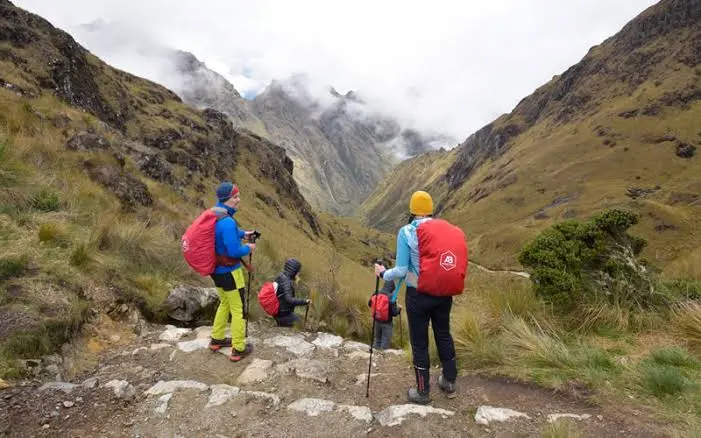
If hiking the Inca Trail is one of the highlights of your Peru trip, it is worth thinking about your permit well before you arrive in Cusco. The exact 2027 Inca Trail permit release date should be confirmed by the Peruvian authorities, but previous reservation cycles give travelers a useful idea of when they should start paying attention.
Planning early also gives you more flexibility with your travel dates, accommodation, flights, and acclimatization days. Instead of building your entire itinerary first and trying to fit the Inca Trail into the remaining space, it is often easier to secure the trek first and organize the rest of your trip around it.
For 2026, the Ministry of Culture announced that advance reservations for the Inca Trail and Machupicchu would open on November 17, 2025, earlier than in previous years.
Travelers planning for 2027 should therefore start checking official announcements toward the end of 2026. It is better to use the official release information for 2027 rather than assuming that the same date or reservation procedure will automatically apply.
Some periods attract considerably more travelers to Cusco and Machupicchu. If you are planning to hike during a popular travel period, having your preferred dates ready can make the reservation process much easier.
If your schedule allows it, consider having two or three possible trekking dates in mind. This gives you alternatives if your first choice is unavailable.
The Inca Trail is not an experience that is ideal for last-minute planning. Waiting until you arrive in Cusco can leave you with fewer options, especially if you have already booked flights and accommodation around specific dates.
Having your trekking date confirmed beforehand also allows you to plan your acclimatization days properly and avoid rushing into a high-altitude hike immediately after arriving in Peru.
Once your permit is secured, you can organize the rest of your trip with much greater confidence. This includes deciding how many days to spend in Cusco, when to arrive, where to stay, and when to visit Machupicchu.
For international travelers, this can also make coordinating flights and other destinations in Peru much easier.
Flexibility can be particularly valuable when planning an Inca Trail trek. If you are not restricted to one exact date, you may have a better chance of finding availability that works with your overall itinerary.
Even being flexible by a few days can give you more options when permits become available.
Before making your plans around a specific date, check the latest official information about Inca Trail permit availability, reservation procedures, route conditions, and visitor regulations for 2027.
Rules and operating conditions can change between seasons, so information from an earlier year should be treated as a reference rather than a guarantee for your 2027 trip.
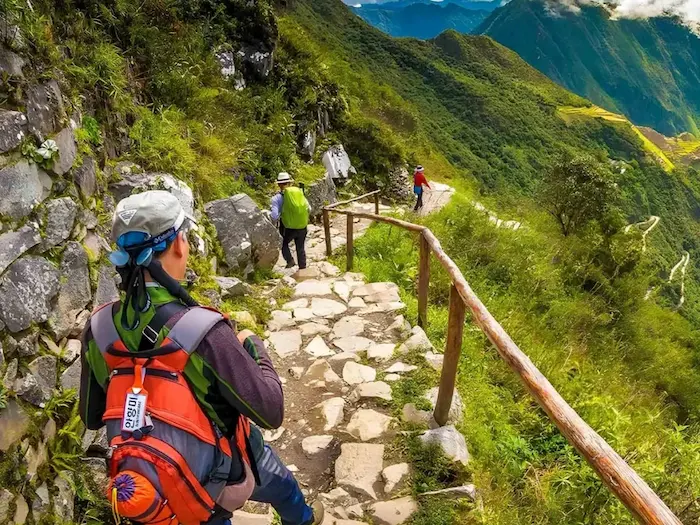
Before booking an Inca Trail permit, travelers should have their personal and trip information ready. The reservation process uses these details to properly register each visitor and connect the permit with the corresponding trekking date.
Having everything prepared in advance can make the booking process smoother, especially when you are trying to secure a specific date. It is also important to review the information carefully before confirming the reservation, as changes to traveler details may be subject to specific conditions.
Your passport details are essential when arranging your Inca Trail access. Make sure the information provided during the reservation matches your current travel document, including your full name, passport number, and nationality.
If you are planning to renew your passport before traveling, check the applicable reservation conditions before submitting your information.
You will need to decide when you want to hike the Inca Trail. Having several possible dates in mind can be useful if your first choice is no longer available.
This is particularly helpful during periods of high demand, when popular trekking dates can fill up quickly.
Small errors in traveler information can create complications later. Before confirming your reservation, carefully check names, passport details, dates, and other personal information to make sure everything is correct.
The Inca Trail network includes different authorized routes, so it is important to know which route you intend to take before arranging your trip.
The route you choose can affect the type of experience, entry point, hiking duration, and availability you will need to consider.
The reservation also needs to account for everyone who will be joining the trek. Having the complete list of travelers ready can help avoid delays when arranging access.
If you are traveling as a group, make sure everyone's personal information is available and matches their travel documents.
It is a good idea to keep your passport and reservation information accessible throughout your trip. The details used during the booking process should correspond with the documents you carry when traveling.
Preparing these details ahead of time gives you one less thing to worry about once you arrive in Peru and allows you to focus on the trek itself.

Planning your Inca Trail trip early is about much more than getting a place on the trail. Because the trek involves a fixed date, high-altitude conditions, accommodation, transportation, and a visit to Machupicchu, having your plans in place early can make the entire journey feel much more organized.
For travelers coming from abroad, this is particularly useful because the Inca Trail is often only one part of a longer Peru itinerary. Once your trekking date is confirmed, you can build the rest of your trip around it instead of trying to fit the trek into an already fixed schedule.
Once your hiking date is confirmed, you can plan your arrival in Cusco, acclimatization days, accommodation, and other activities around it.
This is particularly useful for international travelers who need to coordinate flights and a longer Peru itinerary. Arriving a few days before the trek also gives you time to explore Cusco at a relaxed pace while allowing your body to adjust to the altitude.
Booking earlier gives you more options when choosing where to stay before and after the trek. This can be especially useful if you want to spend additional time exploring Cusco or staying near the historic center.
It also allows you to coordinate your accommodation with your trekking schedule instead of choosing from whatever happens to be available at the last minute.
The Inca Trail reaches high elevations, particularly on the Classic route. Having your trek date confirmed in advance gives you time to plan several acclimatization days before starting the hike.
This can make a big difference for travelers arriving from lower-altitude destinations, as spending time in Cusco and gradually adjusting to the elevation can help you feel more prepared for the physical demands of the route.
International travelers often need to coordinate several flights to reach Cusco. Knowing your trekking date beforehand makes it easier to choose arrival and departure dates without creating a schedule that is too tight.
It also gives you room to account for possible changes in transportation or unexpected delays.
This is one of the situations travelers understandably want to avoid. Because access is controlled, there is no guarantee that permits will remain available for your preferred date if you wait too long.
If your first-choice date is unavailable, having some flexibility can make it easier to find another option.
Peru offers several ways to experience the landscapes and archaeological heritage around Machupicchu. Depending on your travel plans, alternative trekking routes may provide another way to explore the region.
If you are unsure about the reservation process or availability, working with an authorized travel operator can make the planning process easier. They can help you understand the current requirements and organize the different elements of your trek.
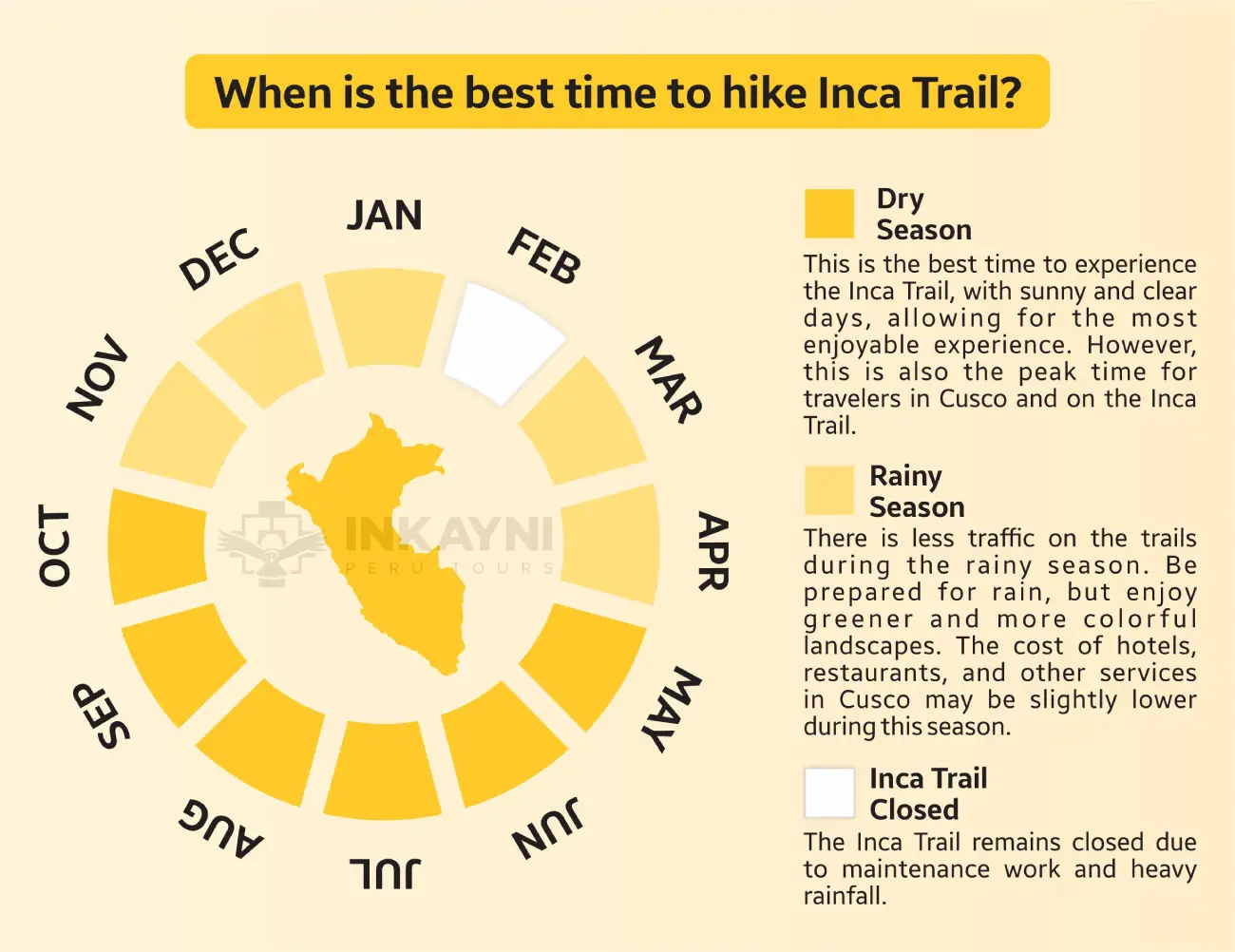
Not exactly. Although the Inca Trail is available during most of the year, access is temporarily suspended each February for annual maintenance and conservation work. In 2026, SERNANP announced that access to the Red de Caminos Inka would be suspended throughout February, with operations scheduled to resume on March 1.
This annual closure is an important detail for travelers planning their itinerary, especially if they are considering visiting Peru at the beginning of the year. For those planning an Inca Trail adventure in 2027, it is best to check the official operating calendar once it is announced rather than assuming that the exact dates from 2026 will automatically apply.
February is used as a dedicated maintenance period for the Inca Trail network. During this time, conservation teams can carry out necessary work along the route, including infrastructure maintenance, environmental monitoring, and improvements to areas used by visitors.
The temporary closure also helps authorities prepare the trail and surrounding areas for the following tourism season, ensuring that visitors can continue exploring this historic route under appropriate conditions.
In 2026, access resumed after the February closure, with visitors returning to the Inca Trail on March 2 following the annual maintenance period.
For travelers planning their 2027 trip, the exact reopening date should be confirmed once the official schedule is published. This is particularly important if your itinerary includes the Inca Trail immediately after February.
The February closure means that travelers cannot simply choose any date throughout the year. If your trip falls during this period, you will need to consider a different month or look into other experiences available in the Cusco and Machupicchu region.
Planning your itinerary around the official operating calendar can help you avoid booking flights, accommodation, or other activities that conflict with the trail's maintenance period.
Operating dates and access conditions can change from one season to another. For this reason, travelers planning for 2027 should verify the latest information from the Peruvian authorities before finalizing their trekking dates.
Checking the official calendar in advance is especially useful when coordinating your Inca Trail permit, flights, accommodation in Cusco, and other activities around Machupicchu.