Image
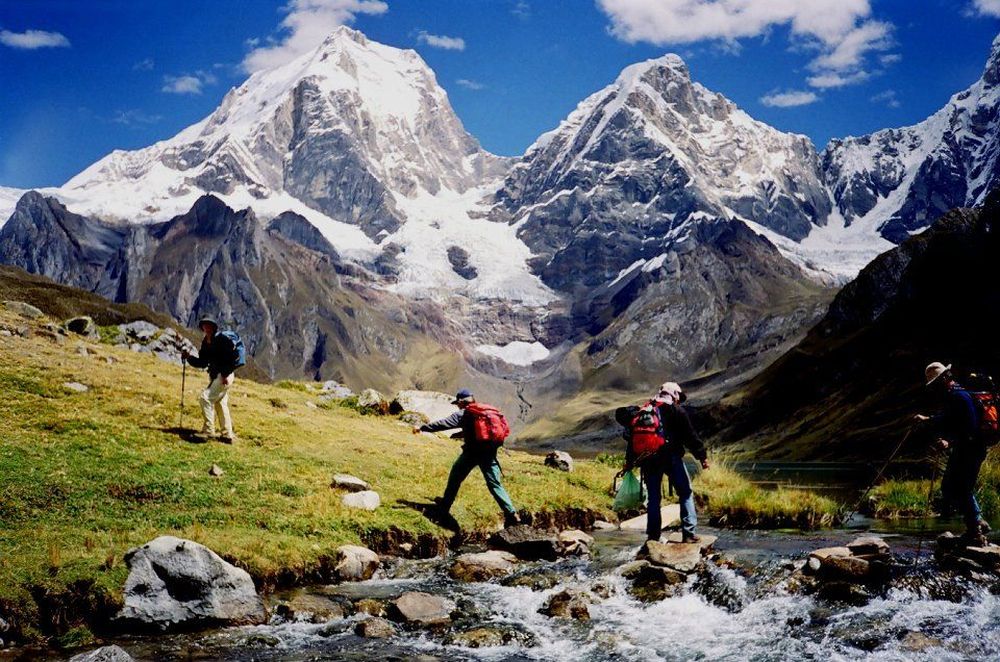
If you're thinking about traveling to Peru and wondering if winter is a good time to go, the short answer is: yes, absolutely. For many travelers, this season is ideal because it combines pleasant weather, incredible landscapes, and the best conditions for exploring places like Cusco and Machu Picchu.
Winter in Peru runs from June to September and, unlike in some other countries, it doesn't mean snow or extreme daytime temperatures. Rather, it's the dry season in the Andes, which translates to clear skies, sunshine almost every day, and very little rain. Or the sea, perfect for exploring without worrying too much about the weather.
In this guide, we'll tell you everything you need to know about traveling to Peru in winter: what the weather is like, what to pack, what to do in Cusco, and some key tips to make your trip a success. If you're planning your itinerary, this will be a great help.
Understanding how winter works in Peru is essential for planning a successful trip, especially if you are visiting Cusco and the Andes. Unlike typical winters in the Northern Hemisphere, Peru’s winter is defined more by dryness than extreme cold, which makes it particularly attractive for travelers seeking outdoor experiences.
Winter in Peru runs from June to September and is considered the dry season in most of the country, especially in the Andes region. Unlike winter in many parts of the world, temperatures do not drop to extreme freezing levels during the day, but mornings and nights can be quite cold, particularly in high-altitude destinations like Cusco.
This season coincides with peak travel months due to favorable weather conditions. Travelers planning a trip during this time should expect sunny days, minimal rainfall, and crisp, cool evenings, making it ideal for outdoor exploration.
Peru has three main geographic regions, and each experiences winter differently. On the coast, including Lima, winter is characterized by overcast skies, humidity, and mild temperatures rather than sunshine. It is not cold, but it can feel gray and damp.
In the highlands, including Cusco and the Sacred Valley, winter is dry and sunny during the day, with temperatures dropping significantly at night. Meanwhile, the Amazon jungle remains warm and humid year-round, though there is slightly less rainfall compared to other seasons, making it more accessible for exploration.
Yes, winter is widely considered one of the best times to visit Peru, especially for travelers interested in cultural landmarks and trekking. The dry season provides reliable weather, reducing the chances of disruptions due to rain.
For those planning iconic experiences like Machu Picchu or multi-day hikes, winter offers the most stable conditions. However, it is also the busiest season, so planning ahead is essential to secure availability.
You might also want to check out: Trekking vs hiking in Peru, what's the difference?
Cusco becomes one of the top destinations in Peru during winter due to its ideal climate and access to world-famous attractions. For travelers looking to combine history, culture, and adventure, this season offers the most balanced conditions for a memorable trip.
Another key reason why this period stands out is the reliability it provides when planning a travel itinerary. Unlike other seasons where weather can be unpredictable, winter allows visitors to confidently organize activities, excursions, and tours without constant concern about cancellations or delays. This makes it especially attractive for international travelers with limited vacation time who want to maximize every day of their trip.
Cusco experiences very little rainfall during winter, which significantly enhances the overall travel experience. Dry trails, clear roads, and predictable conditions make it easier to move around and enjoy different activities without unexpected delays.
This is particularly important for travelers with limited time, as it reduces the risk of itinerary changes. It also improves safety and comfort during excursions in mountainous areas.
In addition, the dry season allows better access to remote locations that may be harder to reach during the rainy months. Roads are in better condition, and trekking routes are less slippery, which contributes to a smoother and more enjoyable journey overall.
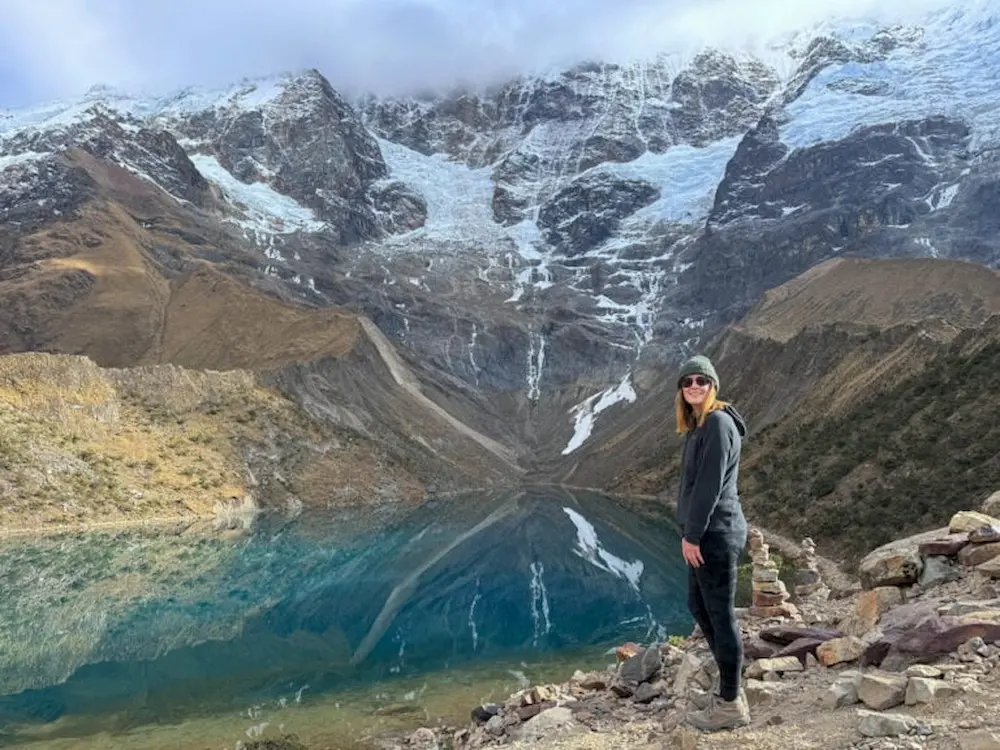
One of the biggest highlights of visiting Cusco in winter is the clarity of the skies. With minimal cloud cover, travelers can enjoy breathtaking panoramic views of the Andes mountains, especially during sunrise and sunset.
These conditions are also ideal for photography, offering vibrant landscapes and unobstructed views of archaeological sites. The visual experience is significantly enhanced compared to the rainy season.
Clear skies also improve the overall atmosphere of each destination, making iconic places feel even more impressive. Whether visiting high-altitude viewpoints or ancient ruins, travelers can fully appreciate the scale and beauty of the Andean landscape without visual obstructions.
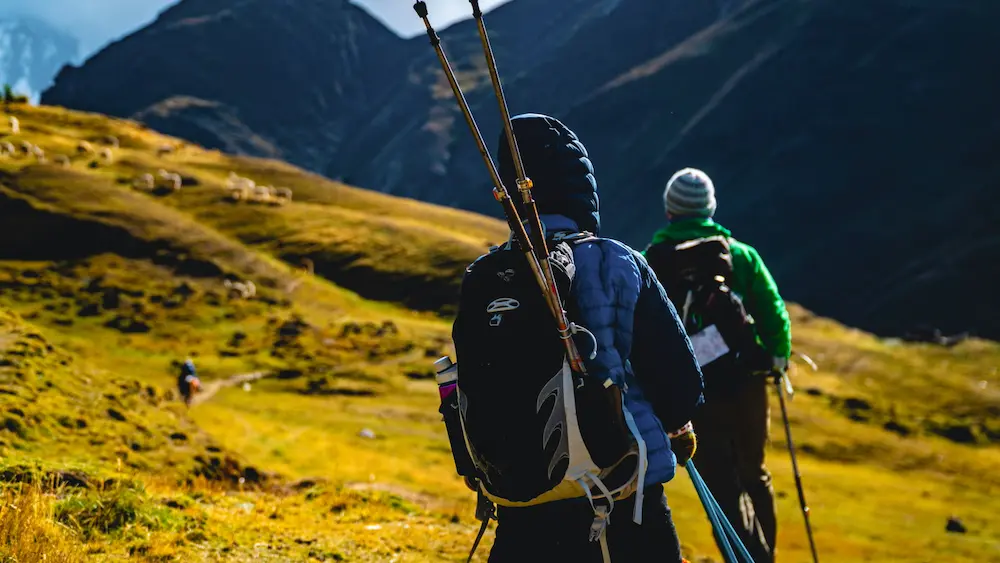
Winter is the prime season for trekking in the Cusco region. Trails such as the Inca Trail and alternative routes are in optimal condition, with dry paths and safer hiking environments.
Outdoor activities like hiking, biking, and cultural tours become more enjoyable thanks to stable weather. This makes winter the preferred season for active travelers seeking adventure combined with cultural exploration.
Additionally, the consistency of the weather allows for better planning of multi-day experiences. Trekkers can expect more reliable conditions throughout their journey, which not only improves safety but also enhances the overall experience, making each day more predictable and enjoyable.
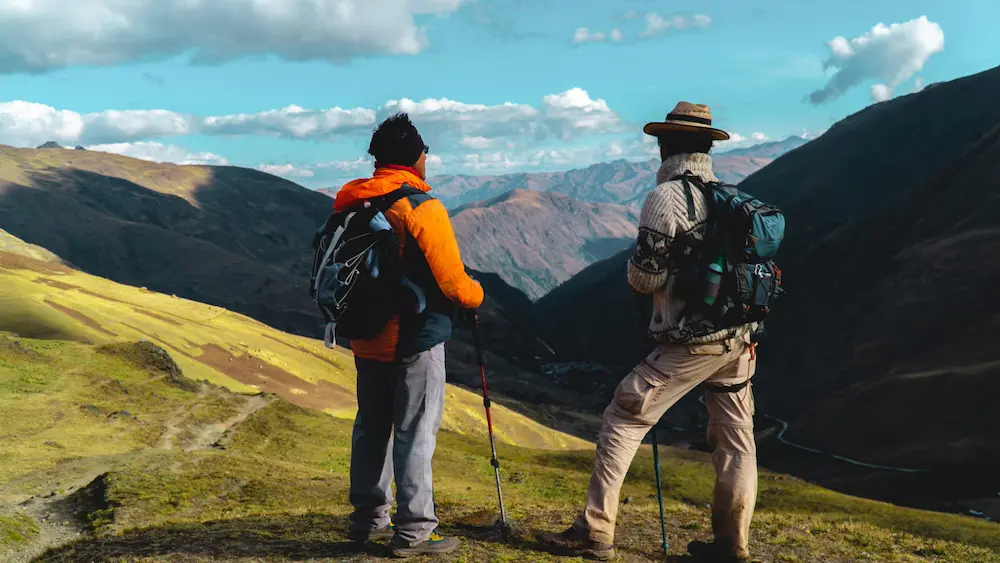
During winter, Cusco offers a wide range of activities that take full advantage of the dry weather and clear skies. From iconic archaeological sites to immersive cultural experiences, this season allows travelers to explore the region without weather-related limitations.
Visiting Machu Picchu tours during winter means a higher chance of clear views and minimal rain interruptions. Early morning visits are especially rewarding, as the sunrise over the citadel can be spectacular.
The dry season also allows for easier navigation within the site, making the overall experience more comfortable and visually impressive.
Additionally, clearer weather conditions increase the likelihood of capturing iconic panoramic views, something that many travelers prioritize when visiting this world-renowned destination. With less humidity and fewer clouds, the overall atmosphere feels sharper and more vibrant, enhancing both the visual and emotional impact of the visit.
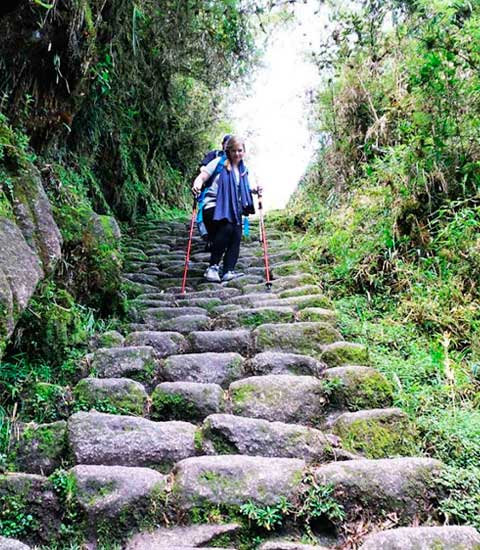
Winter is the best time to hike the Inca Trail, as conditions are safer and more predictable. Permits sell out quickly during these months, so early booking is essential.
Alternative treks such as Salkantay or Lares are also excellent options, offering diverse landscapes and fewer crowds while still benefiting from the dry season.
Another advantage of trekking during this season is the improved trail visibility and stability, which allows hikers to fully enjoy the scenery without worrying about slippery or muddy paths. This creates a more enjoyable and secure experience, especially for those doing multi-day hikes in high-altitude environments.
The Sacred Valley is particularly enjoyable during winter, with sunny days perfect for exploring archaeological sites, markets, and traditional villages.
Travelers can take their time visiting places like Pisac, Ollantaytambo, and Moray without worrying about rain, making it easier to fully appreciate the cultural richness of the region.
Moreover, the dry weather enhances mobility between destinations, allowing for smoother day trips and more flexible itineraries. This makes it possible to combine multiple sites in one day without disruptions, maximizing the overall travel experience.
Winter coincides with some of Peru’s most important cultural celebrations, including Inti Raymi in June. These events provide a unique opportunity to experience Andean traditions and history.
Participating in local festivals adds depth to the trip, allowing travelers to connect with the culture beyond typical sightseeing.
These celebrations also offer a more immersive perspective of local identity, with traditional music, dance, and rituals bringing history to life. For many travelers, these cultural experiences become one of the most memorable highlights of their journey through Cusco.
You might also want to check out: Visiting Peru in May | Weather, destinations, and travel tips
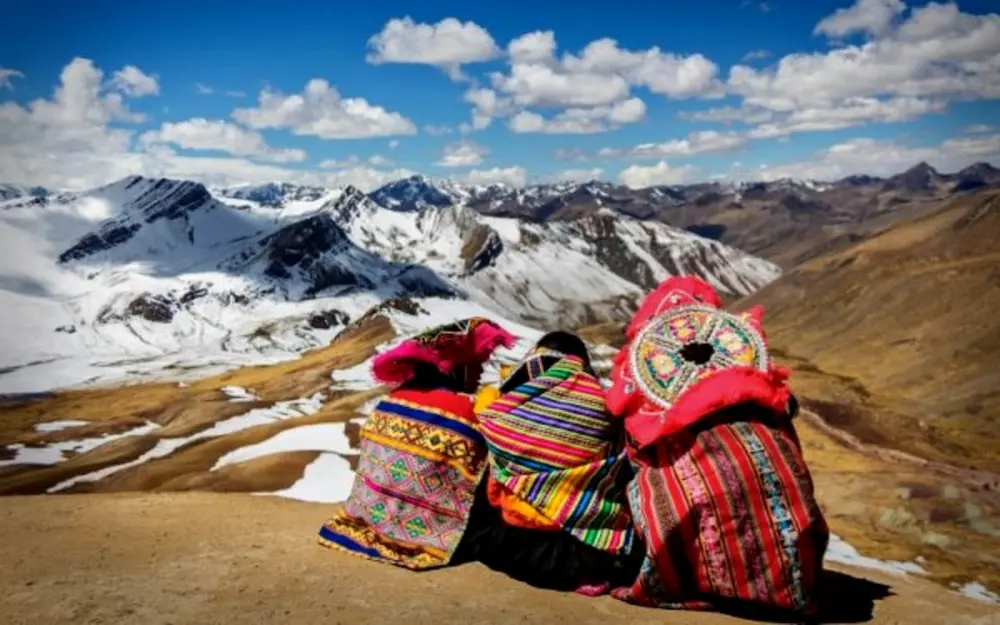
Packing correctly for winter in Peru can make a big difference in your overall travel experience. Due to temperature variations between day and night, being prepared with the right clothing and gear is essential for comfort and safety.
Temperatures in Cusco can drop significantly at night, so warm clothing is essential. Travelers should pack thermal layers, a good jacket, gloves, and a hat to stay comfortable.
Even though daytime temperatures can be pleasant, the contrast between day and night requires preparation for both conditions.
Layering is key when traveling in Peru during winter. Mornings can start very cold, but temperatures rise quickly once the sun is out.
Wearing multiple light layers allows travelers to adjust easily throughout the day, ensuring comfort during different activities and locations.
Accessories such as sunglasses, sunscreen, and lip balm are crucial due to strong sun exposure at high altitude. The sun in the Andes can be intense, even on cooler days.
A reusable water bottle and comfortable walking shoes are also essential for staying hydrated and mobile during excursions.
Planning ahead is especially important when traveling during Peru’s winter season. With increased demand and unique environmental factors like altitude, following practical tips can significantly improve your experience.
Altitude sickness is a common concern in Cusco. Travelers should spend the first day resting, staying hydrated, and avoiding heavy meals or alcohol. Gradual acclimatization helps the body adjust and ensures a more enjoyable experience when exploring higher areas.
It is also recommended to begin with light activities, such as walking around the المدينة or visiting lower-altitude مناطق like the Sacred Valley before attempting more demanding excursions. Listening to your body and allowing enough time to adapt can make a significant difference in your overall trip.
winter in Peru is peak season, so availability for trains, entrance tickets, and guided tours can be limited. Booking in advance is highly recommended to secure preferred dates. Planning ahead also allows travelers to choose better schedules and avoid last-minute stress.
This is especially important for high-demand experiences such as Machu Picchu and the Inca Trail, where permits and entry tickets can sell out weeks or even months in advance. Early reservations also provide more flexibility in choosing departure times and tour options.
Even though temperatures are cooler, UV radiation is stronger at high altitudes. Wearing sunscreen daily is essential to avoid sunburn. Protective clothing, hats, and sunglasses help reduce exposure and keep travelers comfortable throughout the day.
It is also important to reapply sunscreen throughout the day, especially during outdoor activities like hiking or sightseeing. Staying protected from the sun not only prevents discomfort but also helps maintain energy levels during long days of exploration.
You might also want to check out: 30 Best souvenirs from Peru | Gifts to bring home from your trip
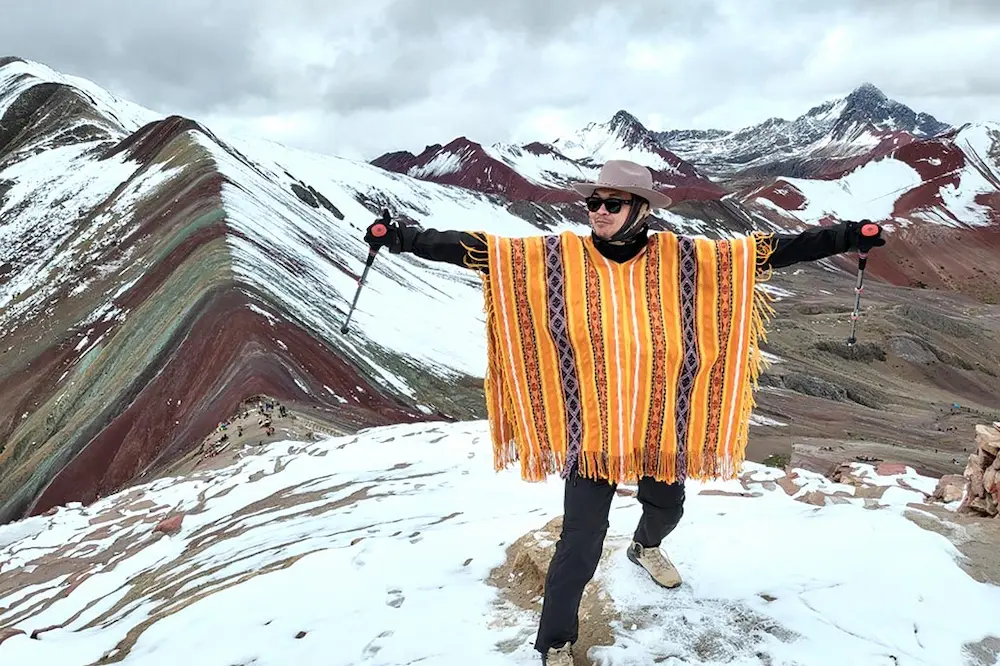
Like any travel season, winter in Peru has both advantages and disadvantages. Understanding these factors helps travelers set realistic expectations and plan accordingly.
The main advantage of winter travel is the reliable weather. Clear skies and dry conditions enhance nearly every aspect of the travel experience.
It is also the best time for trekking, photography, and exploring outdoor attractions without interruptions.
The biggest downside is the higher number of tourists, especially in popular destinations like Cusco and Machu Picchu.
Prices for accommodations and tours may also increase during this period, making early planning important for managing costs.
Not every traveler has the same expectations, and winter in Peru may suit some profiles better than others. Identifying whether this season aligns with your travel style is key to making the most of your trip.
Winter is perfect for active travelers, adventure seekers, and those interested in trekking and cultural exploration.
It is also ideal for first-time visitors who want the most predictable weather conditions for iconic experiences.
Travelers looking for fewer crowds or lower prices might prefer the shoulder or rainy seasons.
Those sensitive to cold temperatures at night may also find other seasons more comfortable.
Proper planning is essential to fully enjoy everything Cusco has to offer during winter. From itinerary design to logistics, making informed decisions can enhance both comfort and overall experience.
Travelers should consider their interests when planning their itinerary. Adventure-focused visitors may prioritize trekking routes, while others may prefer cultural tours and relaxed exploration.
Balancing activities ensures a more enjoyable and less rushed experience.
A well-rounded trip typically requires at least 4 to 6 days in Cusco and the surrounding areas. This allows time for acclimatization, city exploration, and visiting nearby highlights.
Adding extra days provides flexibility and a more immersive experience.
Working with a local tour operator provides valuable insights, logistical support, and access to curated experiences.
Local expertise ensures smoother coordination and enhances the overall trip, especially during the busy winter season.
Traveling to Peru in winter is one of the best decisions you can make if you want to fully enjoy destinations like Cusco, Machu Picchu, and the entire Andean region. The weather is a huge help: sunny days, little rain, and ideal conditions for trekking, tours, and exploring without any hassle.
That said, it's also peak season, so everything moves faster: there are more people, and booking in advance is key. But honestly, it's totally worth it for everything this time of year has to offer.
If you're looking for a trip that combines adventure, culture, and breathtaking landscapes, winter in Peru is perfect for you. With a little planning and some good advice, you can have an incredible experience from beginning to end.