Image
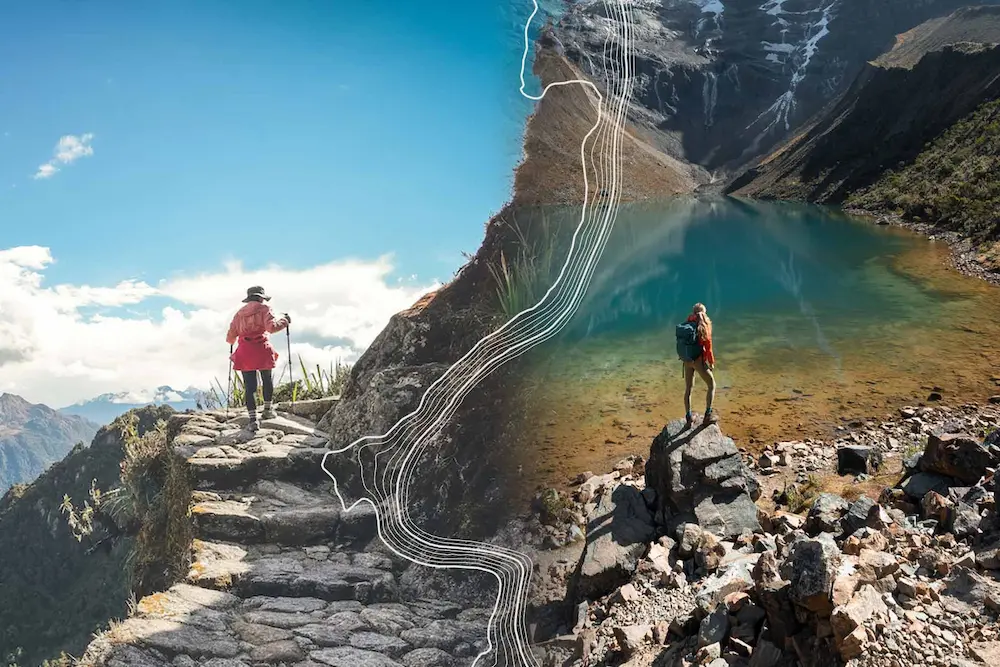
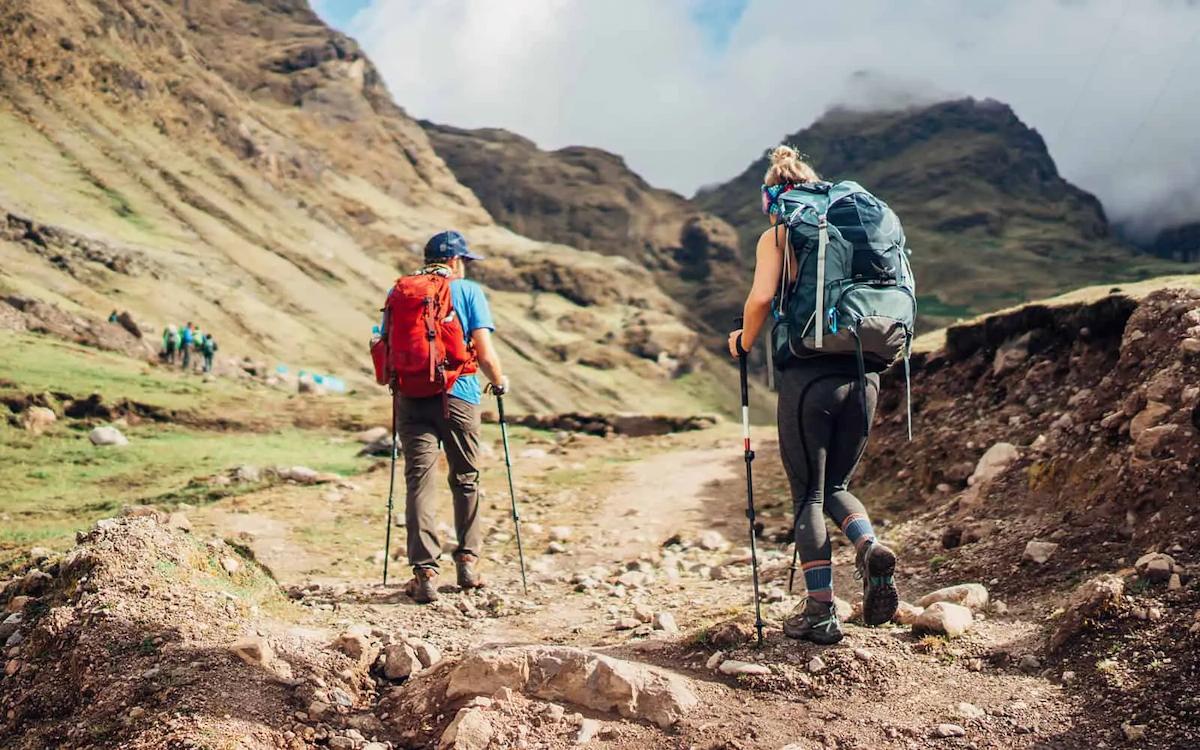
You're not alone if you're considering a vacation to Peru and find yourself debating between trekking vs hiking. Many people believe it's essentially the same, but in reality, it can significantly impact your vacation. When you were hoping for a leisurely stroll with beautiful scenery, you don't want to wind up on a strenuous hike, exhausted, do you?
Here in Peru, you’ve got everything—from easy hikes where you just enjoy the scenery, take photos, and go at your own pace, to more intense treks that take you deep into the Andes, where things get a bit more real. So yeah, before you decide, it’s worth understanding what each one really means. In this guide, we’ll break it down nice and easy, sin mucho floro, so you can choose what actually fits your vibe, your time, and your energy.
When planning an adventure trip to Peru, many travelers come across the comparison trekking vs hiking and assume both terms describe the same activity. However, understanding the difference between them is essential for making the right decision and ensuring a safe and enjoyable experience. Choosing incorrectly can lead to physical exhaustion, poor preparation, or even missing out on the type of adventure you were truly looking for.
Peru offers a wide range of landscapes, from high-altitude mountain trails in the Andes to gentle valley walks surrounded by cultural sites. Because of this diversity, knowing whether you are signing up for a hike or a trek will help you align your expectations with reality. This is especially important for international travelers who may not be familiar with altitude conditions or multi-day expeditions.
Hiking is generally defined as a short-distance walk that can be completed within a day. These routes are typically well-marked, easier to navigate, and require minimal technical preparation. Hiking is ideal for travelers who want to experience Peru’s natural beauty without committing to a physically demanding or time-intensive activity.
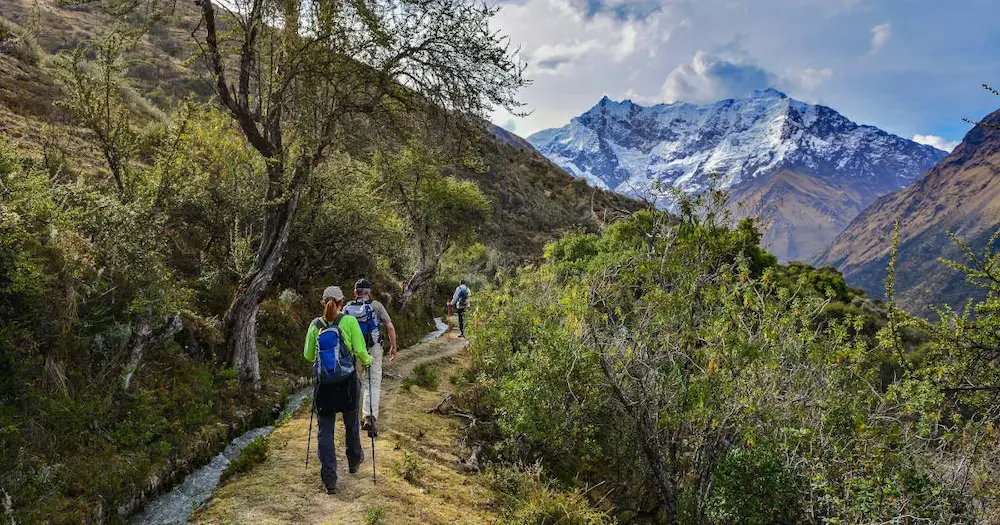
Trekking, in contrast, involves multi-day journeys through more remote and often challenging environments. It usually includes overnight stays, either camping or in basic lodges, and requires a higher level of physical endurance. Trekking routes in Peru often cross mountain passes, remote valleys, and less accessible regions, making the experience more immersive but also more demanding.
One of the most important distinctions in the trekking vs hiking comparison is the level of difficulty and duration. Hiking routes are typically shorter, lasting a few hours to a full day, and allow for flexible pacing. This makes them accessible to a wide range of travelers, including families and those without prior outdoor experience.
Trekking, on the other hand, requires sustained physical effort over multiple days. Participants should be prepared for long walking hours, varying weather conditions, and limited access to modern amenities. The increased difficulty also means that proper preparation, including physical conditioning and acclimatization, becomes essential.
Peru’s geography plays a major role in defining both hiking and trekking experiences. Hiking routes are often found in areas such as valleys, foothills, or near major tourist hubs where trails are maintained and easier to access. These routes still offer stunning views but with fewer logistical challenges.
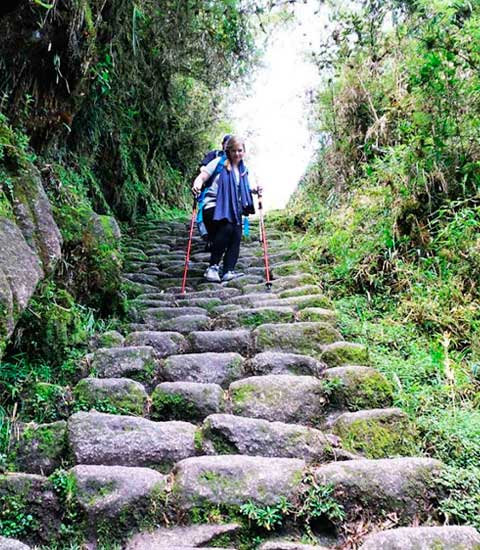
Trekking routes take place in more rugged environments, especially in the Andes. Travelers can expect uneven paths, steep ascents, and significant altitude changes. Weather conditions can shift quickly, and temperatures may vary dramatically between day and night. This makes trekking a more adventurous and unpredictable experience.
You might also want to check out: Visiting Peru in May | Weather, destinations, and travel tips
Deciding between trekking vs hiking ultimately depends on your personal preferences, physical condition, and travel goals. There is no universal “better” option, only the one that aligns best with your expectations and capabilities.
For travelers visiting Peru for the first time or those who prefer a more relaxed pace, hiking is an excellent choice. It allows you to explore breathtaking landscapes without requiring extensive preparation or high physical endurance. Hiking is also ideal for travelers who want to enjoy nature while still having time for cultural experiences, city tours, or gastronomy.
Additionally, hiking provides a great introduction to Peru’s altitude conditions. Since many routes are shorter, you can gradually adapt without overexerting yourself, making your overall trip more enjoyable.
For those seeking a deeper and more transformative experience, trekking offers something truly unique. Multi-day treks allow you to disconnect from daily routines and fully immerse yourself in nature. The sense of accomplishment after completing a challenging route is often one of the highlights of traveling in Peru.
Trekking also opens the door to less crowded and more authentic destinations. You will often pass through remote communities, interact with locals, and witness landscapes that are inaccessible through standard tours.
Before deciding between trekking vs hiking, it is crucial to evaluate several factors. Altitude is one of the most important, as many destinations in Peru are located above 3,000 meters. Without proper acclimatization, even simple activities can become difficult.
Weather conditions should also be considered, as the Andean climate can be unpredictable. Finally, your fitness level and previous experience will determine how comfortable and safe your experience will be. Being honest about your limits will help you choose the right option.
Peru is an outstanding destination for beginner-friendly hiking, offering a wide range of routes that combine accessibility with breathtaking scenery. What makes Peru especially attractive is that you don’t need to be an experienced hiker to enjoy its landscapes. Many trails are short, well-marked, and located near major tourist hubs, making them perfect for travelers who want to explore nature without committing to a multi-day trek.
For first-time visitors, hiking is also one of the best ways to gradually adapt to Peru’s altitude while still experiencing the beauty of the Andes. Whether you’re looking for panoramic viewpoints, cultural encounters, or peaceful nature walks, there are plenty of options that deliver unforgettable moments without pushing your limits too far.
The region around Cusco is one of the best places to start hiking in Peru, especially for beginners. Thanks to its location in the Andes, it offers a variety of day hikes that combine accessibility with stunning mountain scenery. Many of these routes can be completed in just a few hours, allowing you to return to your accommodation the same day.
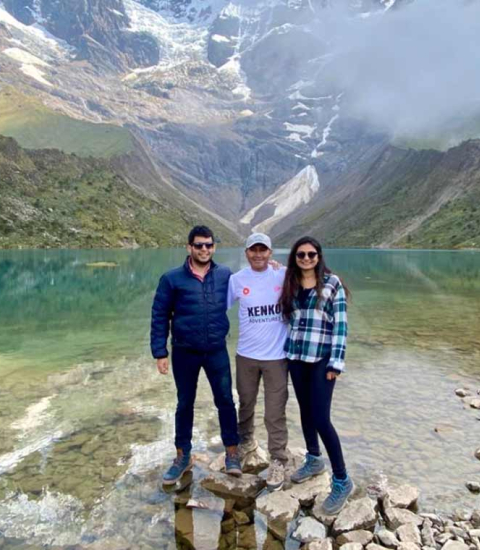
These hikes often include visits to high-altitude lagoons, rolling hills, and scenic viewpoints overlooking the valley. They are also ideal for acclimatization, as they allow your body to slowly adjust to the altitude while staying active. The terrain is usually manageable, with gradual inclines and well-defined paths, making it suitable even for travelers with limited hiking experience.
Another advantage of hiking near Cusco is the proximity to cultural landmarks. Some trails pass near ancient sites and traditional communities, adding a cultural layer to the experience. This makes each hike not just a physical activity, but also an opportunity to connect with the region’s history and lifestyle.
The Sacred Valley is one of the most iconic regions in Peru and an excellent destination for easy and scenic hikes. Known for its fertile landscapes and deep cultural roots, the valley offers a unique combination of nature and history that few places in the world can match.
Hiking in this area allows travelers to walk through traditional Andean villages, observe local farming practices, and explore ancient agricultural terraces that are still in use today. The trails are generally less steep than those in higher mountain regions, making them more comfortable for beginners.
In addition to its accessibility, the Sacred Valley stands out for its variety. You can choose between short walks connecting villages, gentle uphill hikes to viewpoints, or routes that include visits to archaeological sites. This flexibility makes it easy to tailor your experience based on your energy level and interests.
One of the best things about hiking in Peru is that you don’t need to go far or push too hard to enjoy incredible views. Across the country, there are many short and easy trails that reward you with dramatic landscapes, from mountain peaks and valleys to lakes and unique geological formations.
These hikes are perfect for travelers who want to take stunning photos, enjoy peaceful surroundings, and experience Peru’s natural beauty without the physical demands of trekking. Many of these routes are designed as half-day or even shorter excursions, making them easy to fit into any itinerary.
Despite their simplicity, these trails often offer some of the most memorable scenery. Clear mountain skies, wide-open landscapes, and the contrast of colors in the Andes create a visual experience that feels just as rewarding as more challenging routes.
For beginners, these easy hikes are also a great way to build confidence and get a taste of outdoor adventure in Peru. They allow you to enjoy the essence of the Andes at your own pace, without pressure, and with plenty of opportunities to rest, take photos, and simply take it all in.
For travelers looking for a more challenging and immersive experience, Peru offers some of the most iconic trekking routes in the world. Unlike hiking, trekking takes you deeper into remote landscapes, where the journey becomes more than just physical activity—it turns into a complete experience that combines nature, culture, and personal achievement.
These routes are designed for those who want to disconnect, explore beyond the typical tourist spots, and fully experience the diversity of the Andes over several days.
Peru is home to world-famous trekking routes that attract adventurers from all over the world. These multi-day treks usually last between two to five days and take you through a variety of landscapes, including mountain passes, valleys, and cloud forests.
Along the way, you will experience changing environments, challenging terrain, and incredible panoramic views. Completing one of these routes often brings a strong sense of accomplishment, making it one of the highlights of any trip to Peru.
Beyond the well-known routes, Peru also offers many alternative trekking options that are less crowded but equally impressive. These treks are ideal for travelers who prefer a quieter and more personal experience, بعيد from busy trails.
They often provide a deeper connection with nature, allowing you to enjoy the landscapes at your own pace while avoiding large groups. In many cases, these routes feel more authentic and untouched.
One of the most unique aspects of trekking in Peru is the strong connection between nature and local culture. Many trekking routes pass through remote Andean communities where traditions have been preserved for generations.
This allows travelers to not only explore stunning environments but also gain insight into local lifestyles, customs, and daily routines. It adds a meaningful cultural dimension to the journey, making the experience much richer and more memorable.
You might also want to check out: 30 Best souvenirs from Peru | Gifts to bring home from your trip
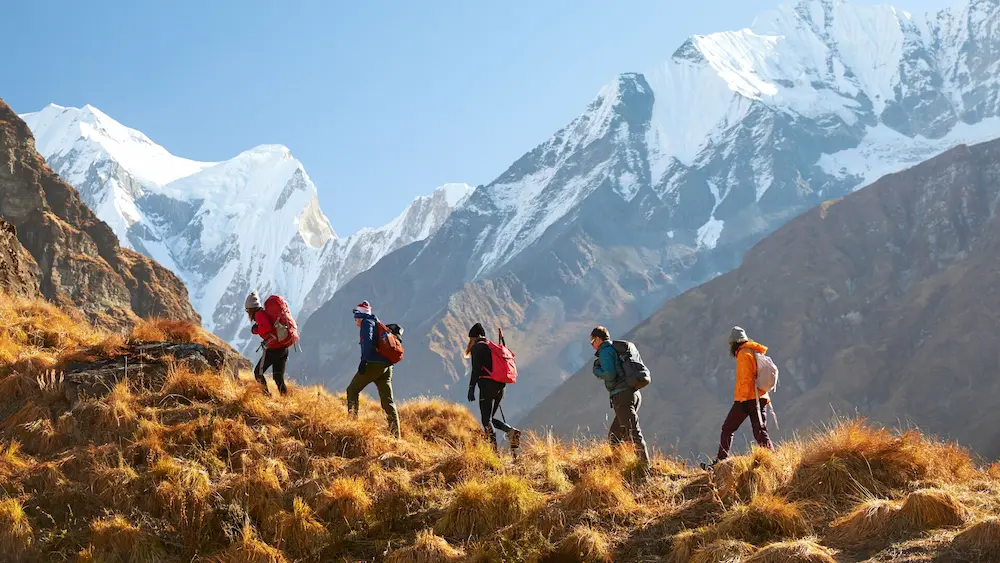
Understanding the advantages and limitations of trekking vs hiking can help you make a smarter decision based on your travel style, available time, and expectations. While both activities allow you to explore Peru’s landscapes, the type of experience they offer can be very different.
Hiking is an excellent option for travelers who have limited time or prefer a more relaxed and flexible itinerary. Since most hikes can be completed in a few hours or within a single day, they are easy to fit into a broader travel plan that includes cultural visits, food experiences, and city exploration.
Another key advantage is that hiking requires minimal preparation and equipment. You don’t need technical gear or prior experience, which makes it accessible to almost anyone. It also allows you to enjoy impressive scenery without putting too much strain on your body, making it ideal for beginners or those adjusting to altitude.
Trekking offers a much deeper and more immersive experience, especially for travelers seeking adventure and a stronger connection with nature. Spending several days on the trail allows you to fully disconnect from daily routines and engage with the environment in a more meaningful way.
In addition to the physical challenge, trekking gives you access to remote areas that are not reachable on shorter hikes. This makes the experience more unique and rewarding, as you get to explore less-visited landscapes and enjoy a sense of isolation that is hard to find in more accessible locations.
Both hiking and trekking can include cultural elements, but trekking generally provides a richer connection. Because these routes often pass through remote Andean communities, travelers have more opportunities to interact with locals and observe traditional ways of life.
This extended exposure creates a more authentic experience, where culture is not just something you see briefly, but something you experience throughout the journey.
You might also want to check out: Inti the Sun God: history, meaning, and legacy in Inca culture
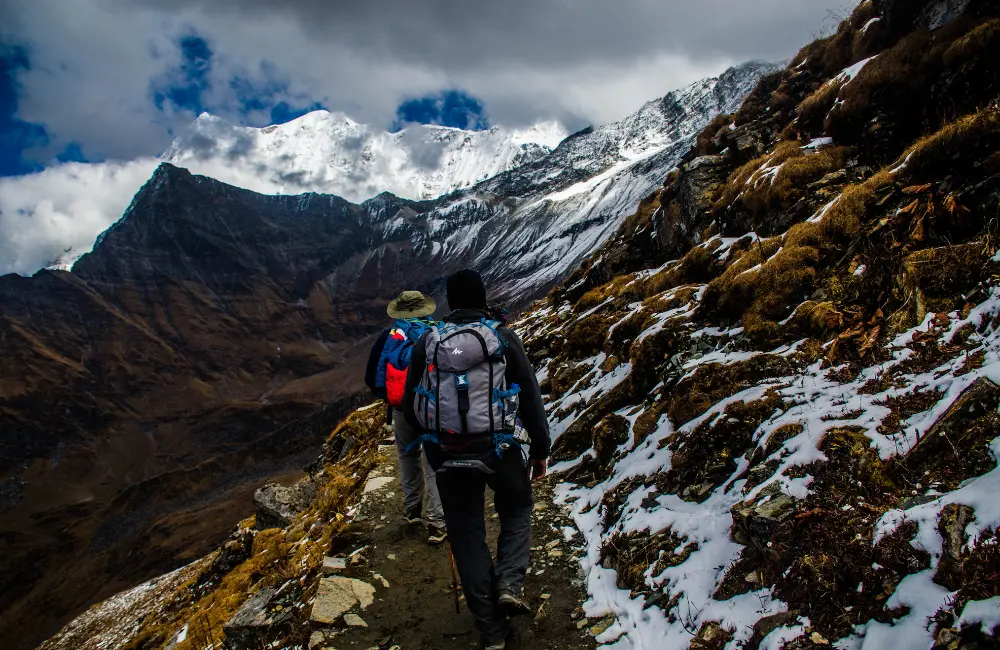
Many travelers make avoidable mistakes when deciding between trekking and hiking in Peru, often because they underestimate the conditions or don’t fully understand what each activity involves. These mistakes can lead to unnecessary discomfort, fatigue, or even safety issues, affecting the overall travel experience.
Being aware of these common errors will help you plan better and choose an option that truly matches your expectations and abilities.
One of the most frequent mistakes is assuming that trekking is just a longer version of hiking. In reality, trekking in Peru can be significantly more demanding due to altitude, terrain, and duration. Multi-day treks often involve steep ascents, long walking hours, and limited access to facilities.
Without proper preparation, both physically and mentally, trekking can quickly become overwhelming. Travelers who underestimate the challenge may struggle to complete the route or fail to enjoy the experience. Taking the time to understand the level of difficulty and preparing accordingly is essential.
Another common mistake is not allowing enough time to adjust to the altitude. Many destinations in Peru are located at high elevations, where oxygen levels are lower and physical performance can be affected.
Skipping acclimatization can lead to altitude sickness, which may include headaches, fatigue, and shortness of breath. This can turn what should be an enjoyable activity into a difficult and uncomfortable experience. Spending at least one or two days adapting before starting a hike or trek is a simple but crucial step.
Not all routes are suitable for every traveler, yet many people choose their hike or trek based only on photos or popularity. Without researching key details such as distance, elevation gain, terrain, and weather conditions, it is easy to end up on a route that does not match your level.
Taking the time to understand what each route involves will help you avoid surprises and ensure a safer and more enjoyable experience.
You might also want to check out: Why was Machu Picchu so important to the Incas?
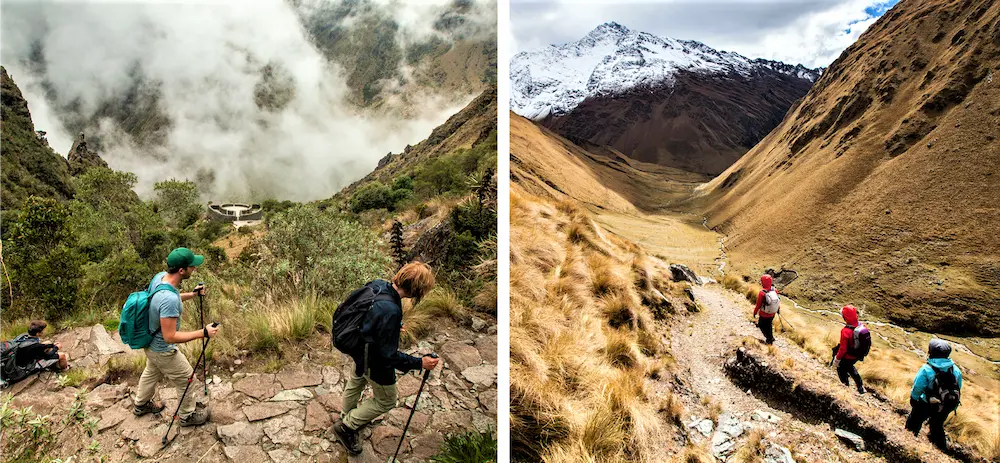
Choosing between trekking and hiking ultimately comes down to aligning your expectations with your physical ability, available time, and travel goals. Making the right decision will allow you to fully enjoy Peru’s landscapes without unnecessary stress or discomfort.
Your schedule plays a major role in this decision. If you have limited time, hiking is the most practical option, as it can be done in a few hours or within a single day. It also allows you to combine outdoor activities with cultural visits and other experiences.
If you have more time and want a deeper connection with nature, trekking is a great choice. Multi-day routes provide a more complete and immersive adventure.
Being honest about your physical condition and previous experience is key. If you are new to outdoor activities or not used to high altitudes, starting with hiking is a safer and more enjoyable option.
For more experienced travelers who are comfortable with long walks and changing conditions, trekking can offer a more rewarding challenge. Choosing a route that matches your level will make a big difference in how much you enjoy the experience.
Finally, think about the type of trip you want to have. If your goal is to relax, take photos, and enjoy the scenery at your own pace, hiking is the ideal option.
If you are looking for a more adventurous and immersive journey, trekking will give you that sense of challenge and discovery. Peru offers both experiences, so the best choice is the one that aligns with your travel style and expectations.
You might also want to check out: Inca Food: traditional dishes and ingredients
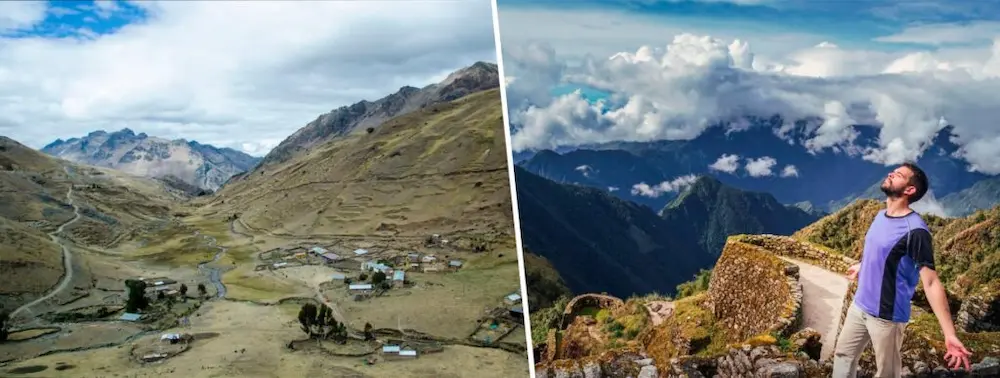
Planning your trekking or hiking experience with the support of local experts can significantly enhance your trip. Professional guidance ensures safety, efficiency, and access to the best routes available.
Working with a tour operator provides peace of mind. From logistics to safety, everything is handled so you can focus on enjoying your experience.
Selecting the right tour involves understanding your needs and matching them with the appropriate level of difficulty and duration.
A local operator can create a personalized itinerary tailored to your preferences, ensuring that your adventure in Peru is both memorable and well-suited to your expectations.
Ultimately, choosing between trekking vs hiking in Peru isn't about which is better, but rather what suits you best.Hiking is the best option if you're looking for something easy, adaptable, and still quite beautiful. Trekking, however, is where the magic happens if you're feeling daring and want something more difficult and engaging.
Just take your time, be aware of your limitations, and ensure that you are adequately acclimated before going a la loca. This is the crucial portion. Additionally, hiring local specialists is usually a smart idea if you want things to go well. In this manner, you can simply enjoy, absorb everything, and fully experience Peru without worrying about anything.