Image

Parks in Peru are some of the most breathtaking and diverse landscapes you can explore in South America. From the Amazon rainforest teeming with wildlife to the high Andes with snow-capped peaks and unique flora, these protected areas offer unforgettable experiences for nature lovers, adventure seekers, and families alike. Visiting Peru’s national parks is more than a journey into nature, it’s an immersion into the cultural and ecological richness that defines this remarkable country. In this guide, we’ll explore the most famous parks, their unique wildlife, hiking trails, and practical tips to enjoy these natural wonders safely and sustainably, making your 2026 trip truly memorable.
Visiting the national parks in Peru is not only a chance to witness breathtaking landscapes, but also an opportunity to deeply connect with nature, support conservation efforts, and understand the critical role these protected areas play in preserving the country’s unique biodiversity. From the lush Amazonian rainforests to the high Andes mountains, Peru’s parks serve as living museums of flora and fauna, as well as cultural heritage sites. For travelers, exploring these areas goes beyond sightseeing, it’s a meaningful experience that contributes to the sustainability and protection of fragile ecosystems, while also boosting local communities and scientific research.
Peru’s national parks are home to countless endemic and endangered species. They play a crucial role in regulating ecosystems, maintaining water cycles, and reducing the effects of climate change. By protecting these natural spaces, Peru preserves the habitats of rare species like the Andean condor, spectacled bear, and jaguar, while also supporting the global fight against biodiversity loss. Visitors learn firsthand how fragile these environments are and the importance of sustainable tourism practices.
Eco-tourism in Peru generates vital income for communities living near parks, creating sustainable livelihoods. Local guides, lodges, and artisanal markets benefit directly from visitors who explore the parks responsibly. This tourism revenue helps fund conservation projects, maintain trails, and educate both locals and travelers about the ecological and cultural significance of these areas.
National parks are natural classrooms where scientists, students, and conservationists study wildlife behavior, plant species, and environmental changes. They allow for long-term research initiatives that contribute to global knowledge about biodiversity, climate change, and ecological balance. Visitors often participate in educational tours that highlight conservation efforts, making each trip both informative and inspiring.
Many parks preserve not only nature but also archaeological and historical treasures, such as ancient trails, ceremonial sites, and indigenous settlements. Visiting these parks offers insight into the long-standing connection between humans and nature in Peru, providing a cultural layer to every adventure.
Spending time in Peru’s parks promotes physical and mental well-being. Trekking through the Andes, observing wildlife in the Amazon, or simply enjoying the serenity of untouched landscapes encourages mindfulness, reduces stress, and fosters a deep appreciation for nature.
Peru’s parks contribute to international efforts in biodiversity conservation and climate resilience. By protecting vast tracts of rainforest and high-altitude ecosystems, these areas act as carbon sinks, regulate weather patterns, and serve as models for sustainable environmental management worldwide.
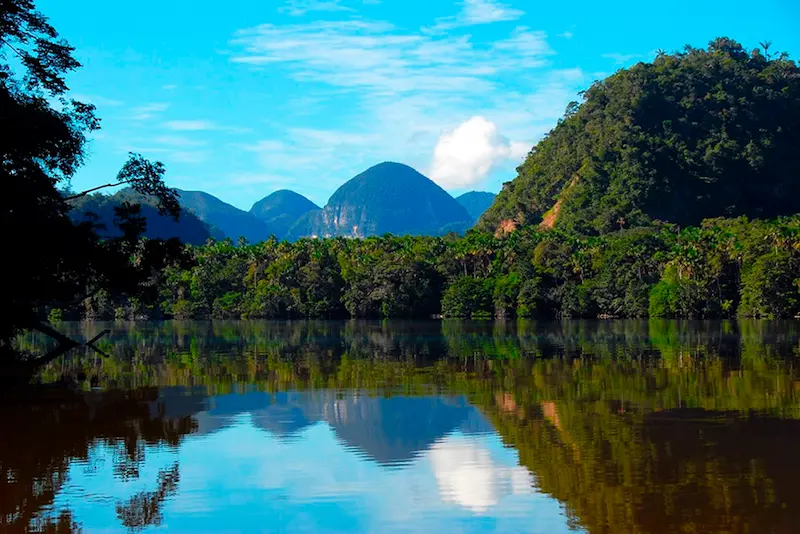
Peru is home to some of the most diverse and breathtaking national parks in the world. Visiting these protected areas gives travelers the opportunity to explore unique ecosystems, spot rare wildlife, and immerse themselves in nature. From the Amazon rainforest to the high Andes and coastal deserts, these parks are essential destinations for anyone looking to experience the full beauty and biodiversity of Peru. Here’s a detailed look at the top 10 national parks in the country.
Located deep in the Amazon basin, Manu National Park is a UNESCO World Heritage site renowned for its extraordinary biodiversity. The park is home to over 1,000 bird species, jaguars, monkeys, and countless other animals. Visitors can take guided jungle treks, explore river cruises, and meet indigenous communities who have lived in harmony with the rainforest for centuries. Manu is ideal for eco-tourists and wildlife enthusiasts seeking an immersive and educational experience.
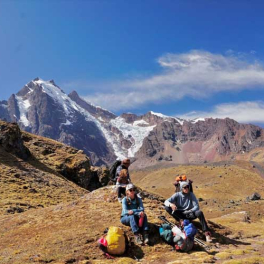
Nestled in the Cordillera Blanca, Huascarán National Park features snow-capped peaks, glacial lakes, and high-altitude trekking routes. This park is perfect for mountaineers, hikers, and photographers. Its stunning landscapes showcase the grandeur of the Andes mountains, with panoramic views of peaks, valleys, and glacial formations. Visitors can also explore traditional Andean villages nearby, making it a mix of adventure and cultural experience.
Tambopata is a paradise for wildlife enthusiasts. Located in the Amazon rainforest, it offers canopy walks, river excursions, and unparalleled birdwatching. Travelers can spot macaws, giant river otters, capybaras, and a rich variety of flora. The reserve is perfect for guided tours focused on ecological education, photography, and sustainable tourism experiences.
Paracas, along the southern coast, features a unique blend of desert and marine ecosystems. Visitors can explore the Ballestas Islands, home to sea lions, Humboldt penguins, and numerous seabird species. The reserve also offers stunning desert landscapes, scenic viewpoints, and cultural history connected to pre-Columbian civilizations. Paracas is ideal for photography, wildlife observation, and coastal exploration.
5. Pacaya-Samiria National Reserve
As one of the largest protected areas in the Amazon, Pacaya-Samiria is a haven for biodiversity. The flooded forests host pink river dolphins, giant otters, and countless bird species. Travelers can enjoy boat tours, fishing excursions, and guided nature walks. This reserve provides an authentic Amazon experience while emphasizing sustainable tourism and conservation awareness.
Located in the southeastern Amazon, Bahuaja-Sonene protects rainforest, savannas, and wetland ecosystems. It’s home to jaguars, tapirs, giant river otters, and diverse bird species. Visitors can explore trails, rivers, and observation points, enjoying a remote and pristine environment ideal for eco-tourism and wildlife photography.
Cordillera Azul is a vast park in northern Peru featuring cloud forests, rivers, and montane ecosystems. It’s a hotspot for biodiversity, with endangered species like the Andean bear and harpy eagle. The park offers hiking, birdwatching, and cultural immersion with nearby communities.
Cutervo, in northern Peru, is the country’s oldest national park. It protects high-altitude forests and numerous caves. The park is home to spectacled bears, Andean condors, and rare amphibians. Visitors can enjoy trekking, ecological tours, and studying the unique flora and fauna of the northern Andes.
Tingo Maria is famous for its unique landscapes, including waterfalls, cliffs, and tropical forests. It’s an excellent destination for hiking, photography, and wildlife observation. The park offers trails that pass through lush vegetation and provide scenic viewpoints of the central Peruvian Andes.
Río Abiseo, a UNESCO World Heritage site, preserves the Chancay-Lambayeque culture and remote Amazonian ecosystems. Visitors can explore archaeological ruins, waterfalls, and dense jungle. It’s ideal for adventurous travelers seeking both cultural heritage and biodiversity.
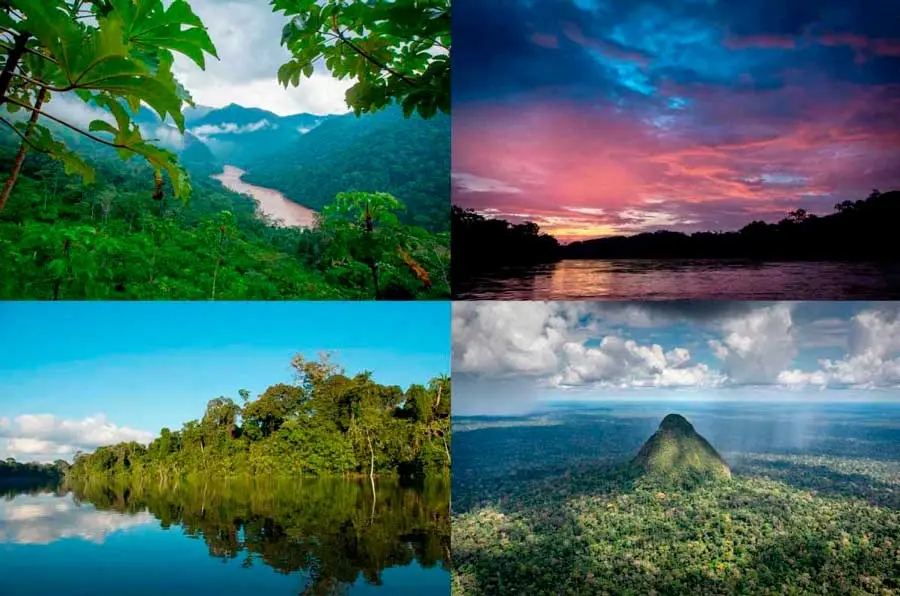
Peru is one of the most biodiverse countries in the world, and its government has designated a wide range of protected areas to conserve its unique ecosystems. These protected areas include national parks, national reserves, wildlife refuges, communal reserves, and historical sanctuaries. Understanding the scope of these parks helps travelers appreciate the diversity of habitats, species, and cultural heritage preserved across the country. Whether exploring the Amazon, the Andes, or the coastal deserts, knowing how many protected areas exist highlights the importance of conservation and sustainable tourism.
Peru has 13 officially designated national parks, managed under SINANPE (National System of Protected Natural Areas). These parks protect a wide range of ecosystems, from the Amazon rainforest to the high Andes, and include world-renowned parks such as Manu, Huascarán, and Tambopata. National parks are critical for preserving biodiversity, safeguarding endangered species, and providing natural spaces for tourism and research.
There are 18 national reserves in Peru, which complement the national parks by protecting specific resources such as wetlands, unique flora and fauna, and critical watersheds. Examples include Pacaya-Samiria, famous for its flooded forests and river wildlife, and Paracas National Reserve, which protects coastal ecosystems and marine species. National reserves often allow controlled economic activities, such as sustainable fishing, while maintaining strict environmental protections.
Altogether, Peru has 77 protected areas, including national parks, national reserves, wildlife refuges, communal reserves, sanctuaries, and reserved zones. These areas collectively cover over 15% of Peru’s territory. Each type of protected area has specific management goals, ranging from biodiversity conservation to cultural heritage preservation, offering travelers diverse experiences while supporting conservation initiatives.
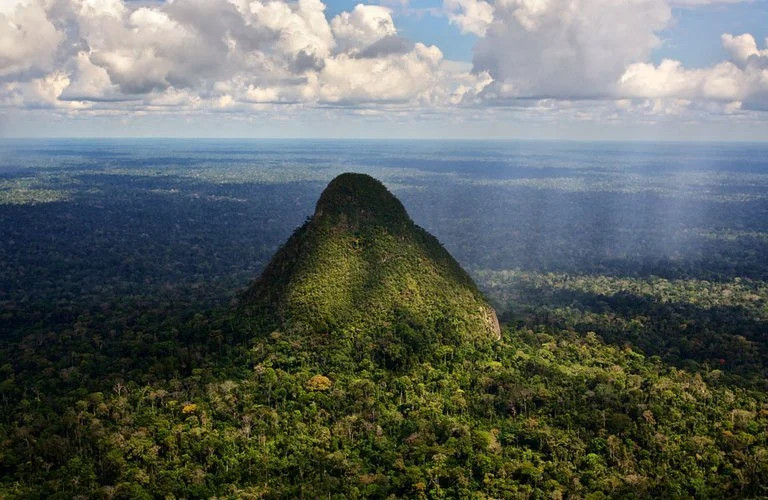
Exploring Peru’s national parks offers far more than just sightseeing. These parks are living laboratories of biodiversity, culture, and adventure. Whether you’re a nature lover, an adventure seeker, or a cultural enthusiast, there’s an activity for every type of traveler. Understanding the wide range of experiences available in Peru’s protected areas helps visitors plan their trip, discover unique landscapes, and connect with the local wildlife and communities.
Spotting Peru’s incredible wildlife is one of the highlights of visiting national parks. From majestic Andean condors soaring above the mountains to playful monkeys swinging through the Amazon canopy, the diversity is staggering. Many parks also host rare amphibians, giant river otters, and elusive jaguars. Guided tours ensure safety, teach ecological respect, and provide insight into animal behavior, making this a fascinating and responsible way to experience Peru’s fauna.
Peru’s landscapes are perfect for hiking enthusiasts. Trails range from gentle walks through cloud forests to challenging high-altitude treks in the Andes. Parks like Huascarán, Ausangate, and Manu offer routes that showcase glaciers, lakes, waterfalls, and spectacular vistas. Each hike provides an immersive experience with local flora and fauna, and expert guides ensure both safety and educational insight along the way.
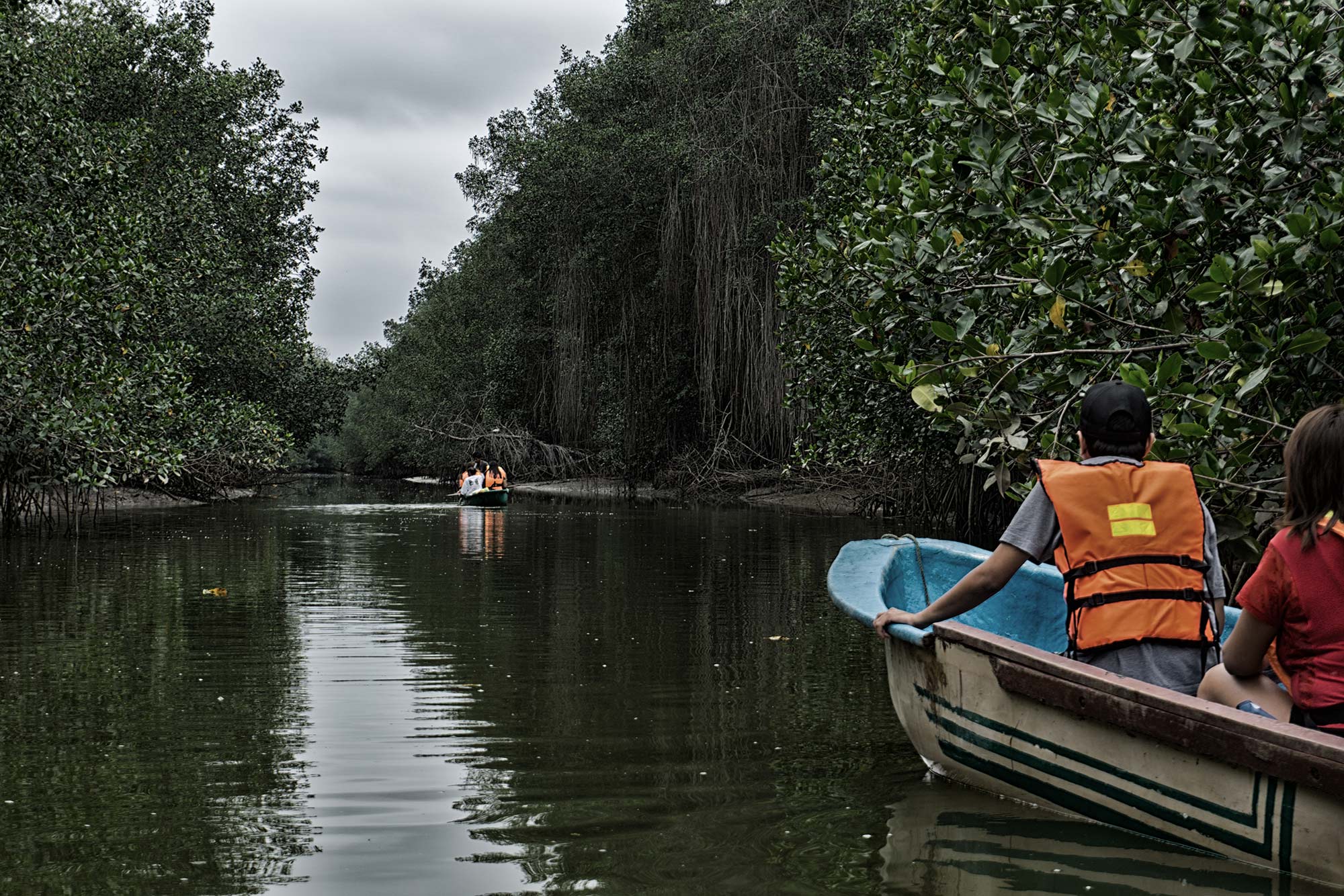
Peru’s parks are rich in waterways, perfect for exploring by boat, kayak, or canoe. Guided river cruises through the Amazon allow visitors to spot pink river dolphins, exotic birds, and crocodiles in their natural habitats. Lake excursions in highland parks, such as Lake Titicaca or glacial lakes in Huascarán, offer serene landscapes and unique photographic opportunities while learning about local ecosystems.
Many national parks are home to indigenous communities that have lived in harmony with the land for generations. Visitors can participate in traditional crafts, festivals, and daily activities, learning about local customs and conservation practices. This type of cultural immersion not only enriches the travel experience but also supports sustainable tourism that benefits these communities directly.
Peru is a global hotspot for birdwatching. Parks like Manu and Tambopata host hundreds of species, from brightly colored parrots to elusive hummingbirds. Guided birdwatching tours provide binoculars, expert knowledge, and insider access to prime observation areas for an unforgettable experience.
Some parks offer camping options that allow travelers to stay overnight in the heart of nature. Camping under starry skies, surrounded by the sounds of the jungle or high-altitude mountains, provides an intimate connection with the environment. Many lodges and park authorities provide safe, regulated areas for overnight stays.
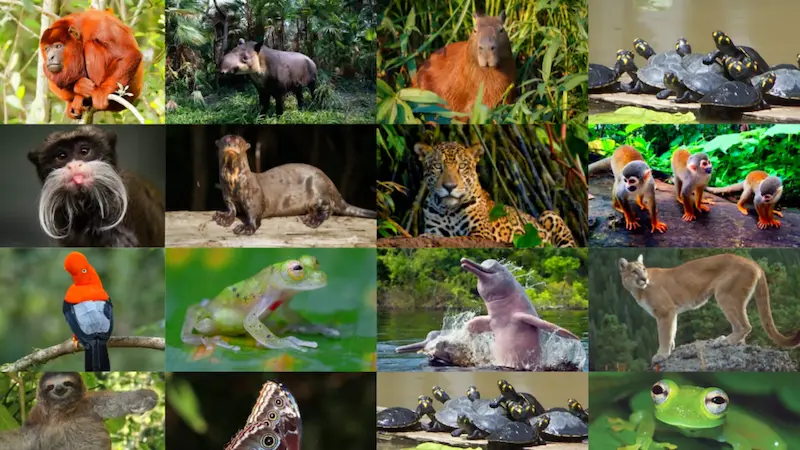
Peru’s national parks are home to some of the most incredible and diverse wildlife on Earth. Due to its unique geography, from the high Andes to the Amazon rainforest and coastal ecosystems, these protected areas shelter thousands of species of mammals, birds, reptiles, amphibians, and aquatic life. Exploring these parks gives visitors the chance to see animals in their natural habitats, understand their roles in fragile ecosystems, and appreciate the importance of biodiversity conservation. Whether you’re trekking through cloud forests, boating down jungle rivers, or birdwatching in wetlands, Peru offers unparalleled wildlife encounters.
Peruvian parks host a remarkable array of mammals, many of which are unique to these ecosystems. Iconic species include the jaguar, a top predator roaming Amazonian forests; the spectacled bear, South America’s only bear species; and the giant otter, known for its playful behavior along rivers. Other mammals encountered in parks like Manu and Yanachaga‑Chemillén include pumas, capybaras, tapirs, ocelots, collared peccaries, and several species of monkeys like the Peruvian spider monkey. These animals play key roles in forest dynamics and attract wildlife enthusiasts worldwide.
Peru is a birdwatcher’s paradise, with over 1,800 bird species recorded across its protected areas. Among the most spectacular are the Andean condor, famous for its massive wingspan and majestic flight in highland parks; colorful macaws and parrots in the Amazon; and the striking cock‑of‑the‑rock found in cloud forests. National parks like Manu are believed to host the highest concentration of bird species in the world, making these destinations ideal for both beginner and expert birdwatchers.
Reptiles are abundant throughout Peru’s protected regions. In Amazonian parks visitors may spot caimans (such as the spectacled caiman and black caiman), anacondas, turtles, and different species of boas and snakes. These reptiles are essential components of wetland and forest ecosystems, playing roles as both predators and prey. Carefully guided tours along rivers and lakes offer the best chances to observe these creatures in their natural environments.
The high humidity and lush vegetation of Peru’s parks support a remarkable diversity of amphibians, particularly frogs. Species include tree frogs, poison dart frogs, and many small, colorful species found in cloud forests and rainforests. Amphibians are important indicators of environmental health, and their presence reflects the rich ecological balance in parks such as Manu and Tambopata, where night hikes often reveal fascinating nocturnal activity.
Waterways in Peru’s parks teem with life. In Amazonian parks like Yaguas and Pacaya‑Samiria, visitors might see Amazon river dolphins, manatees, or various freshwater fish species including the massive arapaima, one of the largest freshwater fishes in the world. Rivers and lakes are also home to turtles, aquatic birds, and other species adapted to aquatic environments, offering unique wildlife photography opportunities.
While often overlooked, invertebrates such as colorful butterflies, ants, and beetles contribute enormously to Peru’s biodiversity. Many parks serve as hotspots for these smaller creatures, which are essential for pollination, nutrient cycling, and the health of entire ecosystems. In fact, Peru’s extraordinary biodiversity includes thousands of insect and arthropod species found only in protected natural areas
Peru’s network of national parks, reserves, and protected areas highlights the country’s incredible biodiversity and cultural richness. Knowing that there are 13 national parks, 18 national reserves, and a total of 77 protected areas allows travelers to appreciate the scale of conservation efforts and the variety of experiences available. Visiting these parks not only provides unforgettable encounters with wildlife and nature but also supports sustainable tourism and local communities. By exploring these protected areas responsibly, travelers contribute to the preservation of Peru’s unique ecosystems while enjoying the full diversity of landscapes, wildlife, and cultural heritage the country has to offer.