Image
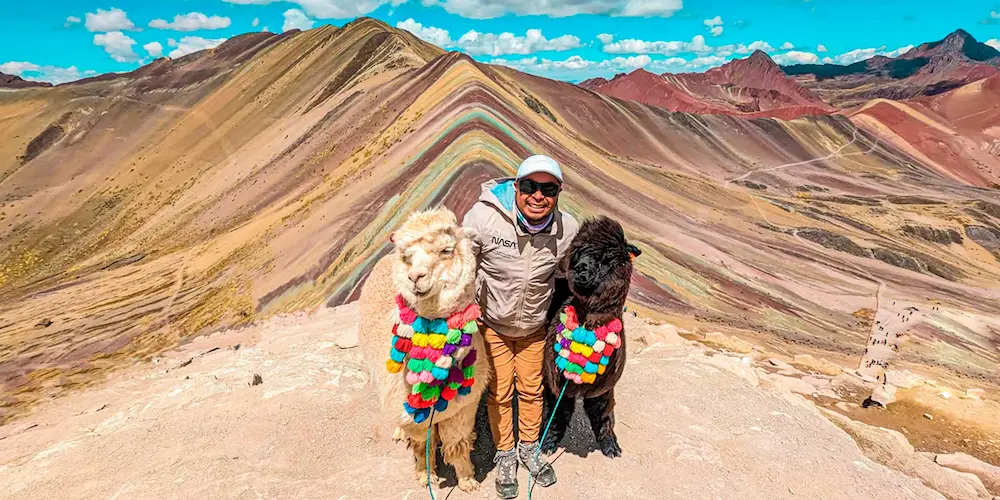
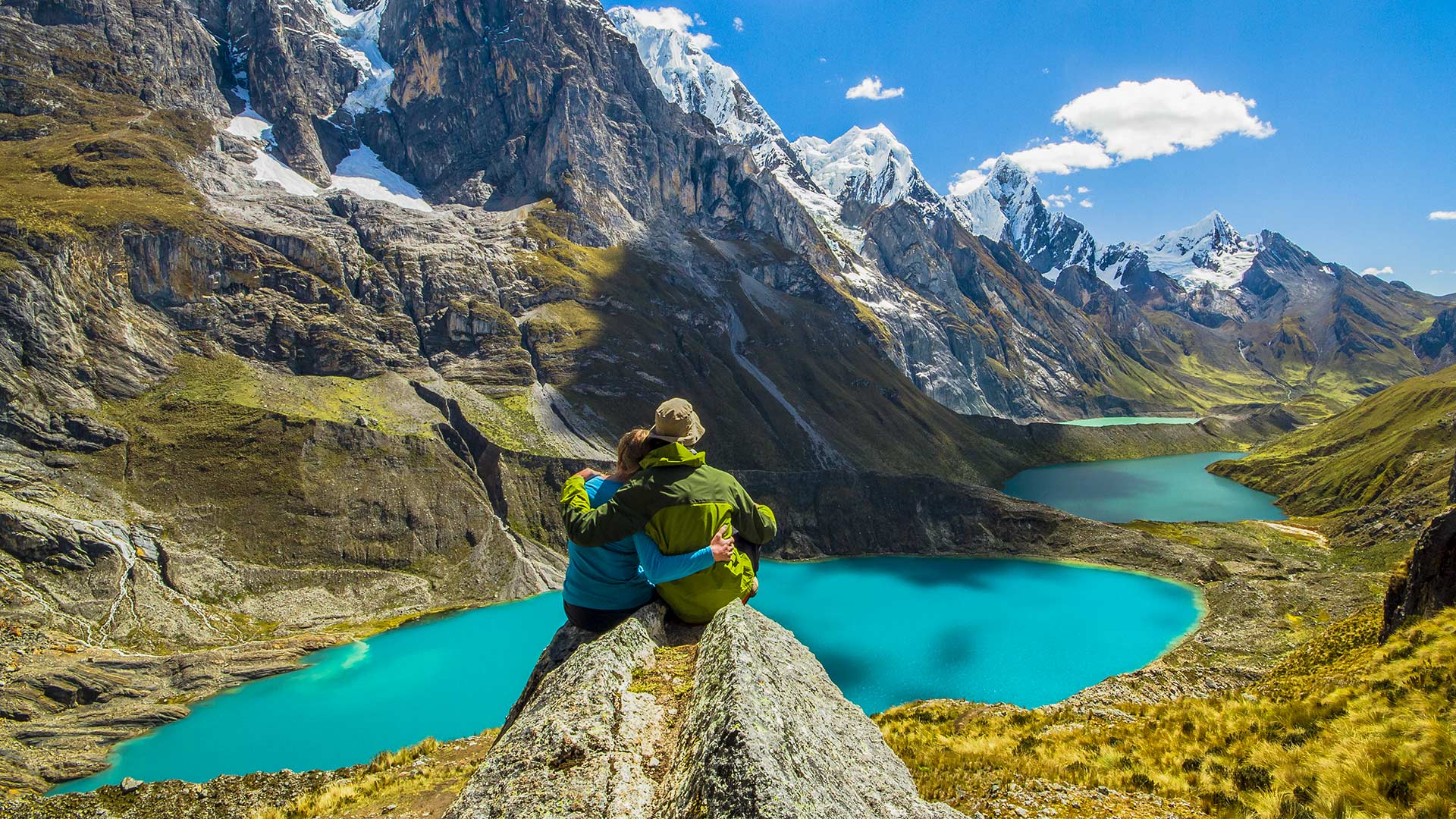
Traveling during the summer in Peru is a completely different experience than any other time of year. While the sun shines brightly on the coast and the beaches come alive, in the highlands and the jungle, the landscape is greener than ever, offering breathtaking views. This mix of climates, flavors, and traditions makes summer a vibrant time to explore the country.
However, not everything is the same in every region. Summer in Peru can be perfect for some plans and challenging for others, so it's crucial to know where to go, what to do, and how to prepare. In this guide, we'll tell you everything you need to know to make the most of summer in Peru, without surprises and by savoring every moment.
Summer in Peru follows the Southern Hemisphere calendar, but its impact varies greatly across the country. While some regions experience peak travel conditions, others enter their wettest months.
Summer in Peru officially runs from December to March. During these months, temperatures rise across the country, especially along the coast, making it a popular time for beach activities.
This period coincides with school holidays and festive seasons, which increases local travel. As a result, popular destinations can be busier than usual.
For international travelers, understanding these months helps with planning flights, accommodations, and activities in advance.
One of the most important things to know about summer in Peru is that the season behaves differently depending on the region. Coastal areas enjoy hot, sunny weather, while the Andes and Amazon enter their rainy season.
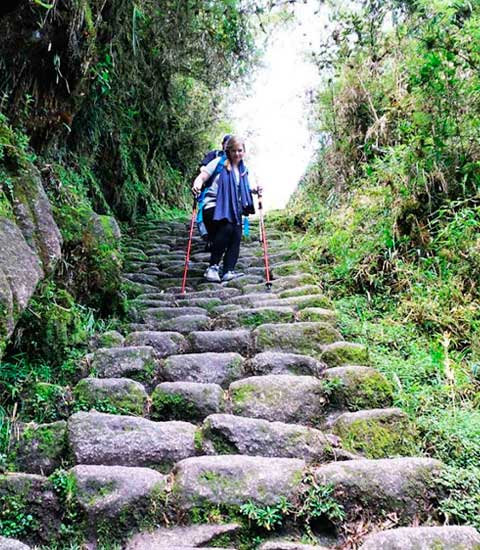
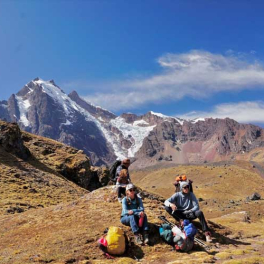
In the highlands, rain can affect trekking routes and visibility. However, the landscapes become greener and more dramatic.
The jungle experiences frequent rainfall but also bursts of sunshine, creating ideal conditions for wildlife and nature lovers.
You might also want to check out: Exploring inca textiles: inside the world of inca fashion and culture
Weather plays a major role in shaping travel experiences during summer in Peru. Understanding regional climate patterns helps travelers pack appropriately and choose suitable destinations.
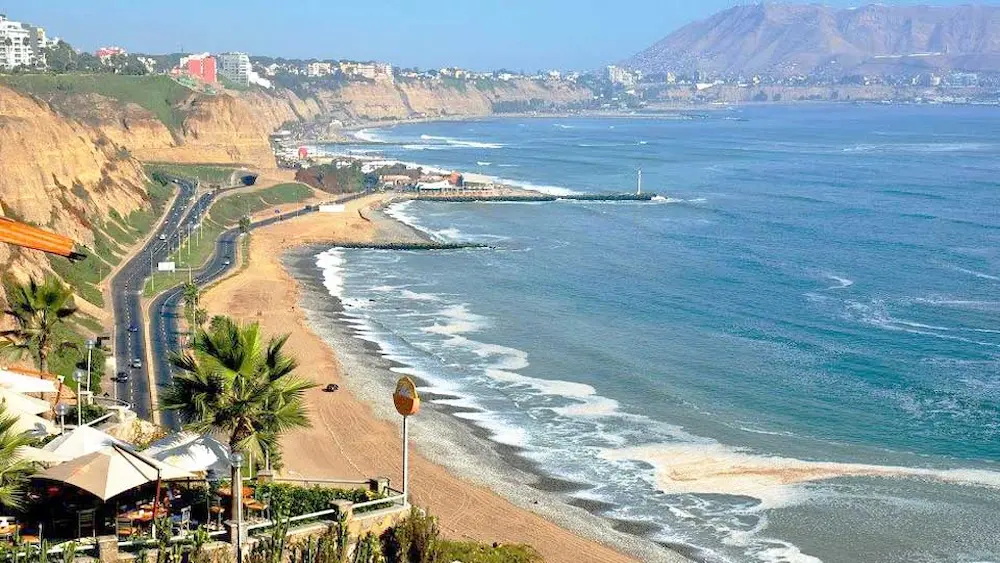
During summer in Peru, the coastal region experiences its warmest and most stable weather of the year. Cities such as Lima, Máncora, Paracas, and Punta Sal enjoy long sunny days, clear skies, and very little rainfall, creating ideal conditions for outdoor activities.
Temperatures typically range between 25°C and 30°C, although northern beach destinations can feel even warmer. Unlike the winter months, the famous coastal fog disappears, allowing travelers to enjoy bright blue skies and warmer ocean temperatures.
Sea conditions are generally favorable during summer, especially in the north, where the water is calmer and warmer. This makes the coast perfect for swimming, surfing, snorkeling, and beach relaxation, positioning it as one of the best regions to visit during summer in Peru.
In the Andean region, summer coincides with the rainy season, which usually runs from December to March. Rainfall is more frequent, particularly in January and February, and can affect hiking routes, road conditions, and visibility.
Despite the rain, daytime temperatures in the Andes remain relatively mild and comfortable, especially in cities like Cusco or the Sacred Valley. However, due to the high altitude, nights can still be cold, making warm clothing essential.
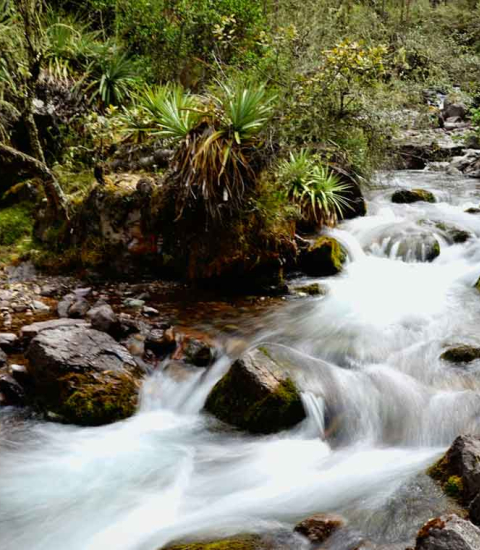
One major advantage of summer in the Andes is the transformation of the landscape. Hills and valleys turn vibrant green, rivers flow strongly, and the scenery becomes especially photogenic, offering stunning views for travelers who prioritize nature and photography.
Summer in Peru brings high humidity and regular rainfall to the Amazon rainforest. While rain showers are common, they are often intense but short, followed by periods of sunshine.
Daytime temperatures remain warm, frequently exceeding 30°C, creating a tropical climate that supports abundant plant and animal life. Increased rainfall causes rivers to rise, improving boat navigation and access to more remote jungle areas.
This season is particularly rewarding for wildlife enthusiasts. Animals are more active, birdlife is abundant, and the dense vegetation creates a rich and immersive jungle experience, making summer an excellent time to explore the Amazon region of Peru.
You might also want to check out: Best restaurants in Cusco | Top 20
Choosing the right destinations is key to enjoying summer in Peru. Some areas shine during this season, while others are better saved for different months.
Northern coastal towns such as Máncora, Punta Sal, Zorritos, and Vichayito are among the top destinations during summer in Peru. These areas enjoy warm temperatures, calm seas, and a laid-back beach atmosphere that attracts both international visitors and local travelers.
The warm ocean waters make swimming, snorkeling, and paddleboarding especially enjoyable. Surf conditions are also ideal, particularly in Máncora, which is known for its consistent waves and vibrant surf culture.
Summer brings a lively vibe to these beach towns, with beach bars, fresh seafood restaurants, and colorful sunsets. Weekends and holidays are especially active, offering a social and energetic coastal experience.
Cultural destinations remain highly attractive during summer in Peru, especially coastal and low-altitude cities. Lima stands out thanks to its sunny weather, rich history, and world-renowned gastronomy scene. Walking tours, museums, and outdoor dining are particularly enjoyable during this season.
Although Cusco and other Andean cities experience rainfall, they continue to draw travelers focused on culture, architecture, and local traditions rather than trekking. Historical sites, markets, and cultural festivals remain accessible year-round.
Traveling to cultural destinations during summer often means fewer international tourists and a stronger presence of local visitors, creating a more authentic and relaxed atmosphere.
Several nature and adventure destinations shine during summer in Peru, especially in the Amazon rainforest and coastal desert regions. Jungle destinations offer rich wildlife experiences, river excursions, and immersive nature tours thanks to increased water levels.
Coastal deserts like Huacachina and Paracas are also excellent summer destinations. Activities such as sandboarding, dune buggies, and boat tours to wildlife-rich islands are very popular during this season.
While high-altitude treks in the Andes may be less ideal due to rain, alternative adventures are widely available when traveling with a trusted tour operator in Cusco. Flexibility in planning allows travelers to adapt activities to weather conditions and still enjoy an exciting summer adventure in Peru.
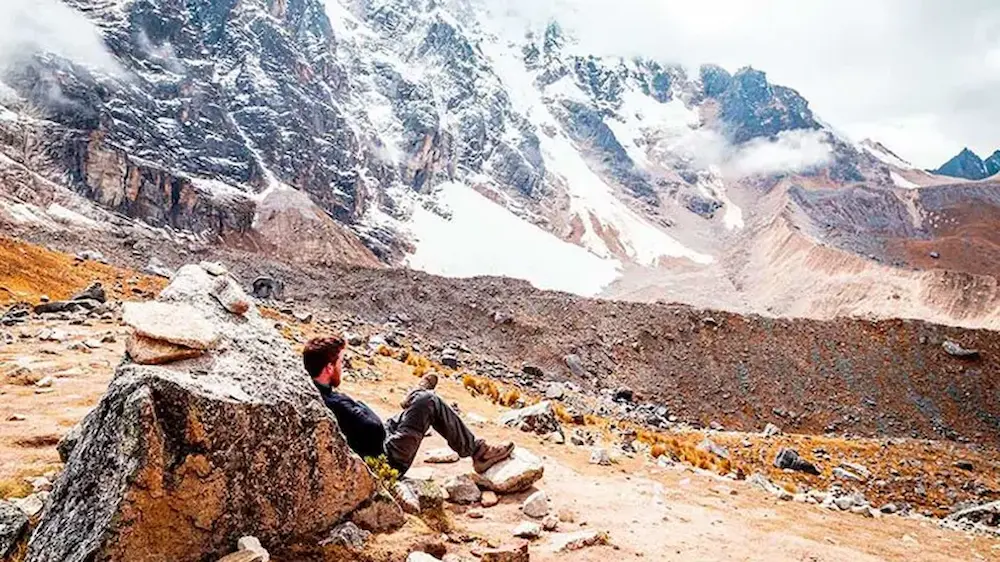
Summer in Peru offers an impressive variety of activities, thanks to the country’s diverse geography and vibrant culture. From relaxing on sunny beaches to joining colorful local celebrations, the season invites travelers to spend more time outdoors and experience Peru in a dynamic way.
Whether you’re an adventure seeker, a culture lover, or a foodie, summer provides countless opportunities to explore the country at a relaxed and enjoyable pace.
During summer in Peru, coastal destinations become the center of outdoor fun. Beach sports such as surfing, paddleboarding, kayaking, and snorkeling are especially popular, thanks to warm temperatures and favorable sea conditions.
In the Amazon rainforest, summer rains boost biodiversity, making it an excellent time for boat tours, wildlife watching, and guided jungle excursions. Higher river levels allow access to remote areas that are harder to reach during the dry season.
Adventure travelers can also enjoy activities like sandboarding in coastal deserts, dune buggy rides, and boat trips to wildlife reserves. With proper planning and flexibility, summer remains a great season for outdoor adventure.
Summer in Peru coincides with numerous local festivals and cultural celebrations across the country. These events provide a unique opportunity to experience traditional music, colorful dances, and regional customs firsthand.
Many coastal towns host summer festivals linked to fishing traditions, local saints, or seasonal celebrations. In cities, open-air events, concerts, and cultural fairs become more frequent due to favorable weather.
Participating in these festivities adds depth and authenticity to any trip, allowing travelers to connect with local communities and better understand Peruvian culture.
One of the highlights of summer in Peru is its seasonal gastronomy. Refreshing dishes like ceviche reach their peak during warm months, especially along the coast, where fresh seafood is abundant.
Summer also brings a wide variety of tropical fruits from the Amazon and the Andes. Fresh juices, fruit salads, and street food become especially popular as locals look for refreshing flavors.
Exploring Peruvian food during summer is an essential part of the travel experience, offering a perfect blend of taste, culture, and tradition.
You might also want to check out: Inca farming methods | The backbone of an empire
Deciding whether summer is the right time to visit Peru largely depends on your travel priorities and interests. Because the country has such diverse climates, summer can be an excellent season for some regions and activities, while presenting challenges for others.
Understanding both the benefits and limitations of summer travel helps visitors plan realistic itineraries and enjoy a smoother experience. With the right expectations, summer in Peru can be a rewarding and memorable time to explore the country.
One of the biggest advantages of traveling during summer in Peru is the excellent weather along the coast. Beach destinations enjoy sunny days, warm temperatures, and a lively atmosphere that makes summer feel energetic and social.
Another major benefit is the transformation of nature. In the Andes and Amazon, landscapes become greener, rivers flow strongly, and wildlife activity increases. This makes summer especially appealing for nature lovers, photographers, and travelers interested in biodiversity.
Cultural experiences also feel more authentic during summer, as many Peruvians travel within the country during school holidays and festive periods. This allows visitors to experience destinations alongside locals, creating a more genuine connection with Peruvian culture.
Despite its advantages, summer travel in Peru comes with some challenges. In the Andean region, frequent rain can disrupt trekking plans, reduce visibility, and occasionally cause transportation delays or temporary trail closures.
Popular destinations, especially beach towns and major cities, can become crowded during weekends and holiday periods. This increased demand may also lead to slightly higher prices for accommodation and tours.
However, with proper planning, flexible schedules, and realistic expectations, these challenges can be minimized, allowing travelers to fully enjoy everything that summer in Peru has to offer.
Packing correctly is essential when traveling during summer in Peru, as weather conditions vary greatly depending on the region. From hot coastal cities to rainy highlands and humid jungle areas, having the right gear will make your trip far more comfortable.
A smart packing strategy focuses on versatility, lightweight clothing, and protection against sun and rain. Preparing in advance helps travelers adapt easily to Peru’s diverse climates.
For coastal destinations, light and breathable clothing is key. Cotton or moisture-wicking fabrics help keep you cool during hot days, while shorts, t-shirts, and summer dresses are ideal for beach towns and cities like Lima or Máncora.
In the Andes, even during summer, temperatures can drop significantly at night. Packing a warm layer such as a fleece or light jacket is essential, along with long pants and comfortable walking clothes.
For the Amazon, lightweight long-sleeve shirts and pants are recommended. They provide protection from insects while remaining comfortable in humid conditions.
Rain protection is a must when traveling during summer in Peru, especially in the Andes and Amazon. A compact rain jacket or poncho can make a big difference during sudden showers.
Sun protection is equally important. Sunscreen, sunglasses, and a hat are essential for coastal areas and high-altitude regions, where UV exposure is stronger.
Other essentials include insect repellent for jungle areas, comfortable walking shoes, and a small daypack for excursions and daily activities.
You might also want to check out: 10 Famous mountains in Peru that you should visit
Smart planning is key to enjoying a smooth and stress-free trip during summer in Peru. Due to regional climate differences and increased local travel, making a few adjustments in advance can significantly improve your overall experience.
Understanding health, safety, transportation, and accommodation considerations allows travelers to avoid common issues and focus on enjoying everything Peru has to offer during the summer season.
Staying hydrated is especially important when traveling through hot and humid regions such as the coast and the Amazon. Drinking plenty of water and taking breaks during outdoor activities helps prevent heat exhaustion.
Sun protection should never be overlooked, particularly in coastal and high-altitude areas where UV exposure is stronger. Wearing sunscreen, hats, and sunglasses can prevent sunburn and fatigue.
Altitude acclimatization remains essential, even in summer. Spending a few days adjusting to higher elevations before engaging in strenuous activities helps reduce the risk of altitude sickness. Additionally, having travel insurance provides peace of mind in case of unexpected health issues or travel disruptions.
Summer is a busy travel season in Peru, especially during holidays and school vacations. Booking flights, buses, and accommodations in advance is highly recommended to secure better prices and availability.
Weather-related delays, particularly in the Andes and jungle regions, are more common during summer. Building flexibility into your itinerary helps manage unexpected changes without stress.
Choosing locally owned hotels, guesthouses, or eco-lodges not only enhances cultural immersion but also supports local communities, making your summer trip to Peru more meaningful and responsible.
In short, traveling to Peru during the summer is absolutely worthwhile if you know how to plan. The coast offers the best weather for beaches and outdoor activities, the jungle is at its peak for experiencing nature in all its splendor, and the cities are filled with parties, delicious food, and a vibrant local scene.
That said, you should go with an open mind and a bit of flexibility, especially if you plan to visit the highlands. With good planning, appropriate clothing, and a willingness to adapt, summer can become one of the best times to truly experience Peru.
Ultimately, summer in Peru isn't just a season; it's a different way of experiencing the country: more colorful, more intense, and truly authentic. If you make the most of it, the experience will be unforgettable.