Image
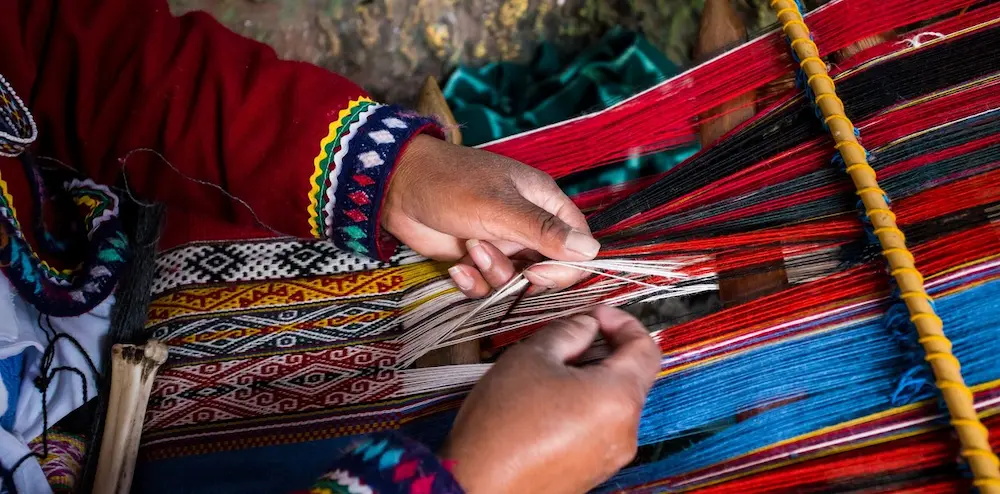
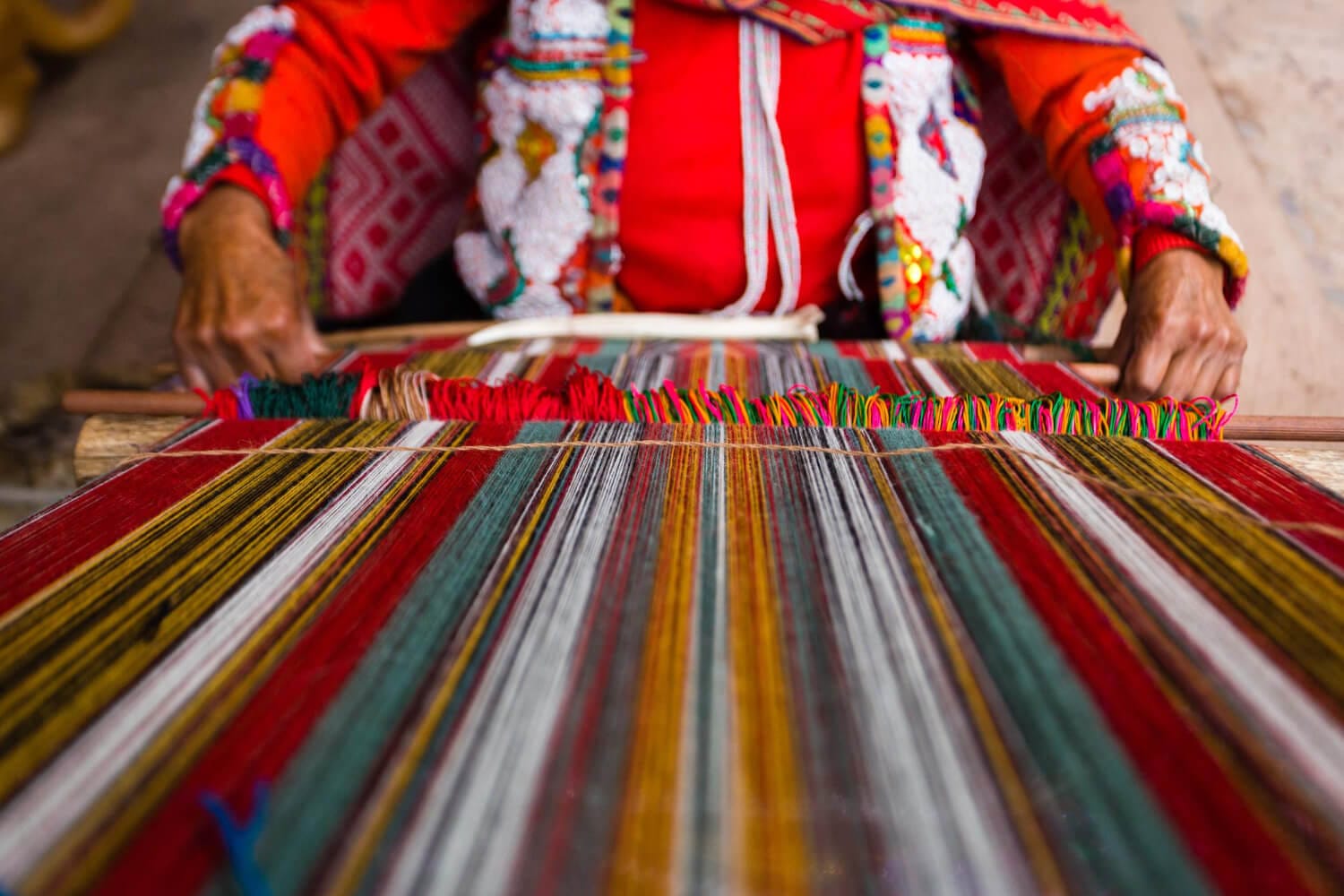
When you travel through Peru, it's not all about landscapes and pretty pictures. There are stories that resonate in the details, and one of the most powerful is found in Inca textiles. Each fabric, each color, and each design carries a meaning that dates back centuries, to a time when weaving was a form of identity, power, and connection with nature.
Understanding Inca textiles is to delve into the Andean worldview. It's not just craftsmanship; it's a living culture that remains present in communities, markets, and ancestral paths. If you enjoy traveling with purpose and learning about the history behind each tradition, this topic will definitely captivate you.
You might also want to check out: The Inca Culture History
Inca textiles played a central role in the development of Andean civilisation and were considered one of the most valuable expressions of cultural knowledge. Long before the expansion of the Inca Empire, Andean societies had already developed advanced weaving techniques, which the Incas later perfected and standardised across their territory.
Textile production was not a secondary activity but a pillar of the empire’s economy, social organisation and spiritual life. The quality of Inca textiles was so high that Spanish chroniclers documented them as superior to many European fabrics of the time.
The Inca state organised textile production in a highly structured way, assigning specific communities and groups to weaving tasks. Skilled weavers were responsible for producing garments for the nobility, military and religious elites, while simpler textiles were made for everyday use.
This system ensured consistency in quality and design throughout the empire. Textiles were produced in large quantities and stored as state resources, used for trade, tribute and ceremonial distribution.
Because of this, Inca textiles became symbols of power and control, reinforcing the authority of the empire over vast territories.
In Inca society, clothing immediately communicated identity. The design, colour and material of a garment revealed a person’s social rank, regional origin and role within the empire.
Textiles also carried deep symbolic meaning. Specific patterns and colours were associated with nature, the cosmos and religious beliefs, turning each garment into a form of visual storytelling.
For the Incas, wearing textiles was not just about protection or warmth, but about expressing belonging and spiritual connection.
You might also want to check out: Best restaurants in Cusco | Top 20
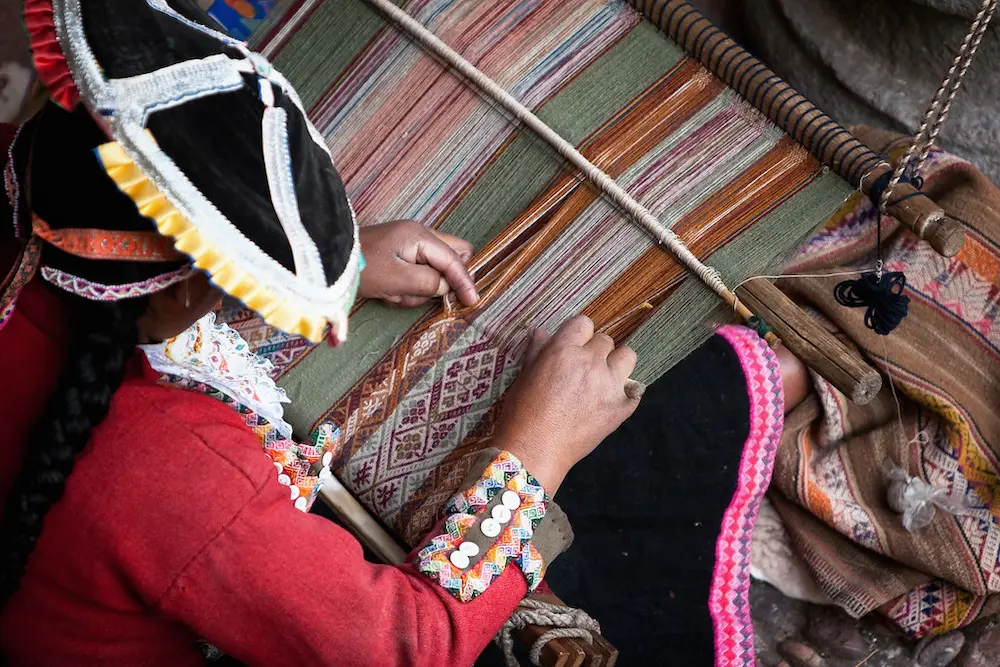
The exceptional quality of Inca textiles is largely due to the careful selection of natural materials. The Incas understood their environment deeply and used resources sustainably to produce durable and functional fabrics.
Each fibre and dye was chosen not only for its practical qualities but also for its cultural significance.
Cotton was widely used in coastal regions, where warmer climates made it ideal for lightweight clothing. In the highlands, alpaca and vicuña fibres provided warmth and resistance against harsh weather conditions.
Vicuña wool was the most prized material and strictly reserved for royalty and ceremonial use. Its softness and rarity made it a symbol of status and privilege.
The careful breeding and management of these animals reflect the advanced ecological knowledge behind Inca textiles.
Inca weavers used plants, minerals and insects to create a wide range of colours. These dyes were long-lasting and resistant to fading, even after centuries.
Each colour required specific preparation methods, often involving complex boiling and fermentation processes. This knowledge was passed down through generations.
The use of natural dyes added symbolic value to Inca textiles, as colours represented elements of nature and spiritual concepts.
You might also want to check out: Inca farming methods | The backbone of an empire
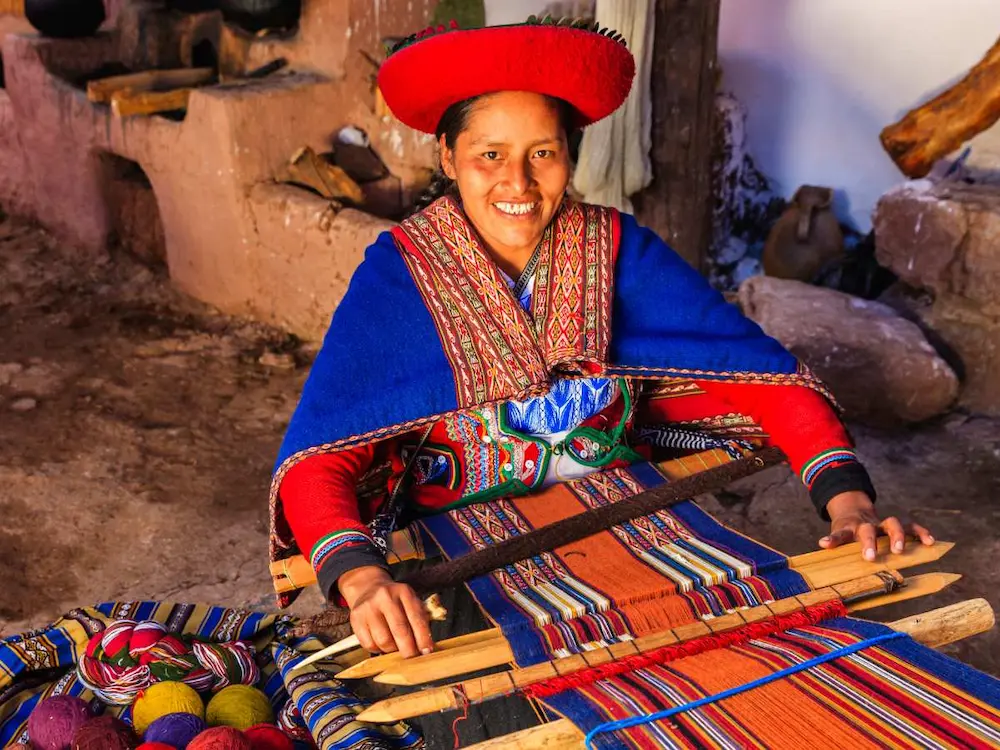
Inca textiles are widely recognised for their exceptional technical precision and artistic complexity. The weaving techniques developed by the Incas allowed artisans to create fabrics that were not only visually striking but also highly functional, capable of withstanding the demanding environmental conditions of the Andes.
These techniques combined deep knowledge of materials, advanced manual skills and symbolic design systems. Even today, modern Andean weaving practices continue to reflect the influence of these ancestral methods, demonstrating their lasting relevance and effectiveness.
The backstrap loom was one of the most commonly used tools in the creation of Inca textiles, valued for its portability and adaptability. This loom could be easily set up in different environments, allowing weavers to work both at home and while travelling between communities.
Using this technique required a high level of expertise, as the weaver controlled the tension of the threads using their own body. Every movement directly affected the final fabric, making precision and experience essential. Through careful manipulation of the threads, artisans were able to create intricate geometric patterns rich in cultural meaning.
Today, backstrap loom weaving remains an essential part of daily life in many Andean communities. Visitors travelling through highland regions or along routes such as the Lares trek can still observe artisans using this traditional method, keeping ancestral knowledge alive through continuous practice.
Vertical looms were typically used to produce larger and more complex Inca textiles, especially those intended for ceremonial or official use. Unlike the backstrap loom, vertical looms allowed weavers to work on bigger surfaces with greater control over structure and symmetry.
Textiles created on vertical looms often featured more elaborate designs and higher thread counts, reflecting their importance within Inca society. These fabrics were commonly used for ritual garments, offerings and items associated with the state or religious institutions.
The mastery required to operate vertical looms highlights the advanced craftsmanship behind Inca textiles. The precision and complexity achieved through this method demonstrate the sophisticated level of textile technology developed by the Incas.
Despite historical disruption following the Spanish conquest, many Inca textile techniques have survived through oral tradition and continuous practice. Weaving knowledge has been preserved within families and communities, passed down across generations without written instruction.
Modern Andean artisans continue to use these ancestral processes, maintaining not only the techniques but also the cultural identity embedded in each textile. Weaving remains both an artistic expression and a cultural responsibility.
Travellers exploring the Andes, particularly during a Sacred Valley one day tour, often encounter workshops where these traditions are actively practiced. These encounters provide a valuable opportunity to witness Inca textile heritage as a living, evolving tradition rather than a relic of the past.
You might also want to check out: 10 Famous mountains in Peru that you should visit

Inca textiles held deep cultural, social and spiritual importance within the Inca Empire. Far beyond their practical function, textiles were a primary form of expression that reflected identity, status and worldview. In many cases, textiles were more valuable than gold and were used as offerings, tribute and diplomatic gifts.
Textile production was closely linked to power and religion. Certain designs and materials were reserved for the elite, while others identified ethnic groups or social roles. Through Inca textiles, the empire reinforced order, hierarchy and cultural unity across vast territories.
The quality of Inca textiles began with carefully selected natural fibres sourced from the Andean environment. The most valued materials included alpaca and vicuña wool, prized for their softness, warmth and durability, as well as cotton from lower-altitude regions.
Natural dyes extracted from plants, minerals and insects were used to create a wide range of colours. These organic materials not only provided vibrant tones but also ensured long-lasting fabrics. The use of local resources demonstrates the Incas’ deep understanding of their environment and sustainable practices.
Patterns in Inca textiles were never random. Each motif carried symbolic meaning related to nature, cosmology, social status or political authority. Geometric designs often represented mountains, rivers or celestial elements important to Andean belief systems.
Certain patterns functioned as visual identifiers, similar to a language woven into fabric. Through these designs, textiles communicated information about the wearer’s origin, role and rank within society. This symbolic complexity highlights the intellectual depth behind Inca textile art.
Despite strong imperial organisation, Inca textiles showed notable regional variation across the empire. Geography, climate and local traditions influenced how textiles were produced, what materials were used and which designs were preferred. These variations allowed local identities to remain visible while still aligning with imperial standards.
This balance between central control and regional expression enriched the diversity of Inca textile traditions, making them one of the most complex textile systems in the pre-Columbian world.
In the highland regions, Inca textiles were primarily made from camelid fibres such as alpaca and vicuña. These materials provided insulation and durability, essential for life at high altitudes where temperatures fluctuate significantly.
Highland textiles often featured dense weaves and layered garments designed for warmth and protection. The patterns and colours reflected mountain landscapes and spiritual beliefs connected to the Andes.
Along the coast, textile production relied heavily on cotton due to the warmer climate and agricultural conditions. Cotton textiles were lighter and more breathable, making them suitable for daily use in coastal environments.
Coastal designs often displayed different colour palettes and motifs compared to highland textiles, yet they still adhered to imperial aesthetic principles. This demonstrates how Inca textiles adapted to local conditions without losing cultural coherence.
Regional textile variations played a key role in cultural integration within the empire. While local styles remained distinct, the use of shared symbols and techniques reinforced unity across vast territories.
Through this integration, Inca textiles became a powerful tool for expressing both regional identity and imperial belonging, strengthening social cohesion throughout the Andean world.
You might also want to check out: The best snacks while hiking in Peru
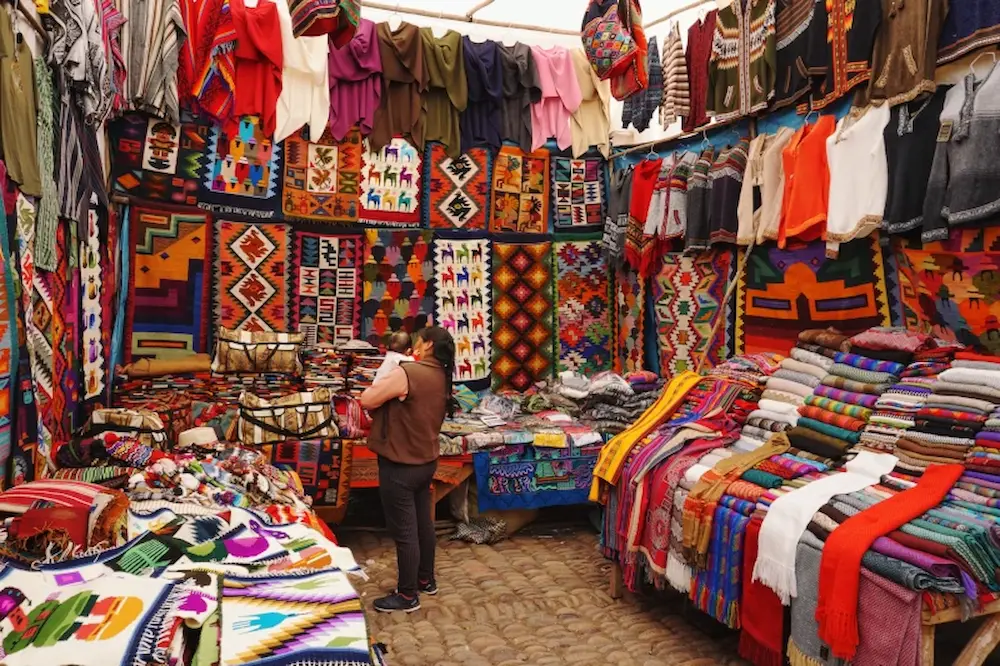
Inca textiles continue to play a vital role in shaping modern Andean identity and cultural expression. Far from being confined to museums, these textiles remain part of everyday life in many highland communities, serving as a living link between the past and present. Their patterns, colours and techniques reflect centuries of accumulated knowledge and cultural continuity.
Today, the influence of Inca textiles can be seen in traditional clothing, artisanal products and regional symbolism across Peru and the Andes. This continuity demonstrates the resilience of Andean traditions and their ability to adapt without losing their original meaning. In many ways, textiles remain a language through which communities express identity, history and belonging.
In numerous Andean villages, weaving is still a daily activity passed down from generation to generation. Children learn from an early age by observing parents and grandparents, ensuring that ancestral techniques and symbolic patterns are preserved through practice rather than written records. This transmission of knowledge keeps Inca textiles deeply rooted in community life.
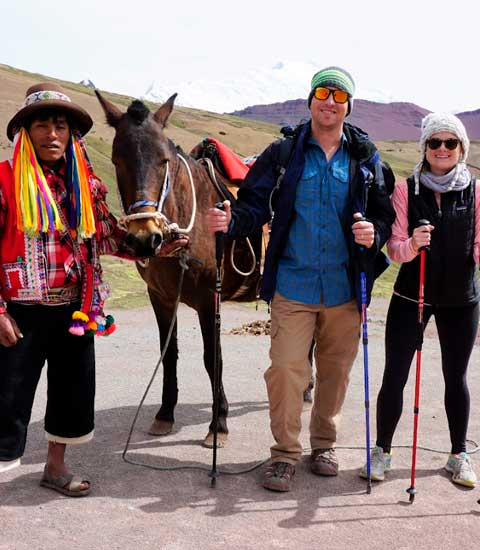
These textiles are worn during daily activities, local festivals and important rituals, where traditional garments reinforce collective identity and cultural pride. Colours and designs often indicate community affiliation, marital status or ceremonial roles, maintaining the communicative function textiles held during Inca times.
Travellers hiking routes such as the Classic Inca Trail or a Salkantay Trek to Machu Picchu frequently encounter this living heritage, whether through traditional dress, local markets or community demonstrations of weaving techniques. These encounters provide a deeper cultural context that goes beyond archaeological sites.
To sustain their livelihoods in a globalised world, many artisans have adapted Inca textile techniques to contemporary markets. Traditional patterns are now incorporated into scarves, jackets, bags and home décor, appealing to modern tastes while preserving cultural authenticity.
This adaptation allows Inca textiles to remain economically viable without sacrificing their symbolic value. Artisans carefully balance innovation with tradition, ensuring that new designs still respect ancestral meanings and methods.
Through this evolution, Inca textile traditions reach global audiences, promoting cultural appreciation and supporting sustainable tourism. The continued relevance of these textiles demonstrates how ancient knowledge can thrive in modern contexts without losing its essence.
Ultimately, Inca textiles aren't just things you see in museums or craft fairs. They're part of the daily lives of many Andean communities and a clear example that the culture is still alive, adapting without losing its essence. Each weaving tells a story of effort, knowledge, and cultural pride.
If you're traveling through Peru, take the time to look beyond the obvious. Talk to the artisans, watch them weave, and appreciate the work behind each piece. This way, your trip won't just be captured in photos, but will be filled with real experiences that connect past and present, in true Andean style.