Image
If you've ever wondered how the Incas managed to grow crops in places where you'd think "not even a potato would grow there," this blog is for you. In the Peruvian Andes, our ancestors didn't just cultivate the land: they mastered the mountains, understood the climate, and made the earth work for them. And while today anyone might claim this or that is "modern technology," the truth is that the Incas were already ahead of their time hundreds of years ago.
When you visit Cusco, the Sacred Valley, or any Andean village, you quickly realize that these techniques are still alive and well. Many people travel expecting only ruins, but they're surprised to see functioning terraces, canals that still carry water, and communities that continue to farm just like their grandparents did. That's why Inca farming methods aren't just history: they're part of daily life in the Andes, and an incredible reason to discover more of Peru.
The Inca farming methods were not just survival strategies—they were advanced engineering systems designed to overcome the dramatic landscapes of the Andes. Today, many travelers are fascinated by how these techniques allowed the Incas to turn steep mountains, extreme climates, and poor soils into productive farmlands. Understanding these methods offers visitors a deeper connection with the culture, ingenuity, and resilience behind many of the archaeological sites they explore in Peru.
The Incas viewed the land, or Pachamama, as a living being that deserved respect. This spiritual connection influenced their agricultural engineering, encouraging them to work with the environment rather than against it. Instead of flattening mountains or redirecting rivers aggressively, they adapted their farming systems to the natural curves of the Andes.
Travelers who explore Peru today often notice how the agricultural terraces blend harmoniously with the hillsides. This wasn’t accidental—it was a cultural principle. Inca farmers observed wind patterns, water flow, soil composition, and sunlight exposure to decide where each crop would thrive. This ecological knowledge allowed them to cultivate more than 70 types of crops in some of the world’s harshest environments.
For tourists interested in sustainable practices or ancient ecological wisdom, the Inca farming methods reveal a civilization ahead of its time. Their solutions to climate challenges—like erosion, drought, and frost—are still admired by modern engineers and scientists. This makes visiting agricultural sites in Peru not just visually stunning, but intellectually and culturally enriching.
You might also want to check out: The best snacks while hiking in Peru
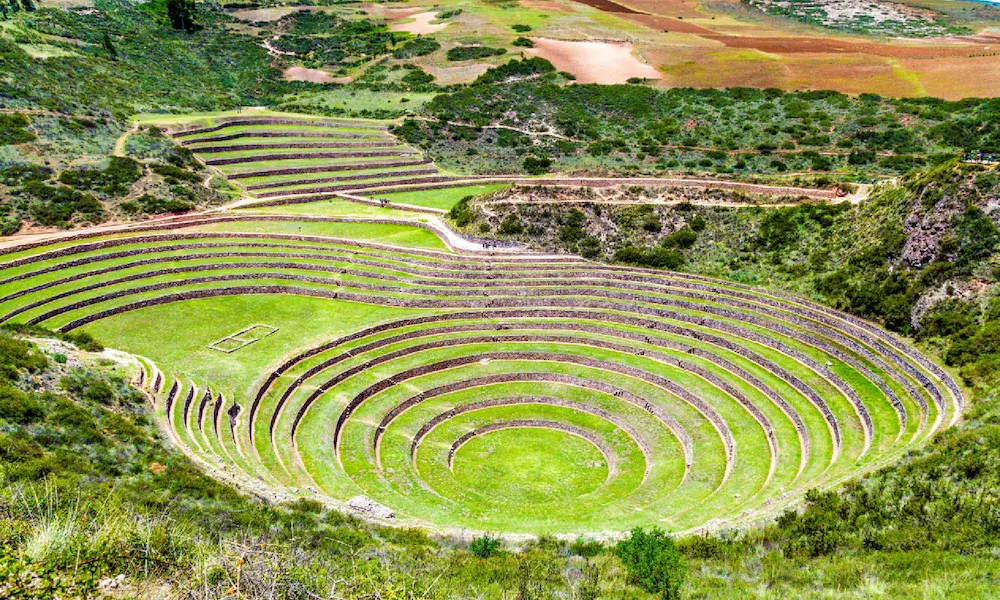
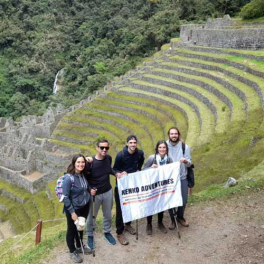
When visitors see the stone terraces carved into mountainsides, they immediately recognize them as one of the most iconic expressions of Inca agricultural engineering. Terraces, or andenes, allowed the Incas to create flat farmland at different altitudes, each with its own microclimate. These structures continue to captivate travelers for their beauty, precision, and surprising function.
Terraces were designed with layers of gravel, sand, and fertile soil, functioning like a natural drainage system. When it rained, water would filter gently downward instead of washing the soil away. This prevented erosion—a critical achievement on steep Andean mountains. Visitors who walk along these terraces today can clearly see the stone retaining walls that held everything in place for centuries.
Each terrace created its own microclimate, since temperature and humidity varied slightly at different levels. This allowed the Incas to grow a wide variety of crops in a single mountainside, from potatoes and quinoa higher up to maize on the lower terraces. For tourists interested in biodiversity, this system reveals how the Incas managed to simulate multiple ecosystems in just one agricultural zone.
Many of these terraces remain functional today. Local farmers still use them to grow crops, demonstrating the lasting value of Inca agricultural design. Travelers often find it fascinating to see ancient pre-Columbian structures still producing food—an experience that connects the past and present in an unforgettable way.
The Sacred Valley is home to some of the most impressive terraces in Peru. Sites such as Pisac and Ollantaytambo are especially popular among tourists because the terraces there are extensive, well-preserved, and located in stunning mountain landscapes. Travelers often comment that the terraces look like “green staircases” climbing toward the sky.
Moray offers a unique twist: concentric circular terraces descending like an agricultural amphitheater. These terraces are believed to have been used as a scientific agricultural laboratory, allowing the Incas to experiment with temperature zones and crop varieties. Walking through Moray feels like stepping into the world of ancient agricultural scientists.
In remote Andean communities, terraces remain part of daily life, offering travelers a chance to witness living culture. Visiting these areas allows tourists to see how Inca farming methods still support modern families and provide sustainable livelihoods in high-altitude environments.
You might also want to check out: The Inca Culture History
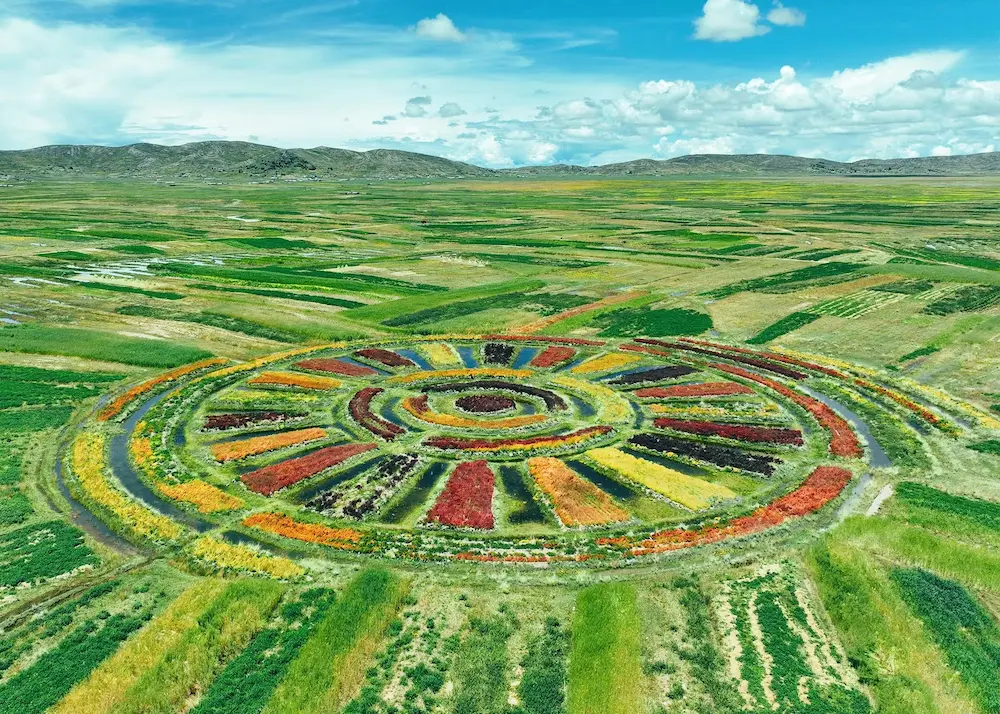
Long before modern technology, the Incas developed waru waru, a system of raised fields surrounded by water channels. This method protected crops from freezing temperatures and excessive rain—two challenges that still affect high-altitude farmers today. Travelers who are curious about ancient environmental engineering often find this system surprisingly sophisticated.
Waru waru fields were built as elevated platforms surrounded by canals. At night, the water absorbed heat from the sun and slowly released it, creating a natural thermal blanket that protected crops from frost. This innovation allowed the Incas to farm in places where nighttime temperatures routinely fell below freezing.
The canals also acted as a flood-control system. During intense rainfall, water was diverted into the channels instead of drowning the crops. This level of climate control shows how intimately the Incas understood the challenges of Andean agriculture.
Travelers who visit the altiplano near Lake Titicaca can still see reconstructed waru waru fields in operation. Seeing how these ancient techniques remain effective even today is one of the most memorable experiences for tourists interested in pre-Hispanic engineering.
Waru waru fields produced higher yields than typical flat fields, especially in cold climates. The Incas used them to grow potatoes, quinoa, and other native crops essential to Andean diets. Tourists exploring the region today often learn how these foods became the backbone of Inca nutrition.
The system also encouraged community cooperation. Maintaining canals and raised platforms required coordinated work, strengthening social ties. Travelers who visit living Andean communities often witness similar communal agricultural activities that reflect this ancient spirit.
For modern visitors interested in sustainability, waru waru demonstrates how ancient societies could produce food reliably even in extreme climates. Many travelers leave inspired by how ingenious and environmentally conscious these methods were.

The Incas mastered water management long before modern irrigation technology. Through cochas—natural or artificial reservoirs—they stored rainwater for dry seasons and distributed it to farms through carefully designed channels. This hydraulic engineering continues to capture the imagination of travelers exploring Peru’s highlands.
Inca engineers mapped water routes across entire valleys, ensuring that every farming community received water when needed. They built stone-lined canals that guided mountain springs and rainwater to cochas, preventing waste and maximizing agricultural productivity.
This system supported large populations by ensuring stable food production, even during dry periods. For visitors, learning about these hydraulic networks reveals the organizational capacity of the Inca Empire.
Many of these waterways are still used by Andean communities, and some have been restored using original techniques. Travelers can observe this continuity, gaining insight into how ancient engineering still supports real families today.
In regions like Cusco and Puno, restored cochas continue to supply water to agricultural terraces. Tourists visiting these areas can see how reservoirs blend seamlessly into the natural landscape, reflecting traditional Inca design principles.
Some modern agricultural projects have revived these techniques to improve water efficiency and increase crop yields. Travelers interested in sustainable tourism often appreciate witnessing these living experiments.
For those exploring remote areas, discovering active cochas offers a powerful connection to the ingenuity of the Inca civilization. It’s a reminder that many ancient solutions remain relevant—and even superior—to some modern agricultural systems.
The Andes are one of the world’s greatest centers of crop domestication, and much of this achievement belongs to Inca farmers. They developed advanced techniques to choose, improve, and preserve native crops—many of which travelers taste during their journeys through Peru.
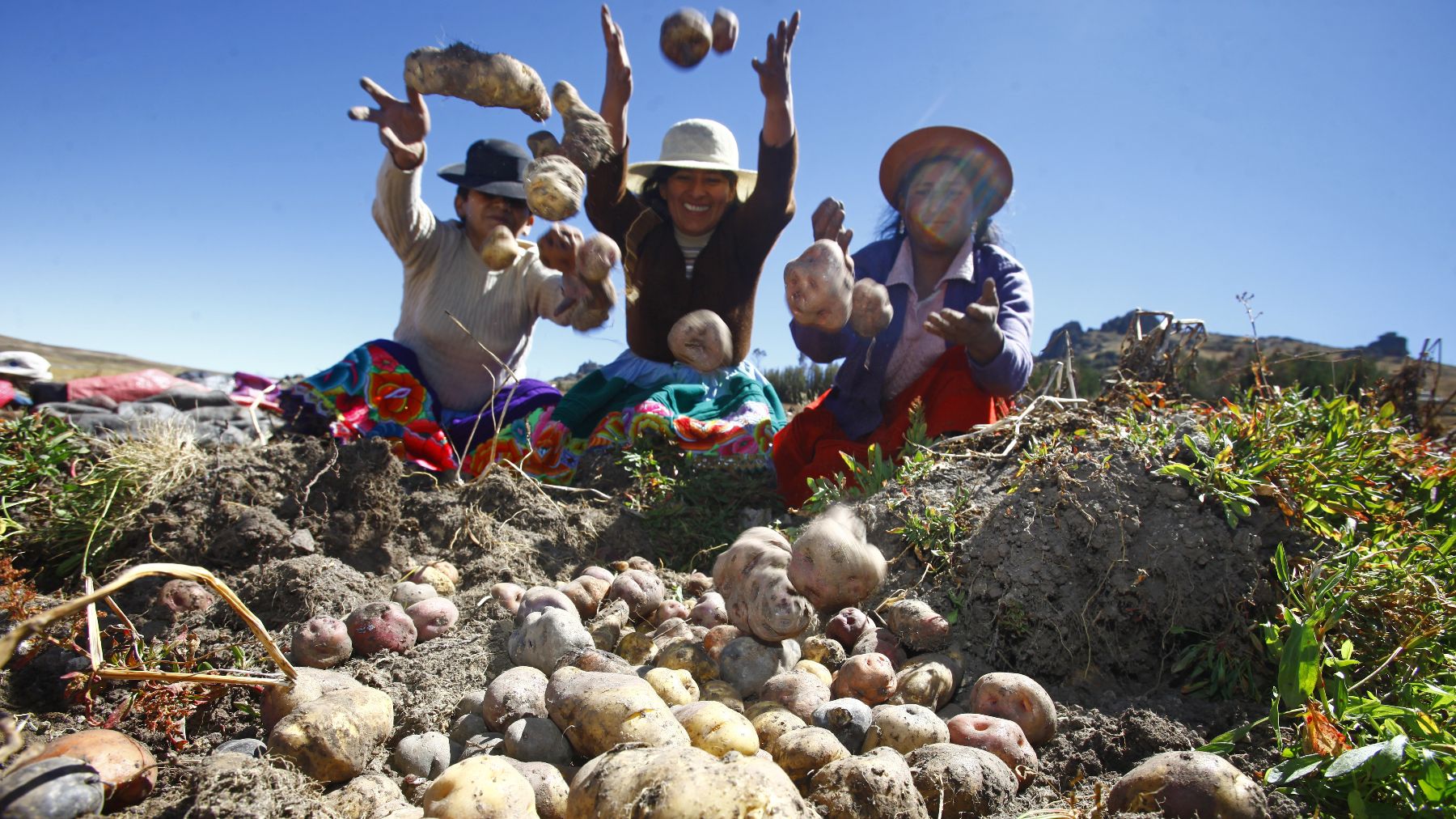
The Incas domesticated over 200 varieties of potatoes, each adapted to a specific altitude or climate. Travelers are often amazed to discover colorful potato varieties in local markets that don’t exist anywhere else in the world.
Maize was grown on lower terraces and used for chicha, a traditional beverage that visitors still enjoy during cultural tours. Quinoa, another major crop, thrived in cold high-altitude regions and remains a global superfood today.
By selecting the strongest and most resilient plants, Inca farmers ensured food security across the empire. Tourists exploring museums, markets, and farms often gain a deeper appreciation for the biodiversity they encounter in Peruvian cuisine.
Inca farmers experimented with different altitudes and soil types to find ideal conditions for each variety of crop. This method helped preserve genetic diversity—something scientists still study today.
Travelers visiting sites like Moray can see where these agricultural experiments likely took place. The varying temperatures between terraces allowed Incas to test which crops grew best in each microclimate.
For visitors, this demonstrates how the Inca Empire was not only powerful but deeply scientific. Their approach to biodiversity continues to inspire researchers, agroecologists, and curious travelers who want to understand the roots of Andean agriculture.
You might also want to check out: 10 Famous mountains in Peru that you should visit
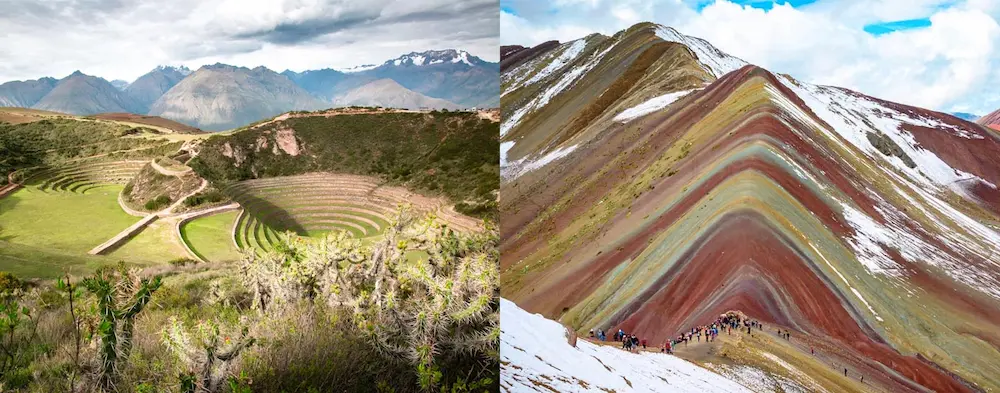
Many travelers arrive in Peru for Machu Picchu but quickly discover that the country is full of agricultural wonders that reveal the brilliance of the Inca civilization. Several destinations allow visitors to see ancient farming techniques still functioning today—whether through restored terraces, agricultural research centers, or living communities that preserve Inca traditions. These places offer a unique blend of culture, science, and landscape exploration.
Pisac is one of the top destinations for travelers interested in Inca farming methods. Its terraces stretch across steep hillsides in long, elegant curves that seem to merge with the mountain itself. Walking through Pisac gives visitors a clear view of how terraces helped stabilize slopes while maximizing agricultural space.
Ollantaytambo offers another impressive example. Here, the terraces are larger and more rigidly structured, showcasing the military precision and architectural skill of Inca engineers. Visitors often notice that each terrace is perfectly leveled and aligned with the sun’s path—another sign of the Incas’ astronomical knowledge.
Travelers who explore these Sacred Valley sites often comment on how the experience deepens their understanding of the Inca Empire. Instead of just admiring stone walls or temples, they witness how everyday life, food production, and survival depended on brilliant agricultural design.
Moray is one of the most intriguing destinations for travelers interested in Inca innovation. The site consists of circular terraces arranged like a giant amphitheater, with temperature differences of up to 15°C between the top and bottom levels. This design likely allowed the Incas to study crop adaptation and develop new varieties.
For visitors fascinated by science or ecology, Moray feels like stepping into an ancient research center. Many guided tours explain how each ring simulated a different ecological zone—from warm valleys to chilly high-altitude plains. This helped Inca farmers determine where each crop would grow best across their vast empire.
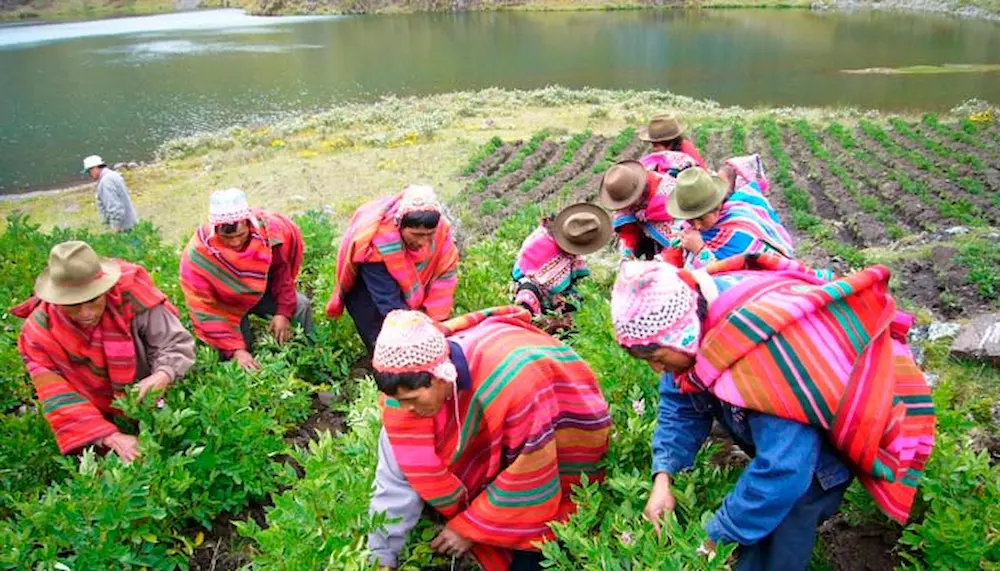
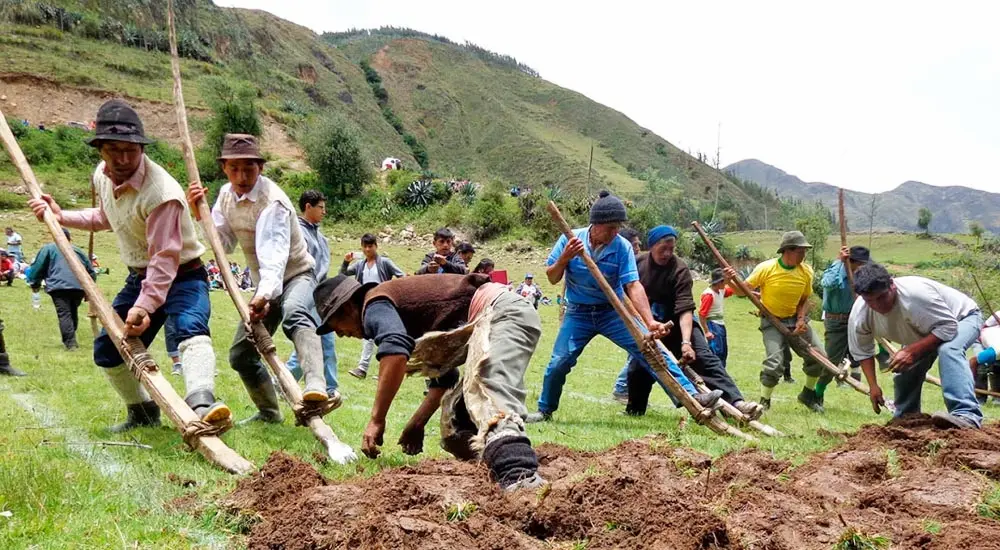
In regions such as Chinchero, Patacancha, and the highlands near Lake Titicaca, local communities still farm using terraces and waru waru systems. Travelers visiting these areas can watch farmers carefully maintain stone walls, rebuild canals, and plant traditional crops exactly as their ancestors did.
These communities often welcome visitors to share their agricultural traditions, from potato harvesting to quinoa processing. Travelers appreciate these experiences because they provide a genuine connection to living culture—not just ancient ruins.
For many tourists, spending time in these highland villages becomes a highlight of their trip. It shows that Inca farming methods are more than historical artifacts—they are practices that still sustain families, communities, and landscapes in the Andes today.
You might also want to check out: Best restaurants in Cusco | Top 20
Today’s travelers seek experiences that teach them something meaningful and leave them with a deeper appreciation of the places they visit. Inca farming methods play a major role in Peru’s cultural tourism because they reveal the intelligence and creativity of ancient Andean societies. Exploring these agricultural systems helps visitors understand not just the Inca Empire, but the living cultures that have preserved its legacy.
Many tourists are fascinated by ancient engineering, and Inca farming methods offer some of the most visually impressive examples in the world. Terraces that climb mountainsides, circular designs like Moray, and water channels that still function centuries later all highlight the Incas’ unparalleled knowledge.
Travelers who are interested in sustainability often find inspiration in these techniques. The Incas managed to farm successfully without damaging the environment—a lesson that resonates strongly today. This connection makes Peru an appealing destination for eco-minded visitors.
The dramatic landscapes of the Andes amplify the impact. Seeing these agricultural systems in person, surrounded by towering peaks and deep valleys, turns the experience into something unforgettable. Many travelers say it’s one of the moments when they truly feel the “spirit” of the Andes.
Modern tourism circuits in Cusco, the Sacred Valley, and Lake Titicaca intentionally include agricultural sites because they reveal a side of the Inca world that goes beyond temples and fortresses. These routes allow visitors to appreciate how daily life functioned, how food was produced, and how communities collaborated.
For example, the Sacred Valley tours often combine Moray, Maras salt mines, and Chinchero, giving travelers a complete view of agricultural engineering, resource management, and cultural continuity. This type of itinerary helps visitors understand the Andes as a living, interconnected system.
Even treks—like the Salkantay Trek or Lares Trek—pass through ancient terraces and highland farms. These encounters provide travelers with an authentic, immersive experience that blends adventure with deep cultural learning.
At the end of the trail, after exploring terraces, raised fields, ponds, and everything else, you realize something really cool: the Incas weren't just great architects, they were absolute masters of agriculture. Everything we learn about their techniques is still there, firmly established, demonstrating that in Peru, tradition isn't confined to books, but continues to thrive in every Andean community.
For many travelers, learning about these Inca farming methods is a way to truly understand what life was like in the Tahuantinsuyo, beyond temples and fortresses. And for us Peruvians, it's a source of pride to show that our culture has deep, ingenious, and still-vibrant roots. So, if your curiosity has been piqued, come and see for yourself how this agricultural heritage continues to shape life in the highlands of Peru.