Image
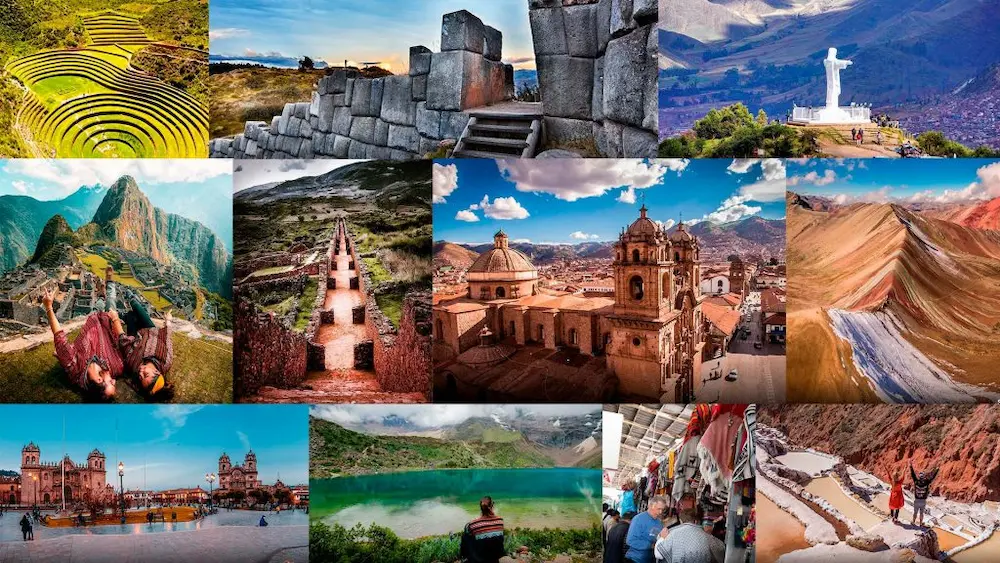
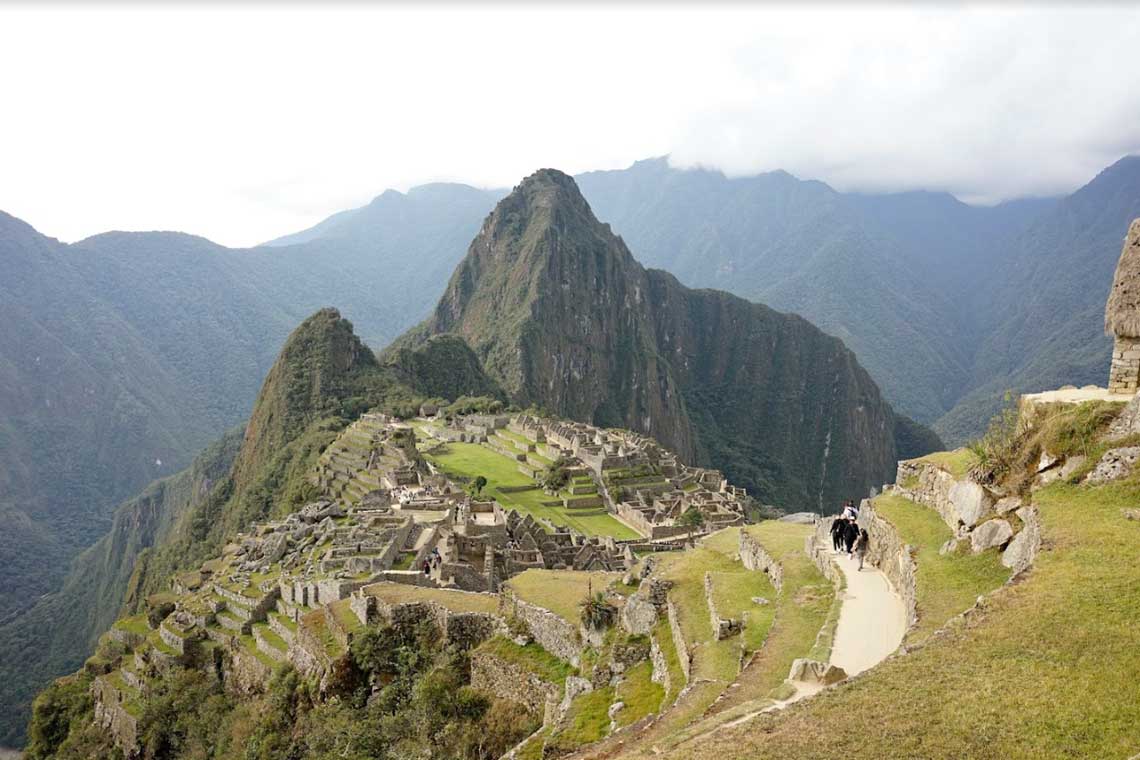
Cusco is one of the most iconic destinations in Peru and a must-visit for travelers exploring South America. Known as the former capital of the Inca Empire, it offers a unique combination of history, culture, and natural beauty. From ancient ruins to vibrant neighborhoods, there are countless best places to visit in Cusco that create unforgettable travel experiences.
Whether you are planning your first trip or returning to explore more, understanding the top attractions will help you organize your itinerary efficiently. This guide will walk you through the most important highlights, ensuring you don’t miss the true essence of Cusco.
Cusco stands out because it blends centuries of history with modern travel experiences. The city preserves Inca foundations alongside colonial architecture, creating a cultural richness that few destinations can match. This unique combination is one of the main reasons why travelers search for the best places to visit in Cusco before planning their trip.
In addition, Cusco serves as the gateway to Machu Picchu and the Sacred Valley, making it a strategic base for exploring the region. Its accessibility, tourism infrastructure, and wide range of activities make it ideal for both short and extended stays.
Cusco offers a rare opportunity to experience two worlds in one place. Inca stonework can still be seen in the foundations of many buildings, while Spanish colonial structures rise above them, creating a striking visual contrast. This fusion makes exploring the best places to visit in Cusco a culturally rich experience.
Visitors can walk through narrow streets that have remained unchanged for centuries while discovering churches, temples, and archaeological sites. This historical layering is what makes Cusco truly unique in South America.
Cusco is the starting point for one of the most famous journeys in the world. From here, travelers can access Machu Picchu and explore the Sacred Valley, home to some of the best places to visit in Cusco region.
This strategic location allows visitors to combine multiple destinations in one trip, making Cusco not just a city to explore, but a hub for unforgettable adventures.
For first-time visitors, Cusco offers a perfect balance between accessibility and authenticity. The city is well-prepared for tourism, with organized tours, transportation, and accommodation options that simplify the experience.
At the same time, it maintains its cultural identity, allowing travelers to connect deeply with local traditions. This combination makes it easier to explore the best places to visit in Cusco without feeling overwhelmed.
Planning ahead is essential to fully enjoy the best places to visit in Cusco. Factors like altitude, weather, and travel logistics can impact your experience if not properly considered.
Taking time to organize your itinerary ensures a smoother trip and allows you to visit more places without unnecessary stress.
The dry season, from May to September, is considered the best time to explore Cusco. Clear skies and stable weather make it easier to visit the best places to visit in Cusco, especially outdoor attractions.
However, the rainy season also has its advantages, such as fewer crowds and greener landscapes. Choosing the right time depends on your travel preferences.
To fully experience the best places to visit in Cusco, it is recommended to stay at least 3 to 5 days. This allows enough time to explore the city, the Sacred Valley, and nearby attractions.
Shorter trips are possible, but they require a more structured itinerary to avoid missing key highlights.
Altitude is one of the most important factors to consider when visiting Cusco. Many travelers experience mild symptoms due to the elevation.
Spending the first day resting, staying hydrated, and avoiding intense activities will help you acclimatize and enjoy the best places to visit in Cusco comfortably.
Cusco offers a diverse range of attractions that combine culture, history, and nature. From iconic landmarks in the city to breathtaking landscapes in the surrounding region, the best places to visit in Cusco cater to all types of travelers.
Exploring these destinations allows you to experience the richness of the Andes while creating unforgettable memories.
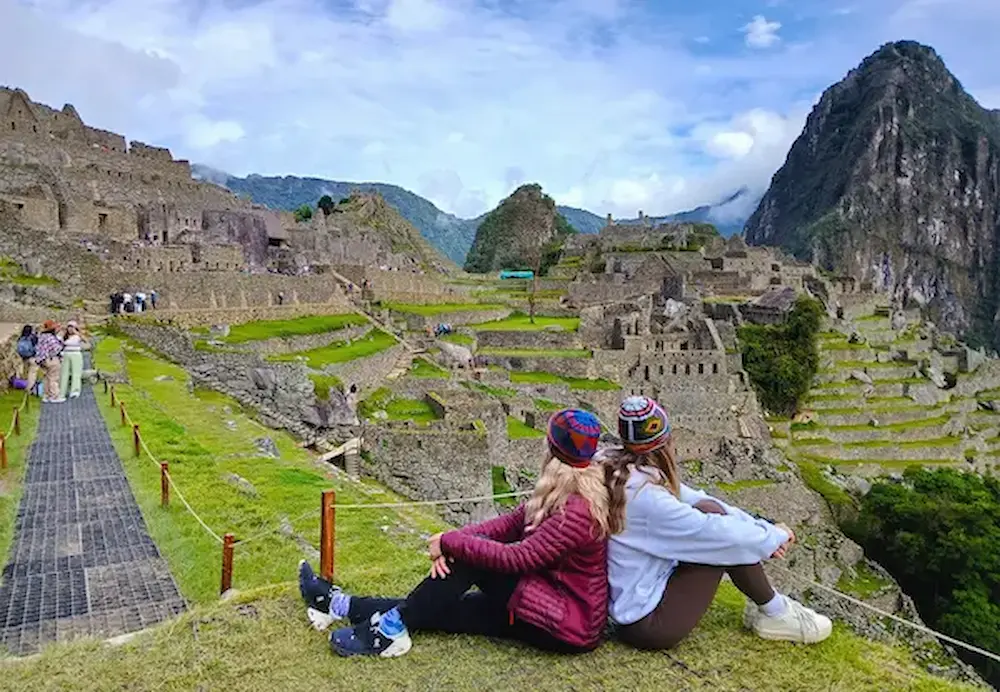
This is the principal attractive in our Cusco region, due that UNESCO had catalogued it as one of the 7 wonders worldwide, with more than 200 constructions among temples, palaces, astronomical observation centers and sacrificial altars with different architectural styles in some cases very rustics and in others, perfectly lined walls without the need of any mortar substance in which even a needle cannot fit between each stone.
Machu Picchu nowadays is very well known worldwide, it's located on the Vilcanota mountain chain and the Peruvian andes, in which more than 600 years old a select group of Inca high society decided to build this big city that was mistakenly recognized as the Inca lost city, Paititi; in a site parallel to the valley in which is located this sanctuary.
This discovery was published in August 2017 by local people of Sacramento zone, in Calca province, Cusco department.
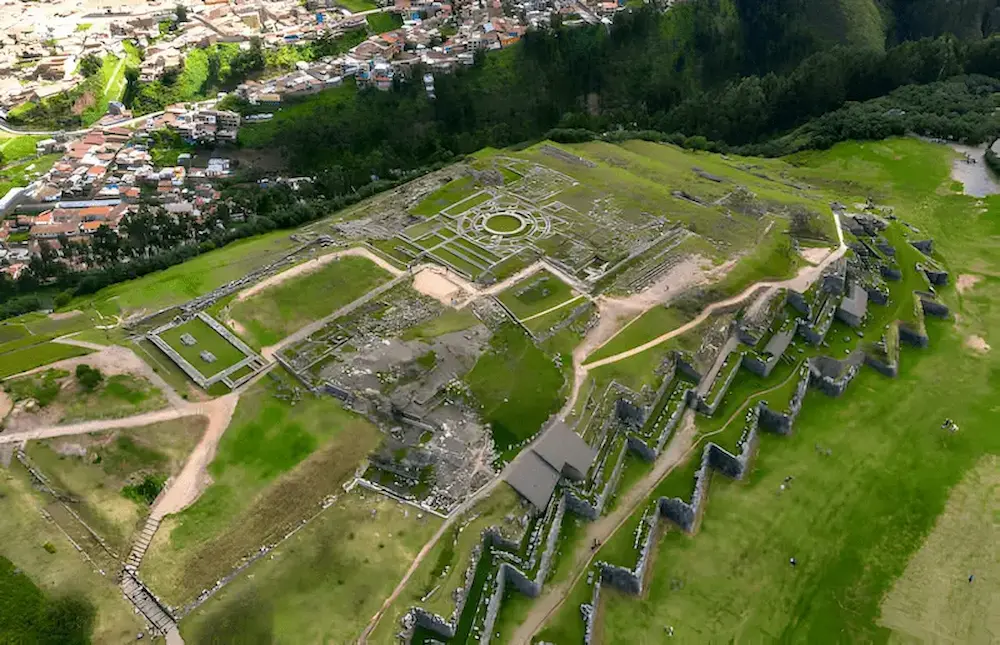
Without any doubt is very impressive how this rustic, but knowledgeable civilization could move gigantic stones with over 180 tons of weight, and even more impressive is how they could join them so perfectly using only simple tools such as chisels made of bronze alloys and hard stones such as meteorite stone, and making these kind of works is an intriguing mystery hidden in this fortress.
Moreover, the significance of Sacsayhuaman extends beyond its architectural marvels. It serves as a testament to the ingenuity and engireering prowess of the ancient Inca civilization. The precision with which the stones were cut and fitted together reflects a sophisticated understanding of geometry and craftsmanship.
Nevertheless, the oral tradition of this zone tells that Sacsayhuaman is part of Cusco city due that its design has a puma shape and the head of this animal is Sacsayhuaman. Also, these walls have zigzag forms in 3 levels and the superior portion exists the foundations of 3 towers that were known thank to Chronicles of some famous writers of colonial time.
Visit Sacsayhuamán, it's worth it!
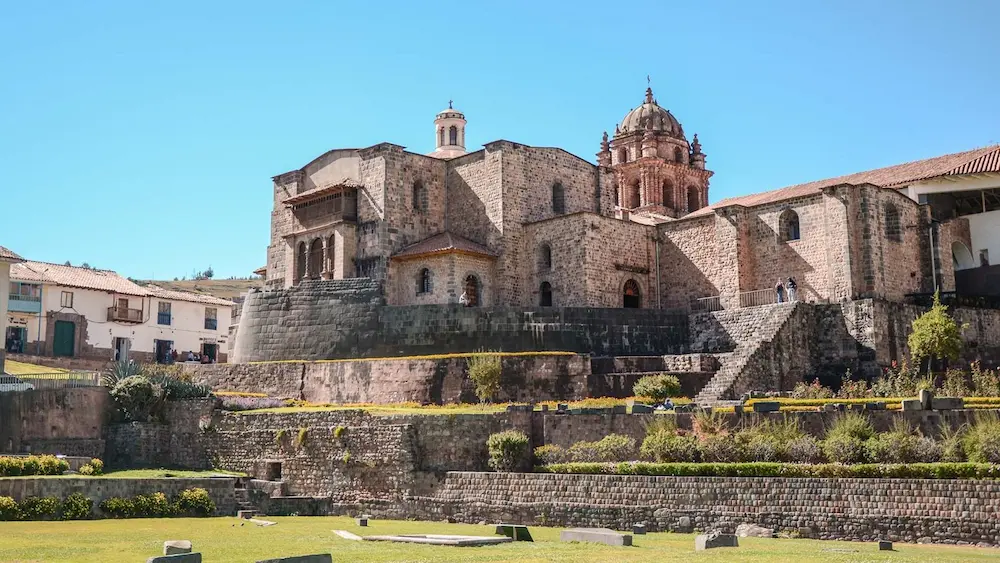
This temple, also known as Santo Domingo Temple, its part of the Catholic church, built over the most important inca temple of its time. Qoricancha temple is the only place in which our visitors will appreciate the mixture of Andean and European styles, as this place keeps the best enclosures of Inca civilization with a perfect work in which the only question is how these stone blocks were cut, assembled or how is this even possible?
It's also noted as the main point from where all the roads of the Empire surged from, and where they all returned by conforming the Qhapaq Ñan (or road of power/or of the powerful from it's Quechua translation).
Visitors can also appreciate a golden plaque that depicts the ancient inca cosmogony illustrated in it, it was also interpreted by Santa Cruz de Pachuti in it's chronic.
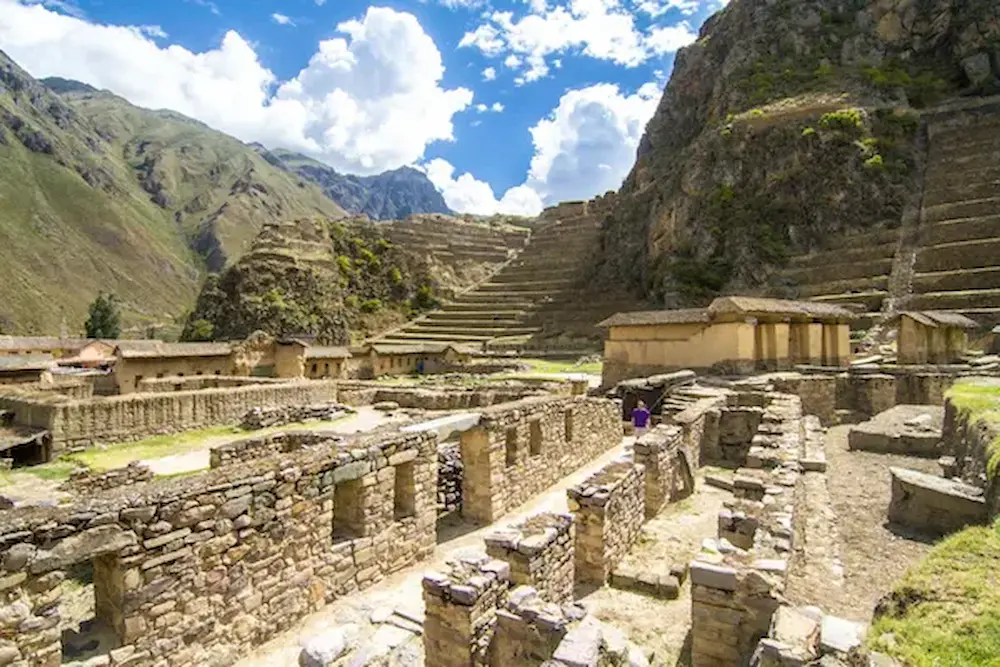
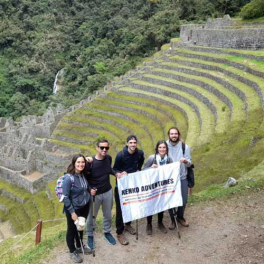
Starting from Cusco city by bus for 1:30 minutes, we arrive to Ollantaytambo: a little picturesque and touristic town.
Ollantaytambo is born from a beautiful love story: Ollantay is the name of an Inca warrior who falls in love with Cusi Coyllur, an Inca princess, who reciprocates his feelings. However, the Inca emperor opposes this relationship, leading the couple to escape to the Sacred Valley of the Incas.
There, the warrior builds the Ollantaytambo fortress to fight for his love. This is the story behind this magnificent archaeological site, which amazoes with its architecture and people, as some of them are direct descendants from the Incas.
Another impressive fact is that granite blocks with which they built Ollantaytambo are not from this area but were transported more than 5 kilometers away from a quarry now known as Cachiccata, where nowadays many people visit its summit to visit the Sun's Gate or Intipunku located there.
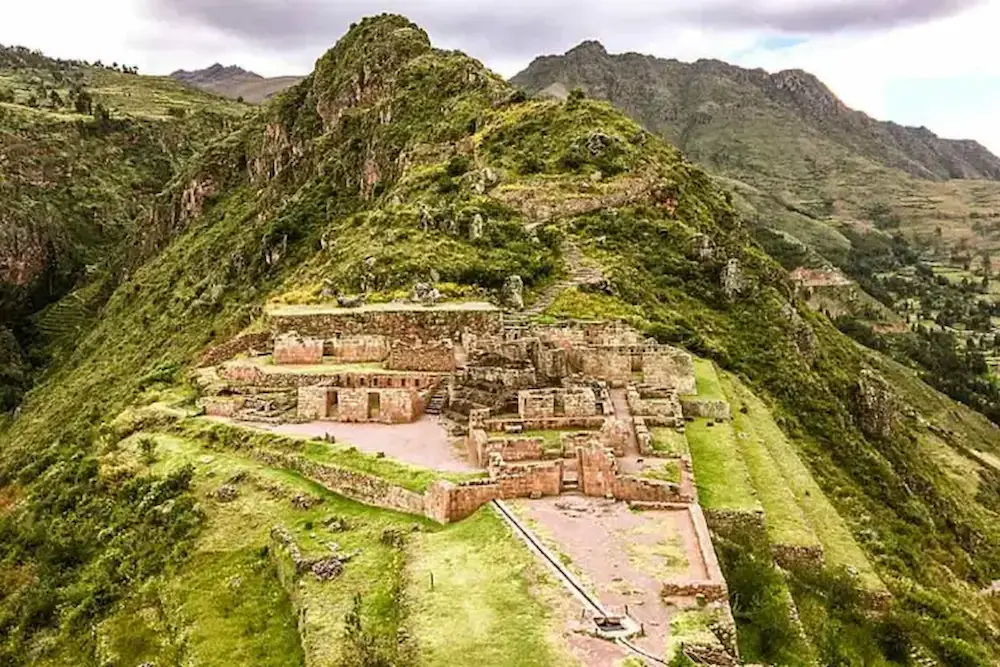
This archaeologic complex is situated in the Sacred Valley of the incas, only 45 minutes away from Cusco city by bus. Here is located the most known artisanal market and in which our weaver sisters work with natural process their textiles, they also have silverwork, they produce this metal and arrange souvenirs for our visitors making more interesting our visit and of course the visit to Pisaq archaeological site, with a big extension as it almost covers all the mountain in which is situated. Also, there is the biggest unique cemetery with more than 2000 graves.
The visit of this archaeological site and typical market is included in the majority of tours that go to the Sacred Valley offered by Cusco travel agencies.
This tour is highly recommended! Don’t miss it!
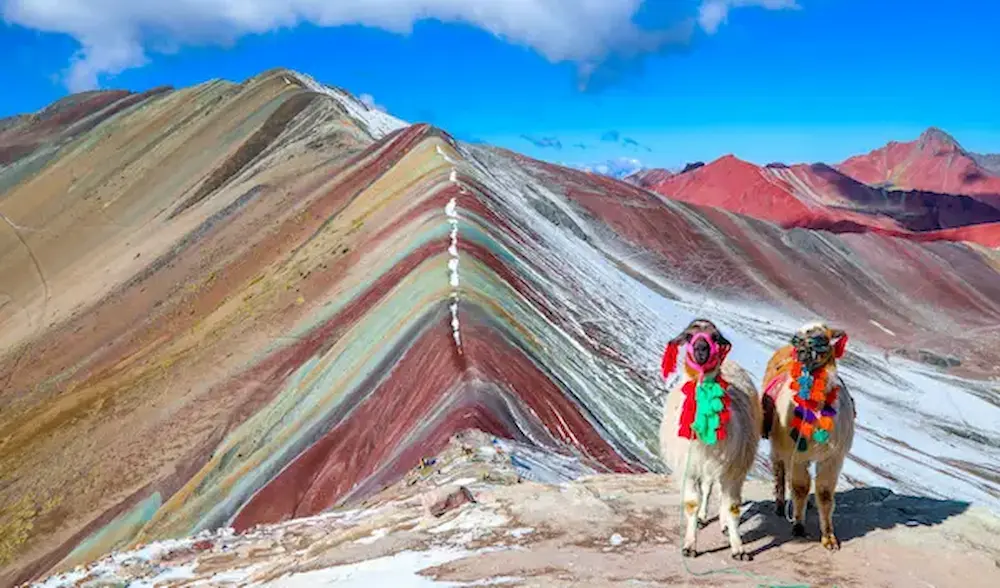
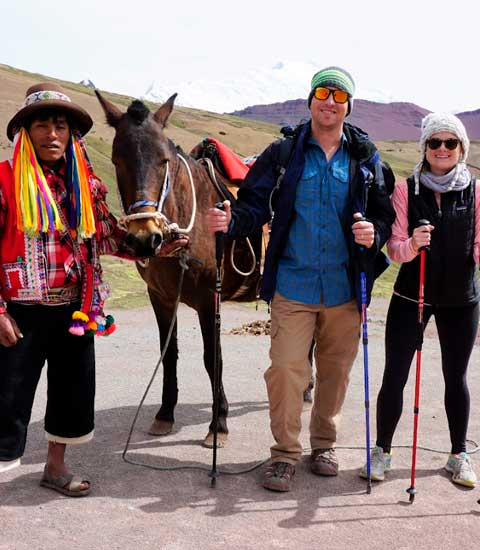
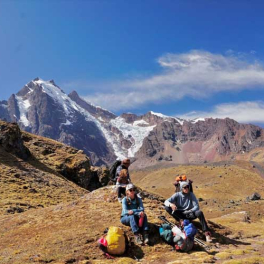
This natural wonder is located 3 hours away by bus from Cusco and another 2 hours hiking until reaching Rainbow Mountain, belonging to the Pitumarca district or so called Cusipata.
This wonder is recent, but its marvelous surrounding colors and Red Valley which is aside of this mountain, makes this place extra especial. We will have as well, one of the highest peaks in Peruvian andes called Ausangate, considered a protector deity. During the hike, our visitors will enjoy the impressive views of Peruvian andes and wildlife of this zone as the habitat is perfect for our South American camelids (llamas, alpacas, waris, pacochas, etc) as well as their local people whom maintains their traditions and customs.
Visit the Rainbow Mountain which is only a step away from Cusco!
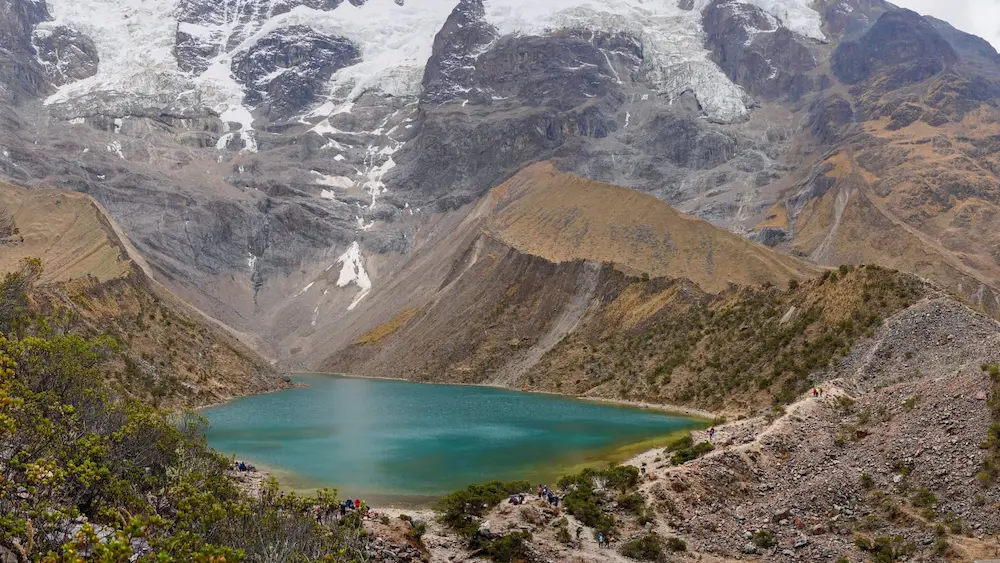
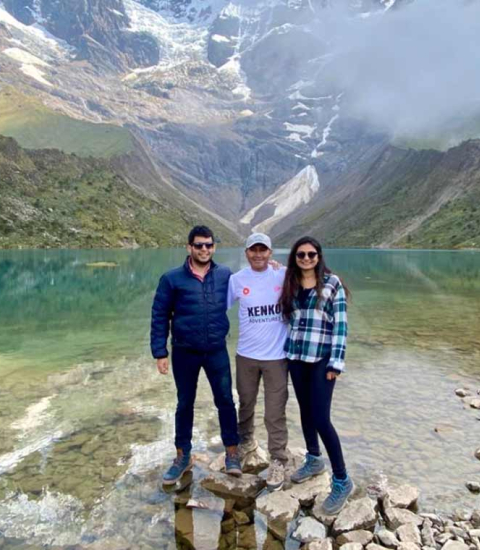
This natural attractive is a new option for intrepid tourists whom like nature and a good opportunity to contact wildness as this lagoon is located 4300 m.a.s.l. (14.107 feet) and on foot of the snowcapped mountain Humantay, in the Vilcabamba mountain chain part of the Peruvian andes.
In order to reach Humantay, you will have to take a transport towards Mollepata town located 2.30 mins away from Cusco, here all the tourists make a brief stop for breakfast and then continue another hour by bus until reaching Soraypampa which is the end of the highway and the starting trekking point to Salkantay. The visit to Humantay lagoon takes another 2 hours approx. until arrive to turquoise colored lagoon and the impressive Humantay snowcapped mountain, here the tourist groups have some free time to walk or take a lot of photos.
The return is the same way, descending until Soraypampa again and boarding the bus back to Cusco.
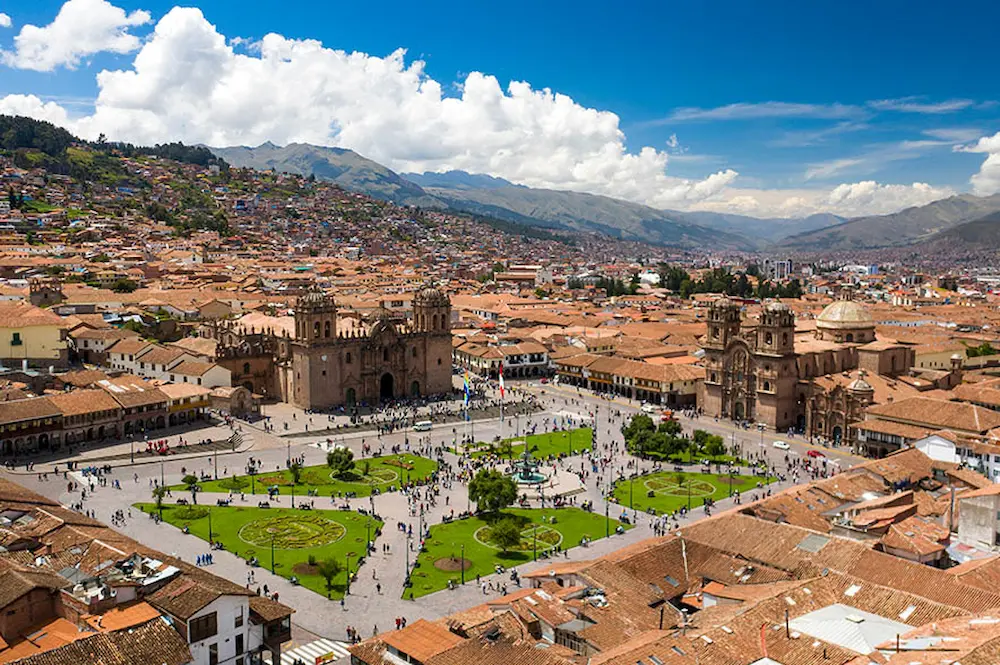
The Plaza de Armas is the heart of Cusco and one of the most important gathering places in the city. Surrounded by colonial buildings, restaurants, and churches, it is a great starting point to explore the best places to visit in Cusco.
Its vibrant atmosphere makes it ideal for both daytime exploration and evening walks, offering a glimpse into local life.
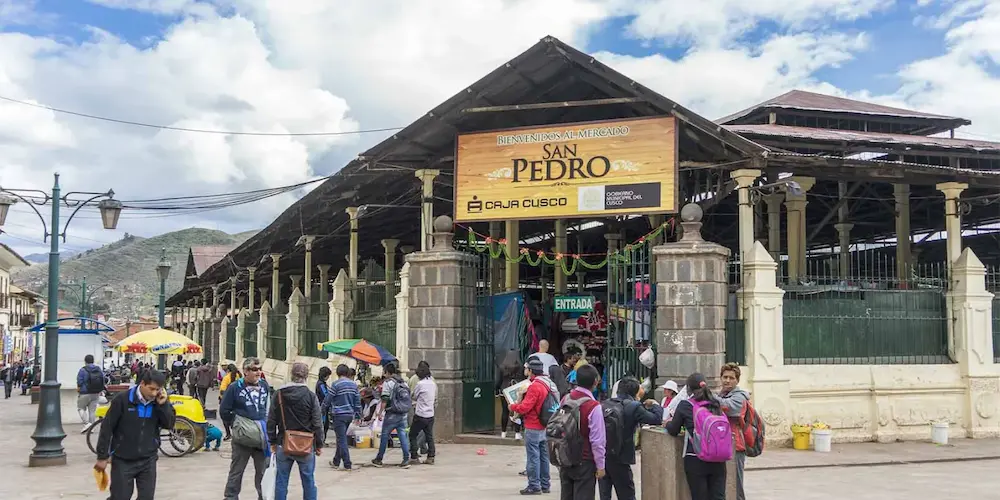
San Pedro Market is one of the most authentic and vibrant places to experience daily life in Cusco. Located just a short walk from the historic center, this traditional market is a hub where locals gather to buy fresh produce, enjoy homemade meals, and connect with their community. Unlike more tourist-oriented spots, this market offers a real glimpse into the everyday rhythm of the city.
As you walk through its colorful aisles, you’ll find a wide variety of products, from fresh fruits and vegetables to meats, spices, and traditional ingredients used in Peruvian cuisine. There are also small food stalls where you can try local dishes at affordable prices, such as soups, juices, and typical Andean meals. In addition, many vendors sell handmade goods, textiles, and souvenirs, making it a great place to shop while supporting local businesses.
Visiting San Pedro Market is not just about shopping—it’s about experiencing the culture, flavors, and energy of Cusco in a more genuine way. For travelers looking to go beyond the main attractions, it is undoubtedly one of the best places to visit in Cusco to connect with local traditions and everyday life.
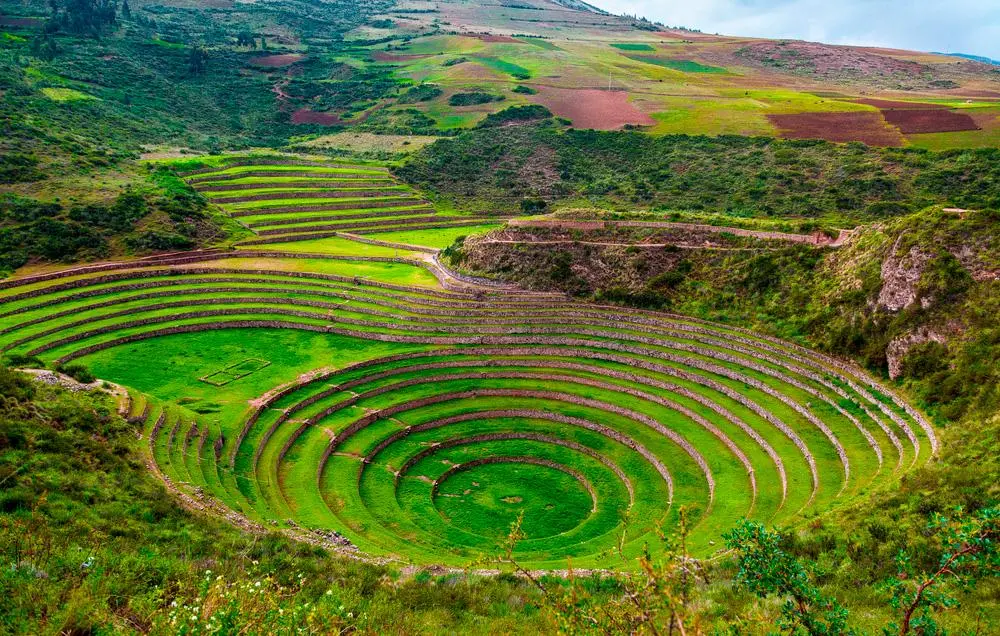
Moray stands out as one of the most fascinating archaeological sites in the Cusco region, known for its unique circular terraces that descend deep into the earth like a natural amphitheater. These terraces are believed to have been used by the Incas as an agricultural laboratory, where they experimented with different crops and microclimates. The design allows for temperature variations at each level, demonstrating the advanced knowledge the Incas had of agriculture and environmental adaptation.
What makes Moray especially intriguing is the mystery surrounding its exact purpose. While most experts agree on its role in agricultural experimentation, the precision of its construction and its unusual shape suggest that it may have also held ceremonial or symbolic significance. Standing at the edge of the terraces, visitors can truly appreciate the ingenuity and vision behind this impressive site.
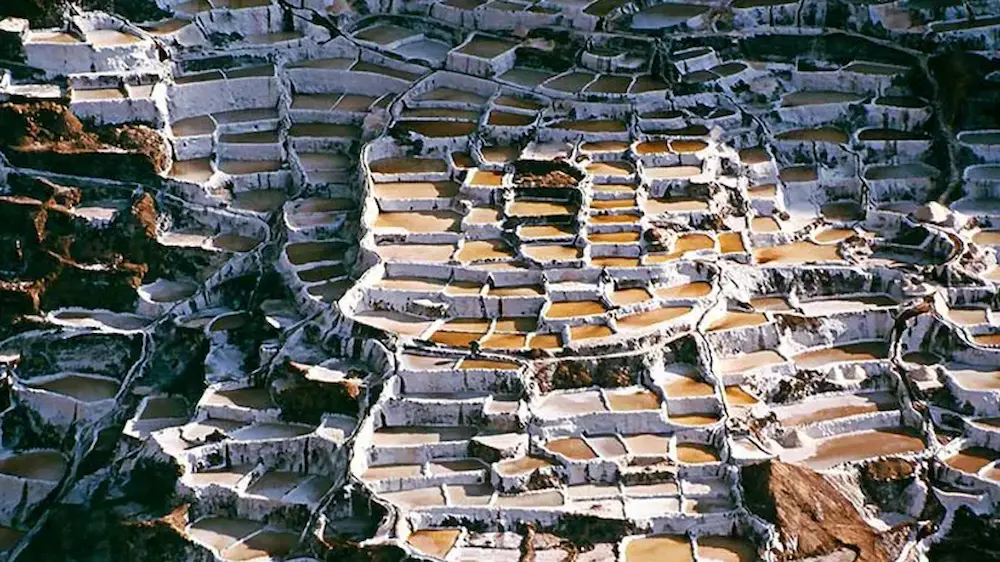
The Maras Salt Mines are one of the most unique and visually striking attractions in the Cusco region. Made up of thousands of small salt pools carved into the mountainside, these terraces create a stunning mosaic that changes color depending on the sunlight. This ancient system, dating back to pre-Inca times, continues to be used today by local families who harvest salt using traditional methods passed down through generations.
What makes this place truly special is not only its beauty but also its cultural significance. Each pool is carefully maintained, and the salt is naturally extracted through the evaporation of mineral-rich water that flows from a nearby spring. Visitors can observe the entire process and even purchase locally produced salt, which is known for its quality and unique flavor.
As one of the most photogenic destinations in the region, the Maras Salt Mines are a must-visit for photography lovers and cultural travelers alike. It offers a rare opportunity to witness living traditions in action while enjoying breathtaking landscapes, making it one of the best places to visit in Cusco for a deeper and more authentic experience.
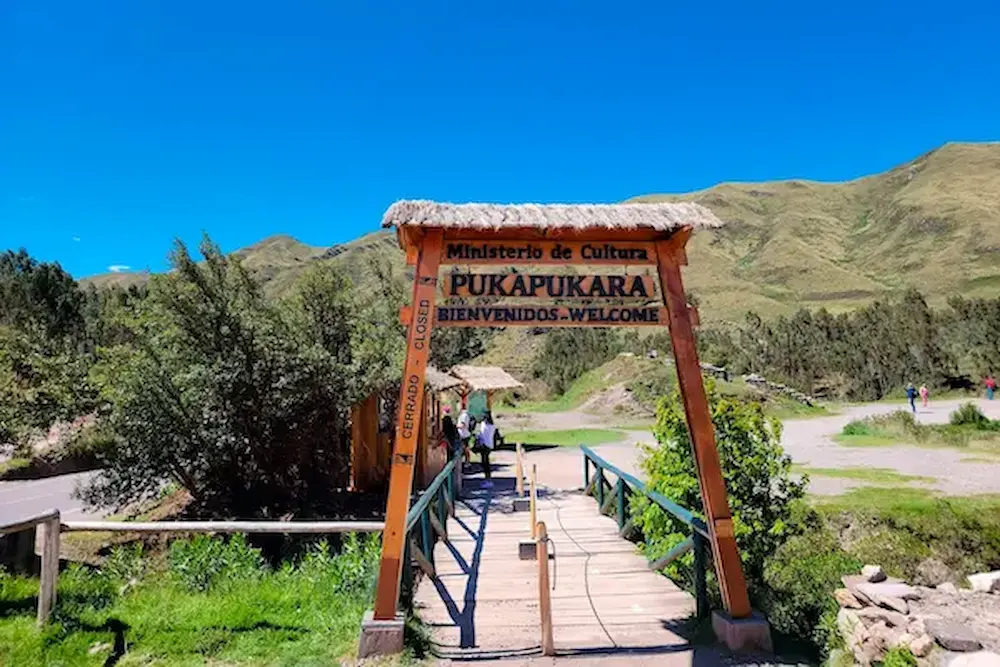
Puka Pukara is a small yet intriguing archaeological site located just a few kilometers from Cusco, often visited alongside other nearby attractions. Its name means “Red Fortress” in Quechua, a reference to the reddish hue the stones take on during sunset. Although not as large as other Inca sites, it holds historical importance due to its strategic location along ancient routes.
It is believed that Puka Pukara functioned as a military checkpoint or control point, where travelers entering the city were monitored. The structure includes terraces, stairways, and rooms that likely served as lodging for guards or messengers. Its elevated position also provided a clear view of the surrounding area, reinforcing its defensive purpose.
While it may seem like a quick stop, Puka Pukara plays an important role in understanding the broader network of Inca infrastructure. It complements nearby sites like Tambomachay, making it part of a larger historical circuit. For travelers exploring beyond the main highlights, it adds valuable context and is definitely worth including among the best places to visit in Cusco.
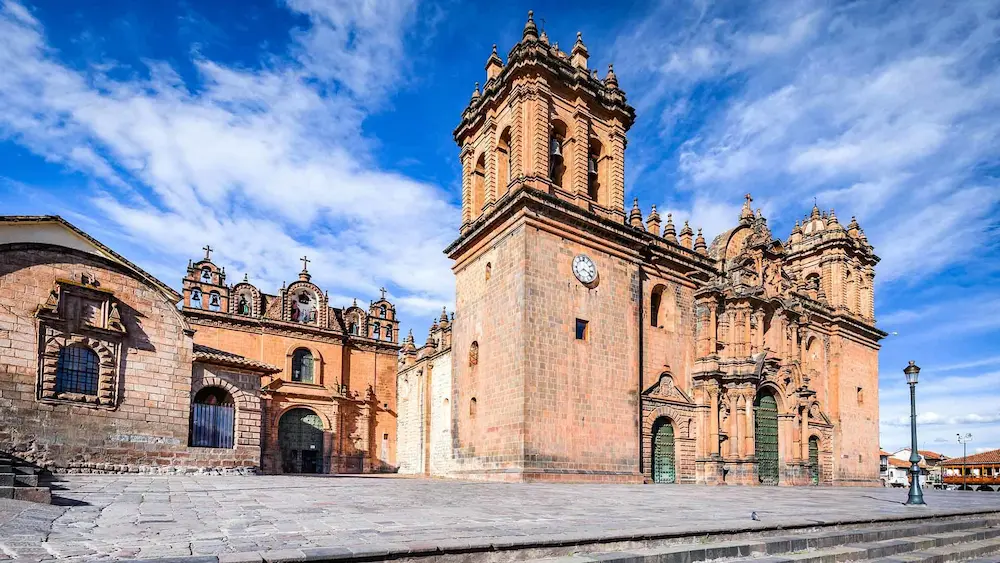
Located in the heart of the Plaza de Armas, the Cusco Cathedral is one of the most important landmarks in the city and a true masterpiece of colonial architecture. Built on top of the foundations of an Inca palace, this iconic structure reflects the fusion of Spanish and Andean influences that define much of Cusco’s history. Its impressive stone façade and grand interior immediately capture the attention of visitors.
Inside, the cathedral houses an extensive collection of religious art, including paintings from the famous Cusco School, intricate wood carvings, and beautifully decorated altars covered in gold leaf. One of its most unique features is the depiction of the Last Supper, where traditional Andean elements—such as local foods—are incorporated into a classic European scene. These details highlight the blending of cultures that took place during the colonial period.
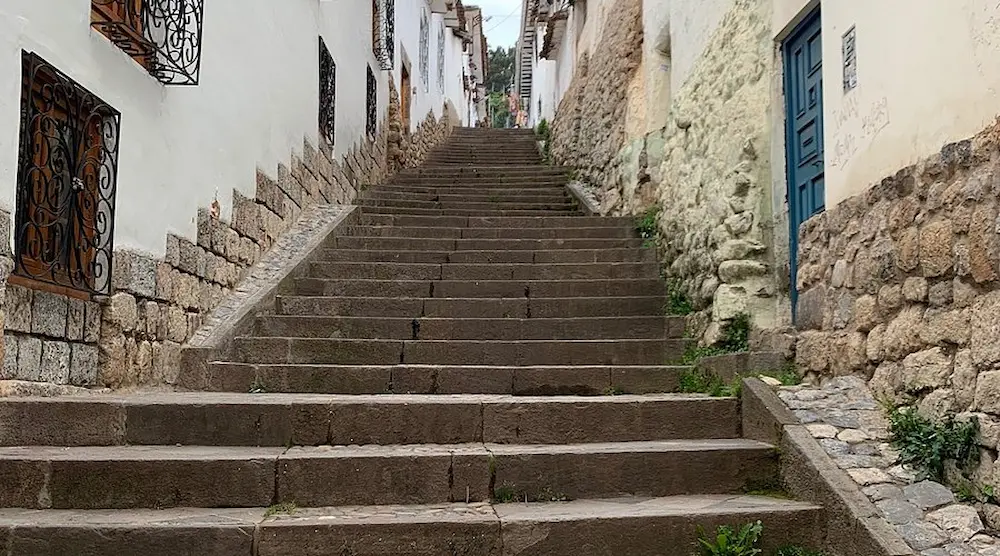
San Blas is widely known as the artistic heart of Cusco, a charming neighborhood filled with narrow cobblestone streets, whitewashed houses, and a vibrant creative atmosphere. As you walk through this area, you’ll find local art galleries, artisan workshops, and small boutiques where traditional craftsmanship blends with contemporary design. It’s a place where every corner feels unique, making it perfect for travelers who enjoy exploring beyond the typical tourist spots.
What makes San Blas stand out is its bohemian vibe and strong cultural identity. Many of the artists who live and work here are descendants of traditional Andean artisans, preserving ancient techniques while adding their own modern touch. From hand-carved woodwork to detailed paintings and textiles, the neighborhood offers a deeper connection to Cusco’s artistic heritage.
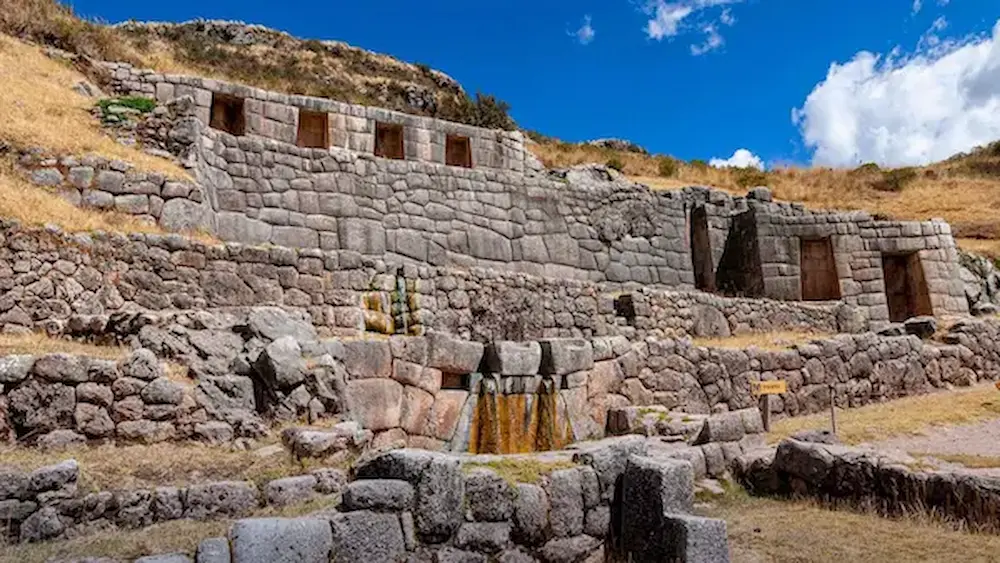
Tambomachay is an archaeological site closely associated with water rituals, sacred ceremonies, and the advanced hydraulic engineering of the Inca civilization. Located just a short distance from Cusco, this site is often referred to as the “Bath of the Inca” due to its beautifully constructed aqueducts, canals, and waterfalls that continue to function perfectly even today. The precision with which water flows through the stone channels reflects the Incas’ deep understanding of nature and their ability to harmonize architecture with the environment.
What makes Tambomachay especially interesting is its spiritual significance. Water was considered a sacred element in Inca culture, symbolizing life, purification, and connection with the gods. It is believed that this site was used for ritual baths, ceremonies, and possibly as a resting place for Inca nobility. The constant sound of flowing water and the peaceful surroundings create a calm and almost meditative atmosphere for visitors.
Although it is one of the lesser-known sites compared to major attractions, Tambomachay remains one of the most fascinating places to visit in Cusco for travelers who want to explore beyond the typical tourist route. It is often included in the city tour along with nearby sites, making it an easy and worthwhile stop. Visiting Tambomachay not only allows you to appreciate impressive Inca engineering but also offers a deeper understanding of the cultural and spiritual importance of water in the Andes.
Now you know what to visit in Cusco, we’re sure that you’ll have plenty of exciting plans to add to your trip. No matter which adventure you choose, we hope your time here is unforgettable. This region of Peru truly has so much to offer and has always been a must-stop for travelers exploring the country.
Save this guide for later—and don’t forget to share your experience or let us know your favorite things to do in Cusco!