Image
Cusco and the Sacred Valley are top destinations in Peru, but these places captivated us so much that we couldn't bear to leave before thoroughly exploring as many sites as possible and experiencing the best they have to offer.
Without a doubt, Sacred Valley should be on your Peru travel itinerary. This valley is brimming with mysteries, Incan history, countless ruins, stone terraces, and stunningly picturesque natural scenery carved by the Urubamba River - it's hard to find a more photogenic valley.
This Sacred Valley travel guide offers practical tips, but most importantly, I'll share the top things to see and do there. The hundred-kilometer long valley stretches from the Pisac Ruins and town of Pisac (just 20 km from Cusco) all the way to the citadel of Machu Picchu .
During Incan times, the valley wasn't just an important area with several checkpoints (now ruins/archaeological sites) and the main route from Cusco to Machu Picchu. Thanks to stable year-round temperatures, a sustained water source from the Urubamba River, and two distinct wet and dry seasons, this area was (and still is) perfect for agriculture.
When exploring Sacred Valley around Pisac, keep this blog in mind and be prepared for one thing: you'll see ruins and terraces galore!
Getting to Pisac Cusco is relatively easy, whether you choose public transport, a private tour, or a taxi. The journey itself is scenic, offering beautiful views of the Andes and the Sacred Valley landscapes.
Travelers can expect a mix of cultural exploration and outdoor adventure. The altitude is slightly lower than Cusco, making it a great place to acclimatize while still enjoying meaningful experiences.
ATTRACTIONS
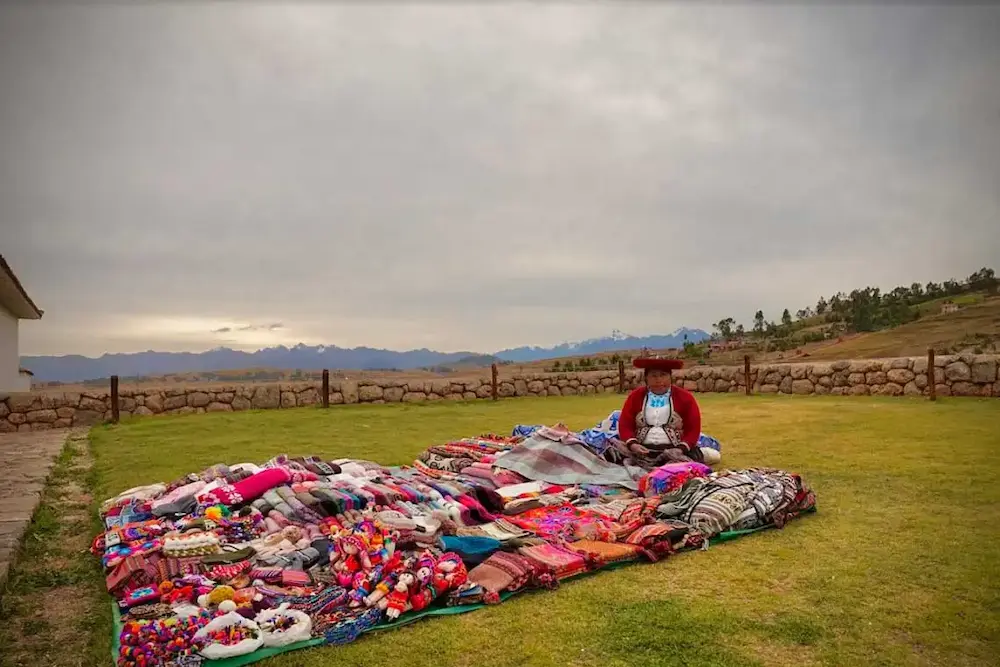
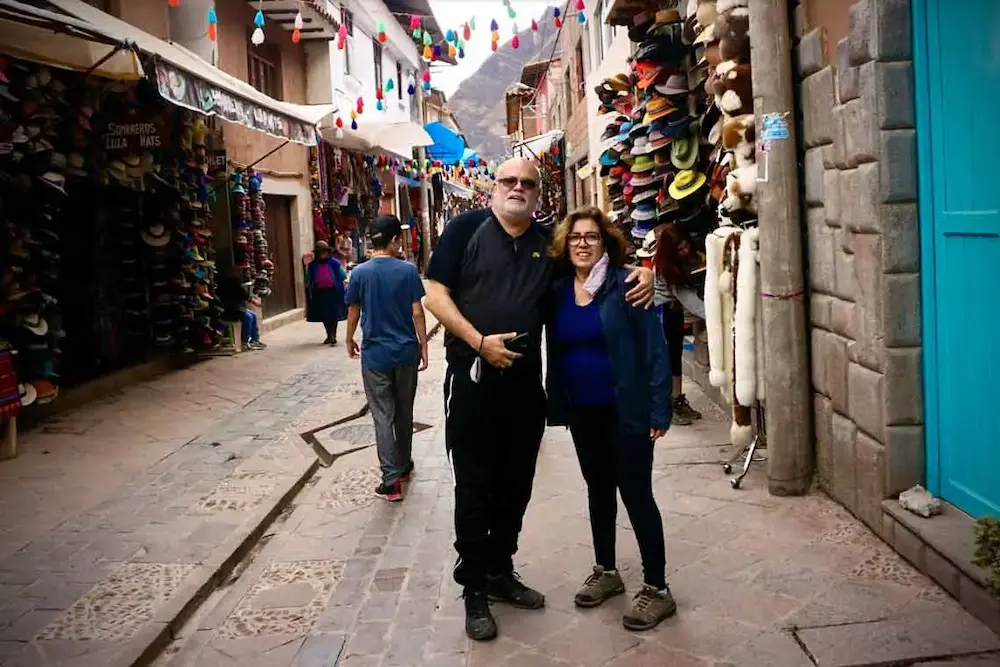
Pisaq Market is open in the entire town, you can walk through looking the colorfull suvenirs that local people offer in their door and when you reach the main square the Market is bigger and the prices is better that Cusco o any town for suveniers.
The Sacred valley tour goes through pisaq inca site which is located on top of the mountain of Pisaq town, you can get there walking aproximately 2 hours or by local cars in 15 minutes.
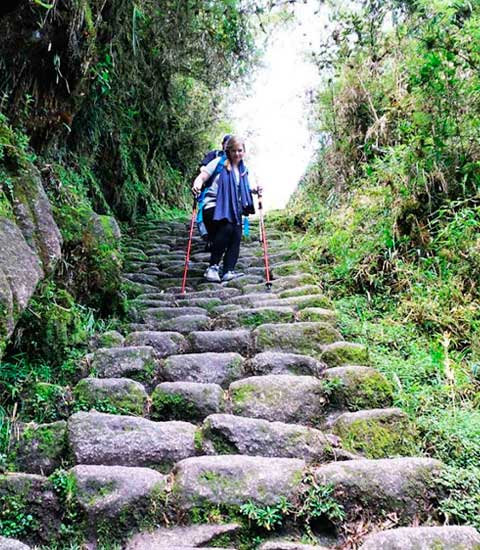
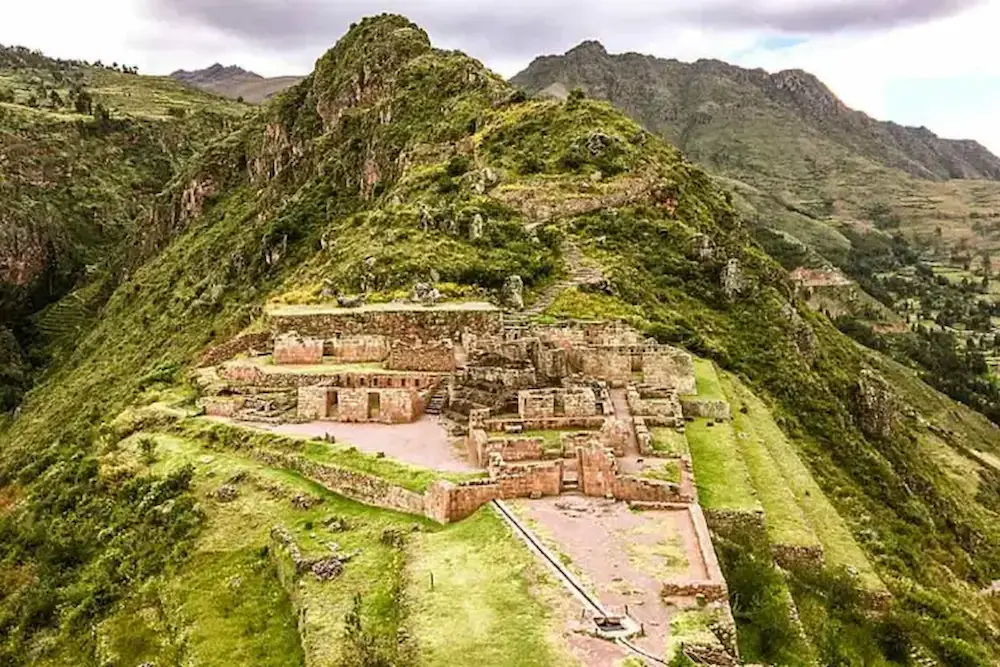
Pisaq inca ruins is very big, you have to walk carefully because goes through narrow paths, small tunnels and cliff sites, then you can visit the religious centers, artisan neighborhoods, military neighborhoods and impresived aqueducts.
There are 2 ways to get Pisaq:
First- you can just get a tour through Sacred Valley for a day, that can be done by any travel agency that you can find in Cusco (there is tours every day)
Second- you can do in your own. You can get a local car from Puputi Street and for 5 soles they Will take you to pisaq town in 45 minutes then you can explore in yor own.
Situated along the road connecting Cusco and Pisac, there's a privately-run sanctuary called Santuario Animal de Cochahuasi that has been rescuing and providing shelter to wild animal species since 2007. While the ultimate aim is for the animals to be returned to the wild, many species are sheltered here, including Andean condors, vicuñas, and even pumas.
You can see them yourself as part of a three-hour tour of the sanctuary (it’s a 22-kilometer (14-mile) drive from Cusco)) or colectivo from Cusco to Pisac.
It's well worth the trip to witness these magnificent animals being cared for and protected and many of the creatures here are endangered and were confiscated from illegal hunters or poachers.
You can see them yourself as part of three-hour tour of the sanctuary and can get here by taxi (it’s a 22-kilometer (14-mile) drive from Cusco.
The Sacred Valley sits pretty high up at around 2,400 meters or 8,000 feet above sea level. Because of this lofty elevation, altitude sickness can be a real issue for travelers, especially folks coming from lower areas like Lima near sea level. However, Sacred Valley & Salt Mines Day Tour is a bit lower than Cusco (3,399 meters/11,150 feet), so it can be a great place to let your body adjust to these new conditions.
Typically, it takes about two weeks to fully overcome altitude sickness, which the Peruvians call "soroche." But even just a couple days of adjusting is better than nothing. Drinking lots of water and getting enough sleep are usually helpful for dealing with the symptoms. You could also try coca leaf tea and herbal oils made specifically for altitude sickness, you can find them in most local markets in Peru.
Besides your personal medication or anything else you need to help you adjust to altitude sickness, it’s also important to pack the right type of clothing that is the next important tip.
When you visit to the Sacred Valley - the charming town of Pisac in particular, pack something light, comfortable clothing that will keep you feeling breezy. However, rains are quite common in this region. Perhaps you're already the proud owner of the renowned Patagonia Storm waterproof jacket? A wonderful choice. If not, consider the North Face Alta Vista jacket - significantly more economical yet still offering dependable protection.
As the day ends and night falls, you'll want to have warm, comfortable clothing ready. The evenings can grow quite chilly, so having thermal basics jacket will prove incredibly useful during any tours around the ancient Incan tour capital Cusco.
Another essential for this high-altitude destination - sunblock. The sun's rays are notoriously intense here in Cusco and the Sacred Valley. Definitely pack a good sunscreen. And while you're at it, toss in a wide-brimmed hat as well to shade your face.
For even more expert packing suggestions tailored to this South American adventure, be sure to consult the comprehensive packing list provided by our very own tour agency. They've carefully compiled all the insider tips to ensure you're fully prepared for your journey.
One of the most popular tales around these parts is "The Legend of the Enchanted Ñusta." Gaze up at the slopes surrounding Pisac, and you'll make out a striking rock formation known as the Ñusta which represents silhouette of an indigenous woman forever watching over this Sacred Valley.
The native people spin a tragic but deeply romantic story of how this formation came to be. It tells of Inquill Chumpi, the beautiful daughter of the chief of Pisac, and Prince Asto Rímac, who loved her dearly. Inquill's father decreed that she would be promised to any man who could construct a bridge across the valley in just one night's time.
Driven by his love, Asto Rímac took on this seemingly impossible challenge. As dawn approached, the prince was just laying the final stones. But, Inquill could not resist glancing upon her beloved's work and for something reason she must not turn to see him, then she disobeyed the prohibition. In that fateful moment, they both turned into stone.
This rock formation and its legend have become emblematic of eternal love and the rich cultural of Pisac. Though, there are many versions recounted by the native storytellers. The true story can only be found in the mystical Pisac town.
These spots to visit in Pisac immerse you in the impressive engineering and worldview of the Incas:
► Kallaqhasa: The sacred sector
The site of both religious and residential activities. A mysterious three-meter tunnel here adds an element of exploration and mysticism to the location.
► Pisaq’a: The old residential neighborhood
This group of 23 semi-circular buildings, notable for its rusticity and natural environment adaptation.
► Sector Tianayoq: The Ceremonial Seat
This area is notable for a unique lithic piece carved in the shape of a seat.
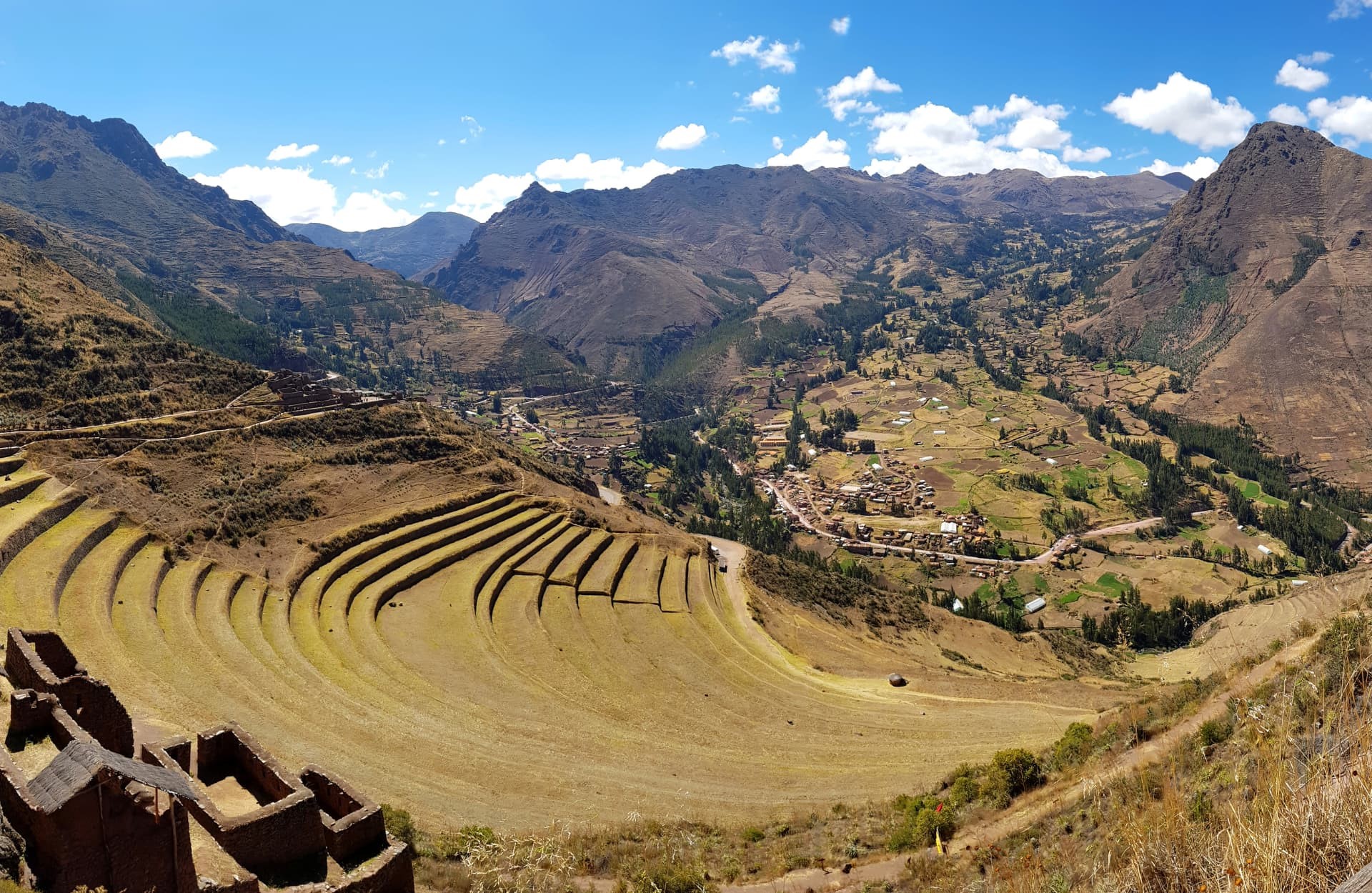
► Ajchapata Terraces: Agriculture in splendor
These agricultural terraces, visible on the way to the monument, boast a unique fan-shaped structure.
► Qoriwayrachina: The watchtowers
The towers known as “pucaras” served not only for defense but also as watchtowers for observation.
► Tantamarka: The prehispanic cemetery
Tantamarka contains rock-embedded tombs, many of which, unfortunately, have been looted.
► Intihuatana: The inca sundial
The Intihuatana in Pisac is a majestic rock outcrop crafted to measure time, especially spectacular during the June solstice when it aligns perfectly with the sunrise.
► Qantus Raqay: The ancient guinea pig farm
Spaces used for guinea pig breeding and storage facilities (qollqas), along with impressive agricultural terraces, canals, and fountains from the Inca era.
► The Tunnels: Secret passageways
Pisac features two tunnels carved into the rock, one 16 meters and another 3 meters long in the Kallaqhasa sector.
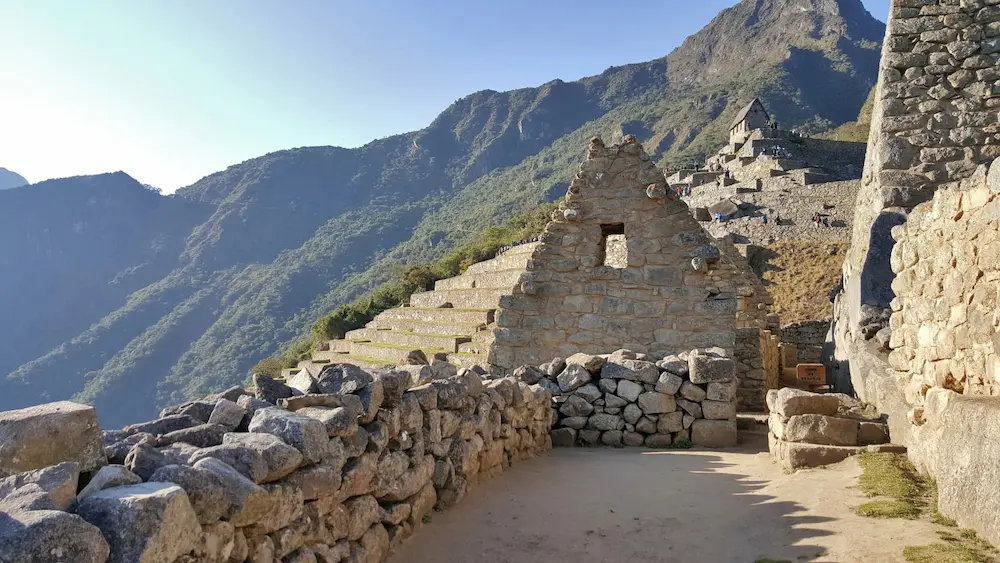
Pisac has a temperate climate from April to November, expect sunny, clear skies for hassle-free wandering among the ruins. Between December and March, and You will enjoy the green landscape thanks to the refreshing rains. With temperatures ranging from 11 to 16°C and extremes of 22 to 29°C in summer and 7 to -4°C in winter, each season gives a different charm to Pisac.
For warm weather and brilliant blue skies, plan your visit between May and September. But if you're a fan of astronomy and Incan culture, don't miss the winter solstice in June, you can see how the sun illuminates the archaeological site in a unique way. And, you can witness the famous Inti Raymi festival, one of the most celebrated events of the Inca calendar in Cusco.
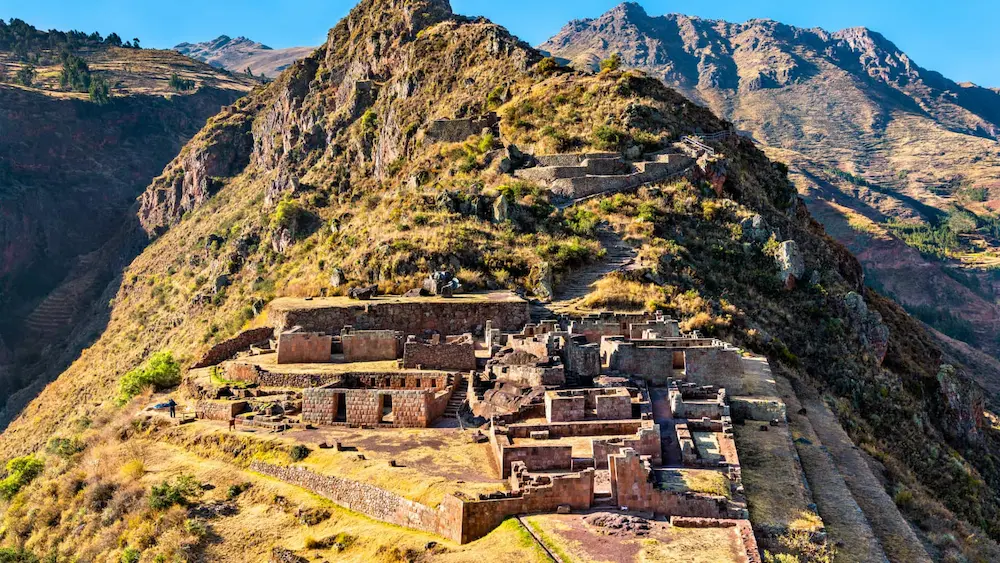
Beyond its famous ruins and vibrant market, Pisac offers a variety of lesser-known attractions that are definitely worth exploring if you have extra time. These spots allow travelers to experience a more authentic and relaxed side of Pisac Cusco, from the typical tourist crowds. Walking through the town, you’ll find small streets filled with artisan workshops, cozy cafés, and hidden viewpoints that showcase the beauty of the Sacred Valley from different angles.
One of the highlights is exploring the quieter neighborhoods and surrounding areas, where you can connect with local life and traditions. You might come across family-run stores, small organic farms, or even local ceremonies depending on the time of your visit. Pisac is also known for its laid-back, almost bohemian vibe, making it a popular place for artists and travelers seeking a slower pace. Taking the time to discover these alternative attractions adds depth to your visit and turns a simple stop into a much richer cultural experience.
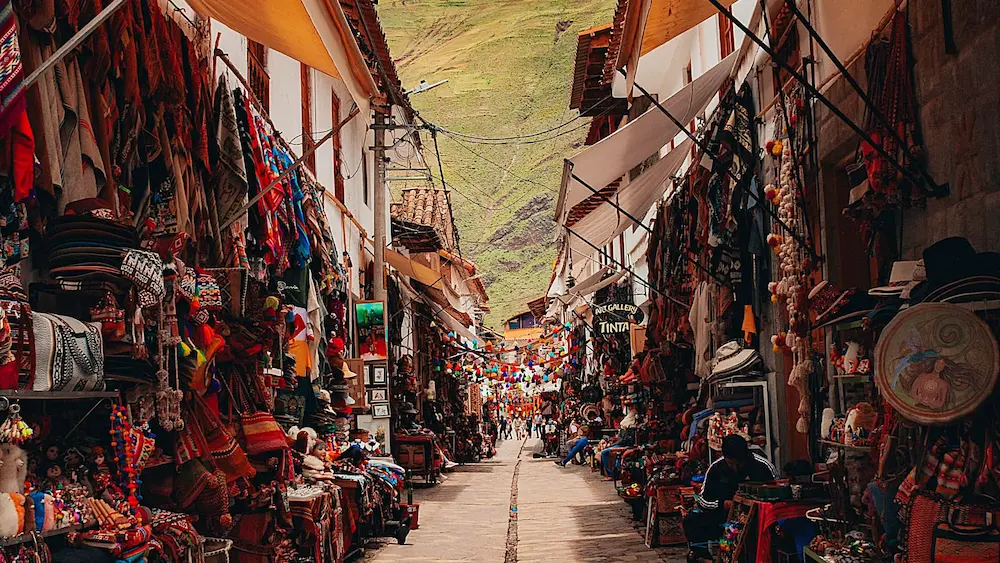
Pisac is famous not only for its monumental archaeological site but also for its rich heritage, customs, folk dances and traditional costumes that have endured through generations, come to life every Sunday in its main square. To truly experience the essence, you have to visit the town of Pisac.
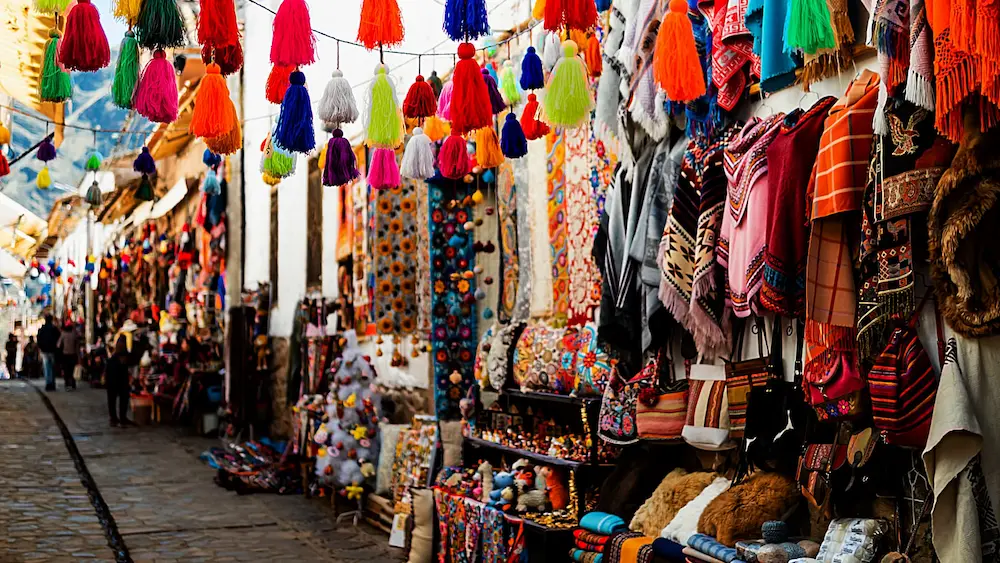
Equally important is the traditional market of Pisac or the town's traditional market. This is where local artisans show their incredible handmade creations. From alpaca textiles bursting with colorful patterns, to finely crafted ceramics, and replicas of ancient treasures.
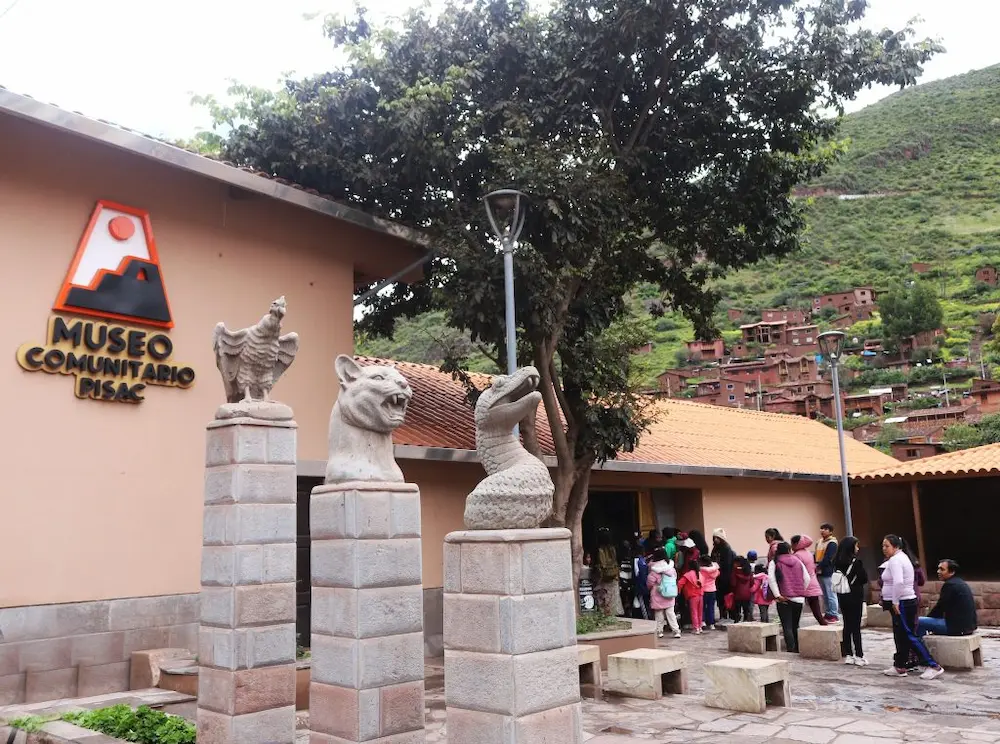
The Pisac Community Museum, established in 2009, is located at the Federico Zamalloa Avenue. It showcases a diverse collection of traditional ceramics and textiles crafted by the local Quechua communities.