Image
Is Peru safe to visit in 2026? For most travelers, the answer is yes, especially if you stay on well-known tourist routes such as Lima, Cusco, the Sacred Valley, Machu Picchu, Arequipa, Puno, and the Amazon with proper planning. Like many popular destinations, Peru requires common-sense travel habits: choosing safe transport, avoiding risky areas, staying updated on local conditions, and booking with reliable operators.
Peru is one of South America’s most rewarding countries to explore, but safety depends on where you go, how you move around, and how prepared you are. This guide explains what travelers should know before visiting Peru, including crime, transportation, protests, altitude, solo travel, and practical tips to enjoy the country with more confidence.
You might be interested in reading: Visiting Peru in June
Peru is generally safe for tourists who plan their trip around popular destinations, use reliable transportation, and stay aware of their surroundings. Most travelers visit Peru without serious problems, especially in areas such as Lima, Cusco, the Sacred Valley, Machu Picchu, Arequipa, Puno, and Lake Titicaca.
That said, Peru is not a destination where travelers should be careless. The most common issues are petty theft, unofficial taxis, tour scams, road delays, protests, and altitude sickness in high-elevation areas. These risks are manageable with preparation, but knowing what to expect can make your trip safer and more enjoyable.
Tourist safety in Peru depends heavily on where you go and how you move around. Major tourist routes are usually well prepared for visitors, with hotels, guides, agencies, restaurants, and transport services available. However, crowded streets, markets, bus terminals, nightlife areas, and informal transport can increase the risk of theft or scams.
For first-time visitors, the safest approach is to stay in well-reviewed accommodation, book tours with reputable operators, and avoid walking alone late at night in unfamiliar areas.
Petty theft is one of the most common safety concerns for tourists in Peru. Pickpocketing and phone snatching can happen in crowded places such as markets, bus stations, plazas, festivals, and busy streets.
To reduce the risk, keep your phone away from the street side, avoid displaying expensive items, carry only the cash you need for the day, and use a secure bag in crowded areas. In cities like Lima and Cusco, extra attention is important in tourist-heavy zones and public transportation areas.
Taxi safety in Peru is an important topic because not all taxis are regulated or reliable. Tourists should avoid random street taxis when possible, especially at night or after arriving at airports and bus stations.
A safer option is to use ride apps, hotel-arranged transfers, official airport taxis, or transportation provided by a trusted tour operator. Before getting into a taxi, confirm the price or use an app with a fixed fare.
Some travelers encounter fake tour sellers, unofficial guides, overpriced packages, or tickets that are not valid. This can happen near tourist attractions, bus stations, plazas, or online when booking through unknown providers.
To stay safe, check reviews, verify the agency’s website, ask what is included, confirm cancellation policies, and avoid paying the full amount to someone who cannot provide clear booking details. For treks, Machu Picchu, and multi-day tours, using a licensed or well-reviewed operator is especially important.
Transportation safety in Peru varies by route and provider. Reputable tourist buses, private transfers, trains, and organized tour transportation are usually safer than informal buses or cheap unverified services.
For long-distance travel, choose recognized bus companies, avoid keeping valuables in luggage compartments, and keep your passport, phone, and money with you. If your itinerary includes remote areas, early departures, or late arrivals, private transportation can be a safer and more comfortable option.
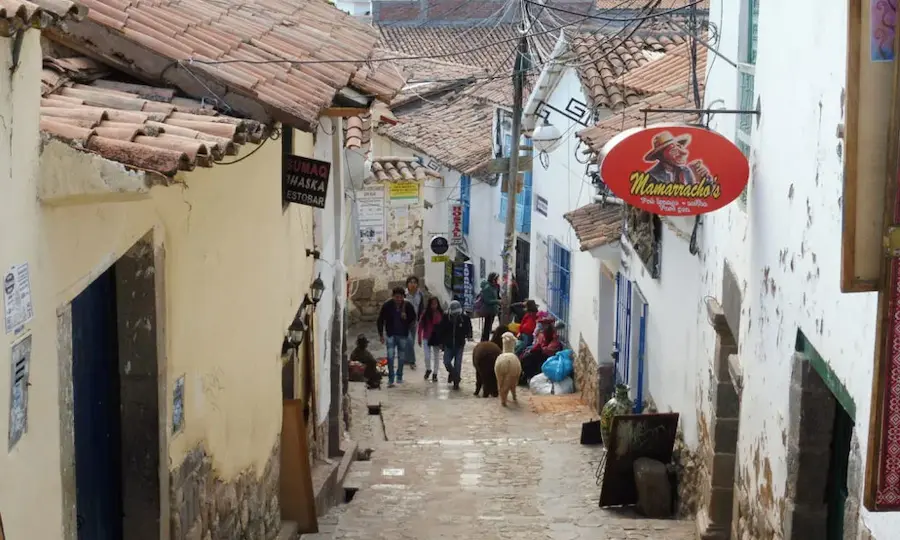
Although Peru is generally safe for most travelers, not all parts of the country offer the same level of security. Some remote regions are associated with organized crime, drug trafficking, limited police presence, or social unrest. These areas are not part of the traditional tourist circuit, which includes Lima, Cusco, the Sacred Valley, Machu Picchu, Arequipa, and Puno.
For most visitors, staying within well-established tourist routes is the safest and most practical way to explore Peru. If you plan to visit remote jungle regions, border zones, or rural areas, it is important to check current travel advisories and travel with reputable operators.
The VRAEM (Valley of the Apurímac, Ene, and Mantaro Rivers) is one of the main areas travelers should avoid in Peru. This region has long been associated with drug trafficking, organized crime, and the presence of terrorist remnants.
The VRAEM includes parts of Ayacucho, Cusco, Huancavelica, and Junín. However, it is important to note that Cusco city, the Sacred Valley, the Inca Trail, and Machu Picchu are not located in this restricted area.
The border region between Colombia and Peru, particularly in Loreto, is another area that travelers should avoid. This region presents higher risks related to crime, illegal activities, and limited emergency assistance.
This warning does not apply to all Amazon destinations. Organized trips to Iquitos and well-established Amazon lodges are common and can be safe when booked through reputable tour operators.
Some remote parts of the Peruvian Amazon have limited transportation, weak communication, and reduced access to medical care or police services. While these regions can be fascinating, they are best visited only with experienced guides and organized tours.
Travelers who want to explore the Amazon should choose recognized lodges and agencies that provide transportation, guides, and emergency support.
Protests and roadblocks can occur in different regions of Peru and may affect highways, airports, train routes, and access to tourist destinations. While they do not always pose a direct danger to travelers, they can cause delays, cancellations, and unexpected itinerary changes.
Visitors should avoid demonstrations, monitor local news, and stay in contact with their hotel or tour operator for real-time updates.
In cities such as Lima, Cusco, and Arequipa, some neighborhoods become less safe at night, especially areas with poor lighting, limited activity, or low police presence.
Travelers should use ride apps or trusted taxis after dark, avoid isolated streets, and stay within recommended tourist districts.
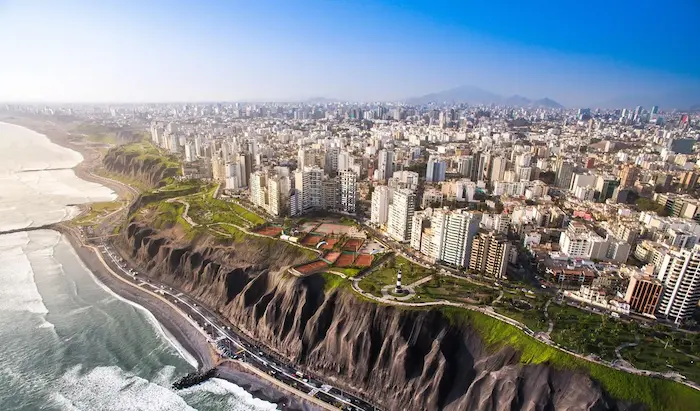
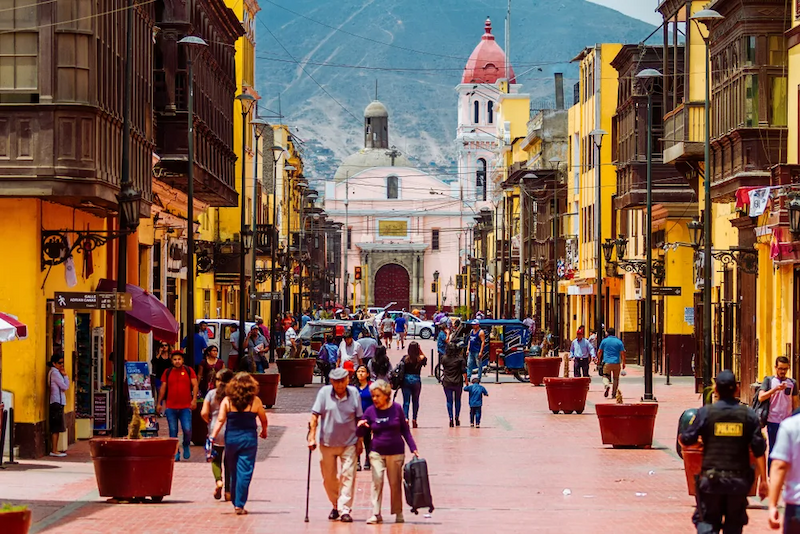
Lima can be a safe city for tourists when they choose the right areas, use reliable transportation, and avoid unnecessary risks. As Peru’s capital, Lima is a large and busy city, so safety can vary depending on the district, time of day, and how familiar you are with the area.
For most travelers, the safest experience comes from staying in well-known tourist districts such as Miraflores, Barranco, and San Isidro. These areas have better hotel options, restaurants, cafés, nightlife, security presence, and easier access to trusted taxis or ride-hailing apps.
Miraflores, Barranco, and San Isidro are the best areas to stay in Lima for most first-time visitors. Miraflores is popular for its hotels, ocean views, restaurants, shopping areas, and walkable streets. Barranco is known for its artistic atmosphere, nightlife, cafés, and cultural spaces. San Isidro is quieter, more business-oriented, and often preferred by travelers looking for a calmer and more upscale environment.
These districts are not risk-free, but they are more tourist-friendly and easier to navigate than other parts of the city. During the day and early evening, travelers can usually walk around comfortably in the main areas, especially near parks, restaurants, hotels, and commercial zones.
Travelers should be more cautious in areas far from the tourist circuit, informal transport zones, poorly lit streets, and neighborhoods they do not know well. Some parts of Callao, La Victoria, and peripheral districts may be less suitable for tourists, especially at night or without local guidance.
This does not mean every area outside Miraflores, Barranco, or San Isidro is dangerous. However, visitors who are unfamiliar with Lima should avoid wandering into unknown districts without a clear reason, especially while carrying valuables.
It is generally safe to walk around Lima in tourist-friendly districts during the day and early evening. Miraflores and Barranco are among the most walkable areas, especially around main avenues, parks, restaurants, and coastal areas.
At night, it is better to use a ride-hailing app or hotel taxi, even for short distances. Avoid walking alone on quiet streets, poorly lit roads, or areas where there are few people around. Staying aware of your surroundings makes a big difference.
Use ride-hailing apps or hotel-arranged taxis instead of hailing taxis on the street. Keep your phone secure and avoid using it near traffic, where motorcycle or car-based theft can happen. Carry only the cash you need for the day and avoid displaying jewelry, cameras, or expensive accessories.
In crowded places such as markets, historic areas, bus terminals, and busy sidewalks, keep your bag close to your body and avoid placing valuables in outside pockets. If you visit Lima’s historic center, go during the day, stay in the main tourist areas, and return by trusted transport.
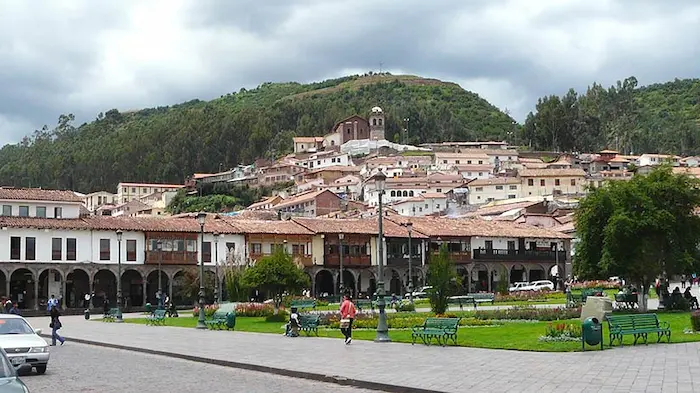
Cusco is generally safe for tourists and is one of the most visited destinations in South America. The city has a strong tourism economy, many formal tour operators, and a steady presence of tourist police in the historic center.
The most common risks in Cusco are pickpocketing, informal tour offers, and altitude sickness. For many travelers, altitude is actually the biggest challenge, especially during the first 24 to 48 hours.
Tourists should be cautious in Plaza de Armas, San Pedro Market, busy streets, nightlife areas, and places where informal sellers offer tours or transportation.
Cusco is located at high elevation, so travelers should rest on arrival, drink water, avoid heavy meals, and take the first day slowly before doing hikes or demanding tours.
Book tours with reputable agencies, avoid overly cheap offers, use ATMs inside banks or hotels, and do not walk alone through quiet streets late at night.
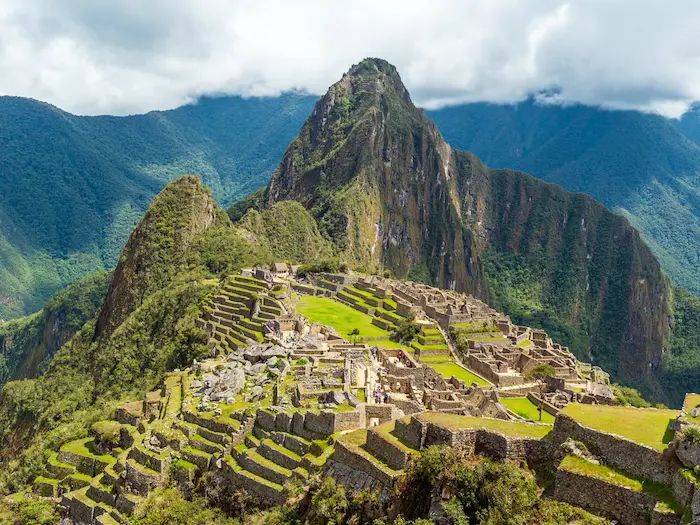
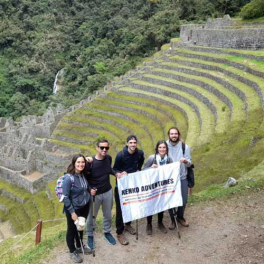
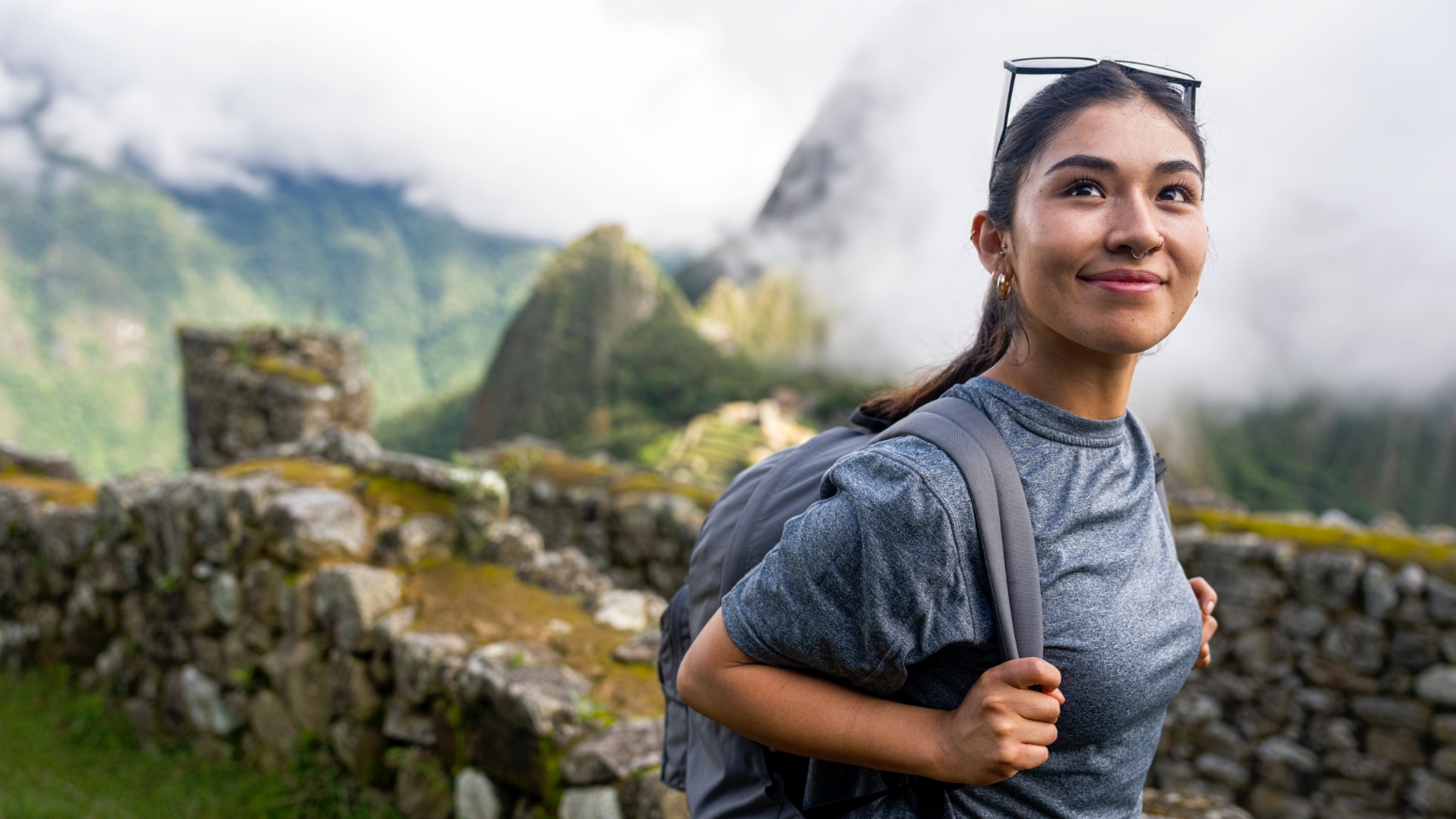
Machu Picchu is one of the safest and most regulated tourist experiences in Peru. Visitor access is controlled through official tickets, fixed circuits, entry times, and authorized routes. Security issues inside the archaeological site are rare.
Most safety concerns are related to logistics, weather, physical effort, and transportation disruptions rather than crime.
Machu Picchu has controlled entry, marked walking circuits, trained staff, and strict visitor rules. These measures help protect both travelers and the archaeological site.
The main risks are slippery paths during the rainy season, altitude-related fatigue, missed train connections, unofficial guides, and last-minute ticket problems.
Book tickets in advance, follow your assigned circuit, wear proper shoes, avoid unofficial sellers in Aguas Calientes, and confirm train or bus schedules before traveling.
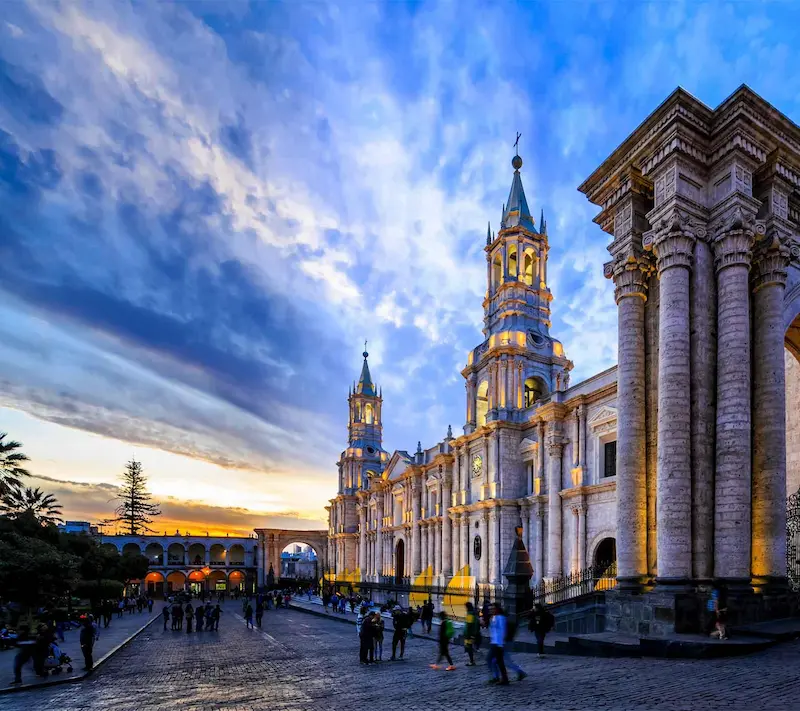
Arequipa is considered one of the more comfortable cities in Peru for international visitors. Its historic center is easy to explore, tourism services are concentrated near the main areas, and many attractions are close to each other.
The main risk for tourists is petty theft in crowded places, especially markets or busy streets. Serious incidents involving tourists are uncommon, but visitors should still use basic precautions.
The historic center, Plaza de Armas area, and Yanahuara are usually the most convenient areas for travelers because they offer hotels, restaurants, and easy access to attractions.
Be careful in crowded markets, avoid displaying expensive items, and use reliable taxis or hotel-arranged transport at night.

Many tourist problems in Peru come from informal services rather than serious crime. Travelers may encounter unofficial taxis, fake tour agencies, overpriced tickets, street exchange risks, or sellers who pressure them into quick decisions.
These situations are more common in busy tourist zones, transport terminals, airports, markets, and city centers.
Unofficial taxis may overcharge, take longer routes, or operate without clear identification. The safest option is to use ride-hailing apps, official airport taxis, hotel transfers, or transport arranged by a trusted operator.
Some agencies offer prices that seem too good to be true but may not include permits, proper guides, transportation, or reliable service. Always check reviews, ask what is included, and confirm booking details before paying.
Avoid exchanging large amounts of money on the street. Use authorized exchange offices or ATMs inside banks to reduce the risk of counterfeit bills or unfair rates.
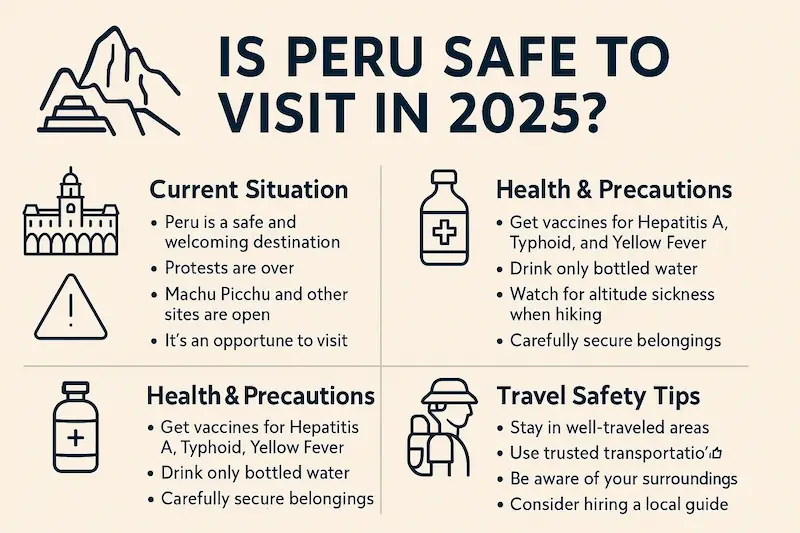
Traveling safely in Peru is mostly about making smart decisions before problems happen. Most tourists do not need to feel afraid, but they should stay alert and avoid unnecessary risks.
Choose central, well-reviewed neighborhoods with hotels, restaurants, and formal transportation. This makes it easier to move around and reduces exposure to unsafe areas.
Avoid random street taxis when possible. Use ride apps, hotel taxis, private transfers, or transport included with organized tours.
Keep phones, cameras, passports, and cash secure. In crowded places, use a crossbody bag or anti-theft backpack and avoid keeping valuables in outside pockets.
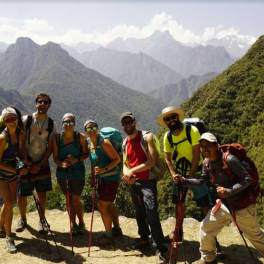
For Machu Picchu, treks, Amazon tours, and multi-day routes, booking with a verified operator can improve safety, logistics, and overall trip quality.
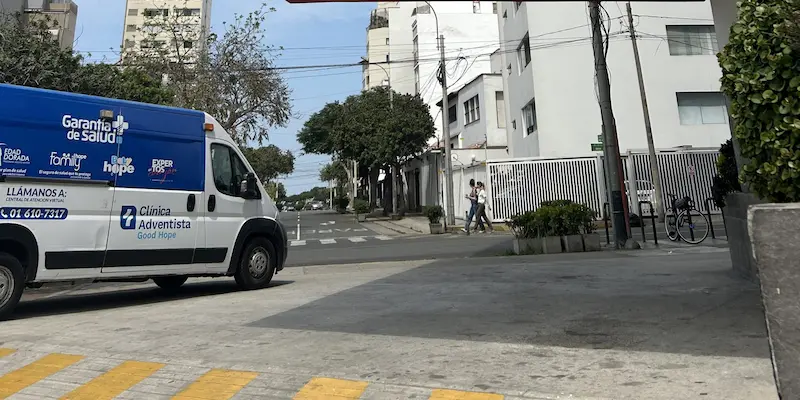
If something goes wrong during your trip, stay calm and ask for help from your hotel, guide, tour operator, or local authorities. In major destinations, hotels and tourism companies are used to assisting travelers with lost documents, theft reports, medical issues, and transportation problems.
The main police emergency number in Peru is 105. The fire department number is 116. In tourist areas, you can also ask for help from the Tourist Police.
Contact your embassy or consulate as soon as possible. It is helpful to carry a digital copy and a printed copy of your passport in a separate place from the original.
Report the incident at the nearest police station and request a copy of the report. This may be required for travel insurance claims.
In Lima, Cusco, and Arequipa, private clinics usually offer better service for travelers, but payment may be required upfront. Travel insurance is strongly recommended.
Lima is safe for most tourists who stay in recommended areas, use reliable transportation, and take basic precautions with their belongings. Districts like Miraflores, Barranco, and San Isidro offer the most comfortable experience for visitors, while unfamiliar or poorly lit areas should be avoided, especially at night.
Overall, Lima is not a city to fear, but it is a city where travelers should stay alert. With smart planning and common-sense habits, visitors can enjoy its food, culture, coastline, and historic attractions with confidence.