Image
Peru Independence Day is one of the most vibrant and heartfelt celebrations in South America, marking a moment of national pride, history, and community. Every year, locals and travelers alike come together to honor Peru’s liberation from Spanish rule with parades, traditional dances, colorful costumes, and culinary delights. From the bustling streets of Lima to the historic plazas of Cusco and Arequipa, the entire country transforms into a festival of sights, sounds, and flavors. Experiencing Peru Independence Day is more than witnessing events, it’s immersing yourself in the culture, feeling the energy of the crowds, enjoying traditional music, tasting authentic dishes, and connecting with the spirit of Peruvians who proudly celebrate their heritage. Whether you’re planning your first trip or returning for another year of festivities, traveling with a local Peru tour operator can help you discover these traditions while experiencing the country beyond the main attractions.
You might be interested in reading: Pride Month in Peru: A Cultural Experience for Travelers
Peru Independence Day is celebrated every year on July 28th, commemorating the country’s declaration of independence from Spanish colonial rule in 1821. The holiday is deeply significant for Peruvians, blending history with modern cultural celebrations. Across the country, it is marked by military parades, civic ceremonies, folk dances, and local festivities that showcase the nation’s diverse cultural heritage. It is a day for Peruvians to express national pride, honor their ancestors, and celebrate unity, while travelers can witness authentic traditions, taste festive foods, and enjoy performances unique to each region. The day often extends into July 29th, continuing with public celebrations, music, and communal gatherings. Peru Independence Day is both a historical commemoration and a vibrant cultural experience, making it one of the most important and engaging holidays in Peru.
Peru Independence Day is not just a national holiday, it’s an immersive celebration of history, culture, and community. From grand parades in Lima to small town festivities, every corner of Peru comes alive with music, dance, food, and vibrant traditions. Travelers and locals alike can experience a mix of ceremonial events, street performances, and culinary delights, making this one of the most exciting times to visit the country. To help you plan your trip and make the most out of the celebrations, here’s a detailed guide to the top 10 events and festivals for Peru Independence Day 2026.
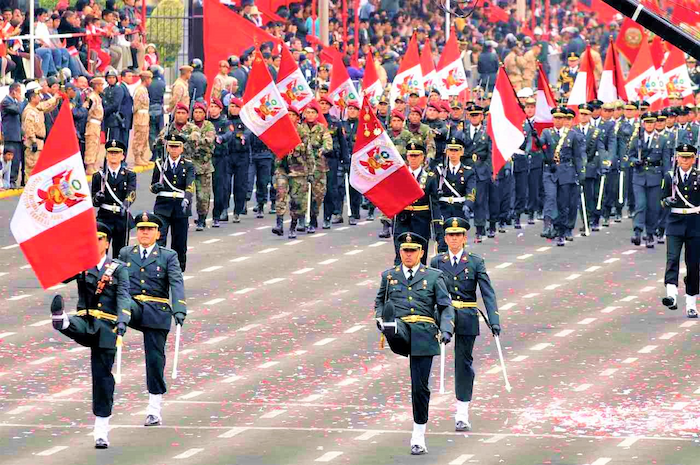
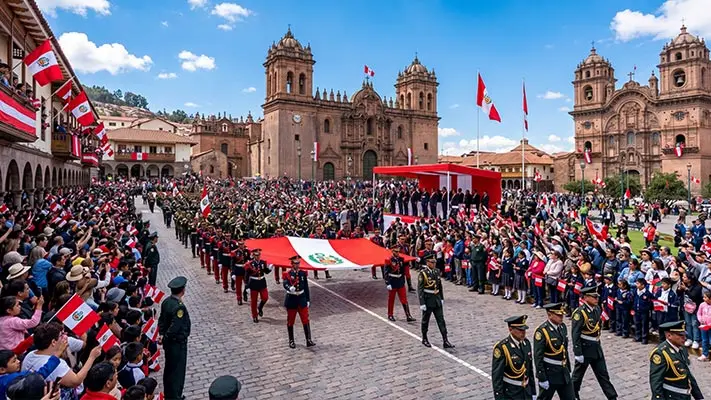
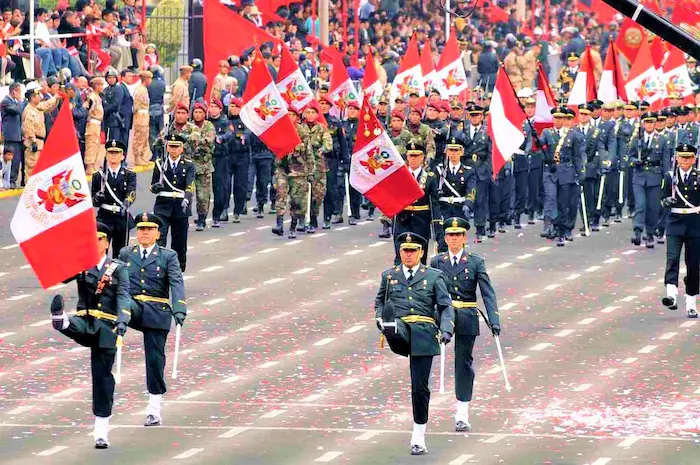
Witness the meticulous precision and national pride of Peru’s armed forces marching through the streets of Lima. These parades feature military bands, ceremonial uniforms, and demonstrations of discipline and coordination. The spectacle is both a display of national heritage and an opportunity to see Lima’s iconic plazas bustling with patriotic fervor. Tourists often capture breathtaking photos, making this a must-see event.
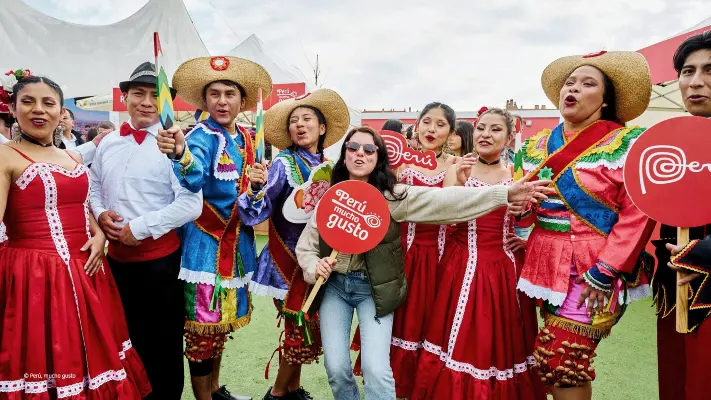
Experience the colorful rhythms of Peru through traditional dances like Marinera and Huayno. Local communities perform in vibrant costumes with intricate patterns, showcasing centuries of cultural tradition. These performances are not only visually stunning but also tell stories of history, love, and regional identity, offering a deeply authentic cultural experience for visitors.
Peruvian streets fill with energetic music during Independence Day. Marching bands, street musicians, and live performances create a festive atmosphere throughout cities and towns. From traditional Andean instruments to modern ensembles, the musical diversity energizes parades, plazas, and cultural hubs, inviting everyone to join in the celebration.
Independence Day is a culinary celebration. Streets and plazas host food stalls serving Peruvian favorites like anticuchos, ceviche, empanadas, and tamales. Many vendors prepare special holiday editions of local dishes, allowing tourists to taste authentic flavors while exploring festivities. These food markets are also perfect for engaging with local culture and traditions.
As evening falls, cities light up with spectacular fireworks shows. These displays combine dazzling colors and patterns across the night sky, creating perfect moments for photography or a romantic stroll. In many towns, fireworks are choreographed with music, enhancing the immersive experience of the holiday.
Beyond Lima, local communities host parades, school presentations, and neighborhood activities. Children and families participate in traditional games, competitions, and mini-parades, creating a sense of unity and joy. Visitors can witness genuine celebrations that highlight the regional diversity of Peruvian traditions.
Museums and cultural centers often open special exhibitions showcasing Peru’s path to independence, historical artifacts, and traditional crafts. These exhibitions provide context to the holiday, allowing tourists to learn about the nation’s history while enjoying interactive and engaging displays.
Participate or watch the ceremonial raising of the Peruvian flag at municipal buildings, government offices, and schools. These formal events are symbolic and deeply patriotic, offering visitors a glimpse into the official rituals and solemn respect Peruvians have for their nation.
Support local artisans by visiting fairs and craft markets. Here, you can find handmade decorations, traditional textiles, and one-of-a-kind souvenirs. These markets are often tied to the holiday, with vendors presenting themed crafts and products reflecting Peru’s rich artistic heritage.
Peru Independence Day is one of the most vibrant celebrations in the world, and it’s an experience every traveler should witness at least once. From the colorful parades to the mouth-watering street foods and the infectious rhythms of traditional music, the holiday immerses you in Peruvian culture like nothing else. Whether it’s your first time in Peru or a returning visit, celebrating this day gives you a chance to experience the country’s spirit, pride, and joy in a way that goes beyond sightseeing.
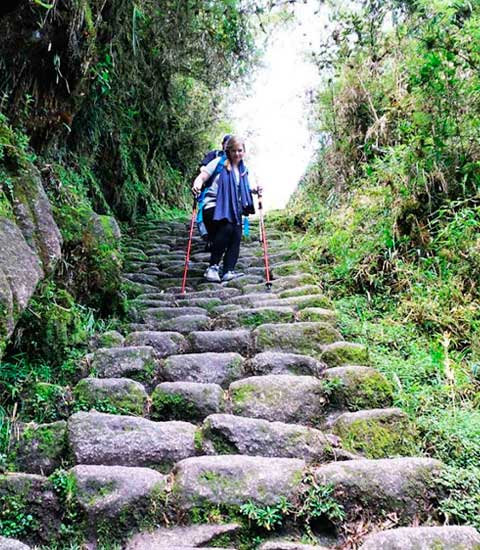
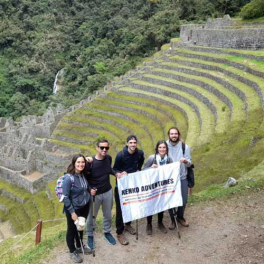
Experience the heart of Peru by diving into its cultural expressions. Witness traditional dances such as Marinera, Huayno, and regional folk performances, each telling stories passed down for generations. Festivals often include colorful costumes, intricate masks, and rituals that highlight Peru’s rich history. Visitors who want to continue exploring this heritage can complement their cultural experience with the short inca trail 2 days, an adventure that combines breathtaking landscapes, archaeological sites, and the history of the ancient Inca civilization.
Peru Independence Day is a feast for the senses, especially for food lovers. From street stalls to local restaurants, try authentic Peruvian dishes prepared specifically for the holiday. Savor anticuchos, ceviche, tamales, empanadas, and desserts unique to regional celebrations. Culinary events often showcase seasonal ingredients, traditional cooking techniques, and family recipes, offering an unparalleled opportunity to taste the flavors that define Peruvian culture.
Every corner of the celebration is visually stunning. The parades, with their vibrant costumes, intricate floats, and festive banners, provide endless opportunities for photography. As night falls, fireworks illuminate plazas and streets, creating perfect shots for social media or personal memories. Even the small, local events offer colorful scenes of everyday life intertwined with tradition, making this holiday a photographer’s dream.
One of the most rewarding aspects of Peru Independence Day is the chance to interact with locals. From sharing a meal to joining in dances or simply watching community parades, visitors get to experience the warmth, hospitality, and pride of Peruvians firsthand. These interactions provide a deep understanding of the values, traditions, and joy that define the nation, leaving travelers with memories far richer than just sights alone.
While Lima hosts grand parades, smaller towns celebrate with unique local rituals. For example, Cusco features Andean ceremonies and community processions that reflect centuries-old traditions. Travelers visiting this region can also combine cultural celebrations with iconic experiences such as the 2 days inca trail, a shorter trekking route that allows visitors to explore ancient paths and connect with Peru’s Inca heritage.y processions that reflect centuries-old traditions. Each region offers distinct experiences, allowing travelers to see diverse expressions of national pride and cultural heritage throughout the country.
The holiday atmosphere is infectious. Streets buzz with music, dancing, and laughter. Markets sell handcrafted items and patriotic souvenirs, and the energy is palpable in every plaza. Even casual visitors can feel swept up in the communal joy, making it an unforgettable celebration for families, solo travelers, and cultural enthusiasts alike.
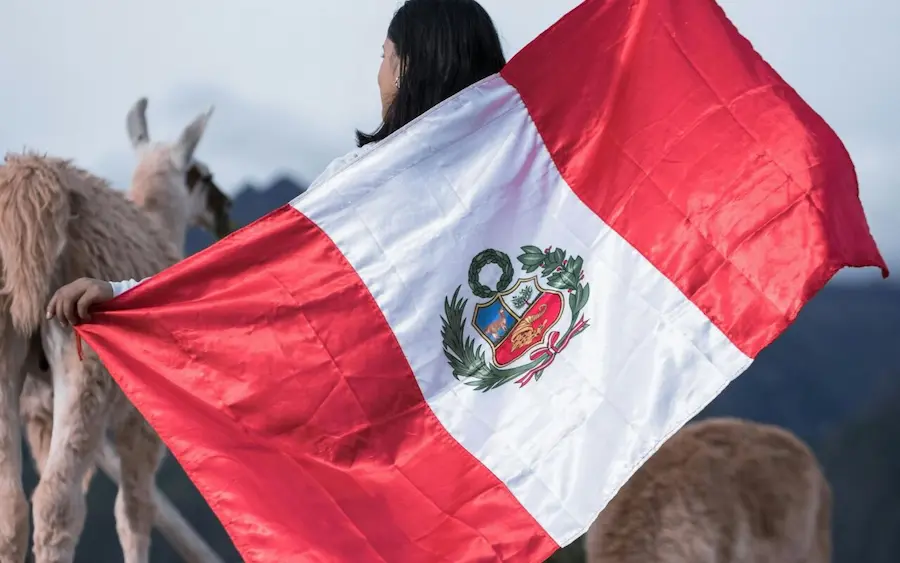
July 28th is not just another date on the calendar in Peru; it marks the country’s Independence Day, a day of profound historical, cultural, and social significance. This date commemorates Peru’s declaration of independence from Spanish rule in 1821 and has since evolved into a nationwide celebration that reflects the pride, unity, and identity of the Peruvian people. From grand parades in Lima to small-town festivities, July 28th is a moment when history comes alive, traditions are honored, and communities across Peru come together to celebrate freedom and heritage.
1. Historical Commemoration:
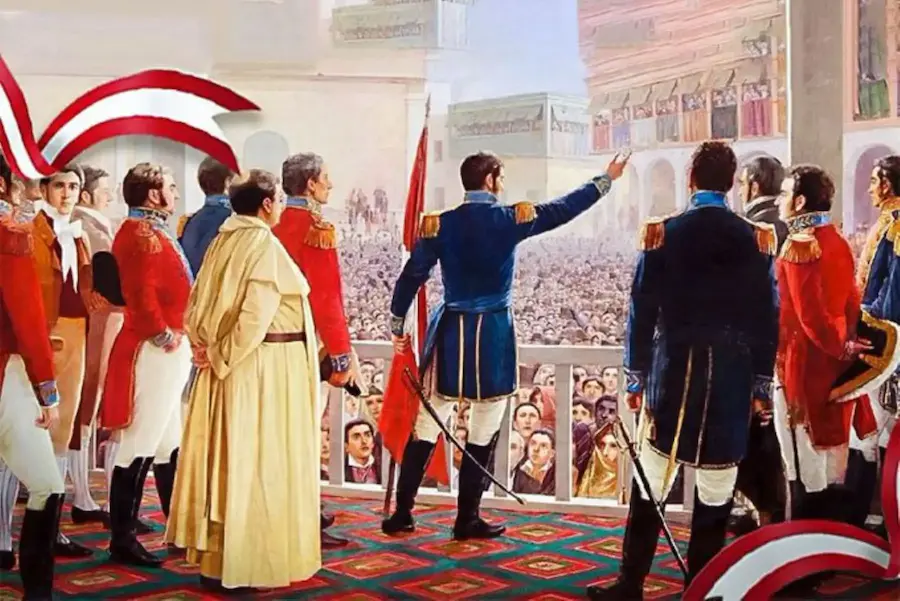
July 28th marks the official declaration of Peru’s independence by General José de San Martín. It symbolizes the end of colonial rule and the beginning of a sovereign nation, honoring the struggles and sacrifices made by those who fought for freedom.
The holiday fosters a sense of national pride and unity. Citizens from all regions, cultures, and backgrounds participate in parades, civic ceremonies, and cultural events, reinforcing a shared Peruvian identity.
Traditional dances, music, and colorful costumes take center stage during the festivities. These cultural expressions not only honor the past but also preserve centuries-old customs that continue to define Peru’s diverse heritage.
The day features formal events such as flag-raising ceremonies, speeches by political leaders, and military parades. These official observances highlight Peru’s sovereignty and the ongoing importance of civic engagement.
Independence Day attracts both domestic and international tourists who seek to experience Peru’s vibrant celebrations. Markets, artisan fairs, and culinary festivals create opportunities for visitors to engage with local communities and explore regional traditions.
Many celebrations extend into the following day, with additional parades, family gatherings, and regional festivities, allowing the spirit of Independence Day to be felt across multiple days.
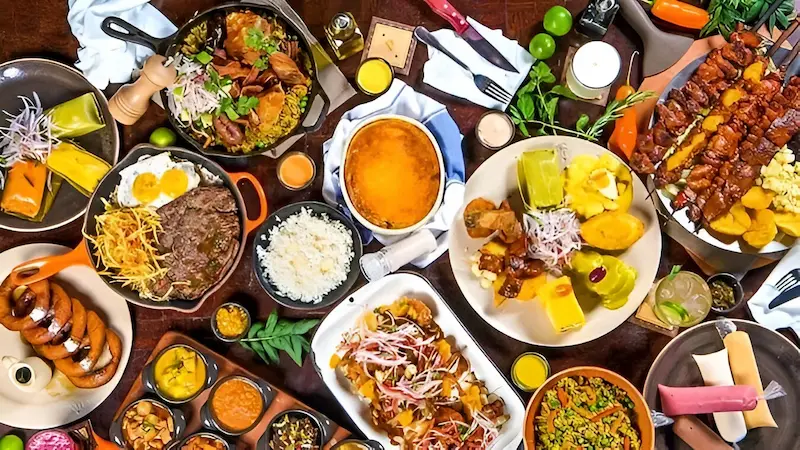
Peru Independence Day is not just a feast for the eyes and ears, it’s a culinary celebration that showcases the country’s rich flavors and traditions. Streets, plazas, and restaurants fill with the aroma of iconic Peruvian dishes, giving locals and travelers alike a true taste of the holiday. From savory street foods to traditional beverages, every bite and sip tells a story of culture, community, and heritage.
Anticuchos are skewered and grilled meats, often made from beef heart, marinated in a blend of spices and vinegar. Served with boiled potatoes or corn, this street food favorite is deeply rooted in Peruvian tradition and is a must-try during Independence Day festivities.
Peru’s world-famous ceviche becomes even more popular during the celebrations. Fresh fish marinated in lime juice, mixed with onions, chili, and cilantro, is served in small portions across street stalls and restaurants, providing a refreshing taste that embodies the coastal flavors of the country.
Tamales are steamed corn dough parcels filled with meats, cheese, or vegetables, wrapped in banana leaves or corn husks. During Independence Day, special versions are prepared, reflecting regional variations and festive flavors.
This traditional Peruvian drink, made from purple corn, pineapple, cinnamon, and cloves, is a popular choice to accompany Independence Day meals. It’s sweet, tangy, and deeply rooted in Andean heritage.
No celebration in Peru is complete without the national cocktail: Pisco Sour. Made with Pisco, lime juice, simple syrup, egg white, and Angostura bitters, it’s a festive beverage that locals and tourists alike enjoy to toast the day.
Savory pastries filled with meat, cheese, or vegetables are sold everywhere during the celebrations. They are portable, easy to eat, and full of flavor, making them perfect for festivals, parades, and street-side celebrations.
Peru Independence Day along the coastal regions is marked by a lively fusion of history, culture, and community energy. Cities like Lima, Trujillo, and Piura host grand parades, music-filled streets, and culinary celebrations that showcase the vibrant traditions of coastal Peru. From seaside plazas to busy urban streets, the festivities are colorful, energetic, and deeply rooted in local pride, providing visitors with a truly immersive experience.
Coastal cities often host large parades featuring military units, marching bands, and civic organizations. These events combine formal ceremonies with festive flair, demonstrating both national pride and community spirit.
Along the coast, dances like Marinera Norteña and other regional folk dances take center stage. Performed in colorful attire, these dances celebrate cultural heritage and are often accompanied by live music from local bands.
Coastal cities fill with street food stalls offering Peruvian specialties, including ceviche, seafood dishes, and local desserts. These culinary fairs create a vibrant atmosphere where locals and tourists can taste traditional flavors and enjoy casual celebrations.
In Peru’s highland regions, Independence Day is celebrated with a unique blend of history, indigenous culture, and community participation. Towns and villages across the Andes showcase traditional dances, music, and rituals that reflect centuries of local heritage. From Cusco to Puno, the celebrations highlight regional customs, giving travelers a deeper understanding of Peru’s rich and diverse culture beyond the urban centers.
In the Sierra, dances such as Huayno, Qhaswa, and the Diablada are performed in festive parades. Participants wear colorful, handmade costumes that often tell stories from local folklore and history, creating a vivid cultural display.
Indigenous instruments like pan flutes, charangos, and drums fill the air. Performances often accompany dances and parades, allowing locals and visitors to experience the rhythms and sounds that have been part of Andean culture for generations.
Highland communities organize town square events, where families come together for games, competitions, and local food fairs. These gatherings foster a sense of unity and pride while providing travelers with authentic cultural experiences.
In Peru’s jungle regions, Independence Day blends national pride with the unique natural and cultural traditions of the Amazon. Cities and towns along the rivers and in the rainforest come alive with music, dances, and local customs that highlight the vibrant communities of the Peruvian Amazon. For travelers, these celebrations provide an authentic glimpse into life in the jungle, combining festivities, rituals, and local flavors.
Many towns organize parades along riverfronts, featuring decorated boats and local floats. Communities gather in plazas and communal areas to celebrate together, creating a festive and lively atmosphere.
Indigenous groups perform dances that reflect their history, environment, and daily life. These dances often include colorful costumes, masks, and symbolic movements connected to the rainforest and its wildlife.
Celebrations are accompanied by traditional Amazonian music, using instruments like drums, flutes, and maracas. The rhythms are lively and infectious, energizing parades and community festivities.
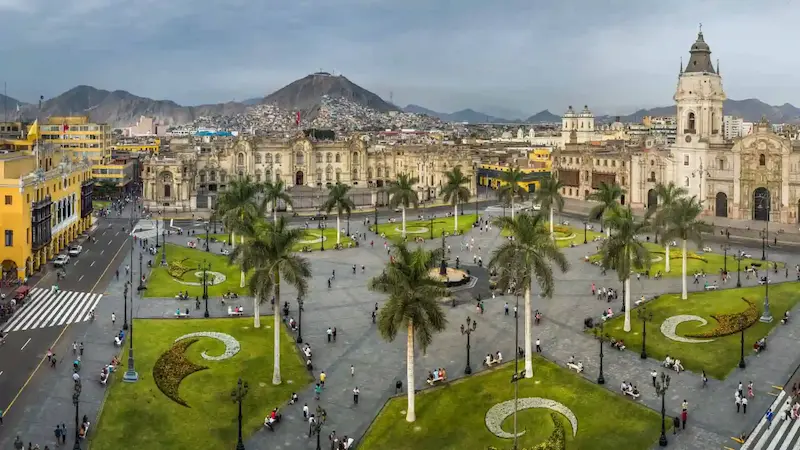
Independence Day in Peru offers travelers a unique opportunity to experience the country’s history, culture, and vibrant festivities across its diverse regions. From bustling cities to small towns and Andean villages, each location offers its own traditions, parades, and celebrations. To help you plan your trip, here are the top 10 places to visit for Peru Independence Day in 2026, with a glimpse of what makes each one special.
The capital city hosts grand parades, military displays, and cultural performances. Visitors can witness official ceremonies at government buildings and enjoy vibrant street festivals along the coast. Lima’s culinary scene also shines during the celebrations, offering festive dishes and traditional snacks.
Known as the historic capital of the Inca Empire, Cusco offers a blend of Andean and colonial traditions. Independence Day celebrations include traditional dances, music performances, and religious ceremonies in the main plazas, with spectacular local costumes and community parades.
The “White City” showcases elaborate parades, folk dances, and fireworks displays. Arequipa’s plazas and streets come alive with music, food markets, and artisan fairs, providing a colorful backdrop for visitors to immerse themselves in regional traditions.
Famous for Marinera dance and colonial architecture, Trujillo hosts lively parades and cultural exhibitions during Independence Day. The city’s plazas feature traditional performances and community celebrations highlighting the northern coast’s heritage.
Located on the shores of Lake Titicaca, Puno celebrates with folkloric festivals and dances. The region emphasizes Andean traditions, colorful costumes, and local music, offering a culturally immersive experience for travelers during the holiday.
Piura’s celebrations feature street parades, music, and food fairs. Visitors can enjoy regional dishes and interact with local artisans, giving insight into coastal Peruvian culture and Independence Day customs.
The Ica region combines desert landscapes with lively festivities. Independence Day is celebrated with parades, traditional dances, and events showcasing local agriculture and cultural heritage, particularly in small towns and communities.
Known for its northern traditions, Chiclayo celebrates with folk music, street festivals, and community gatherings. Local markets offer artisanal crafts, and the parades are full of color and energy, reflecting the city’s rich cultural history.
In the heart of the Cordillera Blanca, Huaraz blends natural beauty with cultural festivities. Independence Day celebrations here include parades, traditional Andean dances, and music, offering travelers a mix of scenic landscapes and vibrant community events.
In the Peruvian Amazon, Iquitos celebrates with river parades, community festivals, and local rituals. Travelers can experience Independence Day alongside indigenous communities, enjoy traditional foods, and participate in unique cultural ceremonies that reflect jungle traditions.
Peru Independence Day isn’t just celebrated in Peru. Peruvian communities around the world honor this national holiday with vibrant festivities that preserve their culture and heritage. From North America to Europe, Peruvians living abroad organize parades, cultural events, and social gatherings that recreate the traditions of home. These celebrations strengthen the connection to their roots, promote Peruvian culture globally, and provide opportunities for both Peruvians and locals to experience the richness of the holiday.
Peruvian communities abroad often organize parades featuring traditional costumes, music, and dances such as Marinera and Huayno. These events replicate the festive atmosphere of Peru and allow families to gather, celebrate, and pass traditions to younger generations. For many Peruvians living abroad, these celebrations can also inspire a desire to reconnect with their homeland and experience its culture firsthand, whether through local festivities or by planning a short inca trail adventure in Peru.
Food plays a central role in overseas celebrations. Restaurants, community centers, and private gatherings serve Peruvian dishes like ceviche, anticuchos, tamales, and traditional desserts. Culinary events allow the diaspora to enjoy authentic flavors while introducing them to new audiences.
Music and Dance Performances
Local bands and dance troupes perform traditional Peruvian music and folk dances in community centers, parks, and cultural festivals. These performances not only entertain but also educate attendees about the history and diversity of Peru’s cultural heritage.
Many Peruvian embassies and consulates abroad organize official flag-raising ceremonies, speeches, and civic gatherings. These formal events honor Peru’s history, instill national pride, and provide a sense of connection to the homeland for citizens living far away.