Image
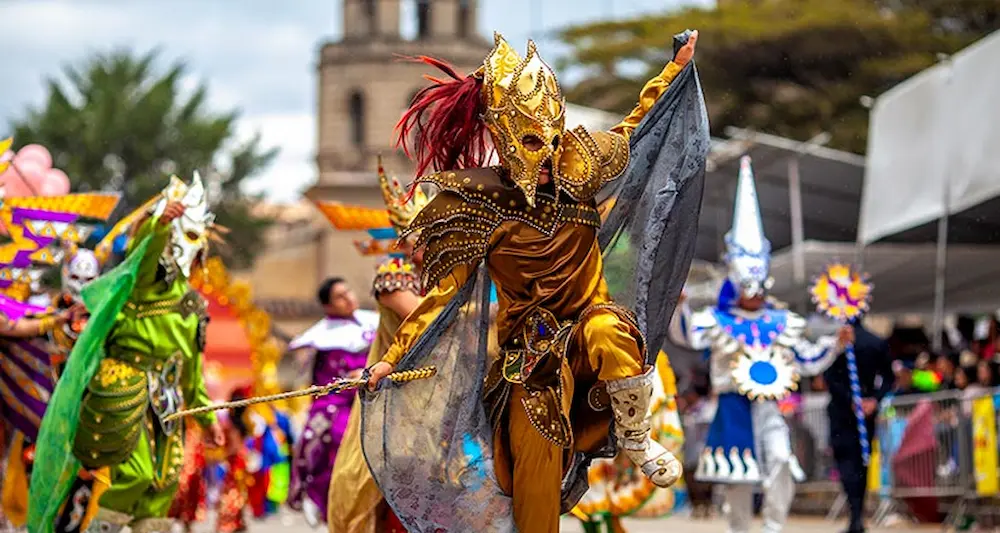
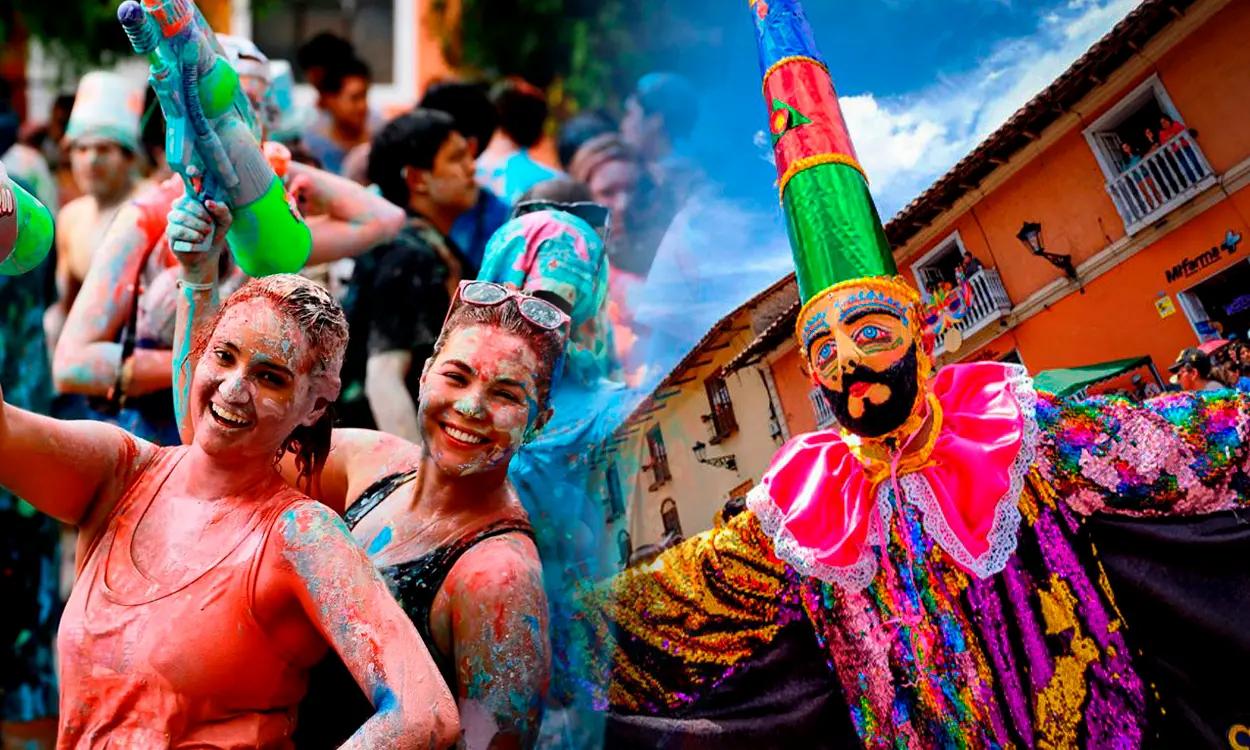
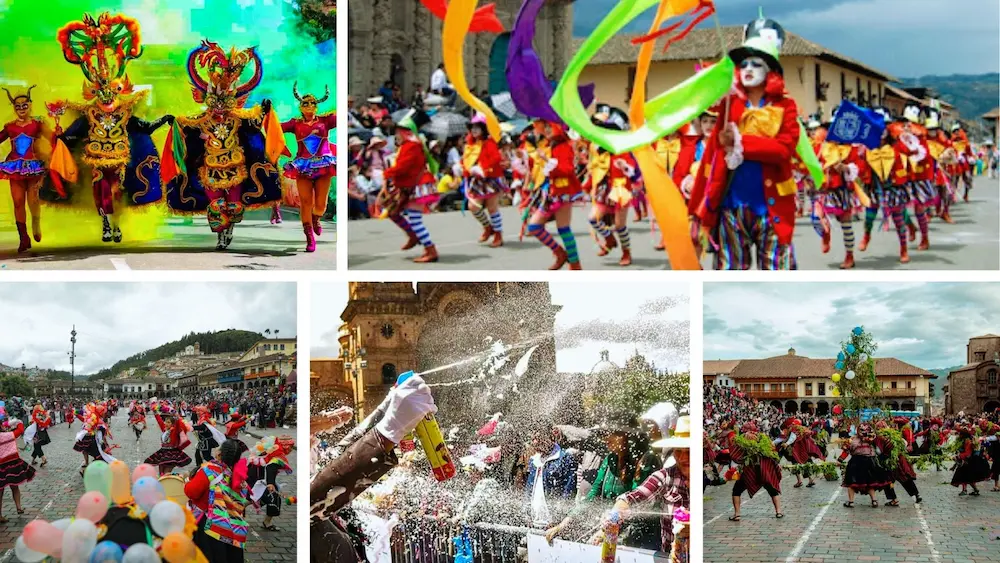
If you're going to travel across Peru between February and March, you're in for a wonderful treat. The carnivals in Peru are full of color, music, and that pleasant vibe Peruvians are known for. Each region celebrates in its own way, from the wild carnivals of Cajamarca to the celebrations full of tradition in Cusco or Ayacucho.
What does this mean to you as a traveler? Simple: wherever you go, you'll find people dancing, laughing, playing water games, and sharing their customs with everyone who wants to join in. It's one of those situations where you say, "Yes, it's totally worth coming."
Peru’s carnivals are some of the most colorful celebrations in South America, mixing indigenous traditions, colonial influences, music, food, and symbolic rituals that have survived for centuries. They take place across the country—each region offering a completely different style, rhythm, and identity. From Andean water fights to Amazonian rituals, carnival season is one of the best moments to experience Peruvian culture at its fullest.
What makes the carnivals in Peru so unique is their authenticity. These festivities are not created for tourism; they are deeply rooted in local communities and reflect real traditions that families pass down through generations. Whether you're exploring the Andes, the coast, or the rainforest, you will find festivities that blend joy, spirituality, and folklore like nowhere else in the world.
Carnivals in Peru usually take place during February and March, aligning with the pre-Lent calendar. However, the exact dates vary depending on the region, as each community schedules its festivities based on local customs and religious traditions. This means you can often find different celebrations happening simultaneously in different parts of the country.
Because Peru has such diverse climates and cultures, the timing and style of the celebrations differ greatly. In the Andes, festivities follow agricultural and spiritual cycles, while coastal cities lean more toward parades, dances, and urban events. No matter when you visit during these months, you are almost guaranteed to find an active celebration somewhere.
Peru is home to some of the most iconic and culturally significant carnivals in South America. Each region offers its own interpretation of the celebration, transforming cities, towns, and rural communities into lively stages of music and tradition.
The following carnivals are among the most celebrated and provide travelers with unforgettable cultural experiences.
You might also want to check out: 10 Famous mountains in Peru that you should visit
The Cajamarca Carnival is considered the most important and iconic carnival in Peru. Known for its huge parades, colorful costumes, and traditional songs, it attracts thousands of visitors every year. The “Unsha” (tree-cutting ceremony) and playful water fights fill the streets with energy, transforming the city into a giant open-air party.
What makes this carnival so special is the level of community involvement. Neighborhoods spend months preparing floats, dances, and costumes, making the event truly spectacular. Travelers can enjoy live music, street food, and unique cultural expressions that reflect Cajamarca’s deep-rooted traditions.
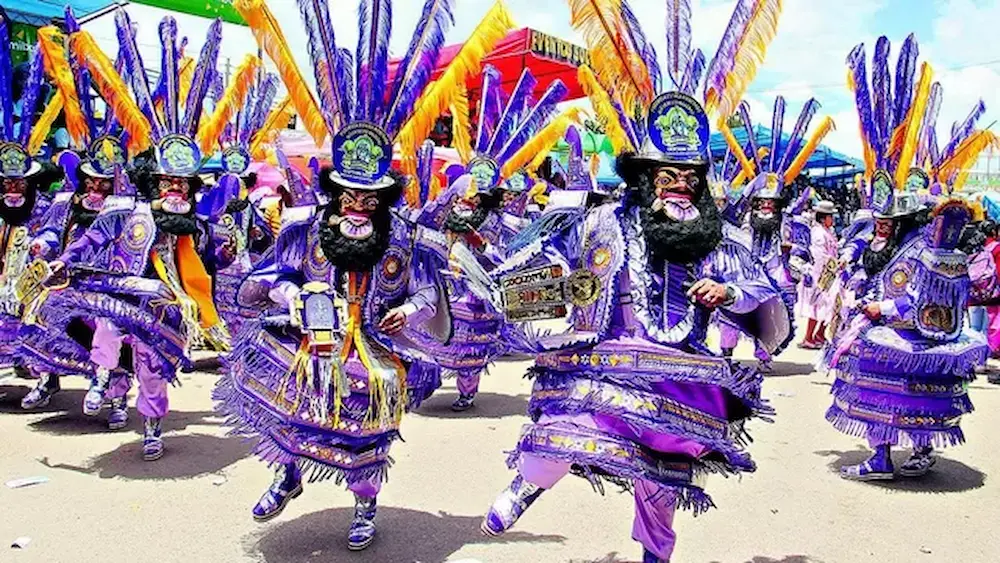
Puno’s carnival blends indigenous Andean traditions with Catholic influences, creating a festival rich in rituals and symbolism. The celebration includes traditional dances such as the marinera puneña and pandilla puneña, accompanied by vibrant bands and elaborate costumes.
Visitors often highlight the spiritual side of the Puno celebrations. Rituals honoring Pachamama (Mother Earth) and the colorful dances reflect the strong relationship between the community and the Andean worldview. This carnival is an unforgettable cultural immersion for travelers seeking authenticity.
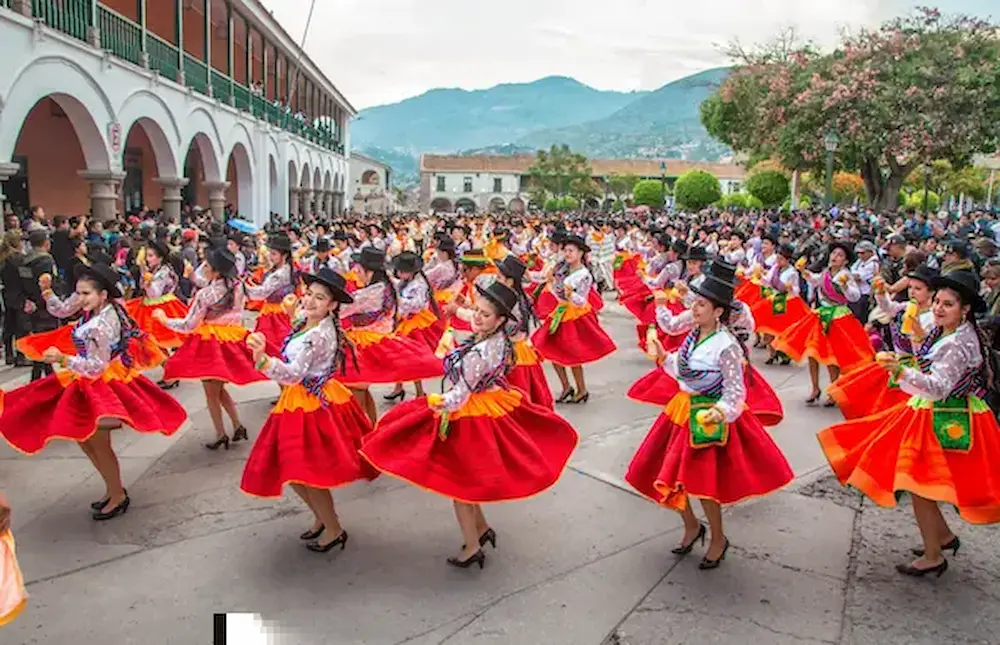
Ayacucho’s carnival stands out for its artistic expressions and musical heritage. During the festivities, the city comes alive with lively parades, traditional clothing, and poetic carnival songs known as carnavales ayacuchanos. These songs often tell stories about love, daily life, and local customs.
The atmosphere of Ayacucho’s carnival is warm and communal. Travelers can join locals in celebrations that include traditional dishes, craft markets, and dances. The colonial architecture of Ayacucho provides a stunning backdrop for the festivities.
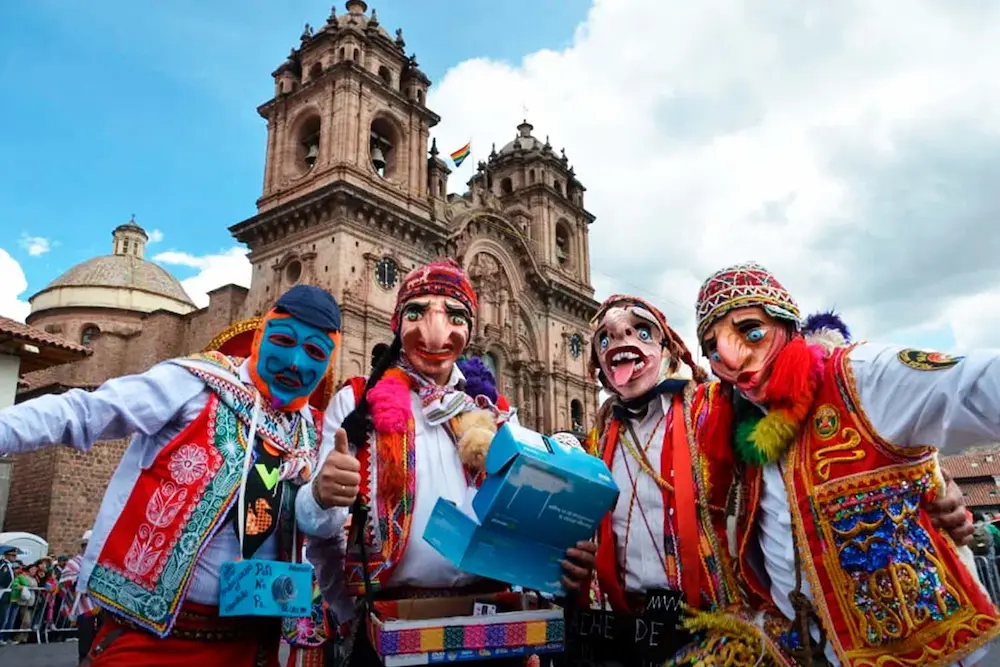
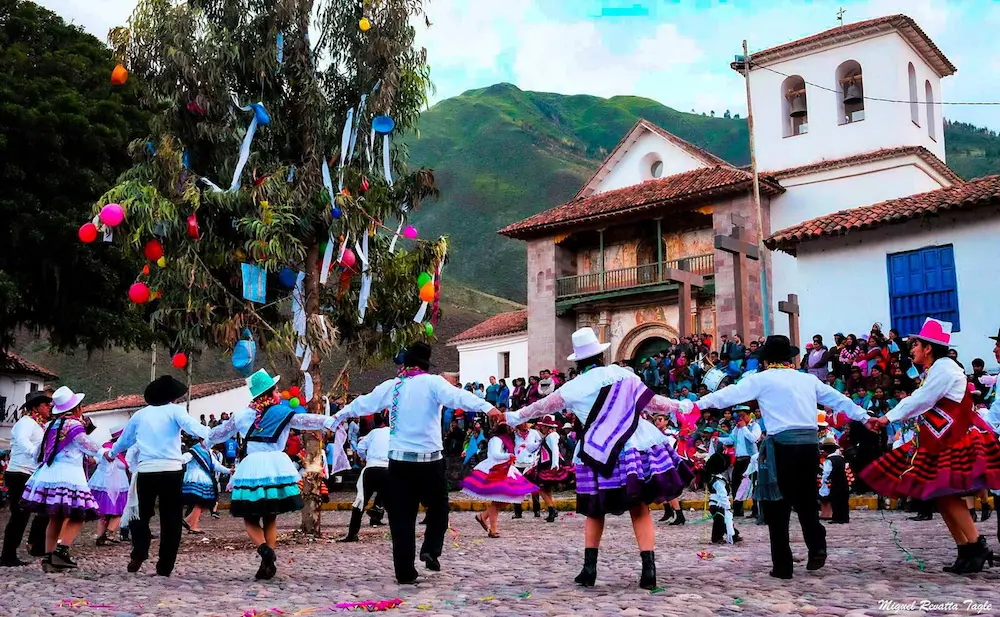
Cusco’s carnival reflects the city’s rich blend of Inca and Spanish traditions. The celebration is known for its “yunza” ceremonies, colorful dances, and regional delicacies such as puchero, a typical dish eaten only during carnival season. Many travelers complement the festivities with a Cusco City Tour, which helps them understand the historical and cultural context behind the celebrations before diving into the carnival vibe.
The experience of carnival in Cusco is particularly special because of the city’s historic environment. Streets, plazas, and markets fill with locals celebrating proudly, allowing visitors to witness the strong cultural identity that defines the region. Between the joyful water fights, live music, and vibrant costumes, exploring Cusco through a city tour enriches the entire carnival experience.
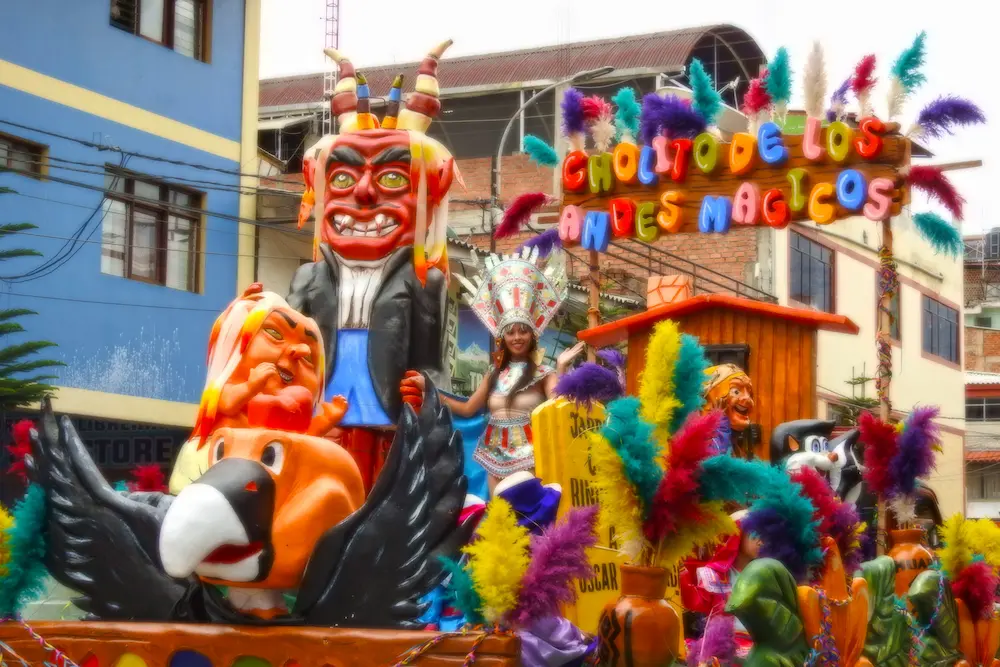
Huaraz offers one of the most energetic carnival celebrations in northern Peru. The tradition includes water fights, colorful masks, and high-energy Andean music. Communities in the Callejón de Huaylas actively participate, creating a festive and welcoming atmosphere.
Travelers often enjoy the blend of culture and nature, as the snow-capped mountains surrounding Huaraz create a dramatic backdrop. Visiting during carnival season lets you experience both the beauty of the Andes and the richness of local traditions.
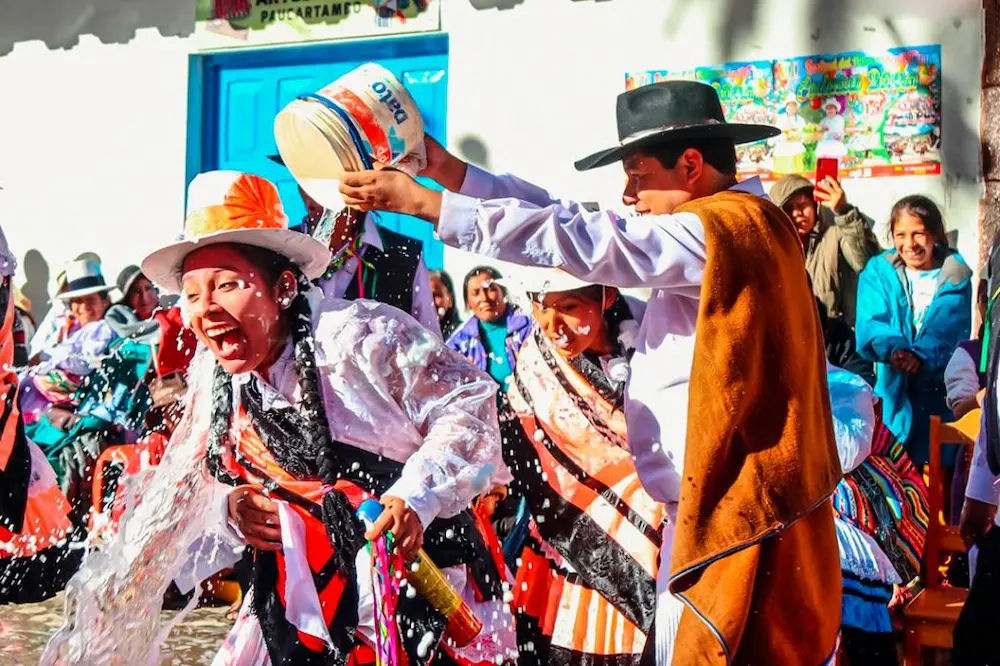
Carnivals in Peru are not just about music and dancing—they are a showcase of centuries-old customs that hold symbolic meaning for local communities. These traditions highlight the spiritual beliefs, communal ties, and cultural identity that define the Peruvian carnival experience.
Understanding these customs allows visitors to connect more deeply with the festivities and appreciate their historical value.
The yunza—or cortamonte on the coast—is one of the most iconic traditions in Peruvian carnivals. A decorated tree is placed in a public area, filled with gifts, balloons, and colorful ribbons. Community members dance around it while taking turns trying to cut it down with an axe.
When the tree finally falls, participants rush to grab the gifts, symbolizing good fortune and prosperity. This tradition not only brings joy but also strengthens community ties, as neighbors gather to celebrate and share food, music, and dance.
Comparsas are organized dance groups that wear traditional costumes and perform throughout the city. Each group represents a neighborhood or cultural theme, turning the streets into a living museum of Peruvian identity. Music bands accompany them, creating a festive rhythm that echoes throughout the day.
These parades are a major attraction for visitors. Watching them provides insight into the creativity, dedication, and cultural pride of each community. The performances are full of symbolism, making them one of the most memorable parts of carnival season.
Carnival season also brings unique culinary experiences. In regions like Cusco, travelers can try dishes such as puchero, a hearty stew made with Andean ingredients. Cajamarca offers sweet treats and local cheeses, while coastal regions serve ceviche and festive desserts.
Food plays a crucial role in the celebrations. Families gather to share traditional meals, reinforcing cultural identity and hospitality. Trying regional dishes is an essential part of understanding how each community celebrates carnival.
Music is at the heart of Peruvian carnivals. Andean carnivals often feature huayno rhythms, while Amazonian regions highlight traditional drums and chants. Each area showcases distinct instruments, styles, and melodies that reflect their cultural roots.
Dances vary widely, from high-energy choreographies to ceremonial performances. Travelers can observe dances that have been preserved for generations, each telling a story about the region’s history or spiritual beliefs.
You might also want to check out: The best snacks while hiking in Peru
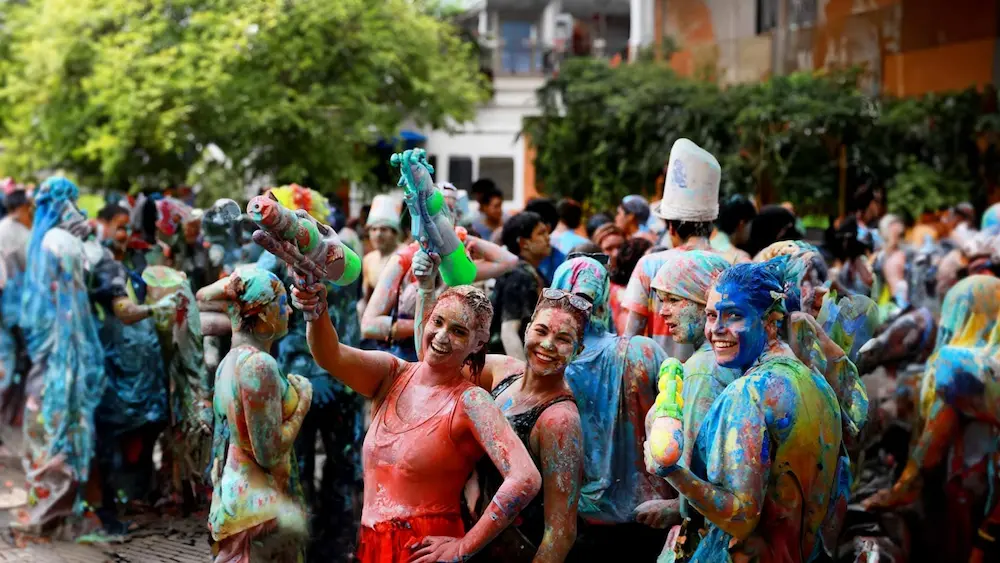
Traveling through Peru during carnival season offers countless opportunities to immerse yourself in local culture. From participating in traditional rituals to observing artistic performances, the experience varies widely depending on the region.
This section provides key insights to help travelers enjoy the celebrations respectfully, safely, and authentically.
Peru offers several ideal regions for carnival season, depending on the experience you are seeking. Cajamarca is perfect for those who want a lively and massive celebration, while Cusco and Ayacucho offer more cultural and traditional versions. Puno is an excellent choice for travelers interested in Andean rituals.
Each region offers a different atmosphere, so your experience will depend on what you prioritize—music, tradition, nature, or large-scale events. Exploring more than one region can give you a fuller sense of Peru’s cultural diversity.
Carnivals are joyful, energetic, and at times unpredictable. Expect crowds, water fights, music everywhere, and lots of dancing. Most celebrations are family-friendly, and communities welcome visitors with warmth and enthusiasm.
However, the intensity of events can vary. Some carnivals include quiet, traditional ceremonies, while others transform into lively street parties. Being open to cultural immersion makes the experience even more rewarding.
Understanding altitude is one of the most important parts of preparing for the famous mountains in Peru. Many of these peaks rise far above 4,000 meters, and the thin air can affect travelers differently depending on their health and experience. Planning ahead and giving your body time to adapt will make your journey much more enjoyable.
When visiting high-altitude destinations, travelers should allow time for acclimatization in cities like Cusco, Huaraz, or Arequipa. Staying hydrated, eating lightly, and avoiding fast ascents helps reduce discomfort. If you’re sensitive to altitude or planning a demanding trek, consult your doctor about preventative options before your trip. You can also coordinate with a Peru tour operator, as they often provide guidance, acclimatization-friendly itineraries, and support to help you adjust safely while enjoying your adventure.
To enjoy the carnivals in Peru, it’s important to stay hydrated, keep your belongings secure, and be prepared for spontaneous water fights—especially in the Andes. Bringing a waterproof bag and wearing comfortable shoes is recommended.
Respecting local traditions is key. Many rituals hold spiritual significance, so participating respectfully ensures a positive cultural exchange and helps preserve the authenticity of the festivities.
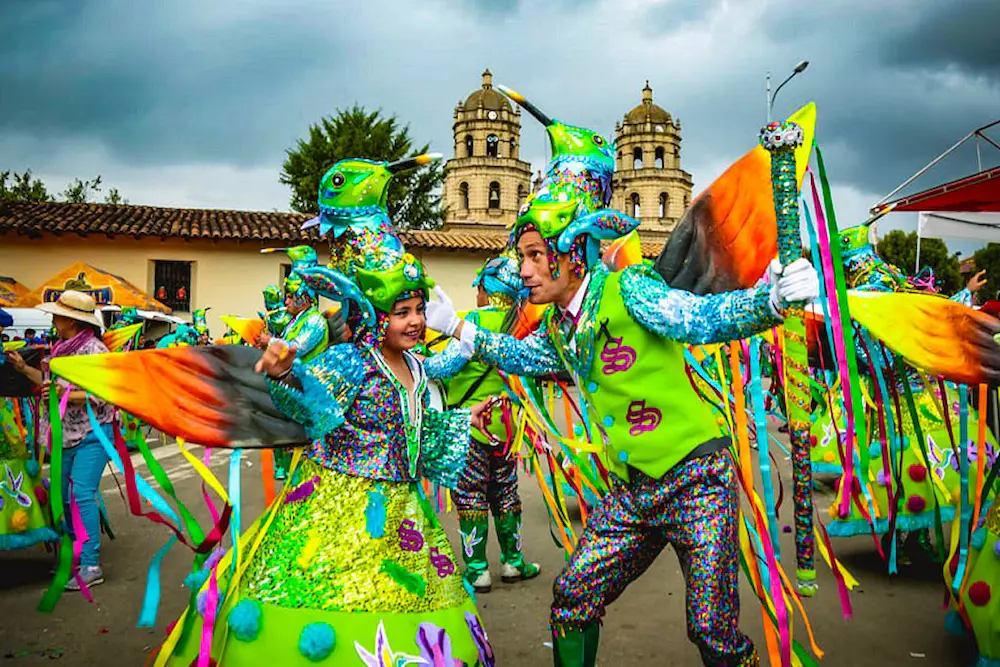
For travelers who want to make the most of carnival season, planning the right itinerary is essential. Whether you prefer short cultural visits or extended journeys across multiple regions, Peru offers diverse routes that highlight its most iconic carnivals.
These itinerary ideas help you maximize your experience based on the time you have available.
A three-day trip to Cajamarca lets you experience the main events: the arrival of the carnival king, the grand parade, and the yunza ceremonies. The city becomes a stage filled with music, dancing, and vibrant costumes.
Visitors can also explore nearby attractions such as the Baños del Inca hot springs or the Rescue Room. Combining culture and sightseeing makes Cajamarca an ideal destination for a short but memorable trip.
A week-long itinerary lets you explore the Andean heartland during carnival season. Starting in Cusco, you can enjoy yunza celebrations and traditional dishes before heading to Puno for dance parades and cultural rituals.
This combination provides a deep dive into the cultural diversity of southern Peru. Travelers can appreciate both urban festivities and spiritual traditions associated with Andean culture.
For those who want a complete carnival experience, traveling across multiple regions from February to March is ideal. You can start in Cajamarca, move to Ayacucho, and end in Cusco or Puno.
This route lets you see how each community celebrates differently, offering a comprehensive understanding of the carnivals in Peru. It’s the perfect option for travelers with time and a passion for cultural exploration.
You might also want to check out: The Inca Culture History
Carnival season is lively and exciting, but it also requires preparation. Weather changes, large crowds, and active street celebrations make it important to plan ahead.
These practical tips will help you stay comfortable, safe, and ready to fully enjoy every moment of the festivities.
Comfortable clothing, waterproof jackets, and sturdy shoes are essential for carnival season. Many regions include water fights, so quick-drying clothes are helpful. Bringing sunscreen and a hat is also recommended due to strong UV radiation in the Andes.
A small backpack with essentials like tissues, a water bottle, and snacks will make your day easier. Protecting valuables in a waterproof pouch is a smart idea since celebrations can get lively and spontaneous.
February and March fall during the rainy season in much of the Andes, meaning showers are common. However, temperatures remain mild, and rains usually come in short bursts rather than all day. On the coast and rainforest, the weather is warmer and more humid.
Understanding weather conditions helps you plan transport, clothing, and daily activities. Despite occasional rain, carnival season is one of the most enjoyable periods to explore Peru.
Travel costs depend on your chosen destinations. Cities like Cajamarca and Ayacucho are budget-friendly, while Cusco and Puno may be slightly more expensive due to higher demand from international travelers.
Booking transportation and accommodation ahead of time is recommended, as carnival season is popular with both locals and tourists. Planning early helps secure better prices and a smoother trip.
Peru has reliable bus routes connecting most major carnival cities. Flights are available between Lima, Cajamarca, Cusco, and Puno for faster travel. Taxis and local transport work well within cities during festivities.
Because carnival crowds can slow down traffic, it’s a good idea to plan extra time for moving around. Walking is often the best way to enjoy the celebrations and avoid delays.
You might also want to check out: Best restaurants in Cusco | Top 20
Travelers often have questions before experiencing Peru’s carnivals for the first time. From safety concerns to cultural expectations, knowing what to expect allows you to enjoy the celebrations with confidence.
This FAQ section answers common doubts to help you plan an informed and enjoyable trip.
Yes, most carnivals in Peru are family-friendly. Children often participate in dances, parades, and community traditions. The playful atmosphere—especially during water fights—makes the celebrations enjoyable for all ages.
Parents should stay mindful of large crowds and keep an eye on kids during peak events. Many communities set aside quieter areas where families can enjoy the festivities comfortably.
Carnivals in Peru are generally safe, but like any large event, it's important to take precautions. Keeping valuables close and avoiding isolated areas at night ensures a smooth experience.
Locals are welcoming and protective of visitors, especially during traditional celebrations. Following community guidelines and staying aware of your surroundings helps you enjoy the festivities safely.
Most carnival activities are free and open to the public. Parades, dances, and community rituals typically take place in streets and plazas. However, some organized shows or concerts may require paid entry.
It’s always a good idea to check the local schedule ahead of time, especially in popular destinations like Cajamarca or Puno. This helps you plan your itinerary without missing major events.
Cajamarca is considered the most traditional and iconic carnival in Peru, known for its large-scale celebrations and centuries-old customs. However, Puno, Ayacucho, and Cusco also maintain highly authentic traditions rooted in indigenous culture.
Each carnival offers something unique. Your choice depends on whether you prefer energetic parties, spiritual rituals, or artistic expressions.
At the end of the day, the carnivals in Peru are more than just parties—they're a mix of culture, tradition and pure good vibes. Each destination has its own style, but all of them share something in common: that feeling of community that makes you feel at home, even if you're miles away.
So if you're thinking about when to visit Peru, carnival season is definitely a cool time to come. You'll eat delicious, dance a lot, meet friendly people, and live experiences that are not repeated. Just bring your energy (and maybe a poncho in case you get wet) and enjoy the ride.