Image
Thinking of visiting Peru? You’ve probably heard the buzz about the "high season" and are wondering if it’s really all it’s cracked up to be. Let me tell you, friend: this is the "golden moment" to experience the Andes in all their glory. From the clearest blue skies in Cusco to the vibrant, infectious energy in our historic streets, Peru during this time is, quite simply, an experience of a lifetime.
But here’s the thing: while the weather is at its absolute best, the high season in Peru can be a bit of a whirlwind. As we like to say here, ponte las pilas (get your act together) because if you want to make the most of your adventure without the stress of last-minute hurdles, you need to know the "lowdown" before you arrive. Grab a coffee, settle in, and let’s walk through everything you need to know to ensure your Peruvian trip is nothing short of legendary.
The high season in Peru generally spans from May to October, aligning with the country’s dry season in the Andean highlands. This is the period when travelers from around the globe flock to the region, eager to explore the wonders of the Sacred Valley, Machu Picchu, and beyond. Understanding this timing is crucial for anyone planning a trip, as it dictates not only the weather you will encounter but also the overall pace and logistics of your journey.
While Peru offers unique experiences year-round, the high season is widely considered the "golden window" for adventure seekers and cultural enthusiasts. It is a time when the landscapes are vibrant, the trekking conditions are at their most stable, and the logistical challenges—while present—are manageable with the right level of planning. Whether you are a first-time visitor or a returning traveler, knowing what this season entails will ensure your experience remains seamless and memorable.
When you arrive during the high season in Peru, you will immediately notice a bustling, international energy throughout the country. Popular hubs like Cusco become melting pots of cultures, with travelers sharing stories of their treks and experiences in local cafes. It is a vibrant time to visit, where the streets are alive, museums are open, and the general atmosphere is one of excitement and discovery.
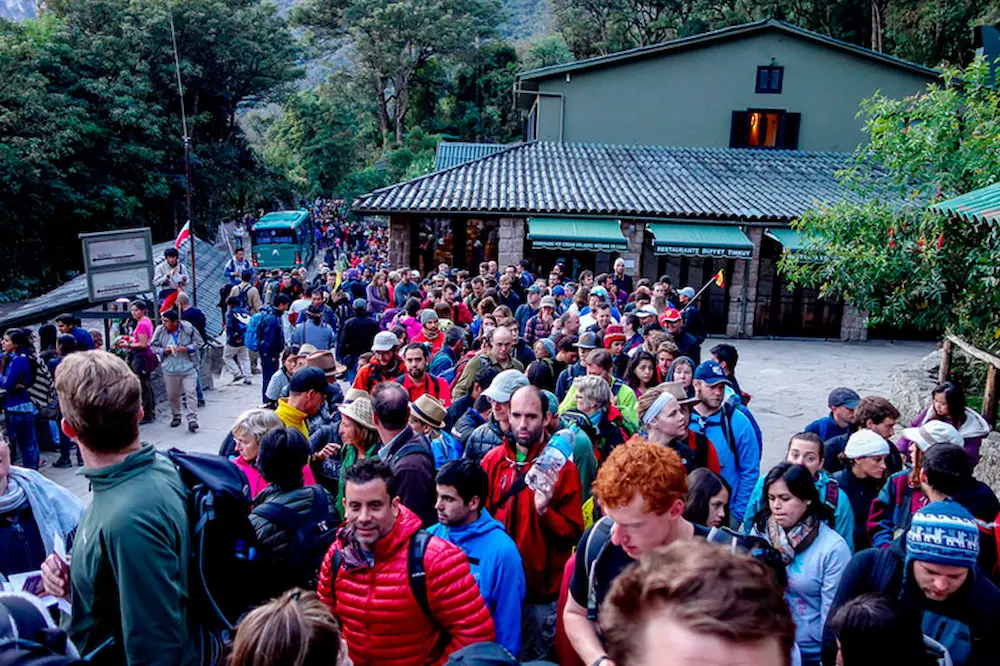
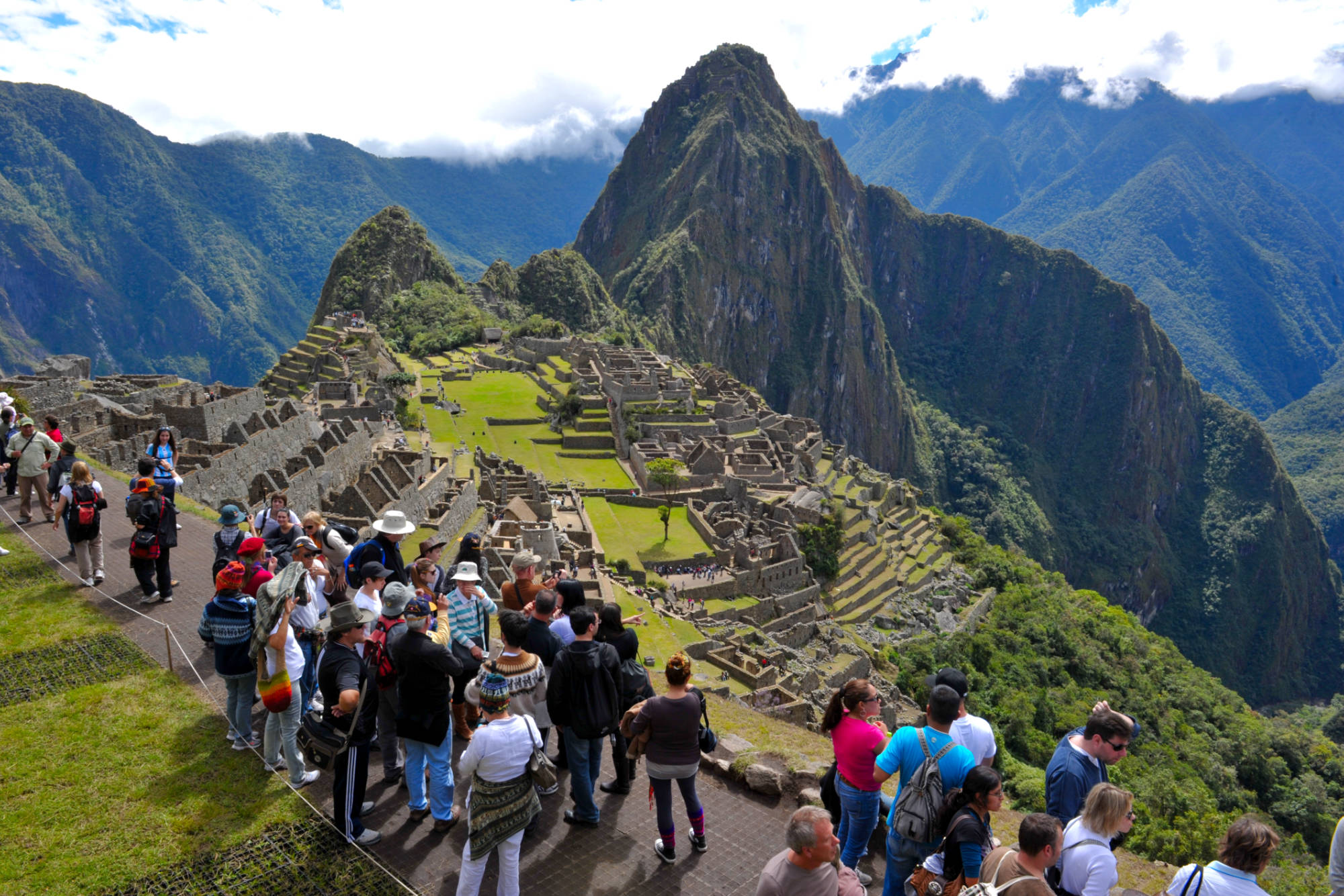
However, this popularity means that iconic landmarks will be significantly more crowded than during the shoulder or low seasons. You should expect to see more fellow travelers at major attractions and experience a busier environment in cities and transport hubs. While this might feel overwhelming to some, it is also a testament to the unparalleled beauty and cultural significance of these sites, making the experience well worth the effort for most visitors.
When you arrive during the high season in Peru, you will immediately notice a bustling, international energy throughout the country. Popular hubs like Cusco become melting pots of cultures, with travelers sharing stories of their treks and experiences in local cafes. It is a vibrant time to visit, where the streets are alive, museums are open, and the general atmosphere is one of excitement and discovery.
However, this popularity means that iconic landmarks will be significantly more crowded than during the shoulder or low seasons. You should expect to see more fellow travelers at major attractions and experience a busier environment in cities and transport hubs. While this might feel overwhelming to some, it is also a testament to the unparalleled beauty and cultural significance of these sites, making the experience well worth the effort for most visitors.
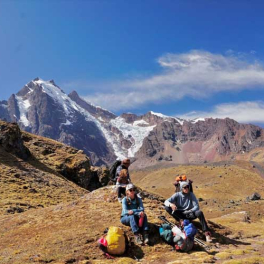
The primary driver of the high season in Peru is the weather. During these months, the Andes experience their dry season, characterized by bright blue, cloudless skies and plenty of sunshine. This reliable weather is a major draw for hikers, as it significantly reduces the chances of encountering heavy rainfall on the trail, making the environment much safer and more enjoyable for trekking adventures.
It is important to remember that while the days are often warm and sunny, the Andean climate is deceptive. Because of the high altitude, temperatures can drop rapidly once the sun goes down, leading to freezing nights in many regions. Travelers should be prepared for this temperature variance by packing in layers, ensuring they stay comfortable regardless of whether they are hiking under the midday sun or resting at their hotel in the evening.
You might also want to check out: International airports in Peru: what travelers know
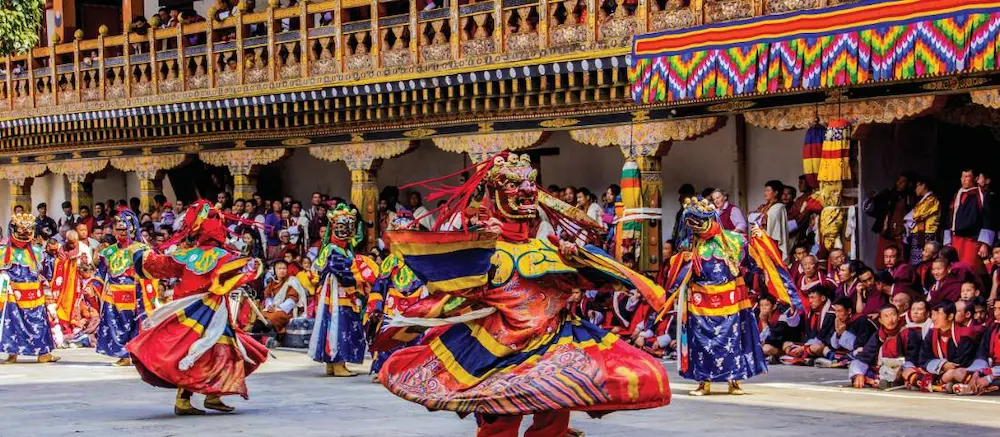
The high season in Peru isn't just about the weather; it is also the peak of the country's liturgical and historical calendar. Travelers visiting in June will find themselves in the heart of the "Month of Cusco," where the city becomes a stage for daily parades, traditional dances, and vibrant costumes. The energy is infectious, offering a rare glimpse into the living history of the Andes that persists long after the Inca Empire.
The most significant event is undoubtedly Inti Raymi, the Festival of the Sun, held every June 24th.
Beyond Cusco, other regions celebrate deeply rooted traditions that define the Peruvian winter experience. One of the most spectacular is the feast of the Virgen del Carmen in Paucartambo, held annually between July 15th and 18th.
As the high season continues into late July, the country unites to celebrate Fiestas Patrias (Peruvian Independence Day) on the 28th and 29th.
July is another heavy-hitting month for cultural immersion, particularly around the 28th and 29th for Fiestas Patrias (Peruvian Independence Day). Throughout the highlands, you will see homes adorned with the national flag and local plazas hosting "ferias" (fairs) with traditional food and music. These celebrations offer a more "local" feel compared to the international focus of June, perfect for the traveler looking to see how Peruvians celebrate their own heritage.
The most significant national event, Fiestas Patrias, takes place on July 28th and 29th. During these two days, the entire country erupts in a spirit of patriotism. You will see homes, businesses, and public squares adorned with the red-and-white Peruvian flag, and major cities often host military parades and concerts. It is the perfect time to visit local "ferias" (fairs), where you can sample traditional dishes like anticuchos and picarones while enjoying live folk music. It is a time of immense joy and a wonderful atmosphere for travelers to connect with the local heritage.
Mid-July marks the feast of the Virgen del Carmen, particularly famous in towns like Paucartambo. This is not just a religious procession; it is a spectacular display of syncretism where Catholic devotion meets ancient Andean tradition. For days, the streets are filled with elaborate masked dancers, musicians, and colorful costumes that tell stories of local history and mythology. For travelers, this offers a raw, unfiltered look at the spiritual life of the Andes that feels far removed from the typical tourist trail.
If you are traveling in July, be aware that these celebrations can impact local logistics. Roads in smaller towns may be closed for parades, and local transport might be busier than usual. We recommend embracing the "flow" of the festival—give yourself extra time to get from place to place and engage with the locals. Asking your guide or host about the history of the specific procession you are watching can turn a sightseeing stop into a profound educational experience that will remain a highlight of your trip.
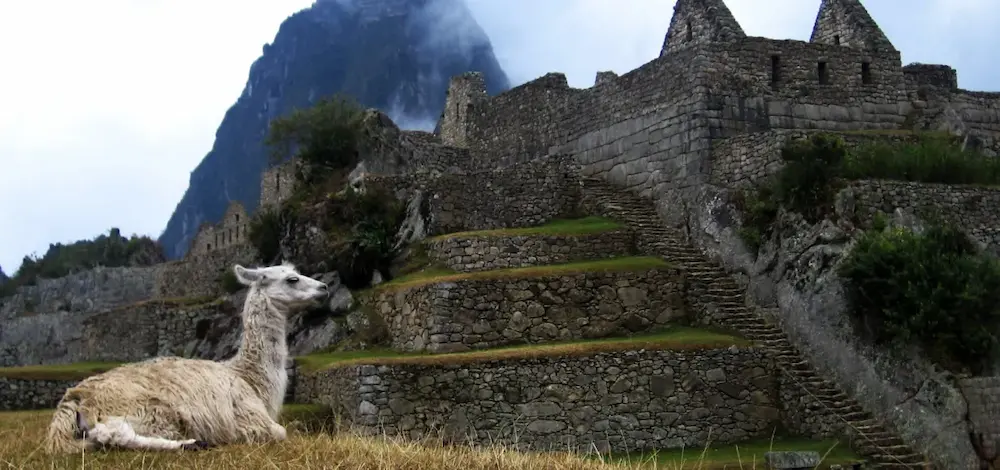
It is an open secret that the most famous sites in the Andes, such as Machu Picchu, experience their highest visitor numbers during this time. You may find yourself waiting in lines for transport or navigating busy paths at popular viewpoints. Acknowledging this reality before you arrive is the best way to maintain a positive mindset; remember that you are visiting a world-class destination that draws millions of people for excellent reasons.
To manage the crowds effectively, it is helpful to shift your perspective on the travel experience. Instead of viewing the presence of other travelers as a hindrance, see it as part of the communal nature of the journey. Many visitors find that the shared sense of awe at these incredible historic sites actually enhances the experience, and with a bit of patience and strategic planning, you can still find moments of quiet reflection even in the busiest of locations.
While the high season is most famous for the Cusco region, it affects different parts of Peru in unique ways. It is a common misconception that the entire country follows the same weather pattern. For instance, while the Andes are dry and sunny, the coast—including Lima—is often shrouded in a thick, grey mist known as garúa. Understanding these regional differences is vital for a well-rounded itinerary.
If your journey takes you toward the Amazon rainforest, the high season (the "low water" season) offers a completely different adventure. The receding rivers expose white sand beaches and make it easier to spot wildlife along the banks. Conversely, if you head south to Arequipa or Lake Titicaca, you will experience the same clear skies as Cusco but with even more intense nighttime cold due to the altitude and desert environment.
The Peruvian Amazon during these months is fascinating because the lower water levels allow for more extensive jungle trekking. It is the best time for those who want to explore deep into the rainforest on foot without the constant torrential rains of the summer. However, it is also the time when heat and humidity can feel most intense, so proper hydration and specialized gear are non-negotiable.
For those starting their trip in Lima, the high season can be a bit of a surprise. The capital is usually under a blanket of clouds from June to September, making it much cooler and damper than the sunny mountains. If you are looking for sun on the coast, you may need to travel further south to Paracas or Huacachina, where the desert sun shines year-round, providing a perfect warm-up before you head into the chilly Andean nights.
Traveling during the peak months offers distinct advantages, most notably the consistency of the weather. For those planning multi-day hikes or photography-heavy itineraries, the clear skies provide the best possible conditions for capturing the dramatic Andean landscape. Furthermore, with peak tourism comes peak infrastructure; tour providers, transport services, and hospitality businesses are all operating at full capacity, meaning you have the widest variety of options and services available to you.
Conversely, the challenges are equally clear: costs tend to be higher, and availability can become limited. You will find that accommodation, flights, and train tickets are in high demand and prices often reflect this. Additionally, the sheer volume of people can make spontaneous travel difficult, as popular sites require tickets and reservations to be secured well in advance. For those who dislike the hustle and bustle of peak tourism, these factors are important considerations in the decision-making process.
You might also want to check out: The mita system and mita obligations
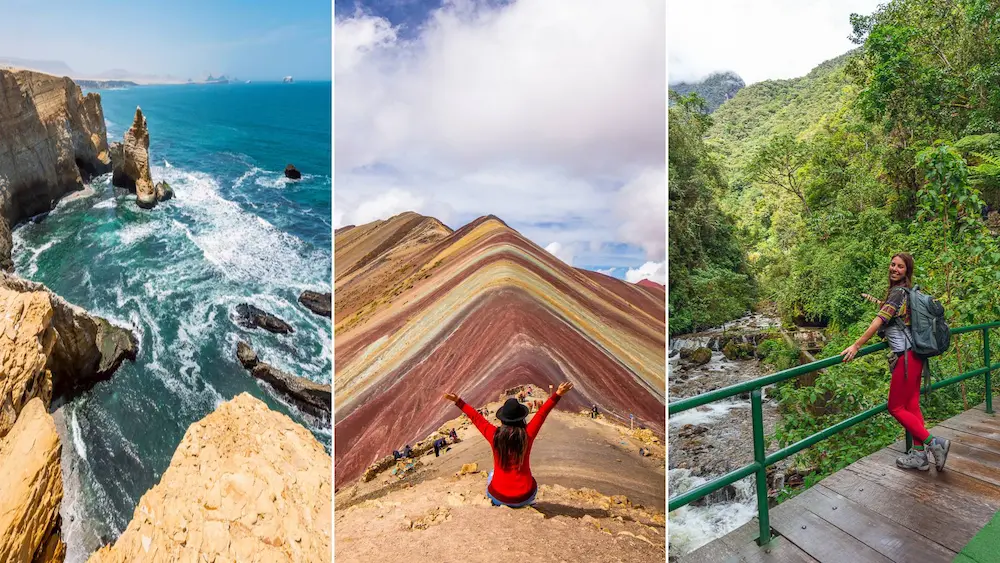
Beyond the favorable weather, the dry season coincides with some of the most spectacular cultural events in the Andes. Visiting during this time allows you to immerse yourself in local traditions that are at their most vibrant, providing a deeper connection to the history and culture of the region that you simply won't get at other times of the year.
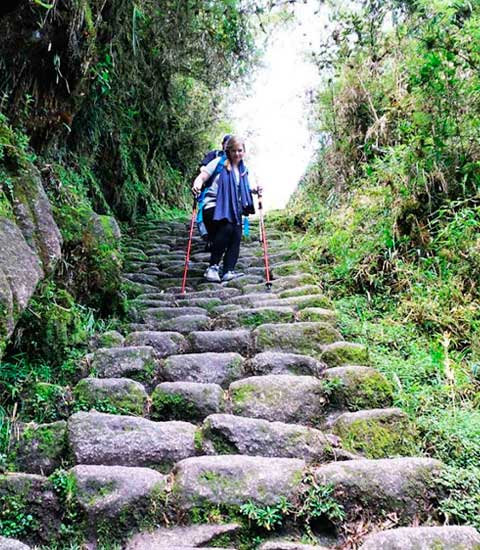
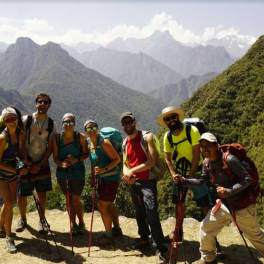
Furthermore, the stability of the terrain makes the high season the ideal time for challenging physical activities. Whether you are interested in the classic Inca Trail, the Salkantay Trek, or simply walking the cobblestone streets of Cusco, you can do so with the confidence that you are unlikely to be hampered by mudslides, heavy fog, or torrential downpours.
The dry season is synonymous with reliability. When you plan a multi-day trek during these months, you are significantly reducing the risks associated with the Andean rainy season, such as washed-out paths, slippery mud, and unpredictable storms. This stability allows you to fully enjoy the hiking experience, focusing on the breathtaking mountain passes and the surrounding flora and fauna, rather than worrying about your footing or the integrity of the trail.
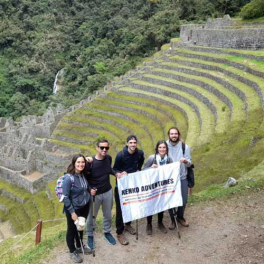
Furthermore, because the trails are firm and clear, you can access the highest points of your itinerary with confidence. Whether you are trekking to the Sun Gate for that first glimpse of Machu Picchu or traversing the high mountain passes of the Ausangate circuit, the dry weather ensures that these experiences remain safe and accessible. It is the best time for those who want to push their physical limits and complete their bucket-list adventures without the environmental hurdles of the off-season.
If photography is a priority for your trip, there is no substitute for the dry season. The Andean highlands are famous for their "big sky" vistas, and during the high season, you will experience the crisp, clear, blue horizons that make for iconic, magazine-quality shots. The lack of heavy cloud cover means the dramatic peaks of the Andes—such as the Salkantay or the Vilcanota range—remain visible for most of the day, providing a stunning, sharp backdrop for your travel memories.
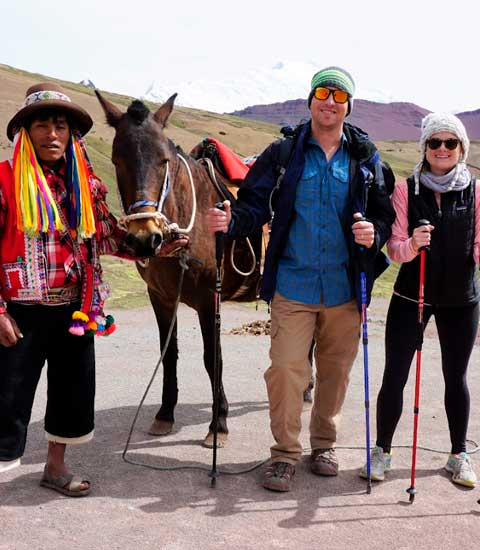
This visibility is particularly crucial at high-altitude attractions like the Rainbow Mountain or the ruins of Choquequirao. In the rainy season, these sites are often shrouded in thick fog, which can obscure the view for hours. During the high season, you are almost guaranteed the panoramic clarity that these world-famous sites deserve, ensuring that the effort you put into getting there is rewarded with the perfect photograph.
Traveling during the dry season offers a significant logistical advantage: peace of mind. Rain and storms in the Andes can occasionally lead to flight delays, train cancellations, or road closures, which can disrupt even the best-laid plans. By visiting during the peak months, you minimize the risk of weather-related interruptions, allowing your itinerary to proceed as planned from your arrival in Lima to your departure from Cusco.
This consistency extends to regional transportation as well. Whether you are taking the train to Aguas Calientes or utilizing private transport to explore the Sacred Valley, the dry weather ensures that roads and railways remain fully operational. This reliability allows you to maximize your time in Peru, ensuring you spend your vacation exploring ancient ruins and vibrant markets rather than waiting in terminals for delayed departures.
The most significant challenge when traveling during this window is the necessity of advanced booking. Because it is the peak season, the best hotels, the most reliable transport, and the highest-rated guides fill up months in advance. Attempting to book a trip last-minute during the high season is a recipe for stress and, often, disappointment.
Budgeting also requires extra care. Since you are traveling when demand is highest, you will encounter the "peak season premium" on almost all travel-related services. We recommend that travelers allocate a larger portion of their budget to secure high-quality services and comfortable accommodations to ensure the best possible experience.
You might also want to check out: Inti Raymi in Cusco Festival of the Sun
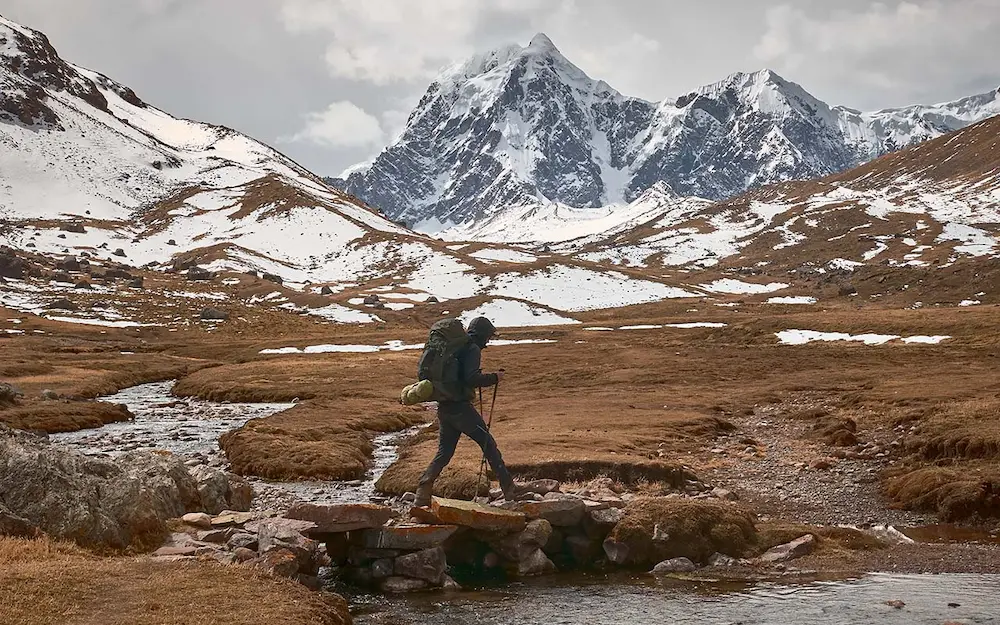
Packing for the high season in Peru is an art form because you will likely experience four seasons in a single day. The morning might start with a frost on the ground, transition into a scorching summer-like afternoon, and end with a bone-chilling evening. The key to staying comfortable is a technical layering system that allows you to add or remove clothing as the sun moves across the sky.
Your "base layer" should be moisture-wicking, followed by a warm insulating layer—like a fleece or an alpaca wool sweater—and topped with a windproof jacket. Don't forget high-SPF sunscreen and a wide-brimmed hat; at high altitudes, the UV rays are significantly stronger than at sea level. Proper footwear is the other pillar of your packing list, as dry season trails can be dusty and slippery.
If you are hitting the trails, your gear list should prioritize durability and weight. High-quality hiking boots that are already broken in are the most important investment you can make. Additionally, consider bringing or renting trekking poles; they are a lifesaver for your knees during the steep descents found on Andean trails when the gravel is loose.
Casual wear for city exploring and dining
When you aren't on the trail, cities like Cusco have a sophisticated dining and social scene. You don't need formal wear, but having a set of clean, comfortable "city clothes" will make you feel more at home in the upscale restaurants and wine bars. A sturdy pair of walking shoes is still recommended for the city, as the historic cobblestone streets are charming but notoriously uneven.
The golden rule for the high season in Peru is simple: book early. We recommend finalizing your major plans especially international flights, multi-day trek permits, and popular train segments at least four to six months in advance. By securing these logistics early, you remove the stress of competition and ensure that your time in the country is focused on enjoyment.
Additionally, consider the timing of your daily activities. To avoid the peak crowds at popular sites, try to visit early in the morning before the day-trippers arrive or later in the afternoon as they head back to their base. This simple adjustment to your daily schedule can make a massive difference in the quality of your experience.
Certain experiences in Peru, particularly treks like the Inca Trail, are strictly regulated with a limited number of permits released per day. These permits are essentially a finite resource, and during the high season, they can sell out months ahead of time. If a trek is on your bucket list, you must prioritize securing your spot before you arrange any other part of your itinerary.
Similarly, the most conveniently located hotels and hostels in Cusco and Aguas Calientes often reach capacity during the peak months. Booking in advance not only guarantees you a place to stay but also ensures you have access to the most reputable providers who can offer better support, safety standards, and local knowledge.
While the major attractions are popular for a reason, you can enhance your trip by balancing them with "hidden gems" that see fewer crowds. Many travelers focus exclusively on the big names, but the surrounding valleys and smaller villages offer an equally profound look into Andean life. Ask your local experts for recommendations on nearby, lesser-known sites that offer a more intimate experience.
By mixing these quieter spots into your itinerary, you create a dynamic travel experience that captures both the majesty of the famous landmarks and the authenticity of the local culture. This strategy prevents "tourist fatigue" and allows you to return home with a much more nuanced and well-rounded perspective of the country.
So, is traveling during the high season worth it? Without a doubt, it’s a "golazo" a total win. Sure, the sites are popular and you’ll need to plan ahead, but witnessing the sunrise over Machu Picchu under a crisp, bright Andean sky is a memory you’ll carry with you forever. The energy in the air, the festivals, and the sheer majesty of the mountains make it all worth the effort.
My final piece of advice? Don’t let the logistics take the joy out of your journey. Peru is waiting for you, and trust me, it’s going to be an unforgettable ride. The key is in the preparation so start planning, secure those permits, and get ready to fall in love with our country. If you ever feel like you need a local expert to help you connect the dots so you can just focus on the adventure, we’re always here to lend a hand. ¡Buen viaje and see you in the Andes!