Image
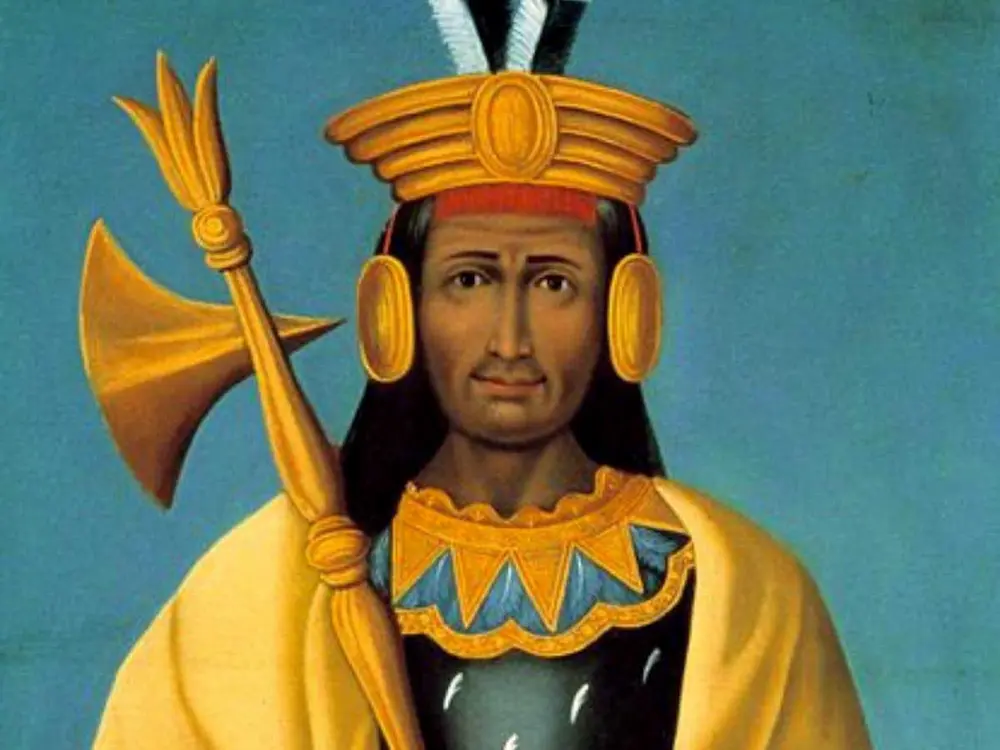
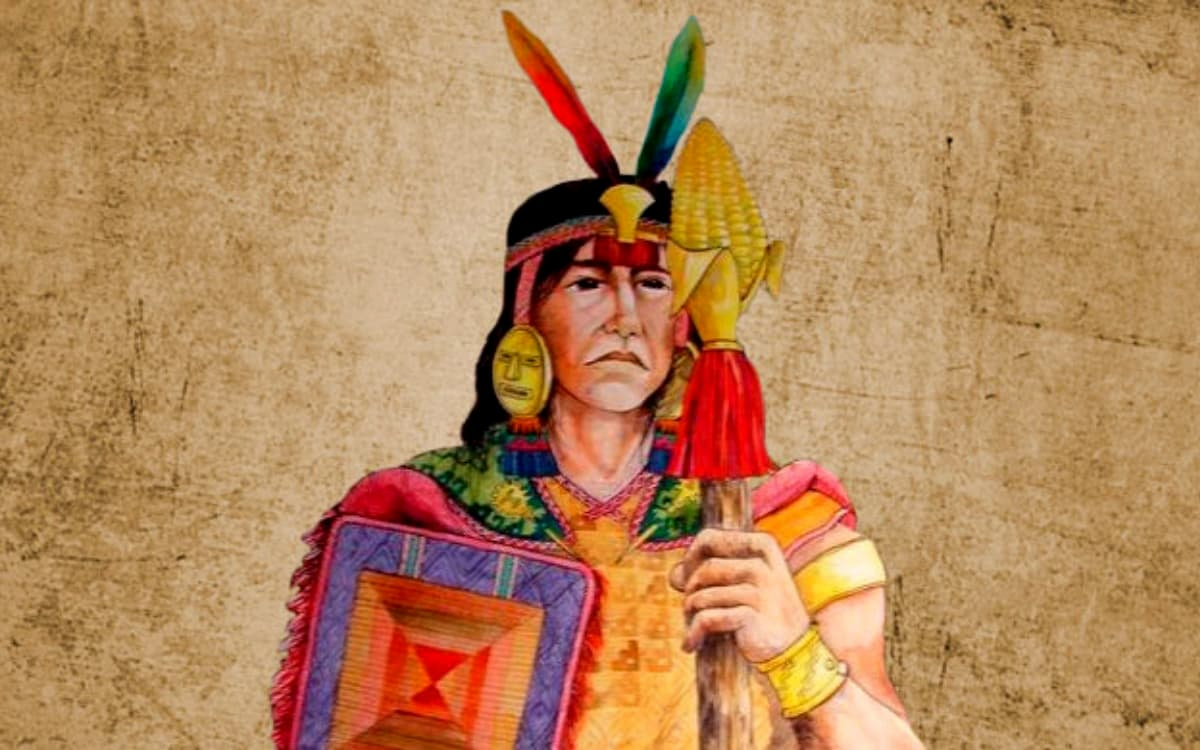
If you are planning a trip to Cusco and want to really get the full experience, not just the typical tourist route, learning about Manco Inca Yupanqui is key. His story is not just history—it is part of what makes Peru what it is today. Many travelers come for Machu Picchu and the views, which are amazing, but once you understand the history behind it, everything just clicks.
Knowing who Manco Inca Yupanqui was gives you a whole different perspective of Cusco and the Sacred Valley. It is like, you are not just walking around—you actually understand what went down here. If you are the kind of traveler who likes to go a bit deeper, not just take photos and go, this will make your trip way more meaningful.
Manco Inca Yupanqui was one of the most important figures in the history of the Inca Empire, widely recognized for leading the resistance against Spanish colonization in the 16th century. Initially installed as a puppet ruler by the Spanish conquistadors after the fall of Cusco, he was expected to cooperate with colonial rule. However, as he witnessed the abuses, exploitation, and disrespect toward Inca traditions, he gradually transformed into a powerful symbol of rebellion and indigenous resistance in the Andes.
Born into the royal Inca lineage, Manco Inca Yupanqui grew up during a time of political instability, marked by internal conflict and the arrival of foreign forces. This complex environment shaped his leadership and determination. Over time, he recognized the true intentions of the Spanish, which pushed him to organize one of the most significant uprisings in South American history. His leadership not only challenged colonial power but also laid the foundation for the continuation of Inca resistance through the establishment of a new stronghold in Vilcabamba.
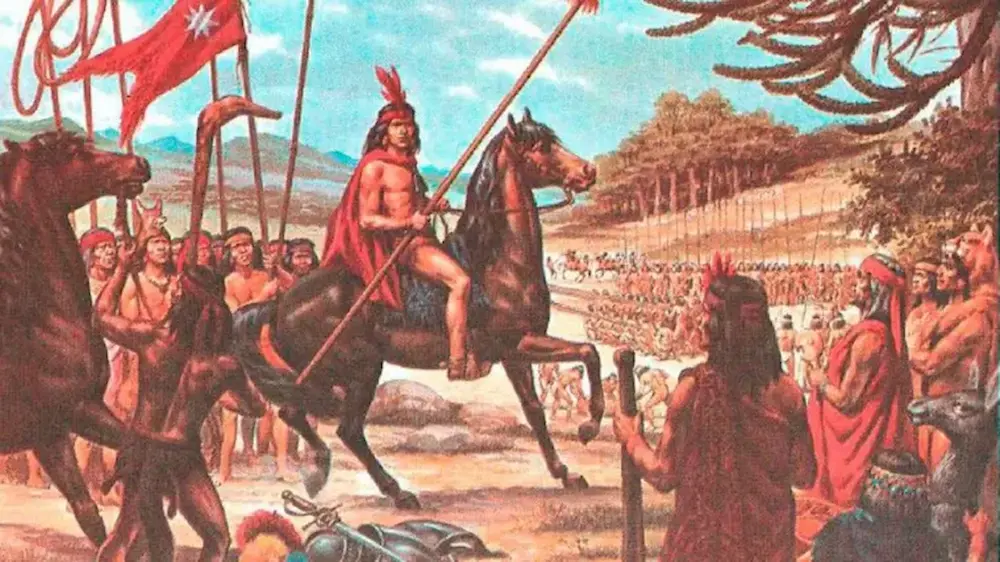
The rebellion led by Manco Inca Yupanqui marked a turning point in the struggle between the Incas and the Spanish Empire. In 1536, he launched a massive siege of Cusco, gathering tens of thousands of warriors in an attempt to reclaim the city, which had fallen under Spanish control.
Although the Incas initially had the advantage, the Spanish forces, supported by superior weaponry and alliances, managed to resist the attack. Despite not achieving a complete victory, this rebellion demonstrated the strength, organization, and determination of the Inca resistance, leaving a lasting impact on Andean history.
After the failed siege of Cusco, Manco Inca Yupanqui retreated into the remote jungle region of Vilcabamba, where he established what is known as the Neo-Inca State. This hidden capital became the last stronghold of Inca resistance for several decades.
Vilcabamba allowed the Incas to preserve their traditions, political structure, and way of life away from Spanish control. Surrounded by dense forests and difficult terrain, it provided natural protection and became a symbol of resilience and cultural survival in the face of colonization.
You might also want to check out: The mita system and mita obligations
There are strong historical and geographical connections between Manco Inca Yupanqui and the Sacred Valley region, including Machu Picchu. While Machu Picchu was built before his reign, it is believed that the surrounding areas played a strategic role during the period of resistance.
Some historians suggest that routes connecting Cusco, the Sacred Valley, and Vilcabamba were used during his retreat. For modern travelers, understanding this connection adds depth to visits to Machu Picchu, transforming it from a scenic destination into a place rich with historical context.
Several key locations in Peru are directly linked to the story of Manco Inca Yupanqui. Cusco, the former capital of the Inca Empire, was the center of his rebellion and remains a must-visit destination for those interested in history, culture, and the legacy of the Incas.
Sacsayhuamán, located just outside Cusco, served as a strategic military site during the siege and continues to impress visitors with its massive stone constructions and panoramic views of the city. Further afield, Vilcabamba and other lesser-known archaeological sites provide a deeper look into the final phase of the Inca resistance. These destinations are ideal for travelers seeking off-the-beaten-path experiences and a more immersive understanding of Peru’s rich historical landscape.
Understanding the story of Manco Inca Yupanqui allows travelers to connect more deeply with the history and culture of Peru. His resistance represents not only a struggle for power but also the defense of identity, traditions, and sovereignty, making his legacy especially meaningful for those interested in the roots of Andean civilization.
For visitors exploring Cusco and the Sacred Valley, learning about this history adds depth and context to every site, turning a simple trip into a more immersive and educational experience. It allows travelers to see beyond the landscapes and appreciate the stories behind them, highlighting the resilience of Andean culture, which continues to thrive in modern Peru.
Travelers interested in the legacy of Manco Inca Yupanqui can follow routes that connect Cusco, the Sacred Valley, and the region of Vilcabamba. These destinations offer a combination of archaeological sites, cultural experiences, and natural beauty.
Planning a journey that includes guided tours, historical landmarks, and local communities can significantly enhance the experience. Taking the time to explore beyond the most famous attractions allows for a deeper understanding of the Inca civilization and its enduring influence.
The legacy of Manco Inca Yupanqui continues to shape Peru’s cultural identity today. His resistance is seen as a symbol of strength and resilience, especially in Andean communities where traditions remain deeply rooted. Travelers can still witness this cultural continuity through local customs, language, and celebrations.
His story is widely taught in Peruvian schools and represented in cultural expressions such as festivals, storytelling, and local traditions. This makes his legacy not only historical but also part of everyday life in many regions of Peru.
You might also want to check out: A guide to hiking to the Sun Gate (Inti Punku)
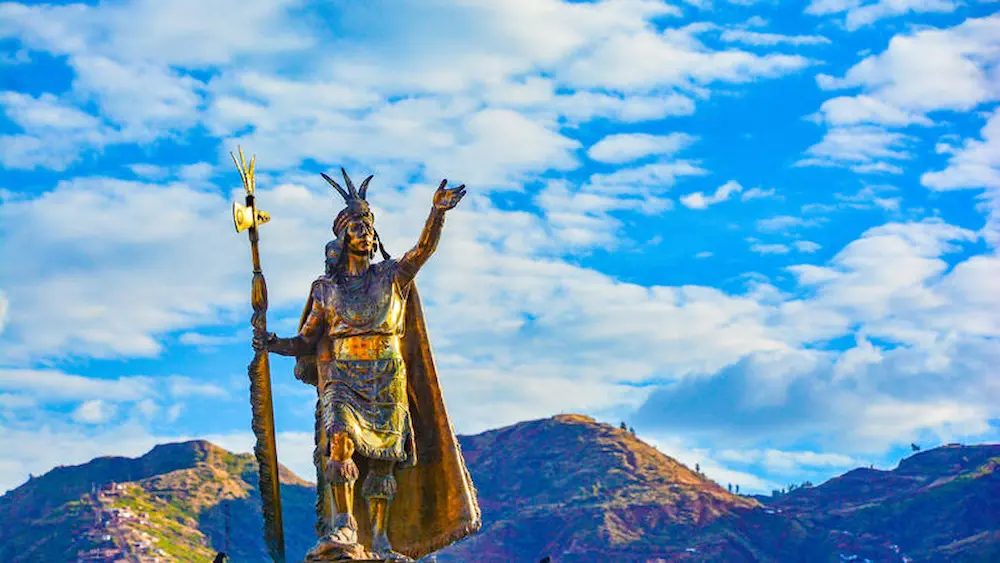
The fall of Cusco in 1533 marked a crucial turning point in the history of the Inca Empire. After the Spanish conquistadors took control of the city, they installed Manco Inca Yupanqui as a ruler under their authority, expecting him to serve their interests. However, this arrangement quickly deteriorated as tensions grew between the Incas and the Spanish.
Over time, Manco Inca Yupanqui began to organize resistance efforts, uniting different groups and preparing for a large-scale rebellion. This transition from puppet ruler to resistance leader highlights his strategic thinking and determination, making his story one of the most compelling in Peruvian history.
One of the most significant events led by Manco Inca Yupanqui was the siege of Cusco in 1536. With a massive army, he attempted to retake the city from Spanish control, surrounding it and launching coordinated attacks.
Although the Incas nearly succeeded, the Spanish forces managed to defend the city due to their military advantages and alliances. Even though the siege did not result in victory, it became a defining moment of resistance and demonstrated the القوة and organization of the Inca forces.
After retreating to Vilcabamba, Manco Inca Yupanqui established a new center of power known as the Neo-Inca State. Life in this region was focused on preserving Inca traditions, governance, and social structure despite the ongoing threat from Spanish forces.
This period represents a lesser-known chapter of Inca history, where resistance was not only military but also cultural. The ability to maintain identity and traditions in such conditions is a testament to the resilience of the Inca civilization.
Vilcabamba was more than just a refuge—it became the final stronghold of the Inca civilization after the Spanish conquest of Cusco. Its remote and rugged location, surrounded by dense jungle and difficult terrain, provided natural protection and allowed the Incas to regroup, reorganize, and continue their resistance for several decades. From this hidden capital, Manco Inca Yupanqui and his successors maintained a degree of political and cultural independence, preserving key elements of Inca governance, traditions, and identity.
Beyond its military importance, Vilcabamba represents the last active chapter of the Inca Empire. It was here that the Neo-Inca State survived until 1572, when Spanish forces finally captured the region, marking the definitive end of Inca rule. This period is essential for understanding how the Incas adapted to new challenges and resisted colonization not only through warfare but also by preserving their cultural heritage.
You might also want to check out: Inti Raymi in Cusco Festival of the Sun
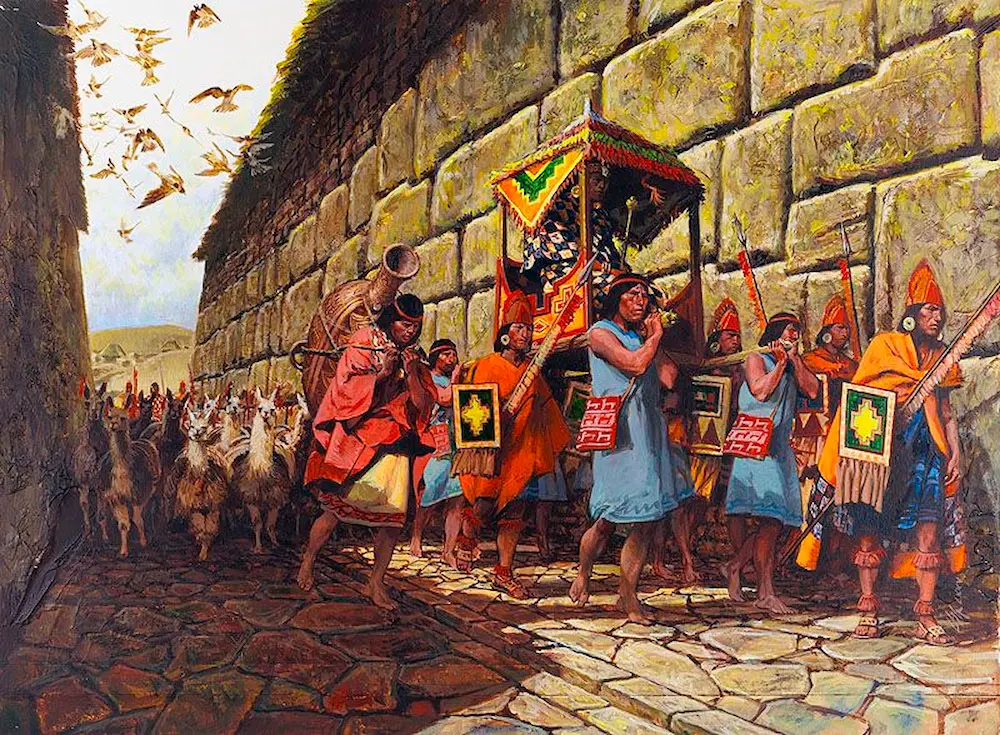
Exploring historical routes related to Manco Inca Yupanqui can be challenging without proper planning. Working with a local operator ensures that transportation, logistics, and access to key sites are handled efficiently.
Exploring historical routes related to Manco Inca Yupanqui can be challenging without proper planning, especially when visiting remote or less accessible areas such as Vilcabamba. Working with a local operator ensures that transportation, logistics, and access to key sites are handled efficiently, allowing you to make the most of your time in Peru without unnecessary stress or complications.
Local experts bring a deeper level of understanding to your journey. They provide valuable insights into the historical and cultural significance of each destination, helping you connect the story of Manco Inca Yupanqui with the places you visit. This transforms your experience from a simple visit into a meaningful cultural exploration.
A local operator can design a well-structured itinerary that combines iconic destinations like Cusco and the Sacred Valley with lesser-known sites linked to the Inca resistance. They take care of timing, routes, and coordination, ensuring you experience more in less time without feeling rushed.
From permits to transportation and scheduling, every detail is managed for you. This allows you to travel with confidence, avoid common logistical issues, and fully focus on enjoying your journey. In the end, traveling with a local operator enhances not only convenience but also the overall quality and depth of your experience in Peru.
You might also want to check out: The Inca Culture History
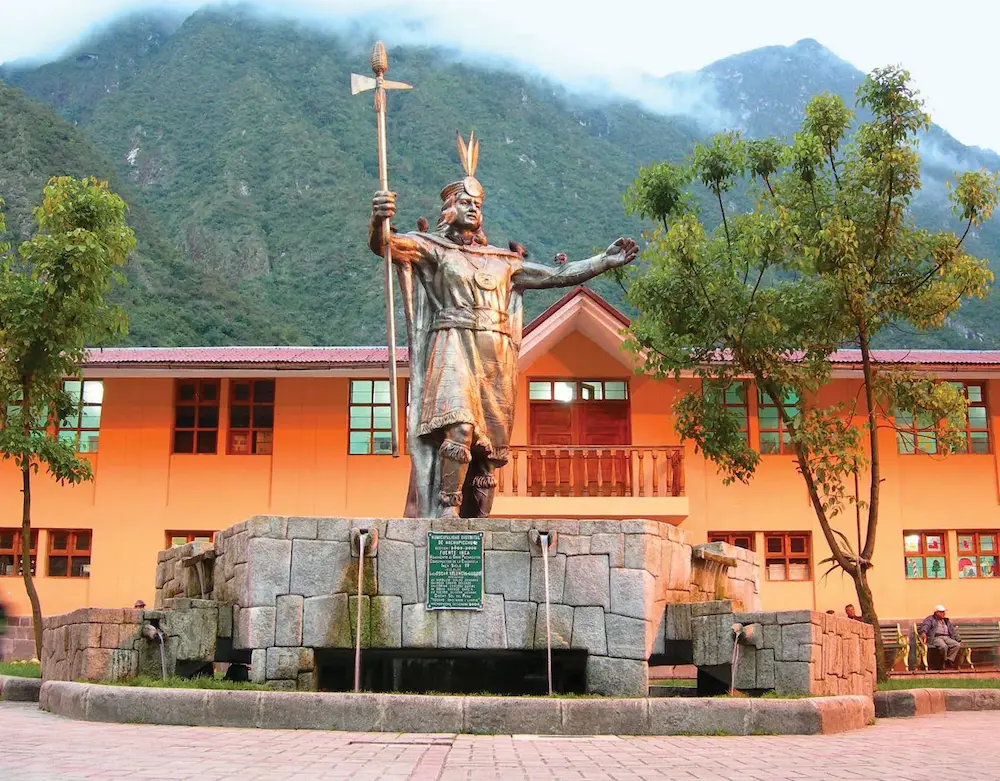
At the end of the day, learning about Manco Inca Yupanqui is not just about dates and facts—it is about understanding the real story behind Peru. When you walk through Cusco or visit these historical places, you are not just sightseeing, you are experiencing something with real depth.
So when you plan your trip, do yourself a favor and go beyond the basics. Get to know the history, connect with the culture, and take it all in. Honestly, it just feels different when you know the story—like you are not just visiting, you are actually living the experience.