Image
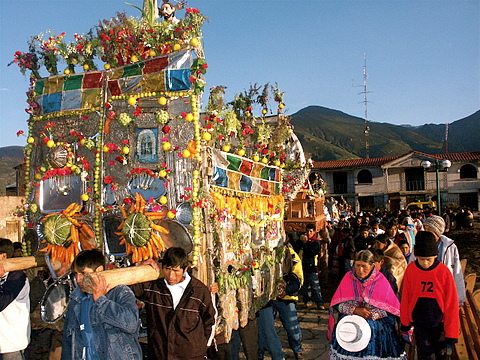
Holy week in Peru 2026 is a special time to travel, and if Cusco is on your list, you’re in for something different. This isn’t just another holiday week the city changes completely. Streets fill with processions, locals gather in churches, and you can really feel how important these traditions are for people here.
What makes holy week in Cusco great for travelers is that you don’t have to choose between culture and adventure. You can experience local traditions during the day, then head out to the Sacred Valley, Machu Picchu, or even a trek if you plan things right. It’s one of those moments when Peru shows its real side, not just the postcard version.
Holy week in Peru is one of the most important cultural and religious events of the year. It commemorates the final days of Jesus Christ, from Palm Sunday to Easter Sunday, and combines Catholic traditions with local Andean influences. For travelers, it offers a deeper look into Peru’s culture beyond the usual tourist experience.
Holy week has strong Catholic roots, introduced during the colonial period, but over time it has blended with Andean customs. Throughout the country, churches organize special masses and processions that bring communities together. These events reflect faith, tradition, and a strong sense of local identity.
Celebrations vary by region. In Ayacucho, holy week is highly traditional and solemn, with daily processions and ceremonies. In Cusco, the celebrations combine religion, history, and Inca heritage, creating a unique atmosphere. Travelers can see decorated streets, religious processions, and seasonal food prepared only during this week.
Cusco stands out because of its historic setting and strong traditions. Processions take place among colonial churches and Inca stone streets, making the experience especially meaningful. At the same time, Cusco is well prepared for visitors, allowing travelers to enjoy holy week celebrations while still exploring Machu Picchu, the Sacred Valley, and nearby trekking routes.
Holy week in Cusco is one of the most important religious periods of the year and follows a very defined calendar. Each day has specific ceremonies, locations, and customs that shape local life and directly affect travelers visiting the city during this time.
You might also want to check out: 10 Beautiful places in Peru | Where travel feels real
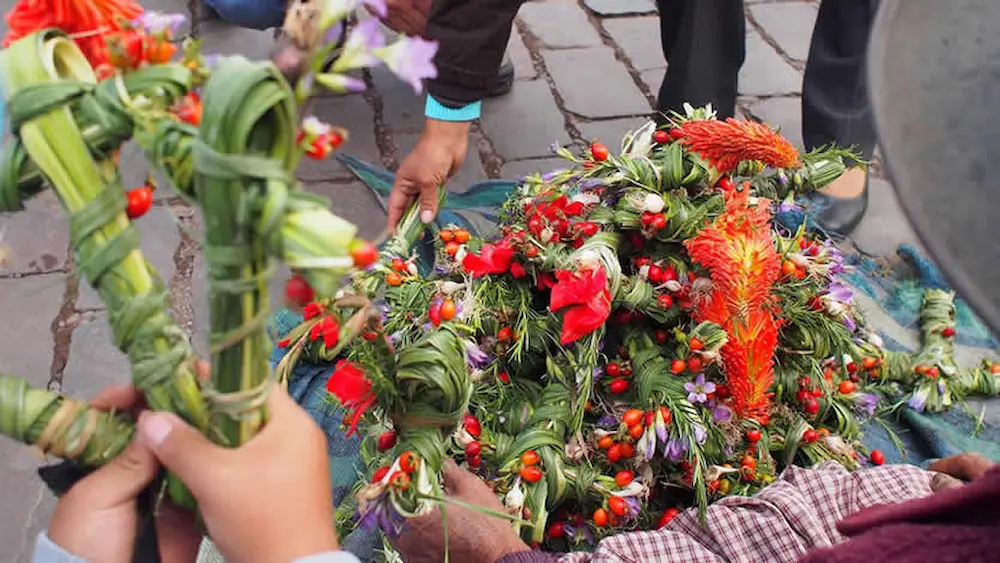
Palm Sunday officially begins holy week in Cusco. Early in the morning, locals gather outside churches such as Cusco Cathedral, San Pedro, and San Blas, carrying palm leaves, olive branches, and woven crosses made from local plants.
After the blessing, families take the palms home and place them behind doors or religious images for protection throughout the year. Streets near the main churches become crowded, and traffic restrictions usually start around the historic center.
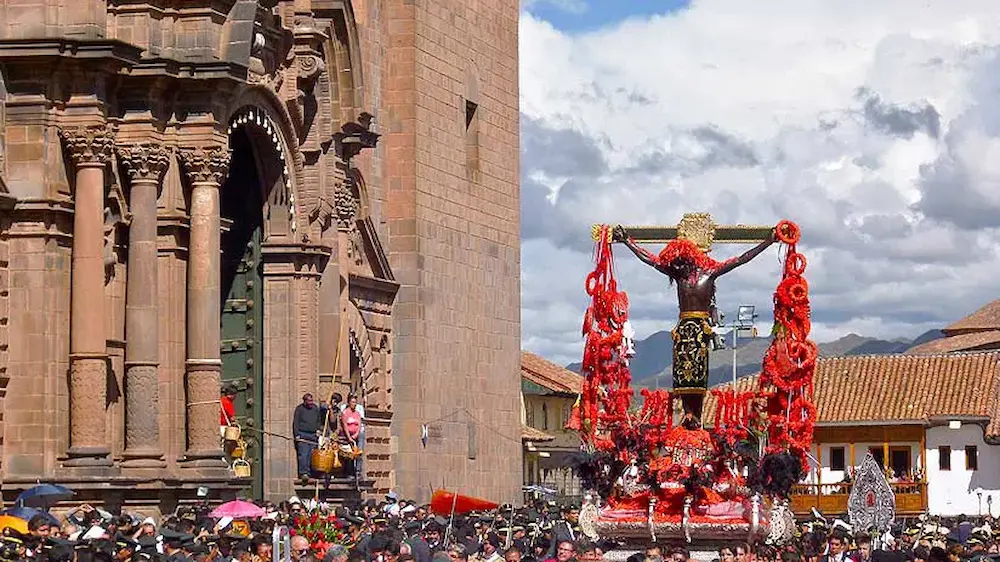
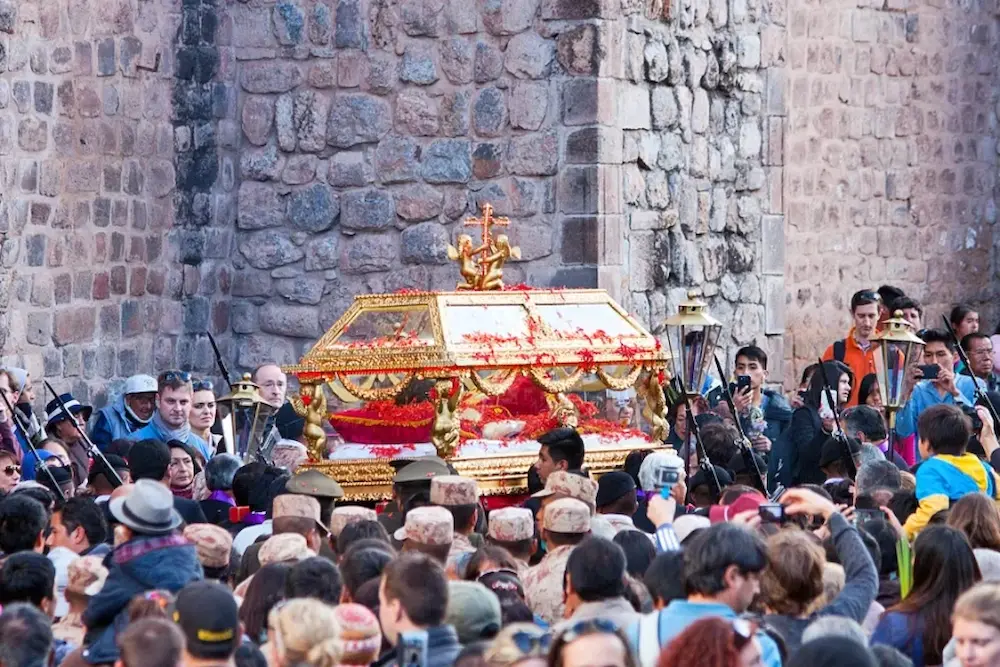
Holy Monday is the most important day of holy week in Cusco. In the afternoon, the image of the Lord of the Earthquakes (Señor de los Temblores) leaves Cusco Cathedral and is carried around the Plaza de Armas.
This tradition dates back to the 17th century, when the image was credited with stopping a major earthquake. During the procession, locals throw red ñukcho flowers—a native Andean flower symbolizing blood and protection—toward the image. The smell of incense, prayers in Spanish and Quechua, and complete silence from the crowd create a powerful atmosphere.
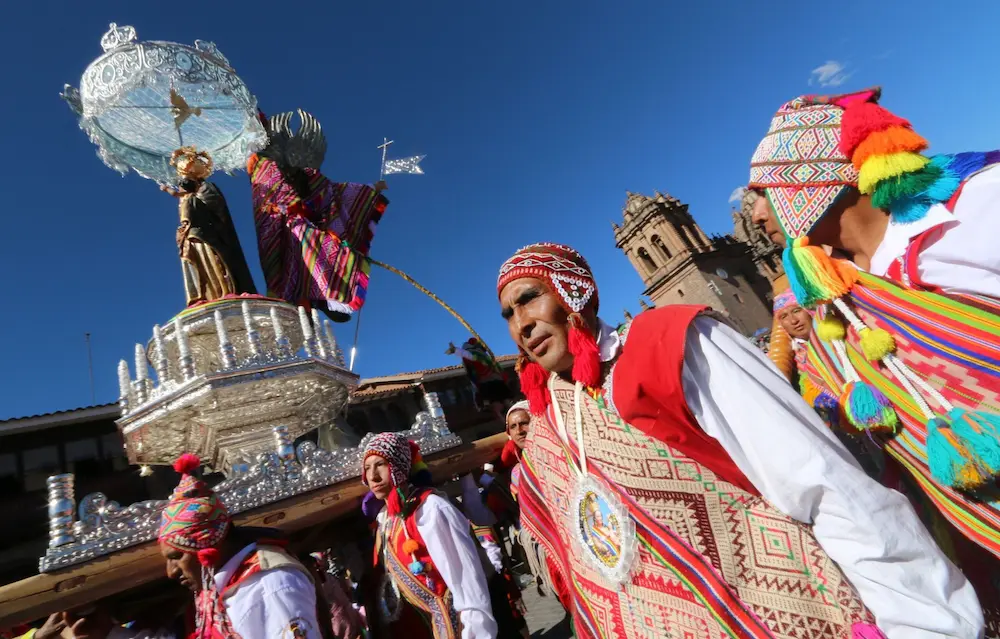
Holy Tuesday is quieter but still very active for locals. Many people visit multiple churches during the day, including La Merced, Santo Domingo (Qorikancha), and San Francisco.
There are no major outdoor processions, but churches hold special masses focused on repentance and reflection. For travelers, this is one of the best days to explore Cusco’s religious architecture without heavy crowds.
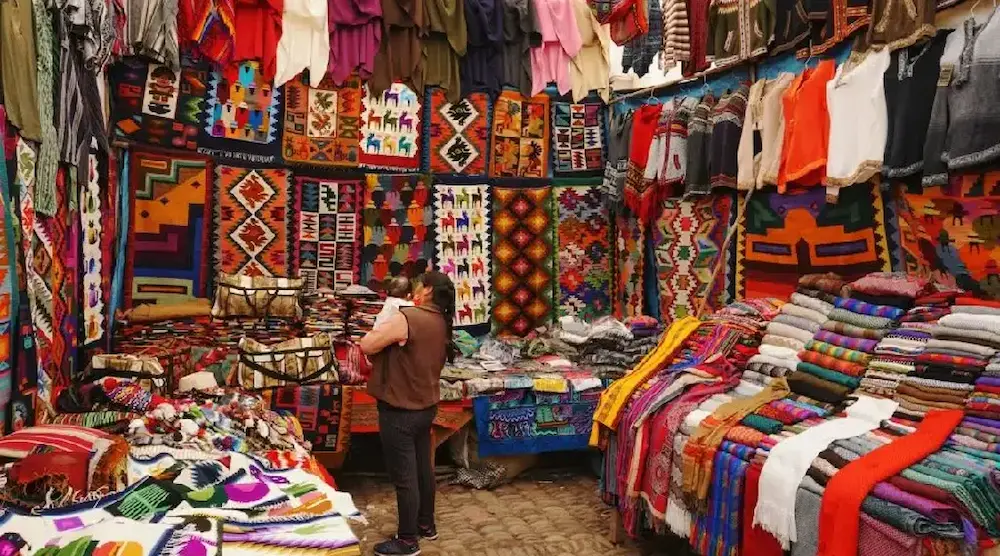
Holy Wednesday is dedicated to preparation. Local families focus on shopping for food and ingredients for the rest of the week. San Pedro Market becomes especially busy, with stalls selling grains, vegetables, cheeses, and traditional sweets.
Religious activities are mainly held inside churches. Many locals avoid traveling this day and focus on family gatherings and religious reflection.
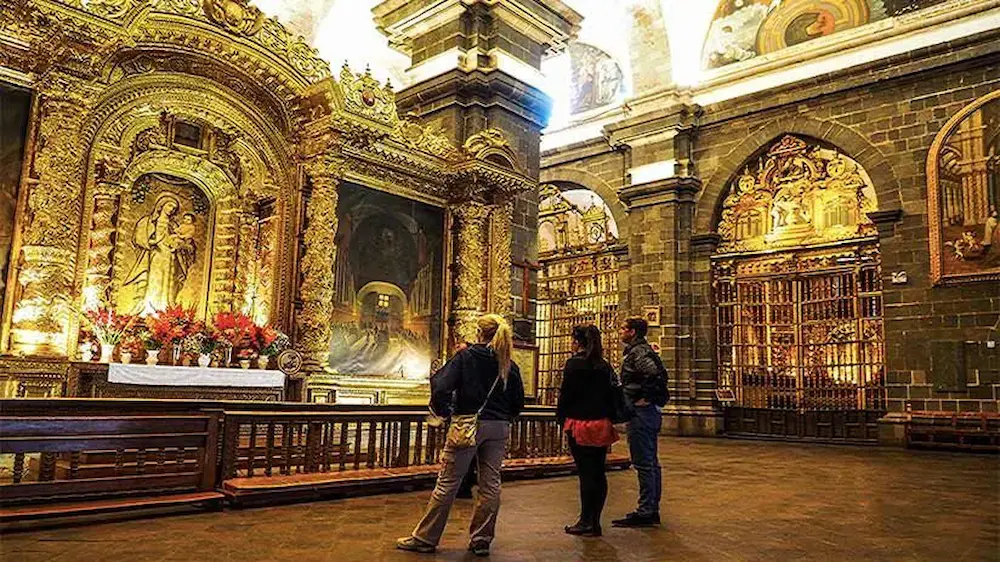
Holy Thursday centers on the visit to seven churches, a Catholic tradition still widely practiced in Cusco. In the evening, families walk through the historic center visiting churches such as Cusco Cathedral, San Blas, San Cristóbal, and La Compañía.
At home, families prepare a traditional holy week meal, often including twelve dishes, symbolizing the apostles. These dishes are meat-free and usually include soups, corn, beans, vegetables, and fish.
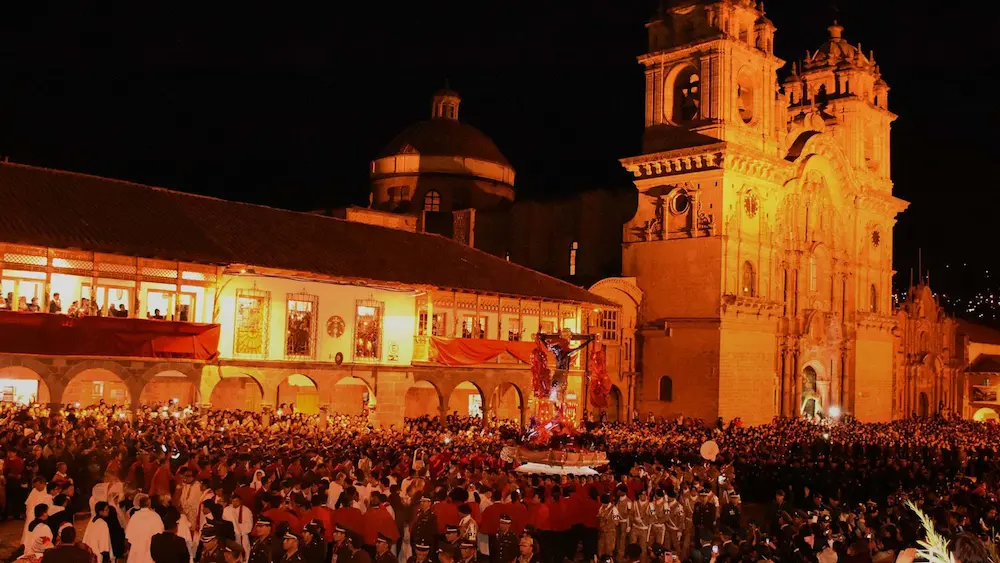
Good Friday is the most solemn day of holy week in Cusco. Many locals fast or eat very lightly. Churches hold ceremonies focused on the crucifixion of Christ, and the city feels noticeably quieter.
Tourist activity slows down, and some businesses close early. This day is marked by respect and silence, especially around religious spaces.
Holy Saturday is a transitional day. There are fewer religious events, and locals spend time cleaning their homes and preparing for Easter. Some churches hold evening vigils, but public life remains calm.
For travelers, it’s a good day to walk through Cusco’s streets, visit viewpoints, or plan excursions starting the following day.
Easter Sunday marks the end of holy week in Cusco. Churches hold celebratory masses in the morning, and families gather for meals that include meat again.
The city returns to its normal rhythm, shops reopen fully, and tours to Machu Picchu, the Sacred Valley, and surrounding areas operate normally.
During holy week in Peru, especially in Cusco:
Hotels sell out faster than usual
Streets around the Plaza de Armas may close temporarily
Religious events attract large crowds on Holy Monday
Tours operate normally but require advance booking
For travelers interested in culture, history, and local traditions, holy week in Cusco offers a deep and authentic experience unlike any other time of year.
Holy week in Peru can be an excellent time to visit, especially for travelers interested in culture, history, and meaningful local experiences. However, it also requires more planning compared to other times of the year.
Holy week usually takes place between late March and April, right at the end of the rainy season in Cusco. Mornings are often clear and pleasant, with temperatures ideal for walking tours and sightseeing. Afternoon showers are still possible, but they are usually short and not constant.
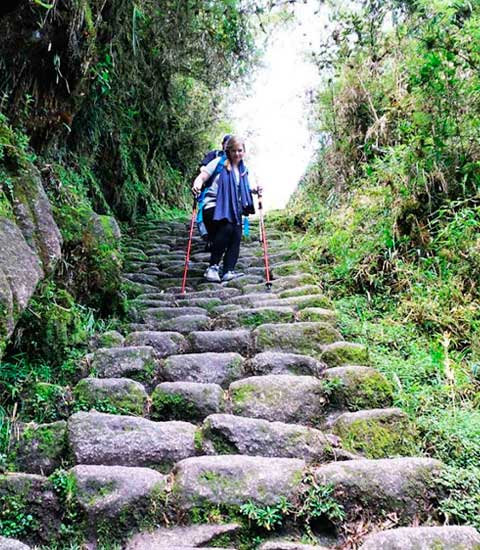
Trekking routes like the Inca Trail, Salkantay trail, and Lares trek are generally open and in good condition during this period. That said, waterproof clothing, good hiking shoes, and flexible planning are important, especially for multi-day treks.
Holy week is one of the busiest travel periods in Peru. Domestic travelers visit Cusco in large numbers, and international tourism also increases. As a result, Machu Picchu entrance tickets, train seats, and Inca Trail permits often sell out earlier than usual.
Accommodation prices can be slightly higher, particularly near the historic center. Tours still operate normally, but availability is more limited, so booking in advance is essential to avoid last-minute issues.
Pros:
Unique cultural and religious events you won’t see at other times of the year
Lively atmosphere in Cusco with strong local participation
Good weather for sightseeing and trekking
Cons:
Higher demand for tours and permits
Larger crowds during major religious events
Slightly higher prices and limited last-minute options
With good planning and early reservations, traveling during holy week in Peru offers a rare opportunity to combine iconic destinations like Machu Picchu with authentic cultural traditions that reflect the country’s identity.
You might also want to check out: Exploring inca textiles: inside the world of inca fashion and culture
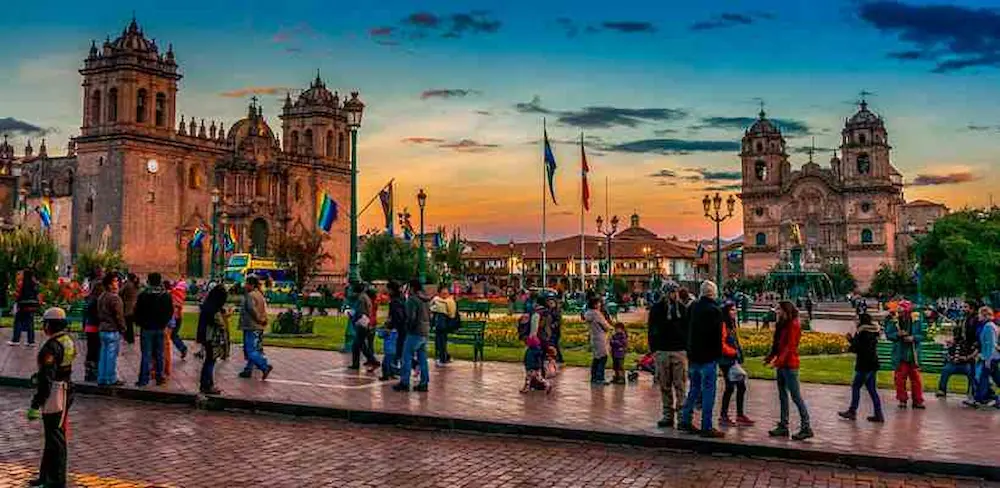
Cusco is one of the best bases to experience holy week in Peru, as it allows travelers to combine cultural events with classic sightseeing and short excursions. Planning activities around the religious schedule helps make the most of the trip.
A Cusco city tour during holy week offers valuable historical context to the celebrations. Walking through the historic center, visiting the Cathedral, Qoricancha, and nearby sites like Sacsayhuamán, Qenqo, Tambomachay, and Puka Pukara helps travelers understand the blend of Inca and colonial traditions that shape Cusco’s religious identity.
Morning tours are recommended, as many processions take place in the afternoon and evening, especially around the Plaza de Armas.
Cusco full day tours are ideal during holy week because they don’t require overnight travel and are easy to schedule around religious events. These tours usually operate with adjusted routes and timings to avoid street closures caused by processions.
They are a good option for travelers who want to explore without rushing and still have time to attend holy week ceremonies or observe local life in the evenings.
Visiting the Sacred Valley during holy week is a smart alternative to staying only in the city. Areas like Pisac, Ollantaytambo, and rural communities are generally less crowded than Cusco’s historic center during major religious days.
The Sacred Valley offers open landscapes, archaeological sites, and traditional markets, making it a balanced experience of culture and nature. It also works well as part of a 2 day Machu Picchu or Sacred Valley itinerary during the holiday period.
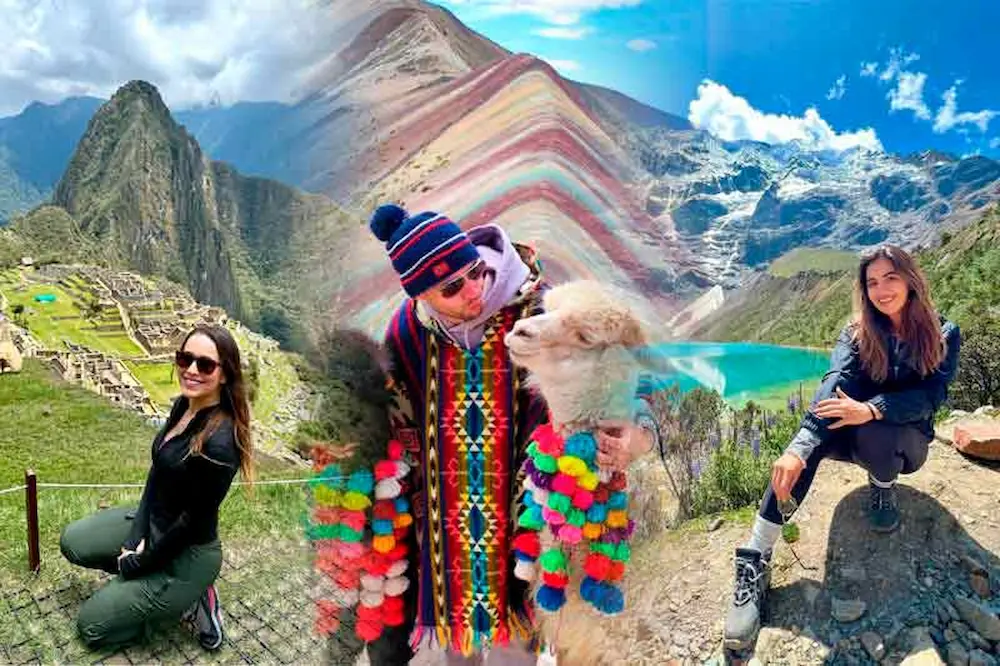
Holy week in Peru is a busy travel period, but trekking and Machu Picchu tours still operate normally with proper planning. Knowing which options are available and how demand affects permits is key to avoiding last-minute problems.
The Inca Trail is open during holy week (except for the annual February closure), but permits are extremely limited and often sell out months in advance. For travelers who can’t secure classic permits, the 1 day Inca Trail is a popular alternative that still includes hiking, Inca ruins, and a guided visit to Machu Picchu.
For those seeking more adventure without the full four-day commitment, the 2 days Inca Trail with camping offers a deeper trekking experience and a stronger connection to nature.
Other routes are also good options during this period. The Salkantay trail remains accessible and is less restricted by permits, making it suitable for experienced hikers who don’t mind a more challenging route. The Lares trek is quieter during holy week and combines trekking with cultural encounters and hot springs, ideal for travelers who want a calmer experience.
Machu Picchu remains fully operational during holy week, but demand is high. The 1 day Machu Picchu tour from Cusco is the most practical choice for travelers with limited time, with carefully coordinated transport to handle holiday crowds.
For a more relaxed pace, the 2 days Machu Picchu + Sacred Valley itinerary spreads activities over two days and reduces rushing. Active travelers can choose 2 days + Sacred Valley + Huayna Picchu or Machu Picchu Mountain, both of which require advance permits but offer panoramic views and extra hiking.
You might also want to check out: Inca Food: Traditional Dishes and Ingredients
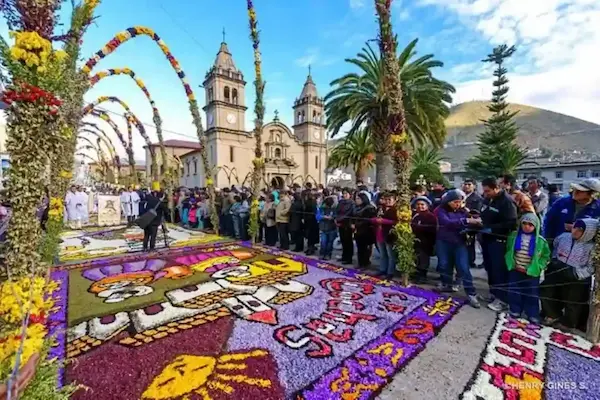
Traveling during holy week in Peru is a rewarding experience, but it requires extra planning. These tips will help you avoid common issues and enjoy your trip smoothly.
Advance booking is essential during holy week. This is one of the busiest travel periods of the year for Peru, especially in destinations like Cusco and Machu Picchu. Inca Trail permits, Machu Picchu entrance tickets, train services, and popular tours often sell out weeks or even months in advance.
Last-minute availability is very limited, so travelers should confirm tours, accommodation, and transportation before arriving. Working with a local operator helps secure permits and coordinate schedules around holiday demand.
During holy week, Peru experiences increased domestic travel. In Cusco, street closures are common around the historic center due to religious processions, especially on Holy Monday and Good Friday.
Bus schedules and train services operate normally but can be more crowded. Allow extra time for transfers, and avoid tight connections on major religious days. Organized tours are often the easiest way to move efficiently, as they adjust routes and timings to avoid delays.
Holy week is a deeply religious time for locals. Processions, church services, and ceremonies are not tourist shows but expressions of faith. Travelers should be respectful by avoiding loud behavior, not blocking procession routes, and following instructions from local authorities.
Photography is generally allowed, but it’s important to be discreet and respectful, especially during moments of silence or prayer. Dressing modestly when attending religious events is also recommended.
By planning ahead and respecting local customs, visiting Peru during holy week becomes a meaningful cultural experience rather than a logistical challenge.
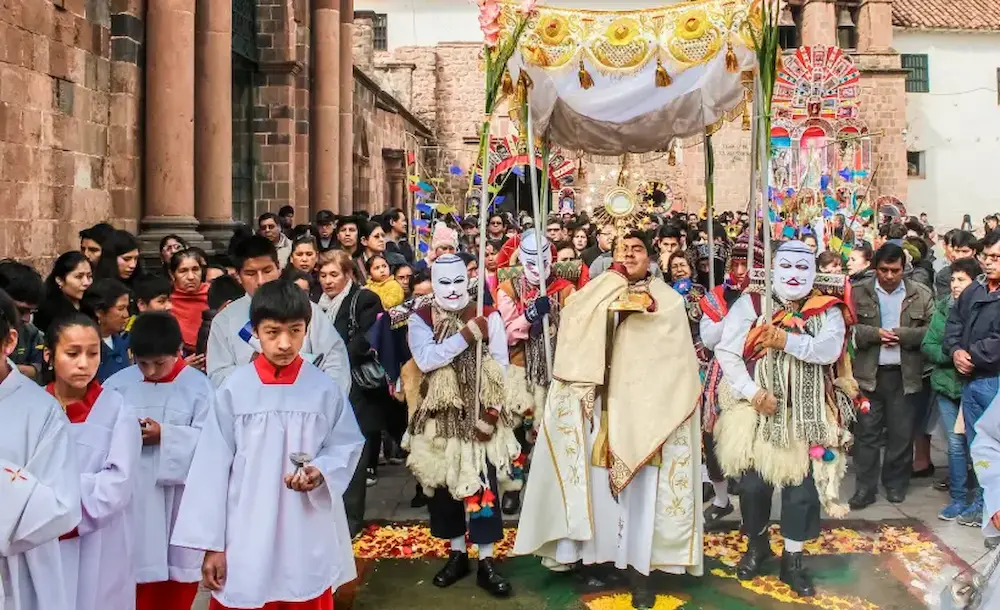
Holy week in Peru is not for every type of traveler, but for the right profile, it can be one of the most meaningful times to visit the country—especially in Cusco.
Holy week is ideal for travelers who want to go beyond sightseeing and truly understand local traditions. Processions, church ceremonies, and daily rituals offer direct contact with Peruvian culture and community life. For travelers interested in history, religion, and living traditions, holy week in Peru provides an authentic experience that cannot be replicated at other times of the year.
For active travelers, holy week offers a unique balance. Mornings can be spent on treks like the Inca Trail, Salkantay trail, or Lares trek, while afternoons and evenings allow time to witness religious events in Cusco. With proper planning, it’s possible to combine outdoor adventure with cultural festivals without sacrificing either.
First-time visitors benefit greatly from traveling during holy week. The celebrations add historical and emotional context to Cusco’s churches, streets, and Inca sites. Instead of seeing the city as a collection of landmarks, travelers experience Cusco as a living city shaped by tradition, faith, and community.
For travelers seeking depth, connection, and memorable experiences, holy week in Peru offers far more than a typical holiday visit.
Choosing a local Cusco tour operator during holy week in Peru makes a big difference. Local teams understand schedules, permits, and cultural events, helping travelers avoid stress and enjoy the experience fully.
By combining holy week celebrations with trekking routes, Sacred Valley tours, and Machu Picchu visits, travelers can create a well-balanced and unforgettable itinerary in Cusco and beyond.