Image
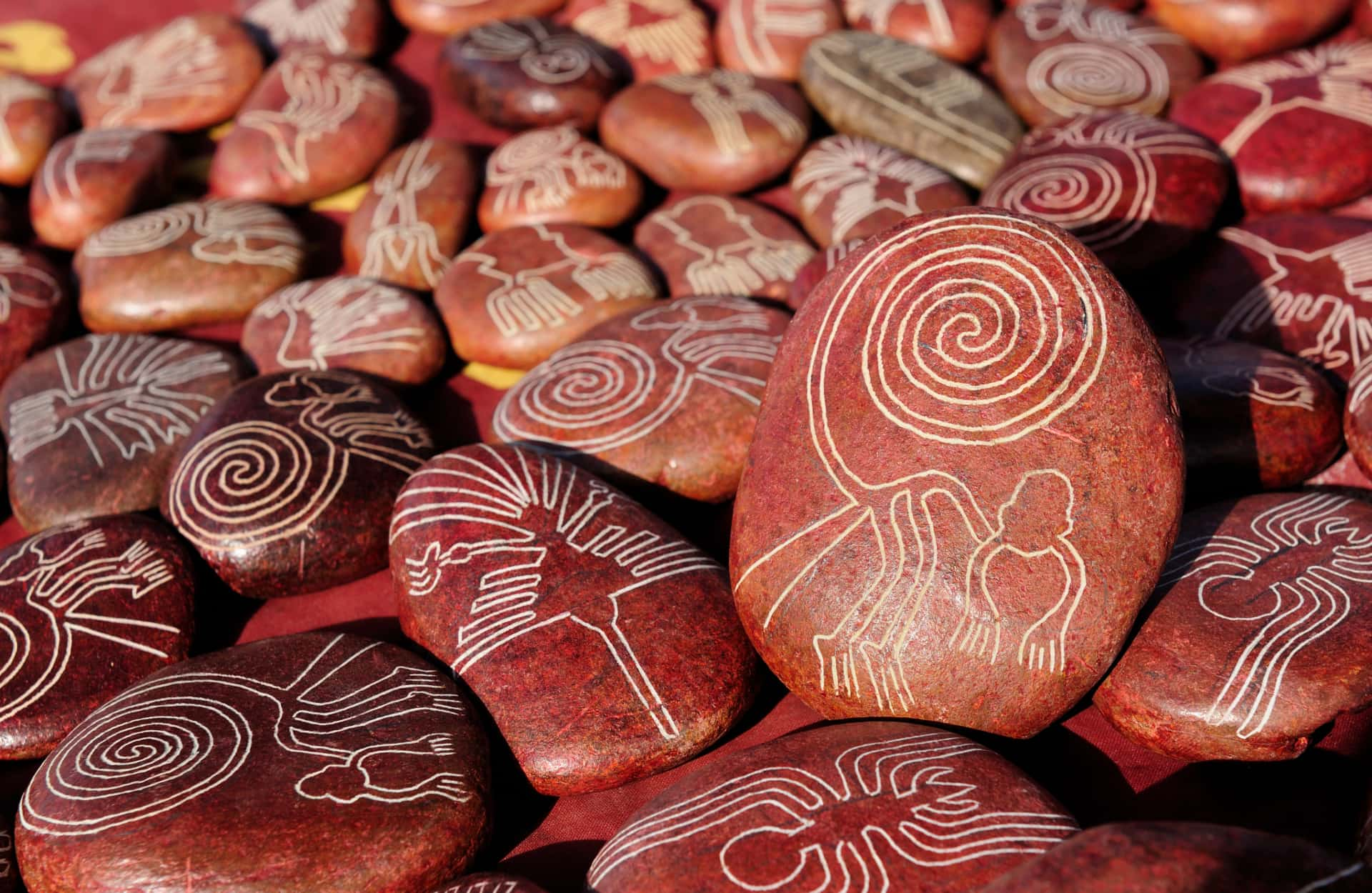
The nazca lines meaning has fascinated archaeologists, historians, and travelers for decades. Located in the arid coastal desert of southern Peru, the Nazca Lines are enormous geoglyphs created by an ancient civilization that thrived long before the Inca Empire. Their massive scale, precision, and symbolic depth continue to raise questions about their true purpose.
Understanding the nazca lines meaning requires exploring their cultural origins, religious symbolism, and the environmental challenges faced by the Nazca civilization. This article provides a complete and structured analysis of the Nazca Lines, revealing their historical importance and enduring relevance.
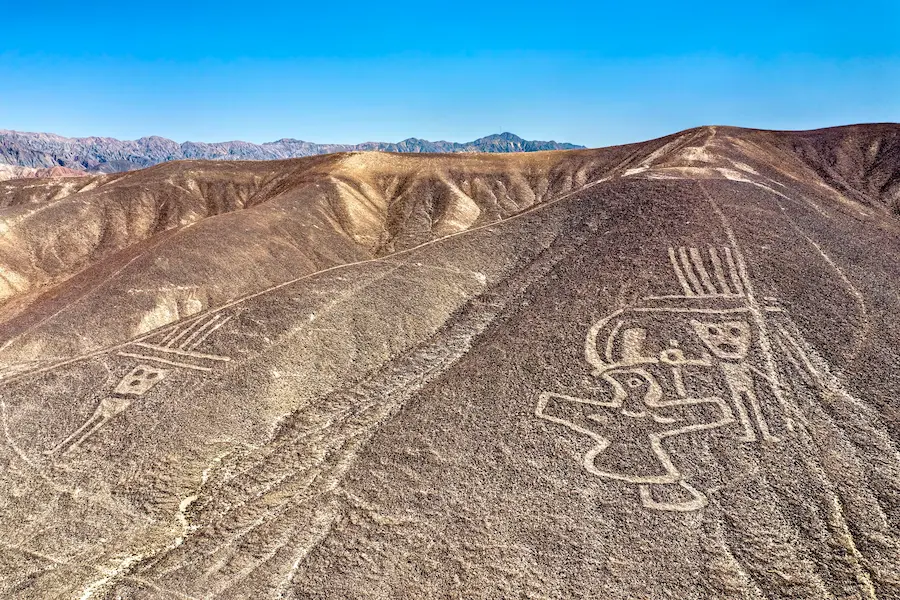
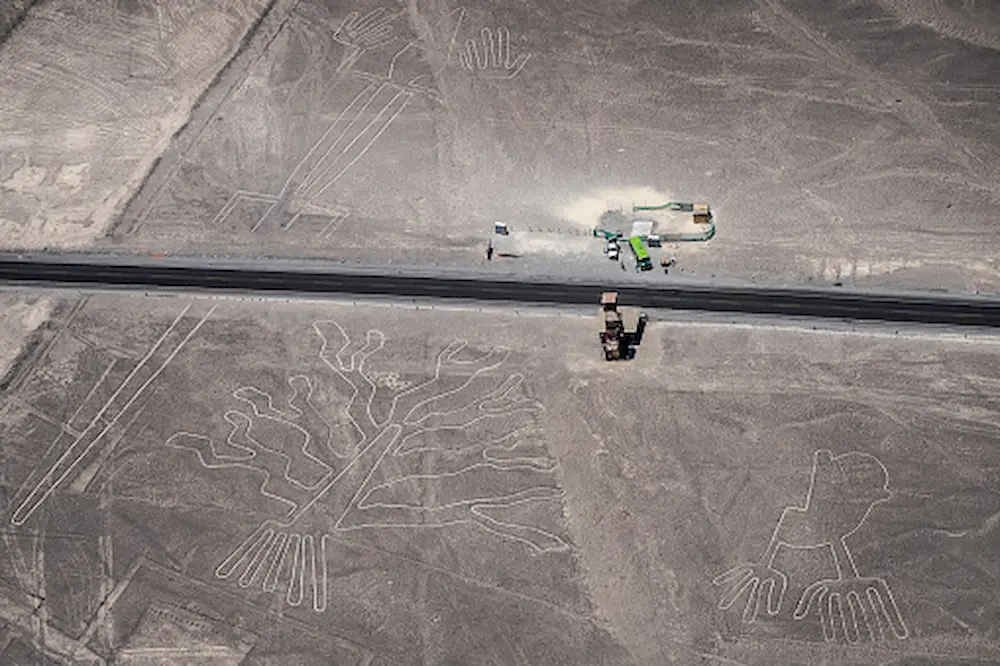
The Nazca Lines are massive geoglyphs etched into the arid desert plains of southern Peru, created by removing the dark, oxidized surface stones to reveal the lighter soil beneath. These impressive designs cover hundreds of square kilometers and include long straight lines, geometric patterns, stylized animals such as monkeys, birds, spiders, and whales, as well as plants and anthropomorphic figures. Their sheer scale and precision have made them one of the most intriguing archaeological wonders in the world.
To fully understand the Nazca Lines meaning, it is important to recognize that these figures were not randomly placed or casually drawn. On the contrary, they were intentionally designed and carefully planned, often aligned with specific directions and locations within the desert landscape. While many of the geoglyphs are best appreciated from elevated viewpoints or the air, the Nazca people likely understood how the designs interacted with surrounding hills and natural observation points. This strongly suggests that the Nazca Lines held ceremonial, symbolic, or ritual significance rather than serving as simple decorative art.
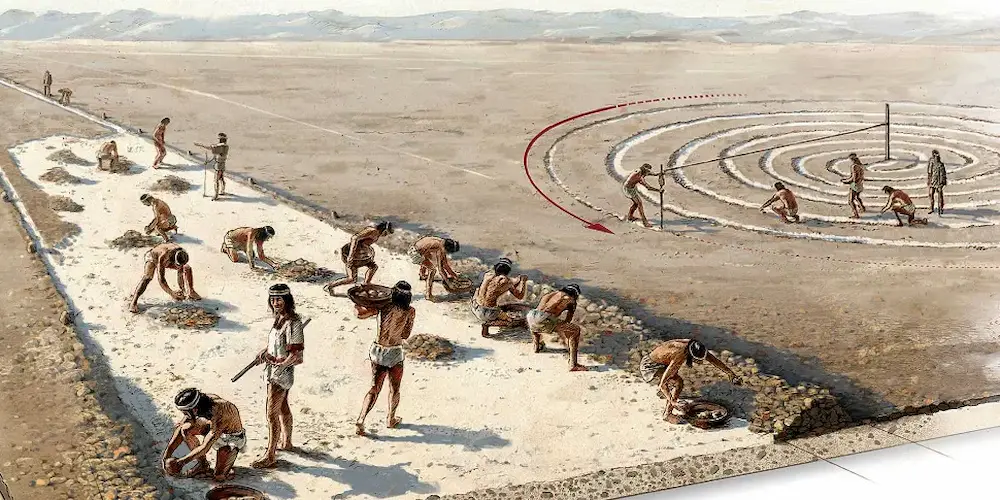
The Nazca civilization relied on remarkably simple yet effective tools to create these enormous figures with extraordinary accuracy. Archaeological evidence shows that wooden stakes were placed at key points to define angles and curves, while ropes were used to connect these points and maintain straight lines or smooth outlines. By carefully measuring distances and proportions, the Nazca people were able to scale small designs into massive geoglyphs visible across the desert.
These techniques demonstrate advanced planning skills and a deep understanding of geometry and landscape management. The durability of the Nazca Lines, preserved for centuries due to the region’s dry climate and minimal wind, further reinforces the idea that their creation was intentional and meaningful. Ultimately, the Nazca Lines meaning is rooted in human ingenuity, collective knowledge, and the cultural and spiritual worldview of the Nazca people.
South of Lima, on the coast, the region of the city of Nazca is characterized by a sandy desert that stretches for thousands of kilometers across the Peruvian coast. And as you move away from the city and you enter the dessert, you discover many gigantic and impressive geoglyphs, drawings, figures drawn on the ground that have an aura of mystery attached to them that has been almost impossible to uncover.
It's no exageration to say that the mystery behind this figures have taken lives with them to know a little bit more of their use, or reason behind their implementation.
On the dunes of this desert, one can see on the gray ground the traces of the Nazca civilization, a pre-Incan culture dating from 300 to 800 years before our era. The shapes of birds, monkeys, hummingbirds, condors, or geometric shapes such as spirals or broken lines, are up to 270m long, and seem to represent the deities of this ancient civilization. The incredible preservation of these motifs is due to the severe drought (which prevents plant growth) and the absence of wind, due to the very hot air that reigns in this desert.
There are several theories about the meaning of these strange drawings. One of the most popular is that of the German mathematician Maria Reiche, who dedicated her life's work to the study of these traces on the earth. According to her, it would be an enormous astronomical calendar, whose main lines would give the direction of the main stars or constellations.
This theory was later refuted and replaced or augmented by other research: a ritual site, a means to find water sources, a sound amplifier to predict earthquakes, or for the more eccentric, a landing strip for extraterrestrials... Experts could not agree on the origin and use of these strange shapes.
UNESCO classified this site as a World Heritage Site in 1994; and one can admire these formidable remains of the past by flying over them from small planes that transport tourists.
Maybe you've been interested in: Inca Food: Traditional Dishes and Ingredients
The Nazca civilization flourished between 200 BCE and 650 CE along the southern coast of Peru. Living in an extremely dry environment, they developed advanced irrigation systems and relied heavily on agriculture.
This historical context is fundamental to interpreting the nazca lines meaning, as water scarcity deeply influenced Nazca religious beliefs, rituals, and artistic expression.
Nazca society was organized around ceremonial centers and religious authorities. Spiritual leaders played a key role in guiding rituals intended to secure rainfall and agricultural fertility. These beliefs are directly linked to the nazca lines meaning and their ritual significance.
The Nazca civilization developed in one of the driest regions on Earth, where survival depended on the careful management of scarce natural resources. To overcome these harsh conditions, the Nazca engineered sophisticated underground aqueducts known as puquios, which allowed them to access groundwater year-round. This close relationship with the environment is essential to understanding the Nazca Lines meaning, as many researchers believe the geoglyphs were connected to rituals seeking harmony between humans, nature, and water sources.
Nazca religious beliefs were deeply intertwined with natural forces such as water, fertility, mountains, and celestial bodies. Deities associated with rain and agricultural cycles played a central role in their spiritual life. Within this worldview, the Nazca Lines meaning may be interpreted as sacred pathways, offerings to the gods, or symbolic representations of their cosmology, reinforcing the idea that the desert itself functioned as a ritual landscape.
Nazca culture is renowned for its highly detailed ceramics and textiles, which often depict the same animals, plants, and mythical beings found in the geoglyphs. This visual continuity suggests that the designs etched into the desert were an extension of broader artistic and symbolic traditions. Understanding this artistic language helps clarify the Nazca Lines meaning as part of a cohesive cultural system rather than isolated creations.
Archaeological sites such as Cahuachi reveal that the Nazca conducted large-scale ceremonies involving offerings, processions, and communal gatherings. Many scholars propose that the geoglyphs functioned as ceremonial routes connected to these centers. In this context, the Nazca Lines meaning is closely linked to ritual movement and collective religious experiences carried out across the desert landscape.
Among the hundreds of geoglyphs, animal figures such as the hummingbird, spider, monkey, condor, and whale are the most iconic. Each figure is believed to represent natural forces or spiritual concepts.
These designs are central to the nazca lines meaning, as they reflect a worldview in which animals, humans, and gods were interconnected within a sacred landscape.
The hummingbird is one of the most recognizable Nazca geoglyphs and is often associated with water, fertility, and renewal. Its presence reinforces the Nazca Lines meaning as a spiritual request for rain and agricultural abundance in an extremely arid environment.
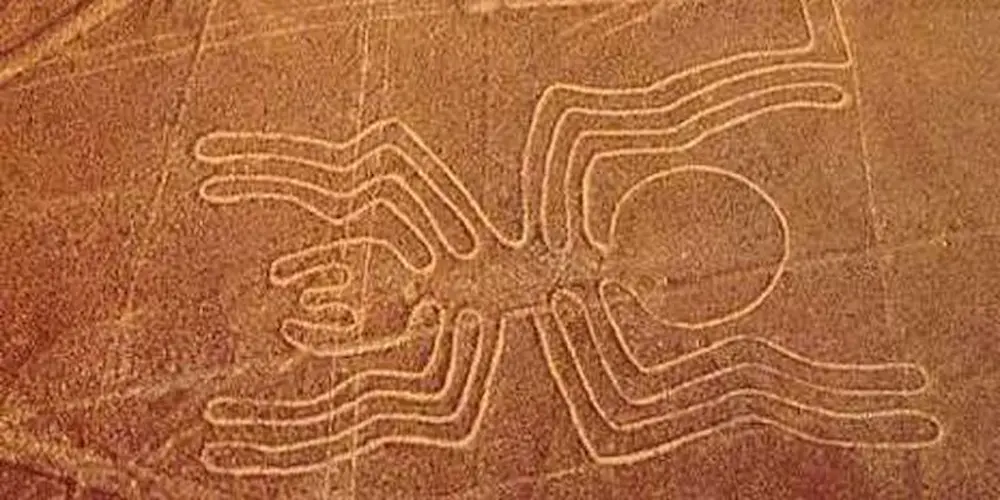
The spider figure is believed to be linked to rain cycles and fertility rituals. In Nazca mythology, spiders were associated with water and the underworld, supporting interpretations of the Nazca Lines meaning as ritual symbols connected to life-sustaining forces.
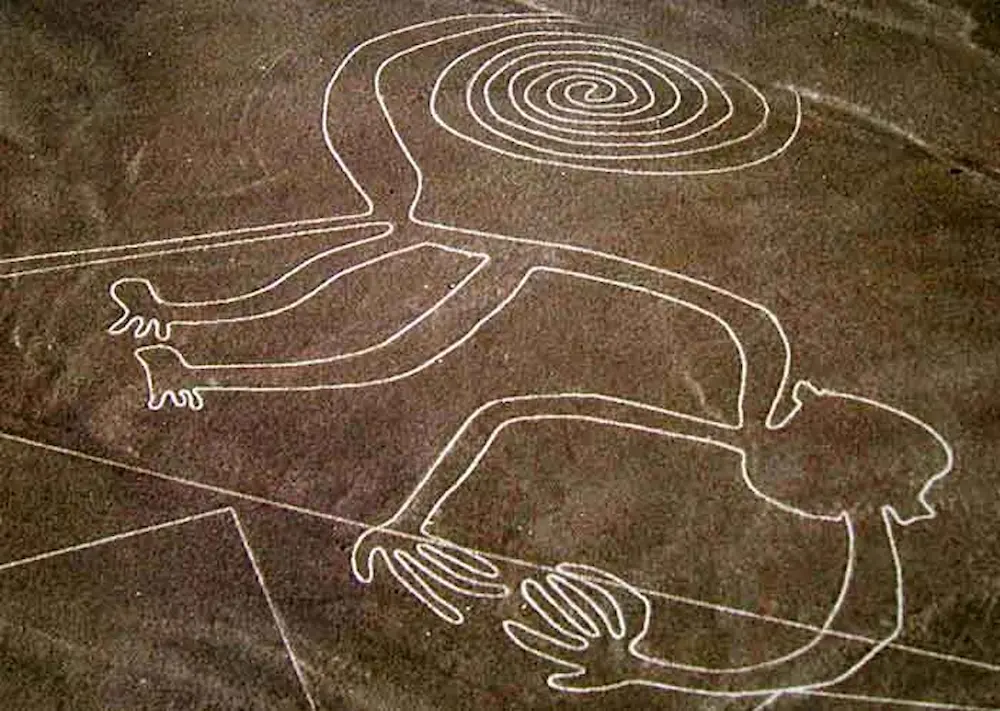
The monkey geoglyph, with its distinctive spiral tail, is thought to symbolize the distant Amazon rainforest, a land of abundance and water. This figure expands the Nazca Lines meaning beyond the desert, reflecting the Nazca people’s awareness of and connection to other ecological regions.
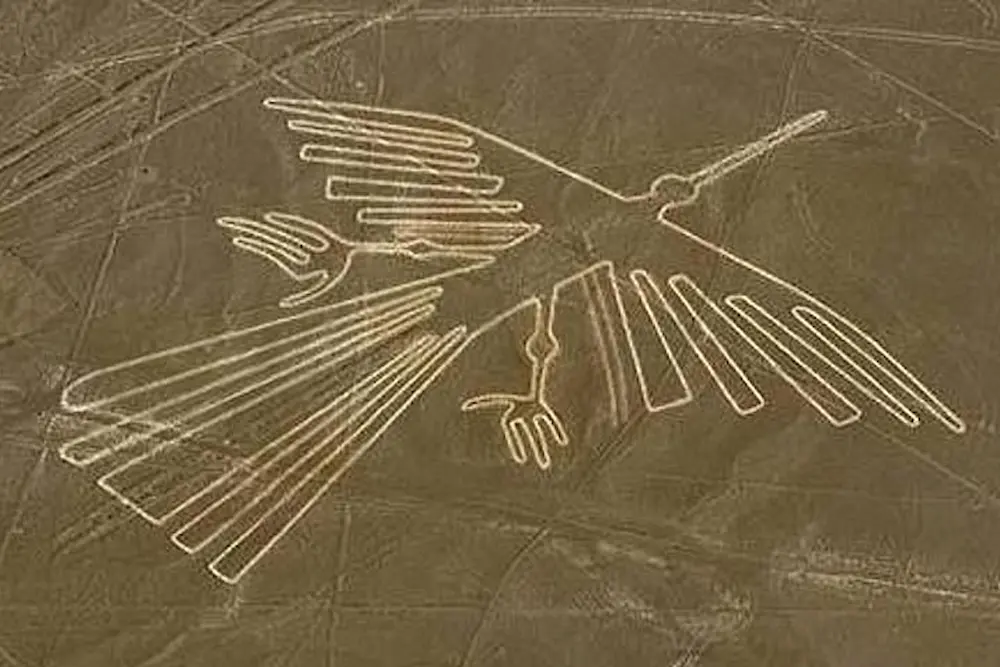
The condor, a sacred bird in Andean cosmology, represents power and communication between the earthly and spiritual realms. Its inclusion among the geoglyphs supports the Nazca Lines meaning as expressions of religious beliefs and cosmic order.
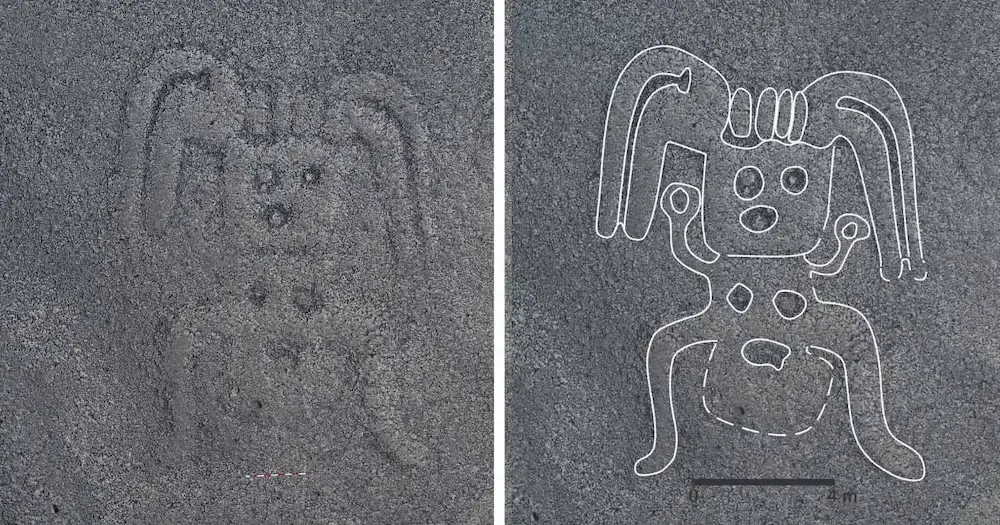
Some Nazca Lines depict humanoid or mythological characters, possibly representing deities or spiritual guardians. These figures emphasize the Nazca Lines meaning as part of a sacred narrative where humans and gods interacted through ritual and symbolism.
The enduring mystery surrounding the nazca lines meaning has led scholars to propose multiple theories. Rather than competing explanations, many of these theories complement one another.
Some researchers have identified possible alignments between certain Nazca Lines and key solar events such as solstices and equinoxes. According to this theory, the geoglyphs may have acted as a large-scale astronomical calendar, helping the Nazca people track seasonal changes critical for agriculture. While not all lines correspond clearly to celestial movements, astronomy remains an important component in interpreting the Nazca Lines meaning, particularly when considered alongside ritual and agricultural practices.
One of the most widely accepted interpretations links the geoglyphs to water-related ceremonies. In an environment where rainfall was unpredictable and water scarcity posed constant threats, rituals aimed at appeasing water deities were essential. Many scholars believe that processions along the lines or offerings made at key points were intended to invoke rain and ensure fertile harvests. This perspective places water worship at the center of the Nazca Lines meaning, reinforcing the spiritual connection between humans, nature, and survival.
Another theory suggests that the Nazca Lines functioned as sacred pathways used during religious processions. The act of walking along the lines may have been as significant as the figures themselves, transforming the desert into a ritual landscape. This interpretation emphasizes the performative aspect of the geoglyphs and supports the idea that the Nazca Lines meaning was experienced through movement, community participation, and ceremonial practice.
Some scholars propose that the geoglyphs served as offerings or messages directed toward supernatural beings. Given their immense scale and visibility from elevated terrain, the designs may have been intended for divine observation rather than human viewing. In this context, the Nazca Lines meaning reflects a symbolic dialogue between the Nazca people and their gods, expressed through art embedded in the landscape itself.
Recent technological advances have transformed the study of the Nazca Lines. Drones, satellite imagery, and artificial intelligence have revealed previously unknown geoglyphs hidden beneath the desert surface.
These discoveries continue to expand the nazca lines meaning, showing that the site still holds unanswered questions and new research opportunities.
Ongoing efforts to digitally map, document, and monitor the Nazca Lines play a crucial role in both preservation and research. Precise data collection allows archaeologists to analyze patterns, orientations, and relationships between geoglyphs more accurately. This scientific approach not only helps protect the site from environmental and human threats but also refines interpretations of the Nazca Lines meaning through evidence-based analysis.
You might also want to check out: Summer in Peru: a complete guide to traveling during the summer season
The greatest pending enigma about the Nazca Lines has to do with the purpose or reason for which they were drawn. The archaeologist Julio César Tello ventured that they were "sacred roads", while the American historian John Rowe considered them "centers of worship".
The mathematician Max Uhle, meanwhile, formulated the hypothesis that these drawings were actually a gigantic calendar, a thesis that was partially shared by the American anthropologist Paul Kosok, who proposed the theory that the Nazca Lines, "the largest scale calendar in the world", according to his own words, were calendrical and astronomical signs.
According to Kosok and his disciple, the German mathematician María Reiche, the purpose of the Nazca Lines was to point to the sun and celestial bodies on the distant horizon. The lines, according to these scholars, would mark points related to the solstice and equinox, so they would have served as a measuring instrument to establish a solar calendar. However, many years later, Gerald Hawkins, an astronomy specialist, would cast doubt on this theory by not finding an adequate correlation between the geometries of the lines and the position of the stars.