Image
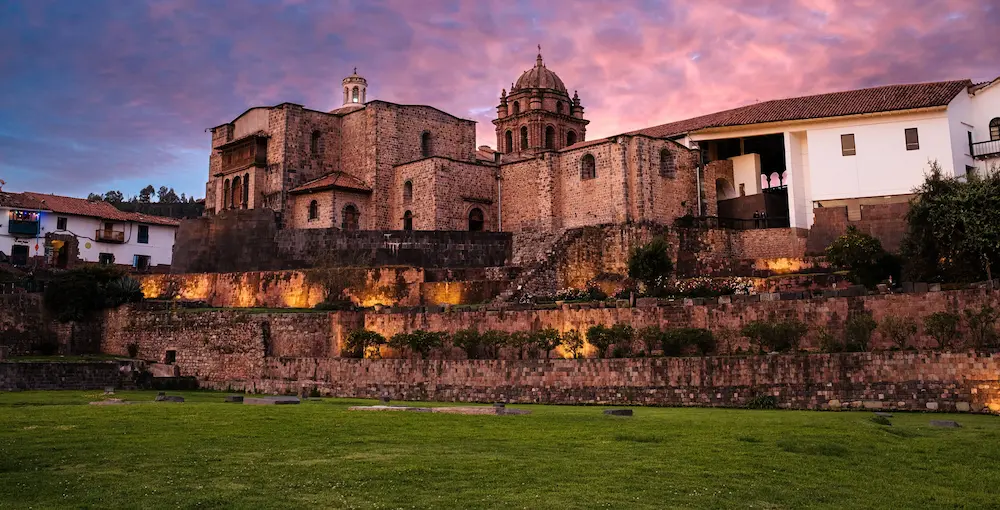
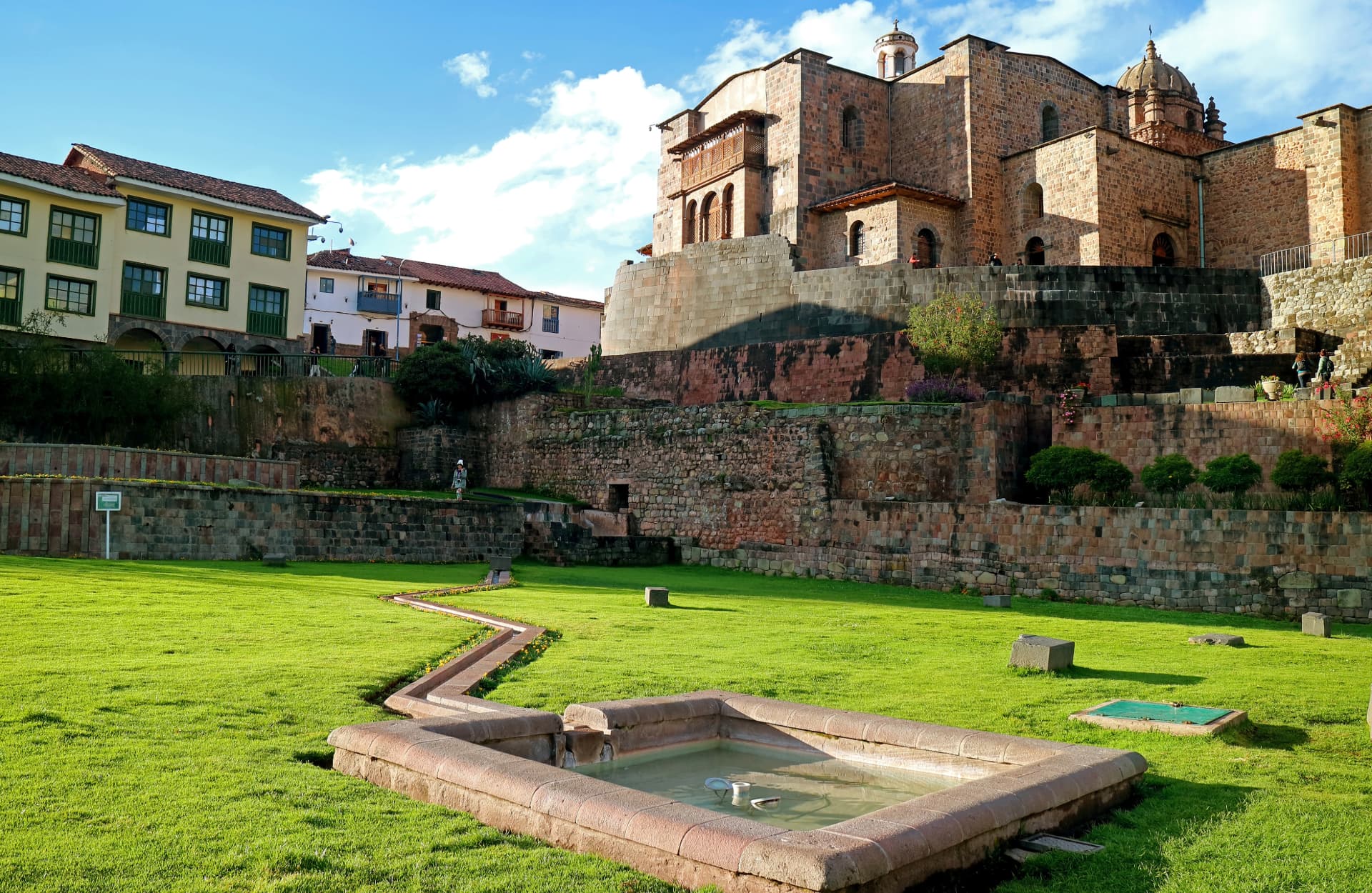
The most important places to visit in Cusco are many, but one of them is Qorikancha, very close to the center, where you will find the Inca ruins that form the base of the church and convent of Santo Domingo. These ruins were once part of the richest temple in the entire Inca Empire. Today, only the expertly crafted stone masonry remains from the temple originally built in the mid-15th century during the rule of the tenth Inca leader, Túpac Yupanqui. After the Spanish invasion, Francisco Pizarro gave this site to his brother Juan, who then donated it to the Dominican order that still owns and maintains his remains today.
To start, you can see the incredibly well-built stone foundations and walls from the original Inca temple complex. These was literally covered with gold and despite being over 500 years old, exploring these ruins allows you to appreciate the grandeur of the greatest monuments of the mighty Inca civilization before the arrival of the Spanish.
Several important religious rites took place within its walls. It is said that the mummified bodies of former Inca rulers were kept here, brought out daily into the sunlight and presented with food and drink offerings that were later ritually burned. This site also functioned as an observatory, where high priests closely monitored celestial movements and activities. Much of these ancient practices have been lost to time. However, the remaining stonework is considered among the finest examples of Inca masonry in all of Peru.
You'll be able to marvel at the famous curved stone wall that measures over 20 feet tall from both inside and outside the ruins. This extraordinary piece of precision stonemasonry has withstood the many earthquakes that have devastated most colonial buildings in Cusco over the centuries. The original temples and ceremonial spaces no longer remain, exploring Qorikancha allows you to appreciate the incredible stone-cutting abilities of the Incas.
The Qorikancha, whose name in Quechua means “Golden Enclosure,” was considered the most sacred and prestigious temple of the entire Inca Empire. It served not only as a ceremonial center but also as the spiritual and administrative heart of the Tahuantinsuyo. Within its walls, priests, astronomers, and nobility gathered to perform essential rituals, observe celestial events, and make decisions that shaped the empire. Its importance also lies in the fact that Cusco, as the capital, revolved around the Qorikancha, making it the epicenter of Andean religion and political power. Even today, its remains reflect the Incas’ refined engineering and deep spiritual worldview.
One of the most significant leaders of the empire, Inca Pachacútec, is credited with building or expanding the Qorikancha temple. During his reign, he reorganized Cusco and initiated monumental projects that redefined the city’s urban and spiritual landscape. The Qorikancha was more than a temple; it was the focal point of the ceques system—a network of imaginary lines connecting more than 300 sacred huacas across the region. This system helped structure religious, political, and agricultural activities throughout the empire. Pachacútec’s vision turned the Qorikancha into a sophisticated complex that reflected the power, organization, and cosmology of the Incas.
The Qorikancha temple was revered by the Incas as a site connected to the Sun, Moon, stars, and other celestial bodies. It housed temples dedicated to Inti (the Sun), Quilla (the Moon), Illapa (the lightning deity), and the Venus star, among others. The walls, once covered with gold sheets, symbolized the divine radiance of Inti, whose light sustained life. Gold, considered “the sweat of the Sun,” was used not as ornament but as a sacred material that complemented religious ceremonies and astronomical observations. The temple’s design also aligned with solstices and equinoxes, demonstrating the Incas’ advanced understanding of astronomy and its role in agriculture and spirituality.
When the Spanish arrived in the sixteenth century, the Qorikancha temple underwent dramatic transformations. The gold that covered its walls was stripped, its sacred spaces were dismantled, and a new religious building—the Convent of Santo Domingo—was constructed on top of the original foundations. This symbolic act represented the imposition of colonial power, but it also set the stage for the architectural fusion that defines Cusco today. Despite these changes, the Inca stone walls endured earthquakes that destroyed many colonial structures, proving their remarkable engineering. Today, the site stands as a powerful visual narrative of cultural coexistence, resilience, and the blending of Inca and Spanish histories.
The Qorikancha temple represents a blend of Inca architectural brilliance and the impact of Spanish colonization. Its walls showcase the Incas' advanced stonework while also narrating the changes brought by the Spanish, who transformed Cusco's urban landscape through their architectural and religious impositions, resulting in a unique fusion of indigenous and colonial cultures.
The Incas made use of extremely precisely carved stones. They fused them together without the use of mortar, resulting in a perfect fit that prevents even a piece of paper from slipping between the stones. This method made the walls incredibly earthquake-resistant, which explains why many colonial buildings collapsed during seismic events, but Inca structures have survived.
Enclosures honoring various gods and natural phenomena were located within the Qorikancha temple. This location was used for astronomical rites, ceremonies of gratitude, and significant events like Inti Raymi. Because religion and the Inca ruler's authority were closely linked, the temple also played a political role.
The Qorikancha's sturdy and intricate architecture impressed the Spanish during the conquest. The church and convent that are now a part of the complex were constructed using its foundations. In addition to destroying a portion of the Inca legacy, this process was an attempt to supplant Andean spirituality with Catholicism.
You might also want to check out: The Inca Culture History
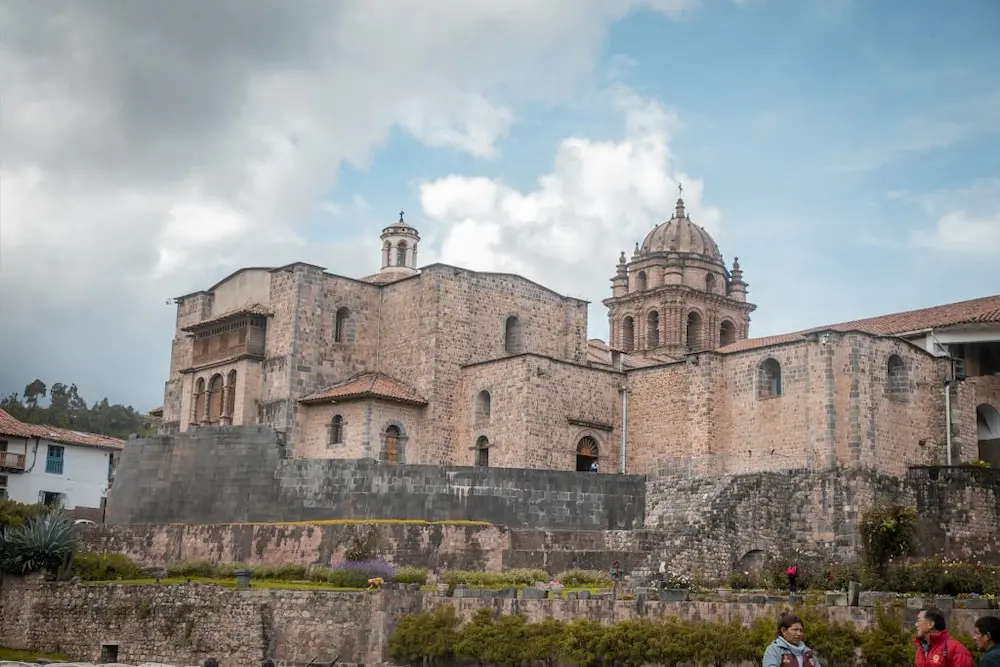
The Qorikancha temple is remarkable for its unique architectural synthesis, where Inca and colonial styles intertwine. This striking juxtaposition not only highlights the ingenuity of Inca stonework but also reflects the Spanish influence that reshaped the temple's original design. The Inca walls showcase remarkable masonry with precise stone fitting, complemented by colonial elements. This blend reflects Cusco's rich heritage and the dialogue between two cultures, illustrating the resilience of the Inca legacy amid colonization.
The Inca walls are celebrated for their innovative design, characterized by a unique inclination and trapezoidal shape that help absorb seismic energy during earthquakes. Their exceptional craftsmanship features expertly carved stones that fit together seamlessly, enhancing both beauty and stability. This remarkable engineering reflects the Inca civilization's advanced skills, enabling their structures to endure the passage of time and natural disasters.
Additionally, the Qorikancha temple served as an observatory. The Incas were able to forecast solar movements, agricultural seasons, and ceremonial dates by aligning certain windows and walls with solstices and equinoxes. This shows how well-versed in astronomy they are.
The main enclosures: temples of the sun, moon, stars, and rainbow
Every enclosure served a particular function:
Temple of the Sun: the most important, covered in gold and dedicated to Inti.
As you enter the Qorikancha complex, you'll find yourself in a central courtyard area. The octagonal stone basin in the middle was once completely covered in 55kg of solid gold; on either side of the courtyard are the remains of the main ceremonial chambers. The largest one to the right was possibly dedicated to worship of the moon and stars, its interior walls once sheathed in sheets of pure silver. The walls here taper inwards slightly as they rise, exhibiting the distinctive trapezoidal shape that is a hallmark of Inca architecture. The precisely cut and fitted stone blocks make it almost impossible to discern where one block ends and the next begins.
Across the courtyard are smaller chambers that were shrines to deities like thunder and rainbows. In the walls of this section, you'll notice three holes that some scholars believe were drainage channels for liquids used in rituals like blood sacrifices or offerings of chicha (a fermented corn beverage). Others hypothesize they may have been acoustic tubes to project sounds from inside the temple to the outside.
Another intriguing feature is the carefully cobbled stone floor made from river pebbles in front of these shrines – an original Inca surface that has remained intact for centuries.
A tip, as you explore, imagine the sight of the entire complex covered in gold and silver, reflecting the sun's rays. Let the amazing stonework and remaining relics transport you back to when Qorikancha hosted the most sacred rituals and ceremonies of the Inca Empire.
The least important thing is to see the paintings from the colonial era that adorn the walls. These depict scenes from the life of St. Dominic, the namesake of the Dominican religious order that took over this site after the Spanish invasion.
The Qorikancha temple stands out as a premier destination in Cusco, attracting numerous visitors each year; therefore, taking the time to plan your visit can significantly enhance your experience, allowing you to appreciate its historical and cultural significance more deeply.
The Plaza de Armas, a vibrant hub of activity, is conveniently located just a brief walk from the complex on El Sol Avenue. This central position makes it particularly accessible for those already exploring the historic center of Cusco. Visitors can easily navigate their way to the plaza without the need for additional transportation, allowing them to immerse themselves in the rich cultural atmosphere of the area. The proximity to such a significant landmark enhances the overall experience, as guests can enjoy the stunning architecture, lively markets, and local eateries that surround the plaza, all within a leisurely stroll.
The Qorikancha temple typically opens from 9:00 a.m. to 5:00 p.m., although hours may vary on holidays or during high season. The entrance fee is affordable and can be purchased at the ticket counter.
Recommended items:
To minimize encounters with large crowds, consider visiting during the early morning hours or close to the time of closing. It's important to note that weekends tend to attract more visitors, making a visit on a weekday the perfect choice for those seeking a more tranquil experience.
You might also want to check out: Best restaurants in Cusco | Top 20
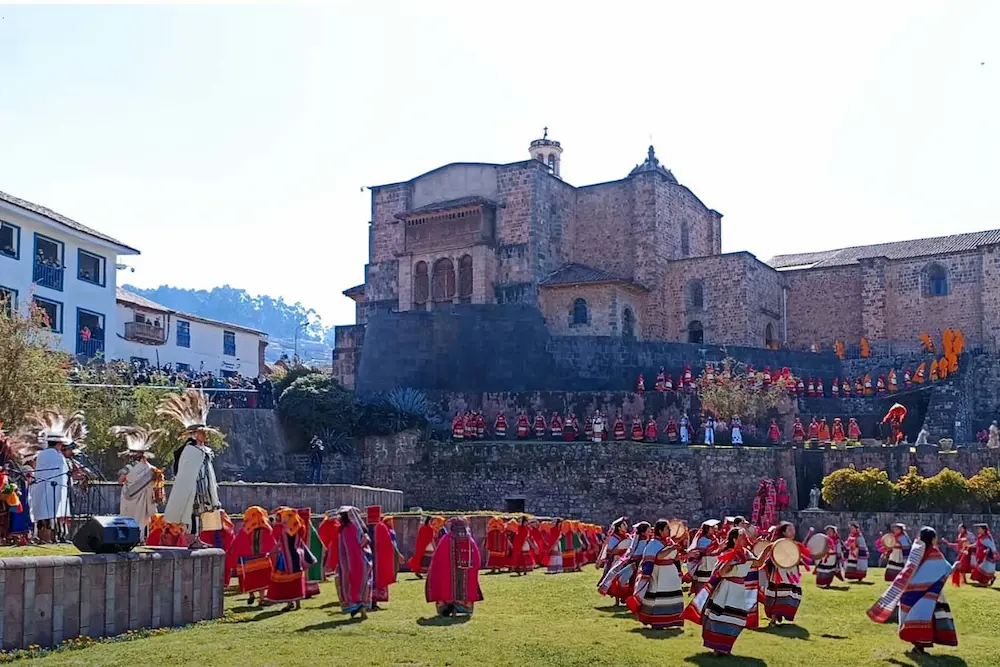
Beyond exploring the Inca structures and the convent, numerous captivating activities are available to enrich your experience.
Guided tours provide in-depth insights into each room, showcasing the architectural progression and the rich Andean perspective. This option is ideal for those who wish to gain a comprehensive understanding of every aspect.
The primary courtyard and the observation point that overlooks the archaeological site provide exceptional opportunities for photography, capturing the essence of this historic location. The striking contrast between the intricate Inca stonework and the elegant colonial architecture creates a visual narrative that tells the story of Cusco's rich cultural heritage. This juxtaposition not only highlights the architectural prowess of both civilizations but also serves as a reminder of the city's layered history, making it a must-visit for photography enthusiasts and history buffs alike.
The Qorikancha temple is home to a variety of galleries, models, and exhibitions that delve into the rich tapestry of Inca culture and the complexities of colonial history. These displays are thoughtfully curated and updated regularly, ensuring that each visit offers new insights and a unique experience for guests. Visitors can explore artifacts, interactive installations, and informative panels that illuminate the significance of the temple in both historical and cultural contexts.
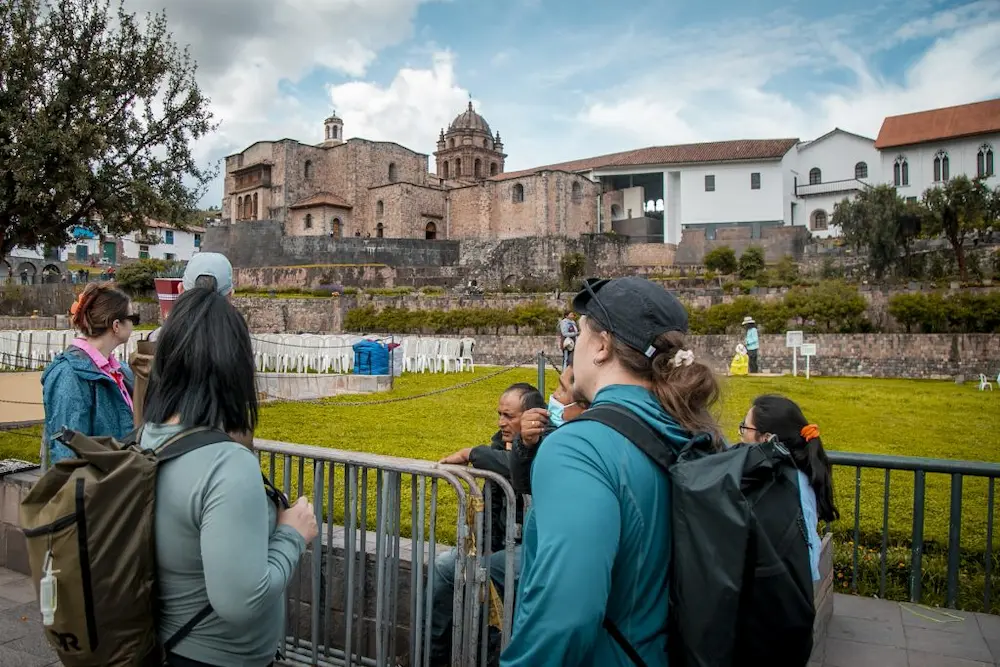
The Qorikancha is already famous for being the most important temple of the Inca Empire, but beyond its known history, this sacred site hides surprising details that most travelers never hear about. From architectural secrets to spiritual symbolism and puzzling colonial transformations, these lesser-known facts reveal just how extraordinary this temple truly was—and still is today.
Large sheets of gold were used to cover the temple walls, according to chroniclers. This gold was taken away and melted down after the Spanish arrived, causing the Andean region to suffer a significant cultural loss.
More than 300 sacred sites, or "huacas," were connected by 41 fictitious lines known as ceques that originated from this location. As a result, the Qorikancha became Cusco's spiritual center.
New walls, channels, and structures found during recent excavations have revealed the complex's original size, much of which is still buried or beneath later constructions.
Finally, you will see the meaning of the garden that you saw at the beginning, the gardens or patio of the Qorikancha, this area once served as a sacred courtyard where the Inca people would present their lavish golden offerings during important rituals and ceremonies. Imagine this space completely filled with glittering piles of gold objects and materials given as tributes to the Inca deities worshipped here. The Qorikancha tour will be the starting point of your adventures in Cusco. Kenko Adventures is your best option.