Image
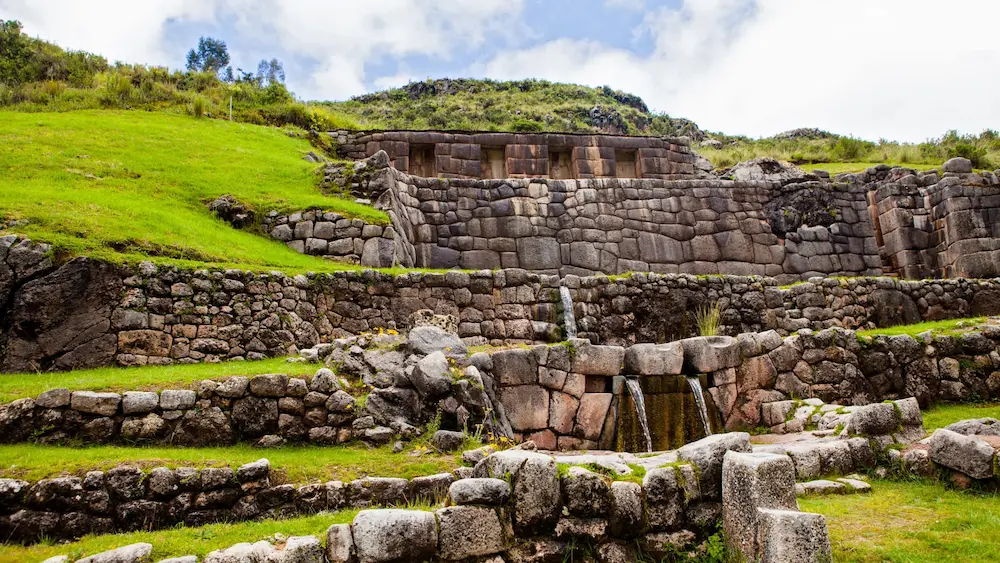
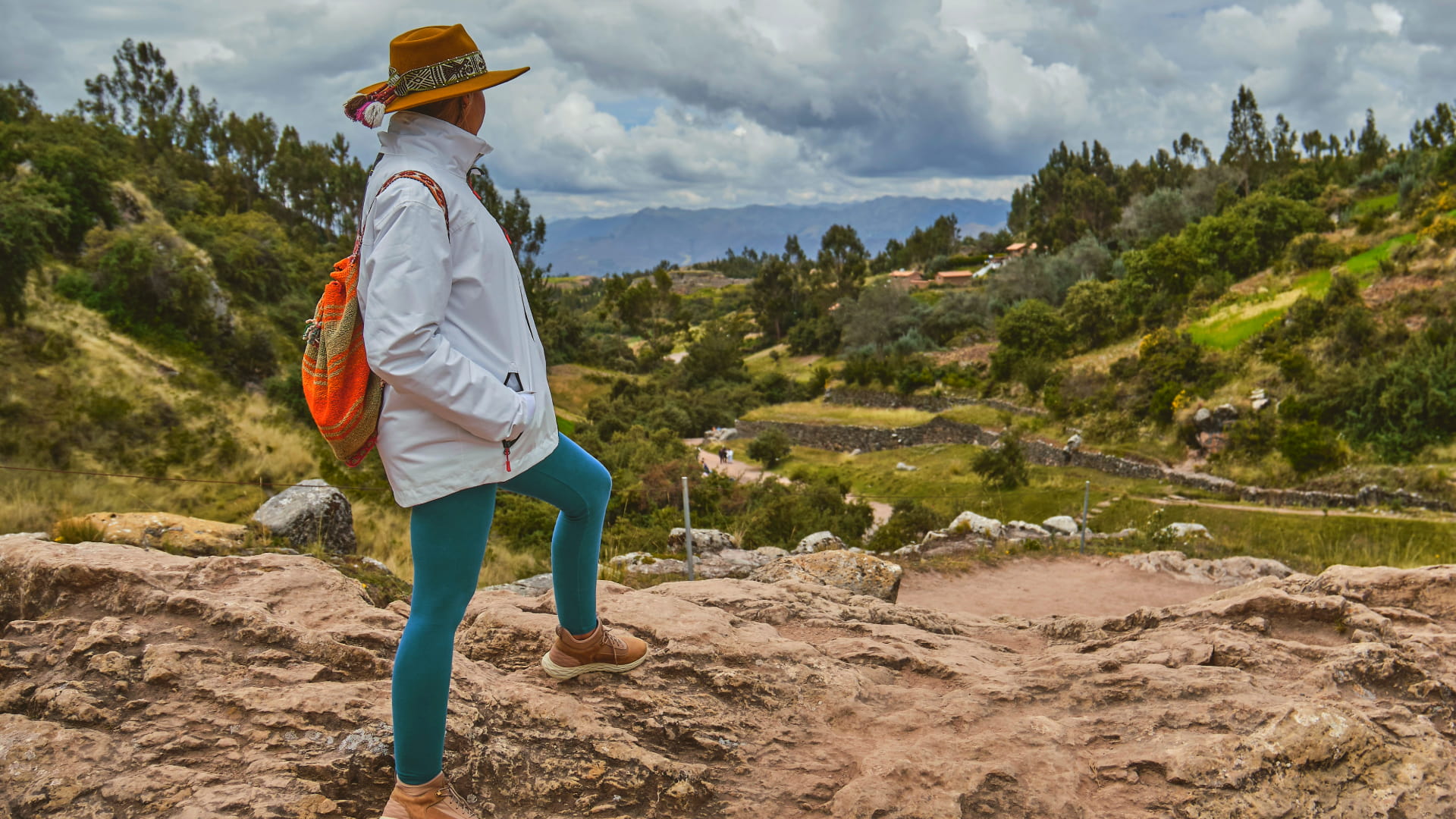
Tambomachay, located just a few kilometers from the city of Cusco, is an archaeological site that holds the mysticism and grandeur of the Inca civilization. Considered a ceremonial center for water worship, this complex is famous for its aqueducts, channels, and fountains that continue to function even after centuries. Tambomachay, one of Cusco's most enigmatic archaeological complexes, is a must-see site for travelers who want to understand the Incas' spiritual connection to water and the natural world. Tambomachay, also known as "The Bath of the Incas," is renowned for its deep ceremonial significance, strategic location, and superb hydraulic engineering. It is a part of the main archaeological circuit near the city, along with Sacsayhuamán, Qenqo, and Puka Pukara.
Over time, Tambomachay has become a historical and tourist destination due to its elaborate architecture, ceremonial purpose, and surrounding natural setting. Exploring this site can teach visitors about the Andean worldview and the sacred role of water as a symbol of life and spiritual renewal.
Tambomachay is an Inca archaeological site on the way to the Sacred Valley, about 8 kilometers from Cusco. Its primary purpose was connected to ceremonies pertaining to nature, water rituals, and rest for the Inca nobility. Aqueducts, canals, intricately carved walls, and water fountains that have been in use for centuries make up the complex.
Tambomachay is derived from the Quechua words "Tampu," which means resting place or lodging, and "Machay," which means sacred cave or shrine. "Sacred resting place" is the most widely used translation. According to some interpretations, it also functioned as a place of temporary lodging or ritual for prominent members of the empire.
The idea that the location served ceremonial, spiritual, and potentially political purposes is supported by its name.
Tambomachay is located in the upper region of Cusco at an elevation of 3,700 meters above sea level. Given its close proximity to other archaeological complexes, it was likely a part of a significant military and ceremonial corridor. Mountains, Andean vegetation, and a cool climate all contribute to the area's ethereal ambience.
Tambomachay is regarded as one of the principal water-related temples. In Inca culture, water symbolized life, fertility and purification. As a result, these fountains were more than just hydraulic constructions; they were associated with religious rituals and perhaps the worship of earth or water deities.
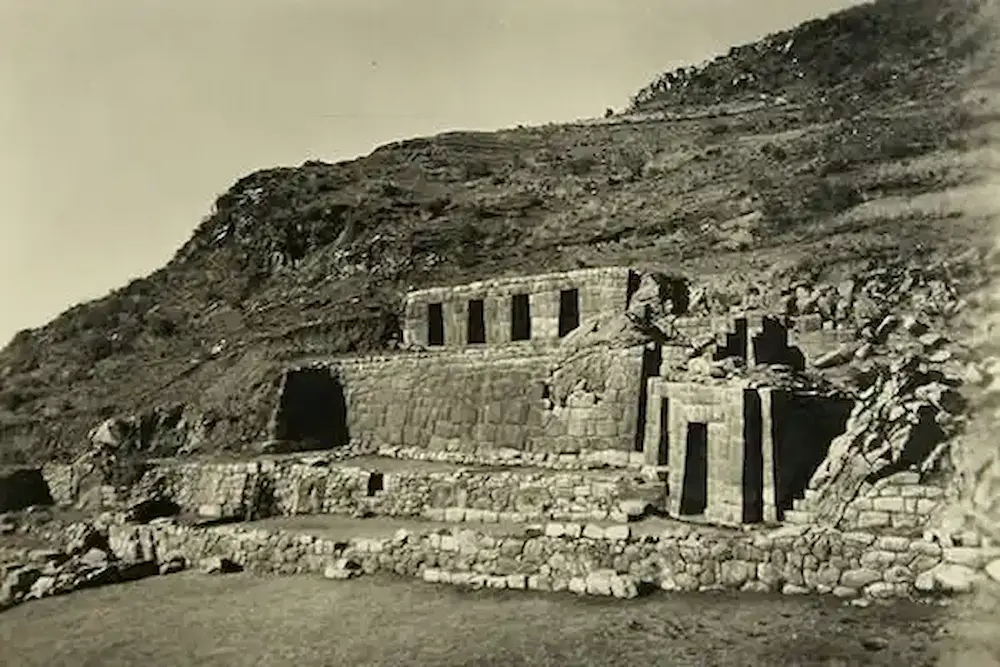
Tambomachay is thought to have been constructed during the height of the Inca Empire, most likely under Pachacutec's rule, despite the lack of precise construction records. Its intricate layout, exquisitely carved stonework, and exact canal systems imply that it was only accessible to notable individuals, possibly even the Inca himself.
Tambomachay, according to researchers, was one of several buildings that the Incas used for ceremonial or military purposes. The precise masonry and mortarless construction of the stone walls exhibit the imperial architectural style that is characteristic of regions with significant social and religious significance.
Theories suggest the site served as:
Platforms and channels suggest that significant rites were carried out here in front of priests and Inca aristocracy.
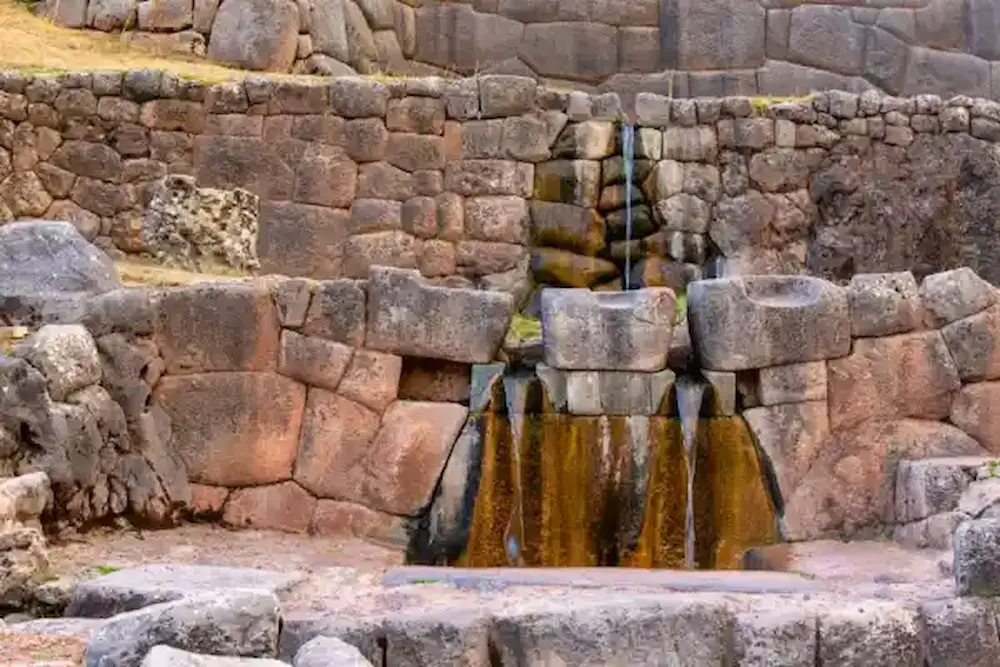
In Tambomachay, water was a sacred symbol as well as a natural resource. The location was used by the Inca nobility for offerings, rituals of renewal, and spiritual communication with Pachamama. This provides compelling evidence that the location was a temple devoted to sacred rituals rather than a typical bath.
One of Tambomachay's primary features is its architecture. Visitors are impressed by the site's flawless design and hydraulic system, which continues to operate after over 500 years.
The network of surface and subterranean channels at Tambomachay is the most obvious example of Inca engineering. Feed by naturally occurring springs that have never dried up, water flows symmetrically and continuously through its main fountains.
Water can pass through two parallel channels that are perfectly balanced thanks to the design.
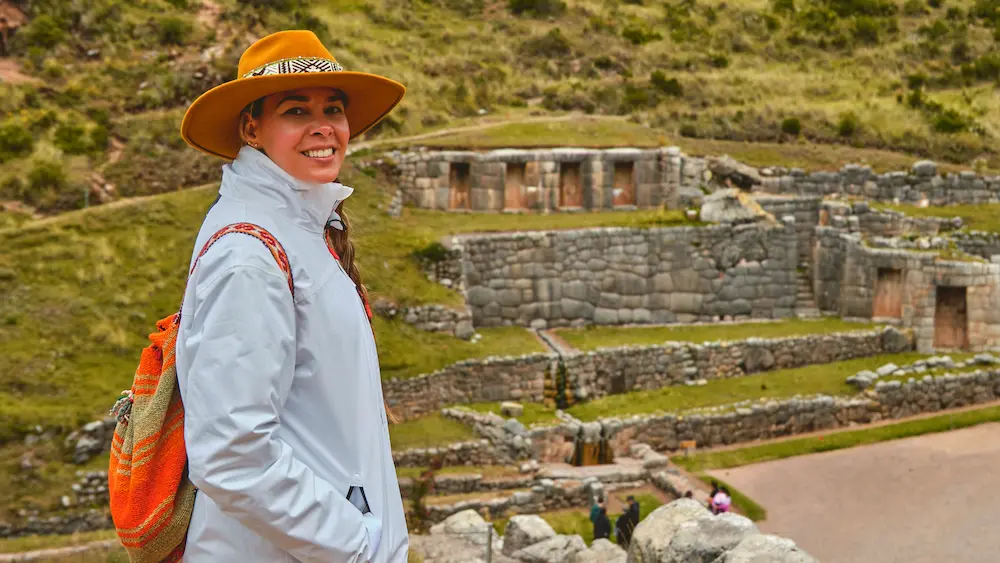
The stones were expertly fitted and shaped with the accuracy typical of Inca imperial architecture. The walls have withstood centuries of intense rainfall, earthquakes, and natural erosion without the use of mortar.
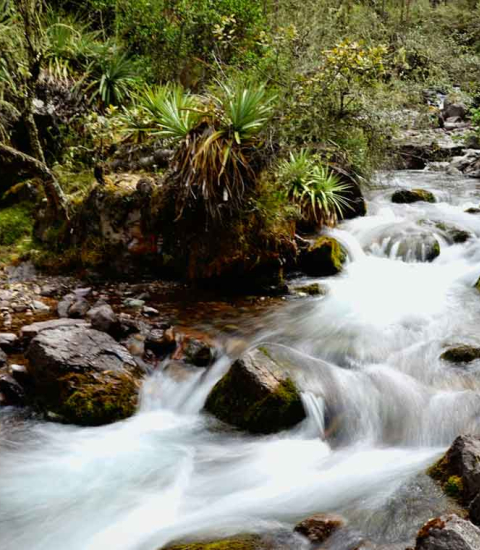
Water is drawn from nearby mountains' natural springs. It shows the remarkable hydraulic engineering of the Incas by emerging clean and steady in the main fountains through an internal network of secret channels.
You might also want to check out: 20 fascinating facts about Inca Culture
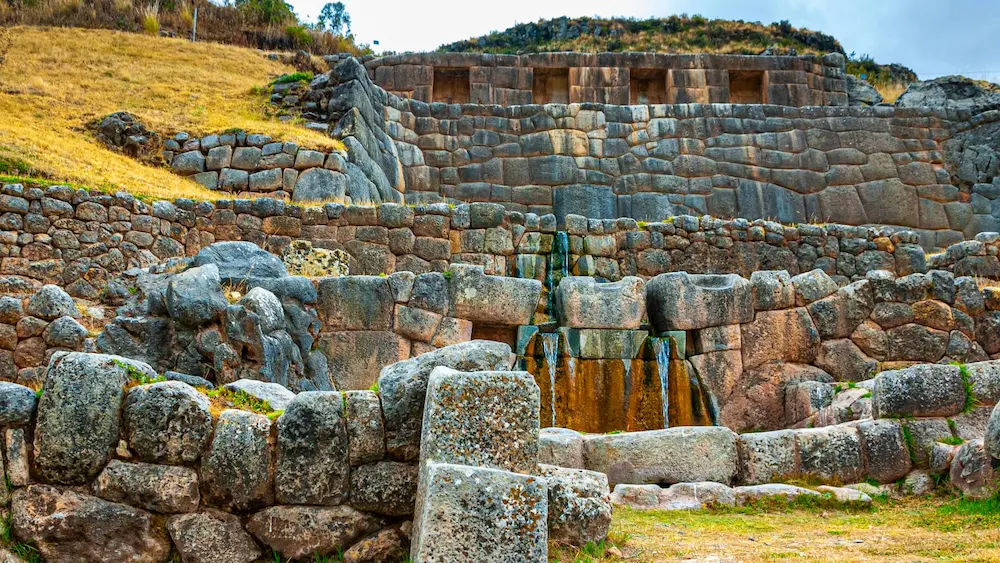
Water was seen as a vital life force in the Andean worldview, revered by the Incas as a source of nourishment and spiritual energy. At Tambomachay, they performed rituals and prayers to harmonize with nature, improve agricultural fertility, and seek spiritual cleansing. This sacred site symbolized their connection to the divine and the essential balance of life.
Water represented life, continuity, energy, and a relationship with the gods for the Incas. Water-related rituals were essential to the agricultural calendar, particularly during the planting and harvest seasons.
At Tambomachay's fountains, priests conducted ceremonies of gratitude, ritual baths, and offerings. According to some theories, the location was utilized for leader purification and initiation ceremonies.
The esteemed status of Tambomachay as a sacred, lively, and remarkably tranquil site can be attributed to the meticulous precision of its architectural design, the exceptional purity and clarity of its water, and the harmonious integration of its natural environment, all of which contribute to an atmosphere of spiritual significance and peace.
Although the visit might be brief, it presents an intricate blend of breathtaking views and profound historical importance that enchants every visitor, inviting them to delve deeper into the rich cultural heritage and architectural marvels of the site.
The focal point of the site is these fountains. The Inca engineering prowess is evident in the symmetrical and uninterrupted water flow.
The intricate stonework adorning the upper and lateral walls serves as a testament to the site's profound ceremonial importance, reflecting the artistry and cultural values of its creators.
The region offers a perfect setting for relaxation and photography, thanks to its breathtaking Andean landscape, stunning mountain vistas, and the refreshing purity of the air, which together create an inviting atmosphere for visitors to immerse themselves in nature's beauty.
You might also want to check out: What were the incas known for?
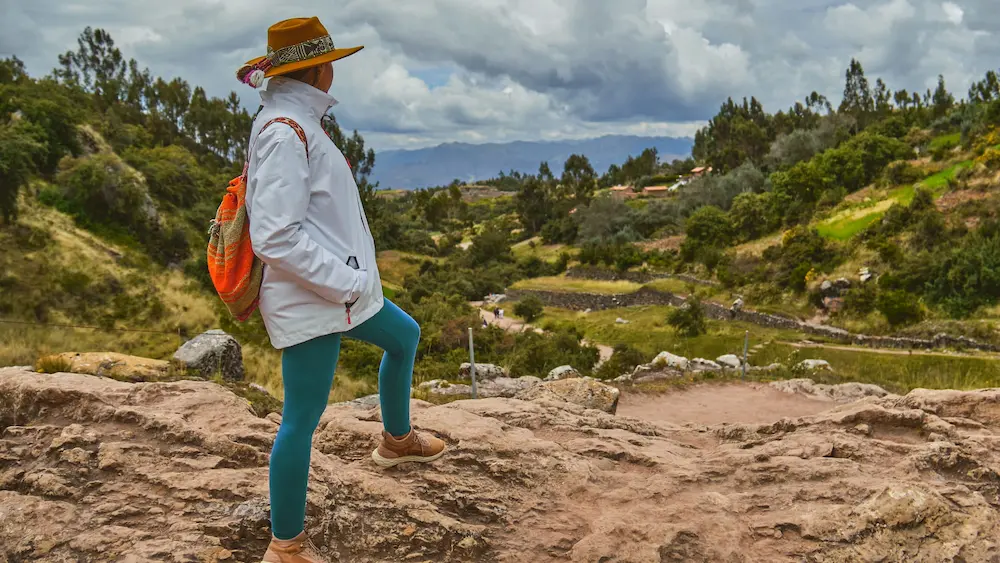
Situated merely a few kilometers from the historic city of Cusco, Tambomachay offers convenient access for travelers eager to delve into this extraordinary archaeological site, renowned for its stunning water features and intricate stonework that reflect the ingenuity of Inca engineering.
The "short Inca trail" serves as a vital connection between several significant archaeological sites, providing visitors with multiple transportation options, including bus, taxi, or walking, allowing for a flexible and immersive experience as they explore the rich history and stunning landscapes of the region.
The name Tambomachay comes from Quechua and means “place of rest.” According to history, it is believed to have been a site dedicated to water worship and an exclusive space for the Inca ruler and his closest circle. The structures are built using Inca stonemasonry techniques, where the stones fit perfectly without the need for mortar, showcasing the high level of engineering achieved by this civilization.
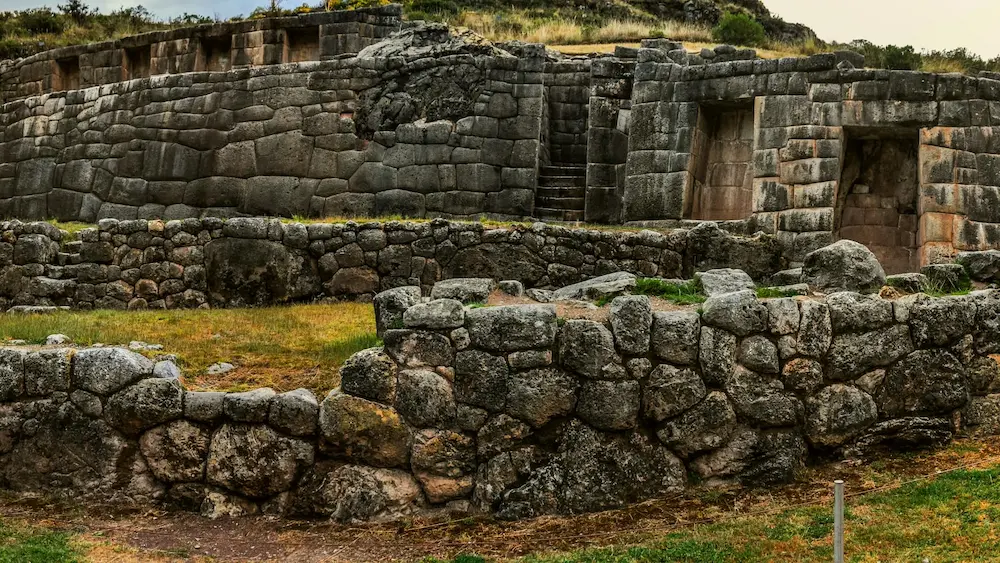
Tambomachay was built by the Incas, probably during the reign of Inca Pachacútec (1438-1471). For this vast empire, water was a sacred element, representing life, fertility, and the connection with their deities. Tambomachay not only served as a center for water worship but may also have functioned as an astronomical observatory. Some theories suggest that its structures are aligned with solar and lunar events, reinforcing the connection between humans and nature.
Situated in the midst of nature, surrounded by mountains and forests, Tambomachay serves as a refuge of peace and energy. Upon arriving at this archaeological complex, it is easy to step back in time and imagine the Inca rulers and their entourage resting here after long journeys or performing ceremonies dedicated to water and Pachamama.
If you decide to visit Tambomachay, the experience will be unique-you will have the chance to merge history, nature, and spirituality into one adventure.
Arriving early gives you the chance to enjoy the location in a more peaceful setting because there are usually fewer visitors, making it possible to get up close and personal with the surroundings. The morning light also highlights the intricate details of the architecture and the beauty of the landscape, making it a perfect time for contemplation and photography.
To visit Tambomachay, visitors must possess the Cusco Tourist Ticket, which can be either the “Circuit 1” option that covers several key sites or the comprehensive full ticket that grants access to all attractions included in the Cusco Tourist circuit.
The period between 8:00 a.m. and 10:00 a.m. generally sees the fewest visitors, providing a serene atmosphere that allows for a more contemplative and enjoyable experience of the site.
The dry season, spanning from April to October, is characterized by optimal weather conditions and excellent visibility, making it the ideal time for visitors to fully appreciate the stunning landscapes and intricate details of the site.
You might also want to check out: The best snacks while hiking in Peru
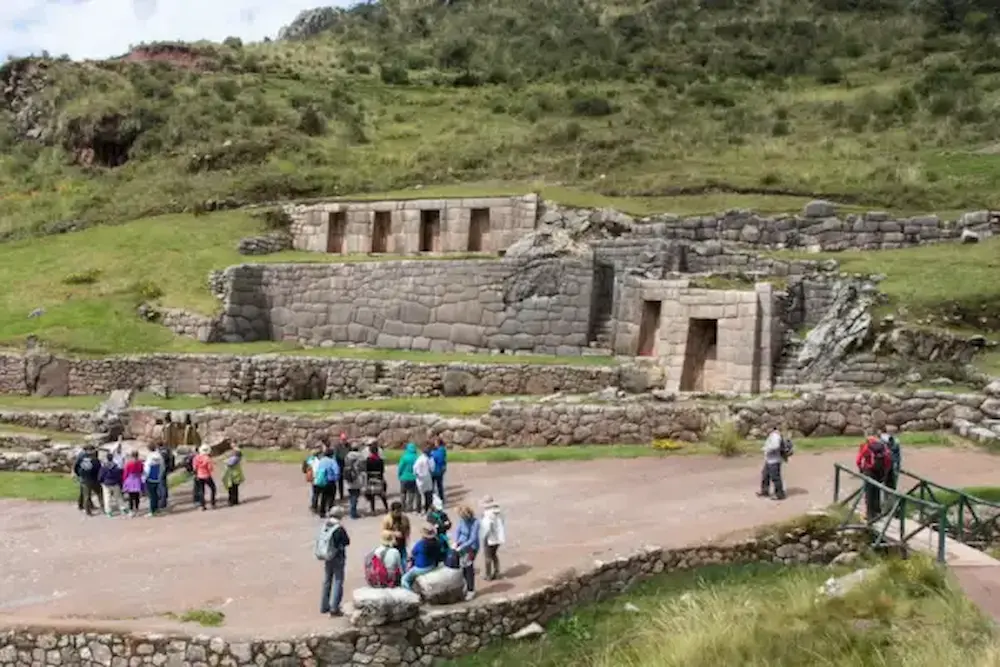
Visiting Tambomachay is a great opportunity to explore one of Cusco’s most fascinating Inca ceremonial sites, known for its pristine stonework and sacred water fountains. To make the most of your experience, it’s important to plan ahead—this area sits at high altitude, requires a short uphill walk, and is usually visited as part of the Cusco Archaeological Circuit.
These practical tips will help you enjoy the site comfortably, avoid common traveler mistakes, and fully appreciate the cultural and natural beauty surrounding Tambomachay.
Due to the high altitude of over 3,700 m a.s.l., it is advisable to spend one or two days acclimatizing in Cusco prior to your visit, as this helps your body adjust to the thinner air and reduces the risk of altitude sickness.
The gentle morning light creates a perfect ambiance, casting a warm glow that highlights the intricate details of the fountains and stone walls, enhancing their beauty with a soft and inviting clarity that captivates visitors.
To enter, you must have the Cusco Tourist Ticket, which also grants access to other archaeological sites in the region, such as Qenqo, Puca Pucara, and Saqsayhuaman. Many visitors prefer to explore these sites in a single day to make the most of their experience.
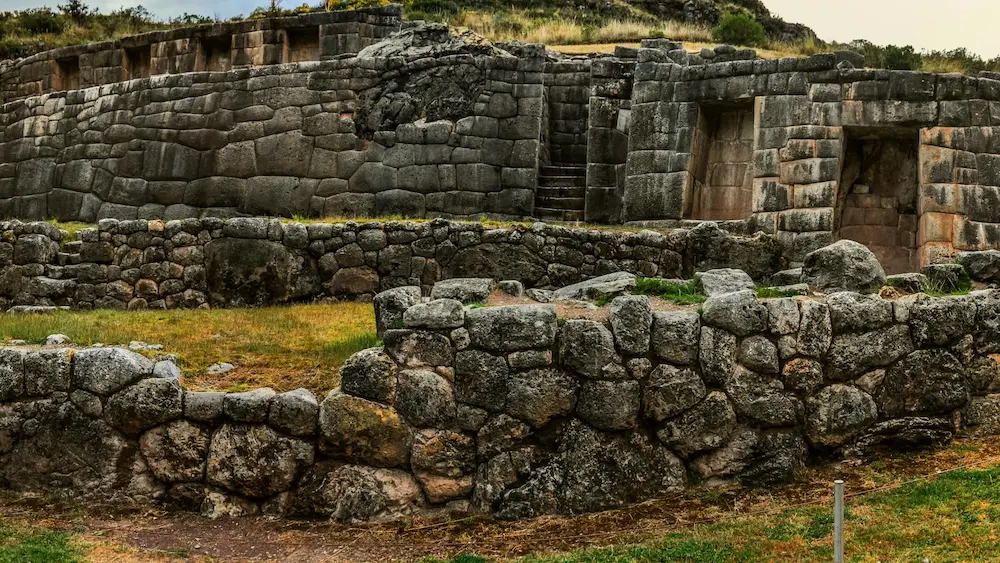
Beyond its architectural beauty, Tambomachay is a place that invites reflection and connection with energy and nature. Many visitors report feeling a special sense of tranquility, possibly due to the constant flow of water and the surrounding natural environment.
If you are passionate about history and Andean culture, this is a must-visit destination during your journey through the Imperial City. Every stone and every stream of water tells a story of respect for nature and a civilization that achieved a remarkable harmony with its environment.
You might also want to check out: A guide to hiking to the Sun Gate (Inti Punku)
Tambomachay represents the Incas' close relationship with nature and is more than just an archaeological site. Anyone who wants to comprehend Andean spirituality and the empire's engineering accomplishments must see it because of its hydraulic design, sacred setting, and historical significance.
A trip to Tambomachay is an unforgettable experience that combines nature, culture, and history.