Image
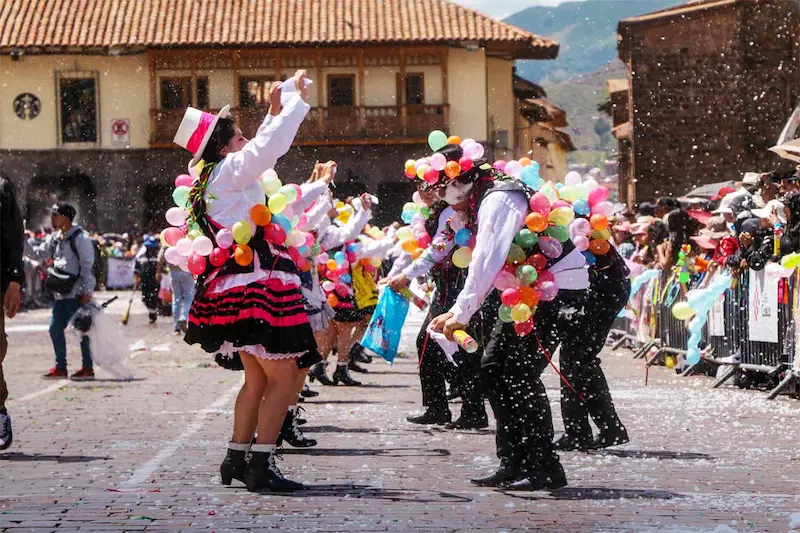
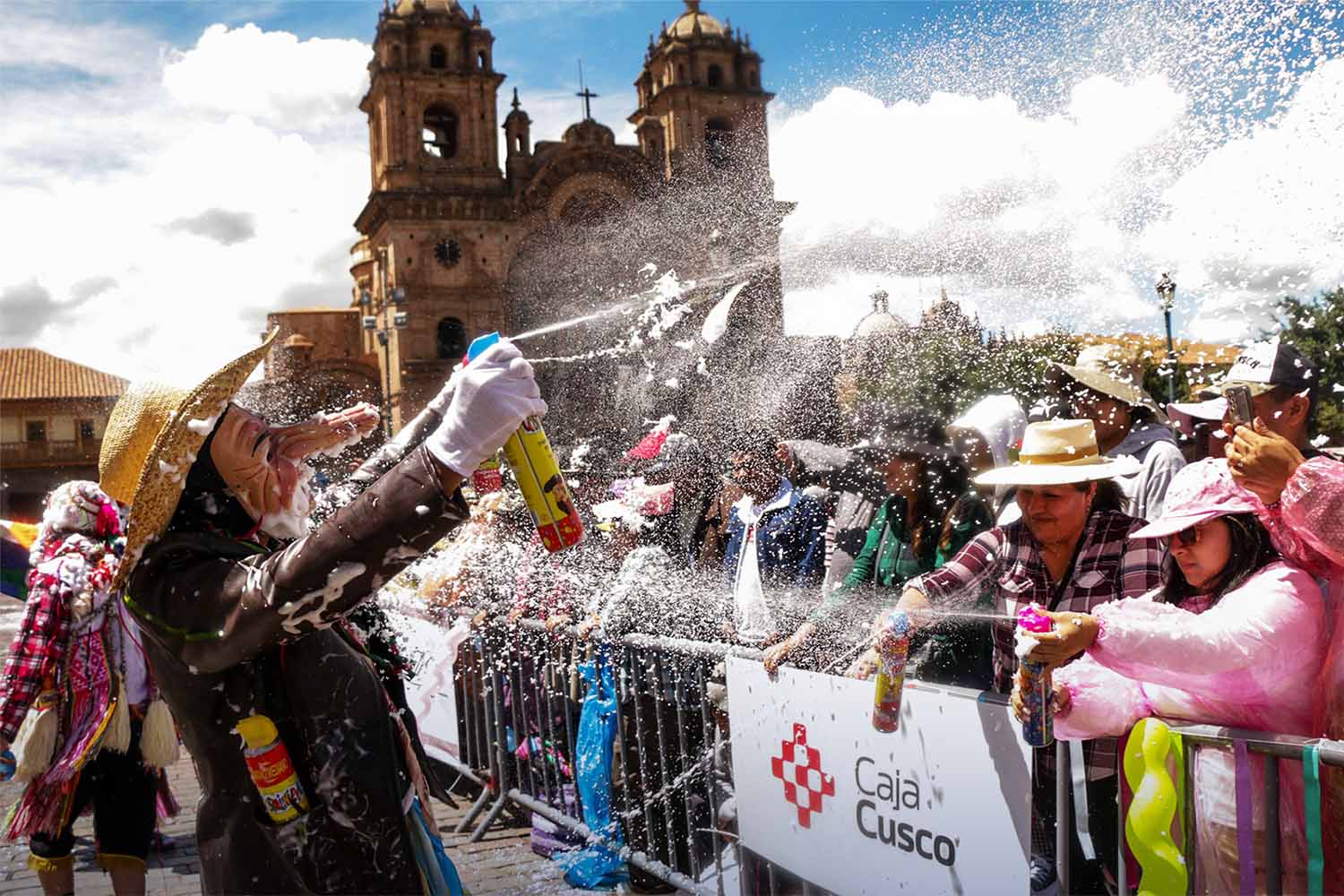
The Cusco Carnival is a vibrant celebration that pulses through the streets of this historic city every year, blending music, dance, and colorful traditions. Visitors from all over the world come to immerse themselves in the energy, witnessing spectacular parades, local folklore, and community festivities. More than just a party, the Cusco Carnival offers a unique insight into the rich culture of the Andes, connecting travelers with the local heritage and creating memories that last a lifetime.
You might be interested in reading: 10 traditional peruvian dances you must see
The Cusco Carnival is an annual festival held in the city of Cusco, Peru, celebrated with vibrant parades, traditional dances, music, and colorful costumes. This festival blends centuries-old indigenous traditions with colonial and modern influences, creating a unique cultural experience that attracts both locals and international visitors. The event highlights Cusco’s rich history and the diversity of Andean culture, offering an immersive experience of Peru’s heritage and traditions.
The Cusco Carnival traces its origins to pre-Columbian rituals that marked seasonal changes, agricultural cycles, and spiritual celebrations. When the Spanish arrived, Catholic traditions merged with indigenous festivities, creating a hybrid celebration that continues to this day. The carnival reflects centuries of cultural exchange and resilience, maintaining elements of Andean cosmology, music, and dance.
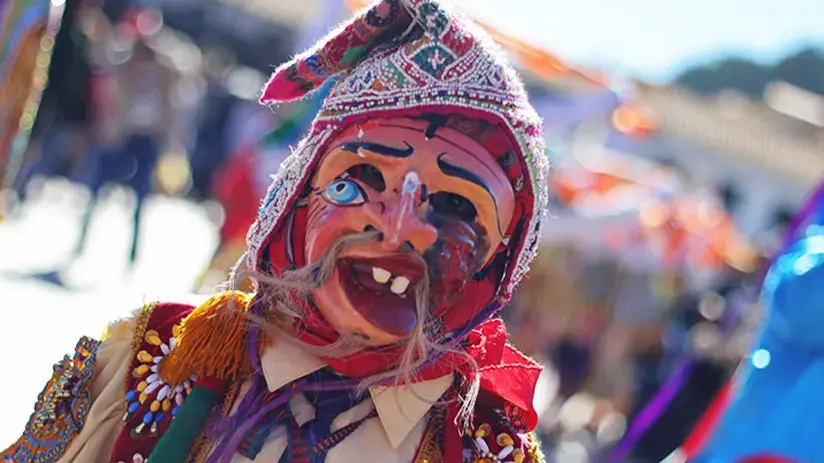
The festival features a combination of traditional dances, masked performances, street music, and elaborate costumes. Some of the most famous dances include the Diablada, Morenada, and Saqras, each telling stories about folklore, local myths, and historical events. Artisans also contribute with handcrafted masks and costumes, emphasizing the role of Peruvian cultural heritage in the carnival.
Both locals and tourists are active participants. Neighborhood groups, schools, and artisan collectives prepare months in advance to showcase their creativity. Local communities organize parades, competitions, and performances, fostering a sense of unity and pride. Tourists often join workshops, dance lessons, and costume activities, making the carnival an interactive cultural experience.
While the main event is in Cusco city, surrounding towns and districts celebrate their own versions of the carnival, highlighting regional costumes, music styles, and culinary traditions. Each variation offers a glimpse into the diversity of Peruvian culture and the distinct identities of local communities.
The Cusco Carnival is not only a celebration but also a major economic driver. Local artisans, food vendors, and tourism operators benefit from the influx of visitors. It helps preserve traditional crafts, promotes cultural tourism, and strengthens local businesses, making it an essential event for both cultural and economic sustainability in the region.
You might be interested in reading: Best peruvian markets by city
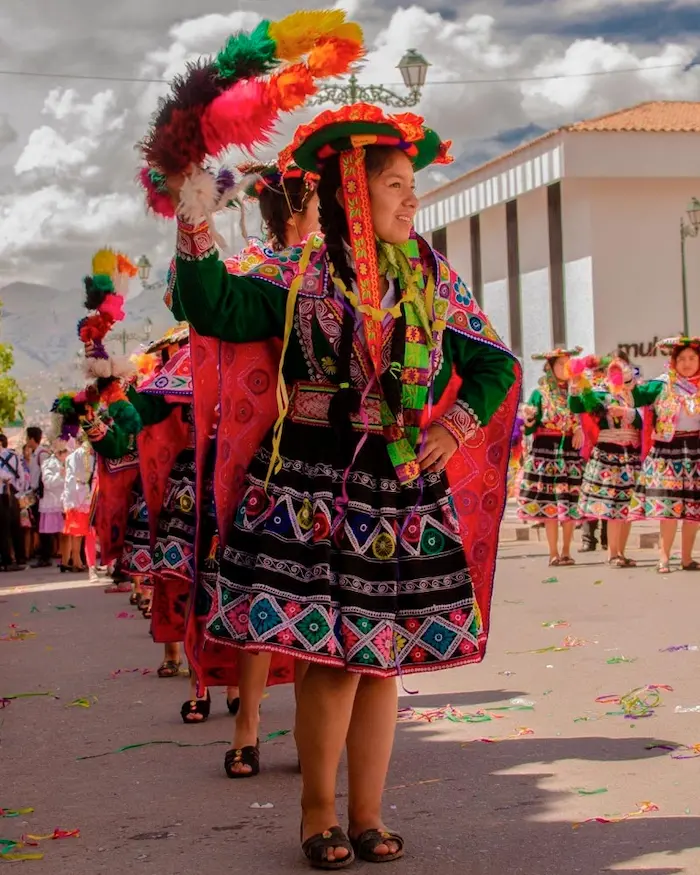
The Cusco Carnival is far more than a lively celebration; it is a cornerstone of cultural identity, social cohesion, and economic development in the region. Every year, this festival not only entertains but also strengthens the bonds between communities, preserves ancient traditions, and generates significant tourism revenue. Its multifaceted significance makes it a vital event for both locals and visitors, providing an authentic glimpse into Peru’s rich Andean heritage.
The carnival plays a crucial role in preserving traditional dances, music, and artisanal crafts. Performances like the Diablada and Morenada, along with traditional songs, ensure that ancestral knowledge is passed from one generation to the next. Local artisans showcase their skills in mask-making, textile weaving, and jewelry crafting, keeping centuries-old techniques alive while allowing visitors to engage with authentic Peruvian culture.
The Cusco Carnival fosters community participation and local pride. Neighborhoods, schools, and artisan collectives collaborate to prepare parades, dance performances, and competitions. These activities encourage intergenerational learning, strengthen social ties, and provide a sense of belonging to all participants. Families, neighbors, and tourists alike share in a collective celebration that highlights unity and cultural pride.
Attracting thousands of visitors each year, the carnival boosts the local economy. Hotels, restaurants, transport providers, and markets experience increased activity during the festival. This influx of tourism supports small businesses, provides job opportunities, and encourages the sustainable growth of the region. Additionally, the carnival promotes cultural tourism, positioning Cusco as a must-visit destination for international travelers seeking authentic experiences.
Visitors have the opportunity to learn about Andean history, folklore, and customs. Workshops, guided tours, and interactive performances allow tourists to connect with local traditions, creating meaningful exchanges between locals and travelers. This educational aspect enhances appreciation for Peruvian culture and encourages responsible tourism.
The vibrant visuals, traditional performances, and colorful parades of the Cusco Carnival often attract media coverage and social media attention. This global visibility helps promote the cultural richness of the region, drawing more tourists, and highlighting Cusco’s identity as a hub of heritage, arts, and festivities.
You might be interested in reading: Peru in July: Weather, Festivals and Travel Tips
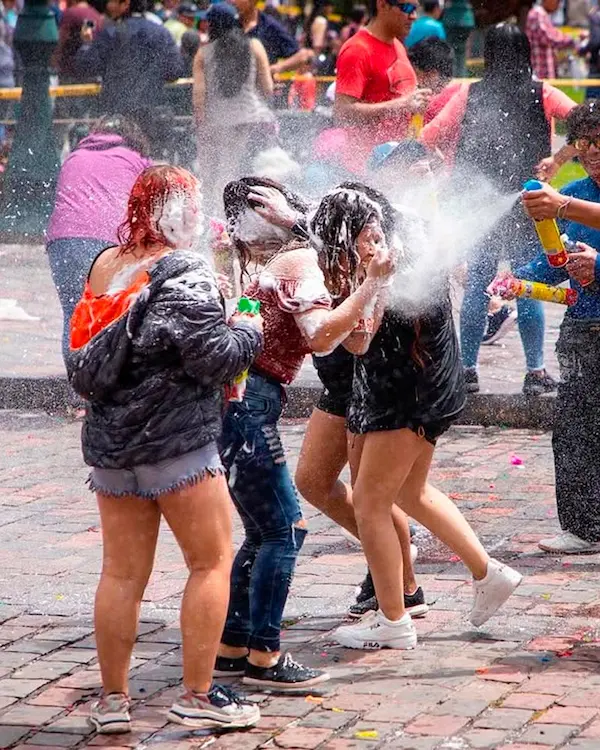
The Cusco Carnival is one of Peru’s most vibrant and colorful cultural events, attracting locals and travelers from around the world. Each year, the streets of Cusco come alive with music, dance, traditional costumes, and a festive atmosphere that reflects centuries of Andean heritage. For visitors, the carnival is more than just a celebration—it’s an opportunity to immerse in the local culture, witness traditional rituals, and experience the city in a way that combines history, artistry, and entertainment. In this section, we explore the top 5 experiences that make the Cusco Carnival an unforgettable event.
The Grand Parade is the highlight of the Cusco Carnival, featuring thousands of performers marching through the city streets. Dancers, musicians, and floats bring the history of Cusco and the Andean culture to life through vivid costumes, intricate choreography, and storytelling performances. Visitors can expect a multi-sensory experience filled with color, music, and festive energy.
Location: Avenida El Sol, Centro Histórico, Cusco, Peru
The Diablada, or “Dance of the Devils,” is one of the most iconic performances of the carnival. Dancers wear elaborate masks and costumes, enacting stories of good versus evil and blending theatrical drama with centuries-old tradition. This performance is both thrilling and culturally educational, offering a deep insight into Andean mythology.
Location: Plaza de Armas, Cusco, Peru
The artisan markets are scattered throughout the main streets during the carnival. Here, you can explore stalls full of handmade textiles, pottery, jewelry, and traditional souvenirs. Visitors have the opportunity to meet local artisans, learn about their craft techniques, and purchase authentic Andean products. These markets provide a direct connection to the culture and local economy.
Location: Avenida El Sol and surrounding streets, Centro Histórico, Cusco, Peru
Throughout the city, local bands and performance groups play traditional Andean music with flutes, drums, and string instruments. Dancers perform in colorful costumes, often moving from street to street, engaging crowds with interactive performances. This creates an immersive, festive atmosphere that allows visitors to experience Cusco’s vibrant cultural life firsthand.
Location: Around Plaza de Armas, San Blas neighborhood, Cusco, Peru
The Cusco Carnival is also a feast for the senses, with street vendors offering authentic Peruvian delicacies. Sample traditional dishes such as anticuchos, picarones, tamales, and chicha morada, while enjoying the festival ambiance. These culinary experiences allow visitors to taste the local flavors and understand the gastronomic traditions of the region.
Location: Calle Hatun Rumiyoc and Plaza de Armas, Cusco, Peru
You might be interested in reading: Fiesta de la Virgen del Carmen en Paucartambo: Complete Guide
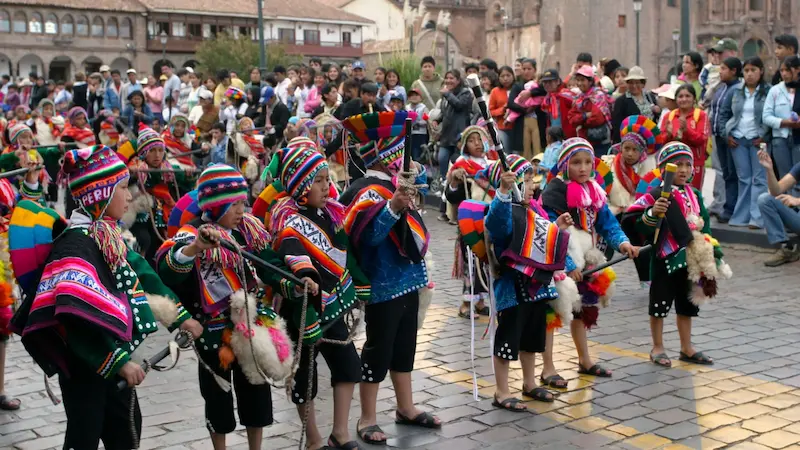
The Cusco Carnival offers a wide variety of activities and events that appeal to all types of visitors. Beyond the colorful parades and music, the carnival provides immersive experiences that connect travelers with the rich culture, traditions, and daily life of the Andean communities. From interactive performances to artisan markets and culinary experiences, each activity allows visitors to engage deeply with Cusco’s heritage.
Groups perform dances like the Diablada, Morenada, and Saqras, showcasing masked devils, folklore, and intricate choreography. These performances tell stories from Inca history, local legends, and spiritual traditions, giving visitors a vivid cultural experience.
Colorful floats, live music bands, and performers fill the streets, creating a dynamic and unforgettable spectacle. Parades often follow main avenues and central squares, where spectators can enjoy a combination of visual art, rhythm, and storytelling.
Local vendors sell traditional crafts, textiles, jewelry, and handmade souvenirs. Visitors can interact with artisans, learn about their techniques, and take home authentic Andean products. These markets provide both a cultural and economic connection to the local communities.
Food stalls serve regional delicacies such as anticuchos, picarones, tamales, and local beverages. Visitors can taste authentic flavors while exploring the festival, combining culinary delight with cultural immersion.
Many fairs and carnival areas include workshops where visitors can try traditional crafts or dances, such as weaving, mask-making, or learning a folk dance step-by-step, providing hands-on cultural engagement.
Beyond street parades, there are concerted live performances in plazas featuring traditional Andean instruments and singing. These events allow tourists to experience the rhythm and melodies of the region intimately.
Some events include photo exhibitions, storytelling sessions, and cultural presentations, helping visitors understand the history, beliefs, and social practices of the Andean people.
You might be interested in reading: Visiting Peru in June
Tips for Enjoying the Cusco Carnival
The Cusco Carnival is a spectacular and immersive cultural experience, but to fully enjoy it, visitors need to plan ahead and follow a few practical guidelines. From understanding the schedule of events to dressing appropriately and respecting local traditions, these tips ensure that your visit is safe, enjoyable, and culturally enriching. Whether it’s your first time in Cusco or you’re a returning traveler, following these recommendations will help you make the most of every moment during the festival.
Check the official dates, parade schedules, and locations of events to organize your itinerary efficiently. Planning in advance allows you to prioritize the performances and exhibitions that interest you most and avoid missing key highlights.
Wear comfortable shoes suitable for walking long distances on cobblestone streets, and bring clothing layers for varying weather. A hat, sunglasses, and sunscreen are also recommended, as the Andean sun can be strong even during carnival season.
Engage respectfully with locals, observe ceremonies without interfering, and avoid actions that could disrupt performances. Remember that many activities are sacred or culturally significant, so maintaining a respectful attitude enhances your experience and fosters positive interactions.
Walking through parades and events can be tiring. Carry water and light snacks to stay energized throughout the day, especially if you plan to attend multiple parades or workshops.
Consider using authorized taxis, buses, or guided tour transport to navigate between carnival sites safely and efficiently. Avoid overcrowded routes or informal services to ensure your safety.
You might be interested in reading: Celebrating mother's day in Peru
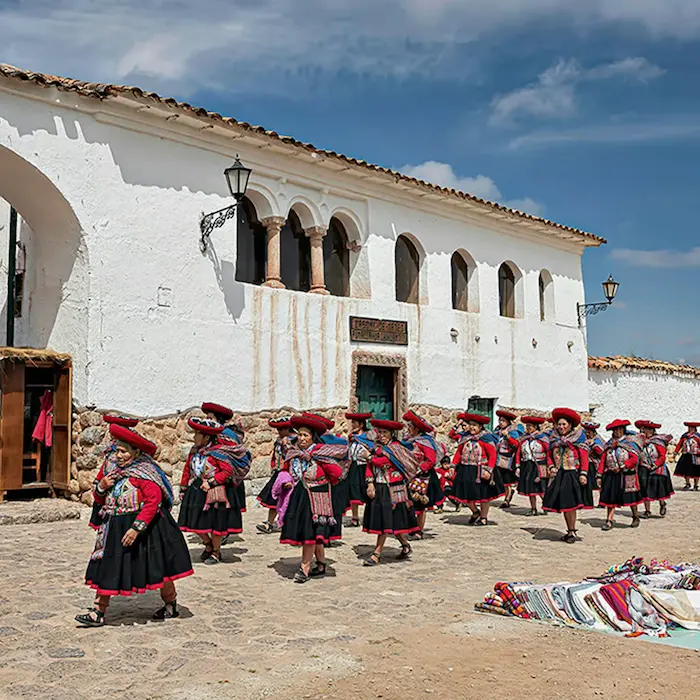
When planning to attend the Cusco Carnival, choosing a nearby accommodation and knowing your transportation options is key to enjoying the festival without hassle. Cusco offers a wide range of hotels, hostels, and apartments to suit different budgets, while local transport and walking routes allow you to move easily between parades, markets, and cultural activities. Here are some tips to make your experience safe, convenient, and memorable.
Cusco has numerous central hotels within walking distance of the Plaza de Armas, where many of the carnival events take place.
Getting around Cusco during the carnival can be challenging without planning. Recommended options include:
The best way to experience the Cusco Carnival is on foot, following parades and street performances.
Extra Tip: Wear comfortable shoes, bring water and sunscreen, and check parade maps and schedules to catch the most important moments.
The Cusco Carnival is usually celebrated in February, lasting several days with parades, music, dance, and cultural activities. Exact dates vary each year, so it’s recommended to check the official schedule in advance.
Visitors can join street parades, watch traditional dances, explore artisan markets, and enjoy food stalls. It’s important to respect local customs and participate in a way that honors the cultural traditions.
Yes! The festival offers plenty of activities suitable for all ages, including traditional music performances, colorful parades, and interactive cultural workshops for children.
Wear comfortable shoes for walking and clothing suitable for the weather, as February can have variable temperatures. Bright, casual clothing is recommended to fully enjoy the colorful festivities.
Most hotels, hostels, and guesthouses are located near Plaza de Armas and surrounding districts like San Blas. Booking in advance is recommended, as hotels fill up quickly during the carnival season.