Image
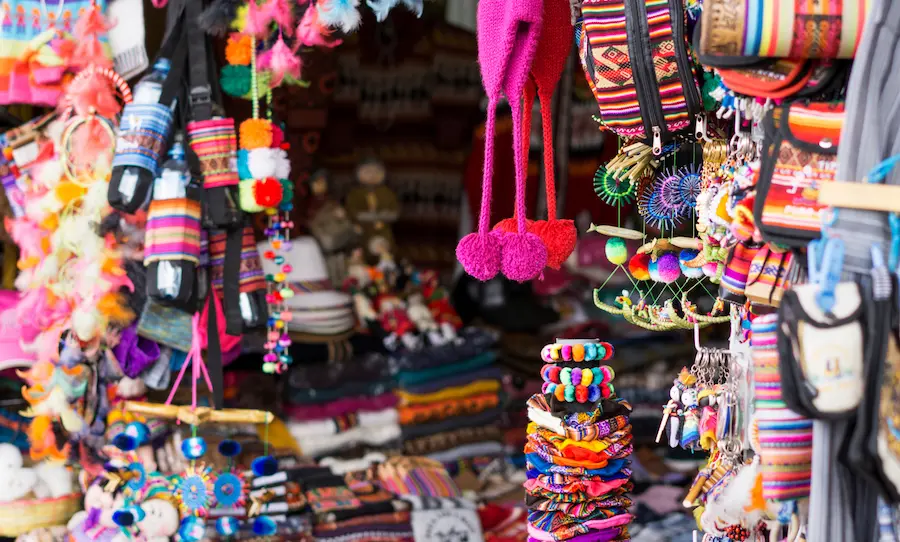
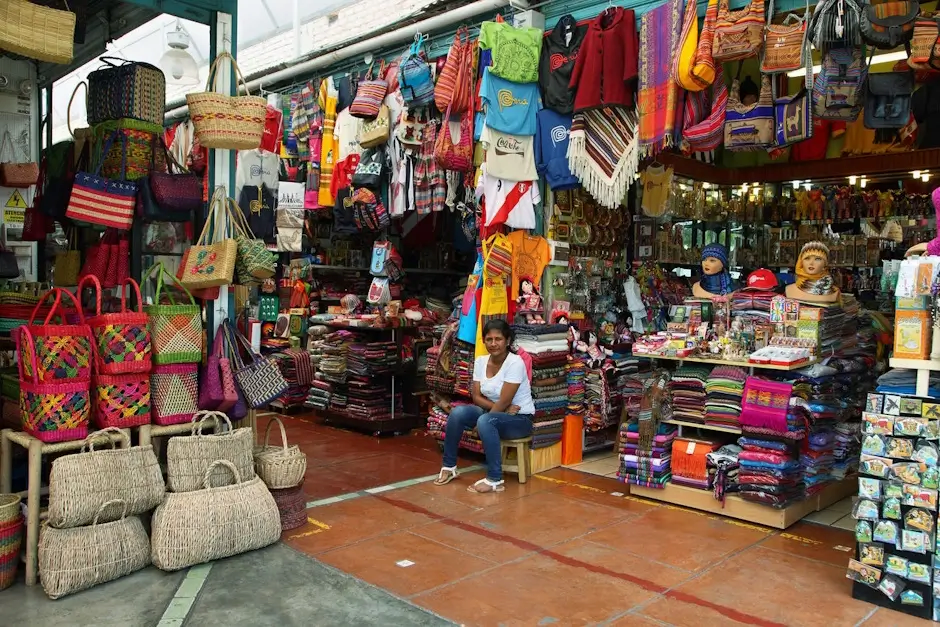
Peruvian Markets are some of the best places to understand the real rhythm of Peru, from colorful produce stands and traditional food stalls to handmade textiles, souvenirs, spices, flowers, and local products you may not find anywhere else.
If you are traveling through Peru, visiting a market is more than just a quick shopping stop. It is a cultural experience. You can see how locals buy ingredients for daily meals, taste regional snacks, discover traditional crafts, and learn how each city has its own personality through food, colors, sounds, and local traditions.
Whether you are looking for souvenirs, fresh fruit, Peruvian street food, handmade products, or simply a more authentic way to explore a destination, local markets in Peru are worth adding to your itinerary. From Lima and Cusco to Arequipa, Puno, Ica, and smaller Andean towns, each market tells a different story about the country.
In this guide, you will find the best Peruvian markets by city, what to buy, what to eat, how to visit them, and practical tips to enjoy the experience like a traveler, not just a tourist.
You might be interested in reading: Peru in July: Weather, Festivals and Travel Tips
Peruvian markets are local spaces where people buy and sell fresh food, traditional products, handmade crafts, textiles, souvenirs, flowers, spices, household items, and regional specialties. Some markets are mainly used by locals for daily shopping, while others are more popular with travelers because they offer souvenirs, artisan products, and cultural experiences.
In Peru, markets are not only commercial places. They are part of everyday life. Families buy ingredients for lunch, vendors prepare fresh juices, artisans sell handmade pieces, and travelers discover products that reflect the country’s history and diversity.
Not all Peruvian markets are the same. Some are very local and focused on daily life, while others are more visitor-friendly.
Local markets usually sell fruits, vegetables, meat, grains, herbs, spices, flowers, and prepared meals. These are great places to observe daily culture and try simple local food.
Tourist markets usually focus more on souvenirs, alpaca products, jewelry, ceramics, textiles, paintings, and handmade crafts. These are easier to visit if you want to buy gifts or take home something traditional.
Markets are important because they connect food, economy, family, and tradition. In many Peruvian cities, markets are where people still buy fresh ingredients every morning instead of relying only on supermarkets.
They also preserve regional identity. A market in Cusco feels very different from a market in Lima, Arequipa, Puno, or the Amazon because each region has different products, flavors, languages, and traditions.
Yes, Peruvian markets are excellent for travelers who want a more authentic experience. They are great for trying local food, buying souvenirs, taking photos, learning about regional ingredients, and seeing daily life beyond the main tourist attractions.
However, travelers should visit with respect, ask before taking close-up photos of vendors, and keep personal belongings safe in crowded areas.
You might be interested in reading: Fiesta de la Virgen del Carmen en Paucartambo: Complete Guide
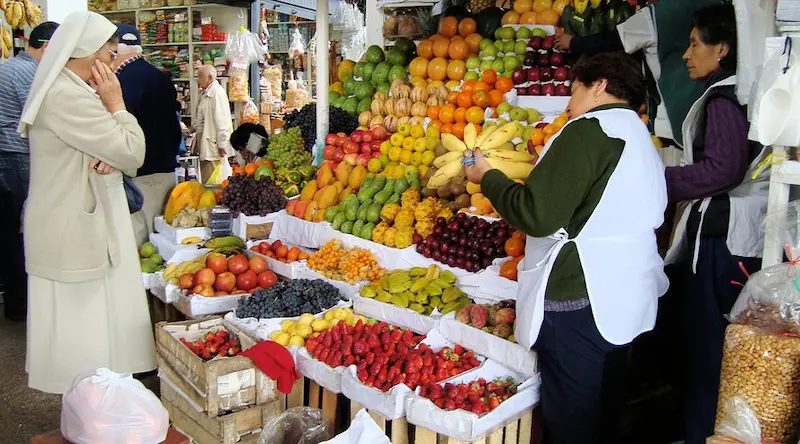
Peru has many markets worth visiting, but the best one for you depends on the city you are traveling to and what you want to experience. Some markets are famous for food, others for textiles, souvenirs, traditional medicine, local produce, or artisan crafts.
Below you will find some of the best Peruvian markets by city.
You might be interested in reading: Is Peru safe to visit? Essential safety tips for travelers in 2026
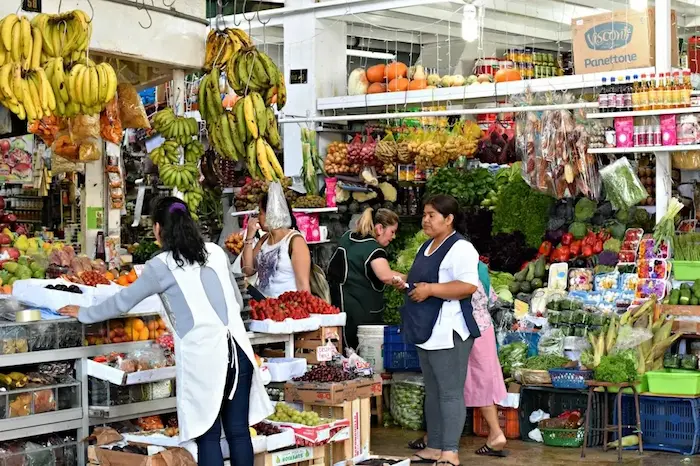
Lima is one of the best cities to explore Peruvian food culture. As the capital, it brings together ingredients from the coast, Andes, and Amazon, making its markets especially interesting for travelers who love food, local life, and urban culture.
Mercado Surquillo is one of the most famous markets in Lima for travelers who want to discover Peruvian ingredients. Located near Miraflores, it is easy to visit and offers fruits, vegetables, seafood, spices, grains, herbs, and local products.
This is a great place to see ingredients used in Peruvian cuisine, such as ají amarillo, purple corn, lucuma, quinoa, potatoes, and fresh fish. Many travelers visit Mercado Surquillo before taking a cooking class or food tour in Lima.
Mercado Central is one of the most traditional markets in the historic center of Lima. It is larger, busier, and more local than Surquillo. Here you can find everything from fresh produce and meat to spices, flowers, kitchen products, and daily goods.
This market is ideal if you want to experience a more intense and local side of Lima. It is not as polished as some tourist areas, but it offers a real look at how many Limeños shop.
The Indian Market in Miraflores is one of the best places in Lima to buy souvenirs. It is not a food market, but it is popular with travelers looking for alpaca scarves, textiles, ceramics, silver jewelry, paintings, bags, and handmade gifts.
If you want to buy Peruvian products before leaving the country, this market is convenient and easy to explore.
You might be interested in reading: Visiting Peru in June
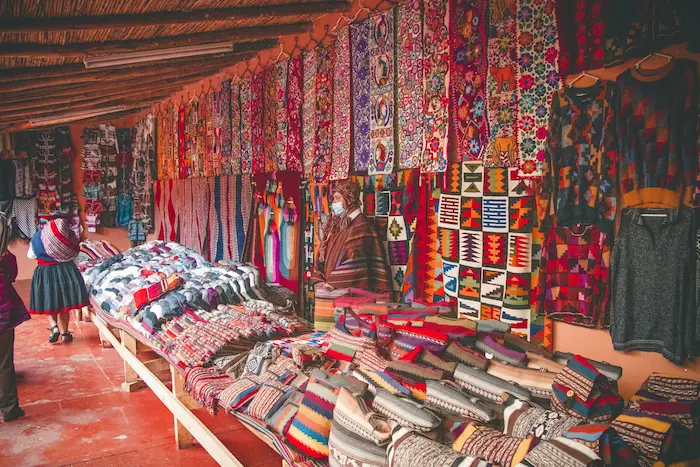
Cusco is one of the best cities in Peru for markets because it combines Andean culture, traditional food, handmade crafts, and strong local identity. Markets in Cusco are colorful, active, and full of products connected to the Andes.
San Pedro Market is one of the most famous Peruvian markets and a must-visit place in Cusco. Located close to the historic center, this market is popular with both locals and travelers.
Inside, you can find fresh juices, fruits, cheeses, breads, chocolate, coffee, herbs, flowers, souvenirs, textiles, and local meals. It is one of the easiest places to try Peruvian market food in Cusco.
San Pedro is also a great place to observe local life. You will see vendors preparing juices, families buying groceries, and travelers discovering Andean ingredients for the first time.
San Blas Market is smaller and quieter than San Pedro. It is located in the artistic neighborhood of San Blas and is a good option for travelers who want a more relaxed market experience.
This market is a nice place for breakfast, fresh juices, simple local meals, coffee, and casual food stops while exploring the neighborhood.
If you are looking for souvenirs, the Cusco Artisan Market is a good place to find textiles, alpaca-style products, bags, ceramics, paintings, and handmade items. It is more tourist-oriented, but useful if you want to compare prices and buy several gifts in one place.
You might be interested in reading: Celebrating mother's day in Peru
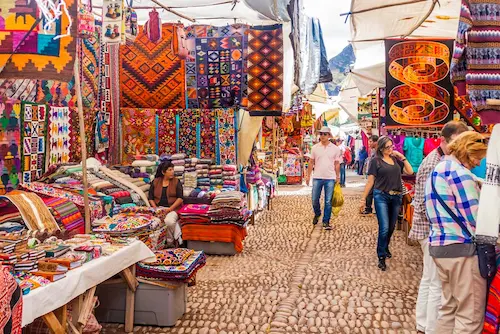
The Sacred Valley has some of the most beautiful and culturally rich markets in Peru. These markets are especially known for textiles, traditional clothing, handmade crafts, local food, and Andean products.
Pisac Market is one of the most famous markets near Cusco. It is well known for textiles, jewelry, ceramics, handmade crafts, and colorful souvenirs. Many travelers visit Pisac as part of a Sacred Valley trip because the market is close to the Pisac archaeological site.
This is one of the best places to buy handmade items and see traditional Andean products. The market is more touristy than some others, but it still offers a strong cultural atmosphere.
Chinchero is known for its textile traditions. The local market and textile centers are excellent places to learn about natural dyes, weaving techniques, and traditional Andean clothing.
Travelers interested in Peruvian textiles should consider visiting Chinchero because the experience goes beyond shopping. You can often see demonstrations of how wool is washed, dyed, spun, and woven.
Urubamba has a more local feel compared to Pisac. It is a good place to see how people in the Sacred Valley shop for food, produce, and daily goods.
This market is less focused on souvenirs and more connected to local life, making it a good option for travelers who want a more authentic experience.
You might be interested in reading: High season in Peru: A complete guide for your trip
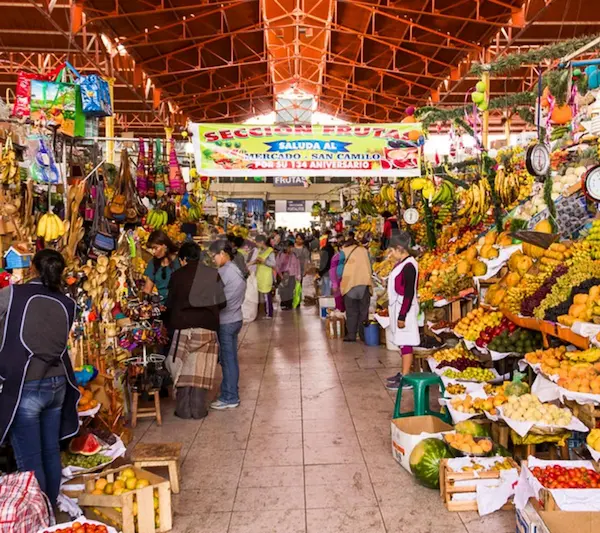
Arequipa has a strong food identity, and its markets reflect the flavors of southern Peru. If you enjoy local ingredients, traditional meals, and regional products, Arequipa is a great city for market visits.
San Camilo Market is one of the most important markets in Arequipa. It is known for fresh produce, traditional food, cheeses, juices, breads, spices, and local ingredients.
This market is a great place to try Arequipa’s flavors in a casual setting. You can find rocoto, local cheeses, fruits, traditional sweets, and dishes connected to Arequipa’s culinary culture.
In Arequipa markets, travelers can look for regional ingredients and traditional food such as queso helado, rocoto, local breads, fresh juices, and typical snacks.
Arequipa is also famous for its picanterías, so visiting a market can help you understand the ingredients behind the city’s traditional cuisine.
Puno, located near Lake Titicaca, has markets that reflect Andean highland culture. Here, you can find traditional clothing, local food, wool products, and daily goods used by communities around the lake.
Puno Central Market is a local market where travelers can see everyday life in the highlands. It offers fruits, vegetables, grains, meat, herbs, bread, and basic goods.
This is not a luxury or tourist-style market, but it is interesting for travelers who want to understand local culture near Lake Titicaca.
Puno also has artisan areas where visitors can find textiles, wool products, small souvenirs, and items inspired by Lake Titicaca culture. Many products are connected to Andean identity and local craftsmanship.
You might be interested in reading: International airports in Peru: what travelers know
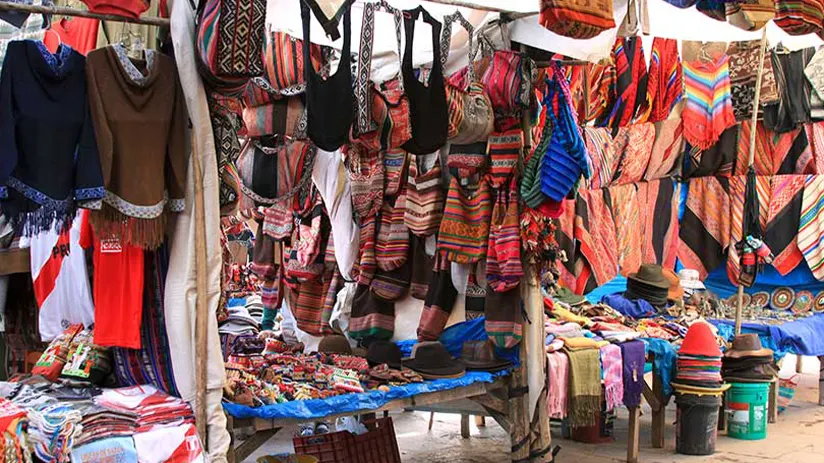
Ica is known for desert landscapes, vineyards, pisco, and nearby destinations like Huacachina and Paracas. Markets in Ica are less famous than those in Lima or Cusco, but they are useful for discovering regional products.
Local markets in Ica are good places to find fruits, regional food, snacks, and everyday products. Travelers can discover local ingredients from Peru’s coastal desert region.
Ica is especially known for pisco, wine, sweets, and agricultural products. While some of these are better purchased in wineries or specialty shops, local markets can still offer interesting regional items and casual food experiences.
You might be interested in reading: Manco Inca Yupanqui | The last great Inca leader and his legacy
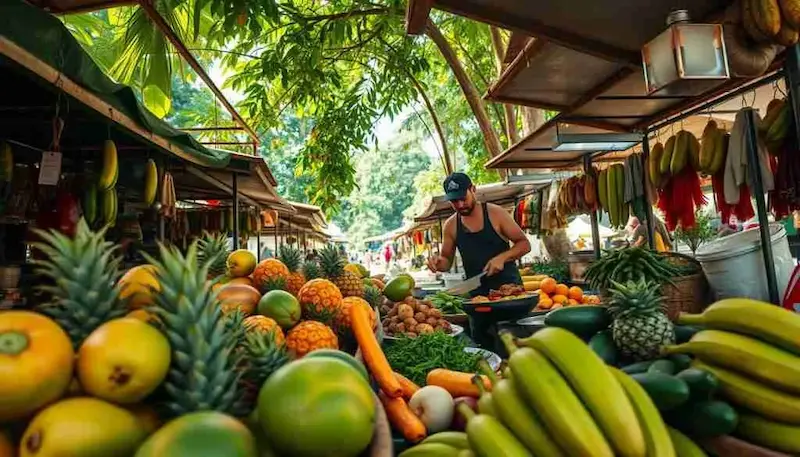
The Peruvian Amazon has markets that feel completely different from those in the Andes or coast. They are full of tropical fruits, fish, medicinal plants, jungle ingredients, and regional products.
Belén Market in Iquitos is one of the most famous and intense markets in the Amazon. It offers tropical fruits, fish, herbs, traditional medicine, local foods, and products from the jungle.
This market is fascinating but can be overwhelming. It is best visited with a local guide, especially if you want to understand the products and cultural context.
Puerto Maldonado also has local markets where travelers can find tropical fruits, Brazil nuts, fish, and Amazonian ingredients. These markets are useful for seeing how food culture changes in the jungle region.
A Peruvian food market is one of the best places to try simple, local, and affordable food. Many markets have food sections where vendors prepare breakfast, lunch, juices, soups, snacks, and regional dishes.
Fresh juices are one of the easiest and safest things to try in many Peruvian markets. You can find juices made with papaya, pineapple, mango, orange, lucuma, passion fruit, and other tropical fruits.
In markets like San Pedro in Cusco, juice stalls are especially popular with travelers.
Many markets serve simple meals such as soups, rice dishes, stews, chicken, trout, and regional lunches. These meals are usually affordable and filling.
If you want to try market food, choose a stall that looks clean and busy with local customers.
Depending on the region, you may find empanadas, tamales, humitas, breads, sweets, roasted corn, cheese, and other snacks. These are good options if you want to try local flavors without sitting down for a full meal.
You might be interested in reading: Winter in Peru: what travelers need to know before visiting
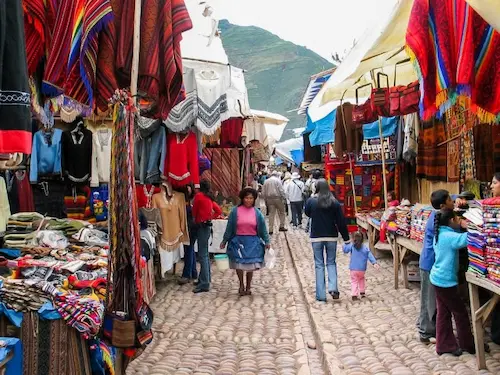
Peruvian markets are excellent places to buy souvenirs and local products. What you find depends on the region, but many markets offer handmade, edible, and cultural items that make meaningful gifts.
Textiles are among the most popular products in Peru. Travelers often buy scarves, sweaters, blankets, bags, and woven items. In Cusco and the Sacred Valley, textile products are especially common.
When buying alpaca products, check quality carefully because not everything sold as alpaca is pure alpaca.
You can find ceramics, jewelry, paintings, carved items, musical instruments, and decorative pieces in many tourist markets. These products are popular souvenirs and often reflect regional styles.
Peru produces excellent coffee and cacao. Markets and specialty shops often sell local coffee beans, chocolate bars, cacao nibs, and handmade sweets.
These are great gifts because they are easy to pack and directly connected to Peru’s agricultural diversity.
Markets may also sell herbs, teas, spices, natural remedies, and Andean products. Travelers should be careful with restrictions when taking food or plant-based products across borders.
Some travelers search for a Peruvian grocery store or a Peruvian market near me because they are looking for Peruvian products outside of Peru. While these terms are common in the United States and other countries, the travel experience in Peru is different.
A Peruvian grocery store usually refers to a shop that sells imported Peruvian products, such as sauces, snacks, frozen foods, grains, drinks, and packaged goods.
A Peruvian market in Peru is broader. It can include fresh produce, prepared meals, souvenirs, textiles, herbs, flowers, meats, spices, local crafts, and daily shopping areas.
A Peruvian grocery store may carry products like ají amarillo paste, Inca Kola, Peruvian corn, quinoa, cancha, spices, lucuma products, packaged sweets, and frozen ingredients.
In Peru, markets are much more dynamic. They are not only places to buy products, but also places to eat, observe culture, talk to vendors, and explore regional identity.
Even if you can find Peruvian products abroad, visiting markets in Peru gives you the full experience. You can see where ingredients come from, how they are used, and how local people interact with food and tradition every day.
Many travelers search for “Peruvian markets near me” when they want to find Peruvian food, groceries, restaurants, or products in their own city. This type of search is usually common before traveling, especially among people who want to try Peruvian ingredients, buy snacks, or learn more about the culture from home.
However, when you are actually planning a trip to Peru, it is better to search by destination instead of using only “near me.” Markets in Peru are very different depending on the city, region, and type of experience you want. A market in Lima may be perfect for food and ingredients, while a market in Cusco may be better for textiles, souvenirs, and Andean products.
For example, instead of searching only for “Peruvian markets near me,” travelers can search for more specific terms such as:
Using destination-based searches helps you find markets that match your actual itinerary, your interests, and the type of products or experiences you want to discover during your trip.
Choosing the right Peruvian market depends on what kind of experience you want. Not every market is ideal for every traveler, and that is part of what makes them interesting.
If you want to explore food, ingredients, and local flavors, cities like Lima, Cusco, and Arequipa are excellent options. Lima is especially good for discovering ingredients used in Peruvian cuisine, while Cusco offers a mix of food, juices, Andean products, and souvenirs. Arequipa is ideal for travelers interested in regional flavors and traditional southern Peruvian ingredients.
If you are more interested in textiles, handmade crafts, and souvenirs, then Cusco, Pisac, Chinchero, and the Sacred Valley are some of the best places to visit. These markets are known for colorful fabrics, woven bags, alpaca-style products, ceramics, jewelry, and traditional designs inspired by Andean culture.
If you want to discover tropical fruits, medicinal plants, fish, and Amazonian ingredients, markets in Iquitos or Puerto Maldonado offer a completely different experience. These markets feel very different from Andean markets and show another side of Peru’s cultural and natural diversity.
Before choosing a market, look at your itinerary. If you only have one or two days in Lima, it may be easier to visit Mercado Surquillo or the Indian Market in Miraflores. If you are spending several days in Cusco, San Pedro Market is usually one of the most convenient and complete options.
Travelers visiting the Sacred Valley can include Pisac Market or Chinchero as part of a day trip. Those heading to Arequipa can visit San Camilo Market without needing to travel far from the historic center.
Choosing a market that fits naturally into your route will help you enjoy the experience without feeling rushed.
Every traveler visits markets for a different reason. Some want to buy souvenirs, others want to try local food, and others simply want to observe daily life.
For food lovers, markets with fresh produce, juices, snacks, and local meals are the best choice. For shoppers, artisan and textile markets offer more variety. For photographers, colorful markets in Cusco, Pisac, Chinchero, and the Amazon can be especially interesting.
If your goal is cultural learning, choose markets where you can see local products, talk to vendors, and understand how people shop in each region.
Some of the best market experiences come from local recommendations. Hotel staff, guides, drivers, restaurant workers, and local residents can often suggest markets that are safe, interesting, and close to your route.
They may also tell you the best time to visit, which areas are more local, where to try good food, and which places are better for souvenirs. In some cases, locals can recommend smaller markets that do not appear in most travel blogs but offer a more authentic experience.
This is especially useful in cities like Cusco, Arequipa, Puno, and Iquitos, where the most famous market is not always the only market worth visiting.
Searching only for “Peruvian markets” can give you general results, but searching by city will usually give you better travel information. Peru is very diverse, and each destination has its own market culture.
For example, a traveler going to Cusco should search for markets in Cusco, Sacred Valley markets, and artisan markets near Cusco. A traveler going to Lima should search for food markets in Lima or markets near Miraflores. A traveler visiting Arequipa should look for San Camilo Market or traditional markets in Arequipa.
This makes your planning more precise and helps you avoid wasting time on markets that are too far from your route.