Image
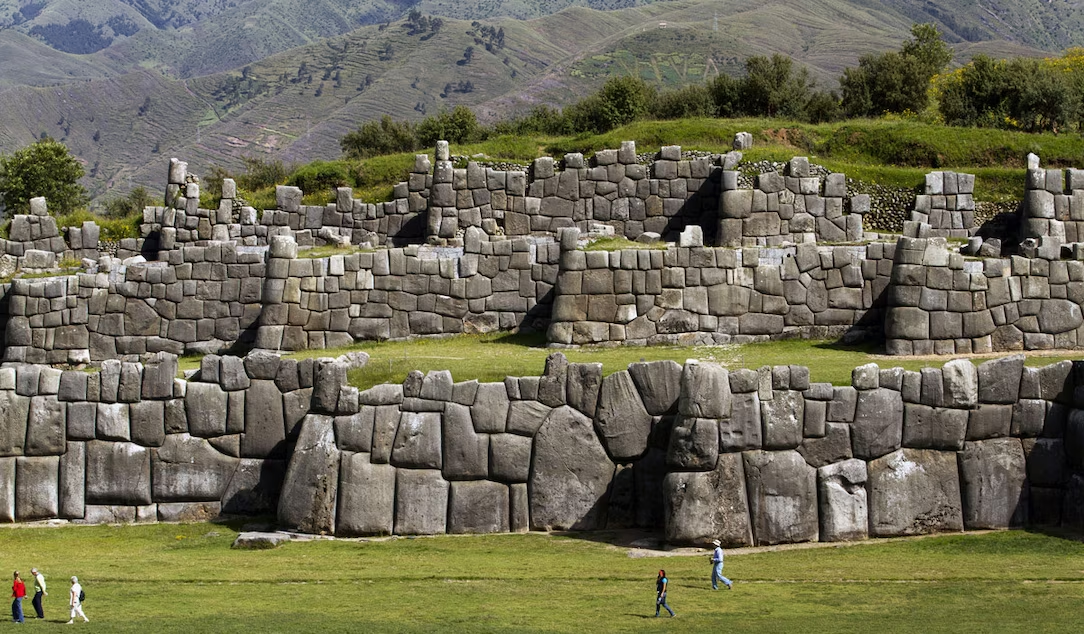
Inca civilization facts reveal one of the most extraordinary ancient societies in human history, known for its intelligence, engineering mastery, and deep spiritual connection with nature.
If you’ve ever wondered how the Incas built massive stone cities in the mountains, created an entire empire without writing, or developed agricultural systems that still inspire modern engineering, you are about to discover some truly surprising insights.
In this article, we’ll explore 10 powerful and fascinating facts about the Inca civilization that will completely change the way you understand this ancient empire and its legacy in modern Peru.
You might also be interested in reading: Top 5 Experiences at the Cusco Carnival in 2026
The Inca civilization was the largest empire in pre-Columbian America, known as Tawantinsuyu, meaning “the four regions.”
It expanded across modern-day Peru, Ecuador, Bolivia, Chile, Argentina, and Colombia, with Cusco as its capital. Despite lacking modern tools like iron or writing systems, the Incas built one of the most advanced civilizations in the ancient world.
You might also be interested in reading: 10 traditional peruvian dances you must see
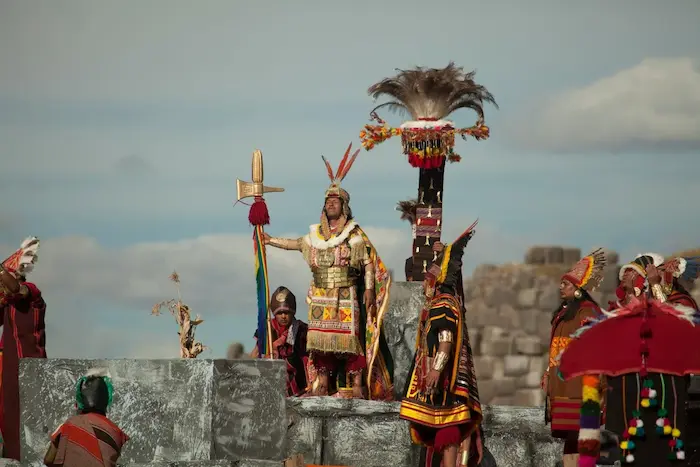
The importance of the Inca civilization goes far beyond ancient history. Even today, its influence can be seen in the daily life, culture, and identity of modern Peru. What makes the Incas so fascinating is not only what they built, but how their ideas about community, nature, and organization continue to shape Andean society centuries later. For travelers exploring Peru, combining cultural insights with experiences such as a Peru Machu Picchu tour package allows them to connect directly with the living legacy of the Inca civilization.
One of the strongest legacies of the Incas is their cultural influence in modern Peru. Traditions such as festivals, music, clothing, and community celebrations still reflect ancient Inca roots. Many customs practiced today in the Andes are direct continuations of Inca beliefs and rituals, preserving a cultural identity that has lasted for centuries.
The Inca agriculture system is considered one of the most advanced ancient farming models in history. Their terrace farming techniques, irrigation systems, and crop adaptation methods are still studied today for their sustainability. These methods allowed them to farm in extreme mountain conditions and are still used in rural Andean communities.
The Quechua language, once the official language of the Inca Empire, is still spoken by millions of people in Peru and other Andean countries. This linguistic heritage is one of the clearest examples of how the Inca civilization influence continues to exist in modern society, preserving identity and cultural continuity.
Inca architecture remains one of the most impressive engineering achievements in history. Structures built with precision-cut stones, many of which still stand today, demonstrate their advanced understanding of construction and seismic resistance. This Inca architectural legacy continues to inspire modern engineers and architects worldwide.
The Inca cultural heritage plays a fundamental role in shaping Andean identity. From beliefs about nature (Pachamama) to communal values and social organization, many aspects of Inca worldview are still present in rural communities. This connection between past and present strengthens cultural pride and continuity.
You might also be interested in reading: Best peruvian markets by city
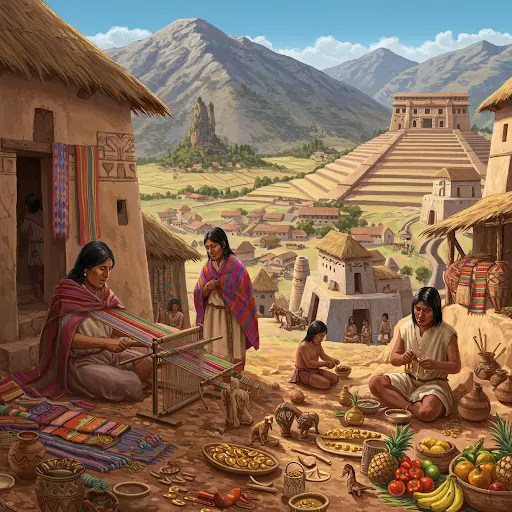
The Inca civilization facts continue to fascinate historians, travelers, and researchers around the world because they reveal how one of the most powerful ancient empires in history was able to thrive without modern tools, written language, or advanced technology.
From the peaks of the Andes Mountains, the Incas built massive cities, developed complex agricultural systems, and created a highly organized society that stretched across thousands of miles. What makes their story even more impressive is how many of their innovations are still studied and admired today.
Below are 10 surprising facts about the Inca civilization that help explain why their legacy remains so influential in modern culture and history.
Instead of a traditional writing system, the Incas used quipu, a complex system of knotted strings. These knots represented numbers, census records, taxes, and administrative data. Despite the absence of an alphabet, this system allowed them to manage one of the largest empires in the world with remarkable efficiency and organization.
Inca engineers created buildings using perfectly shaped stones that fit together with extreme precision, without using mortar. This technique, known as ashlar masonry, allowed their structures to withstand frequent earthquakes in the Andes, many of which still stand today after centuries.
The Incas worshipped Inti, the Sun God, who was considered the most powerful deity in their belief system. The emperor, known as the Sapa Inca, was believed to be the direct descendant of Inti, which gave him both political and spiritual authority over the empire.
The Incas transformed steep mountain landscapes into productive farmland using advanced terrace farming systems. These terraces created microclimates that improved crop production, controlled water flow, and prevented soil erosion, making agriculture possible in difficult high-altitude regions.
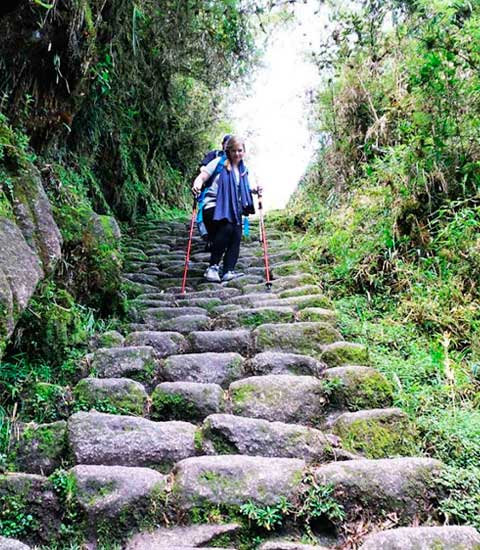
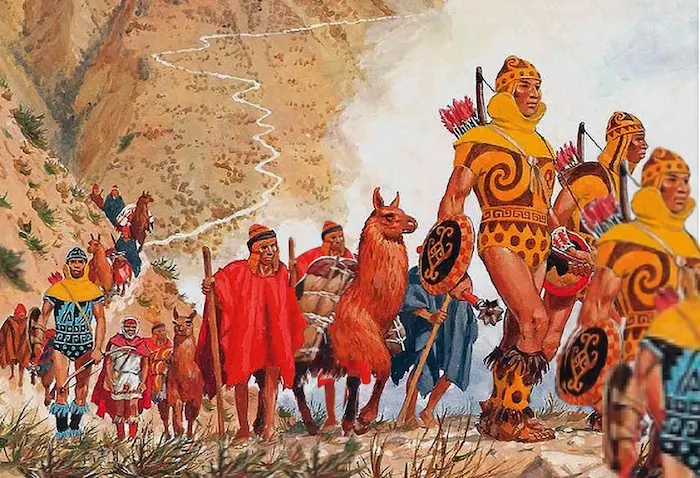
The Inca Empire developed one of the largest transportation systems in history, known as the Qhapaq Ñan, which stretched over 25,000 miles. This road network connected cities, military centers, farms, and remote villages across mountains, deserts, and forests.
The city of Cusco was not only the political capital but also the spiritual heart of the Inca world. It was believed to be the “navel of the world,” a sacred place where the empire’s power and religious beliefs were centered.
Instead of coins or money, the Incas used a system based on labor exchange, known as the mita system. Citizens contributed work to the state in exchange for food, protection, and resources, creating a highly organized economic structure without currency.
Inca farming techniques were designed to preserve natural resources. They used irrigation channels, crop rotation, and terrace systems to maintain soil fertility and maximize production in challenging environments, making their agricultural model one of the most sustainable in ancient history.
The Inca Empire was extremely diverse, incorporating hundreds of ethnic groups, languages, and regional traditions. Despite this diversity, they maintained unity through a centralized administration system, shared infrastructure, and cultural integration policies.
Modern architects and engineers continue to study Inca construction techniques due to their precision, durability, and resistance to natural disasters. Their ability to move and shape massive stones without modern machinery remains one of the greatest engineering mysteries of the ancient world.
You might also be interested in reading: Peru in July: Weather, Festivals and Travel Tips
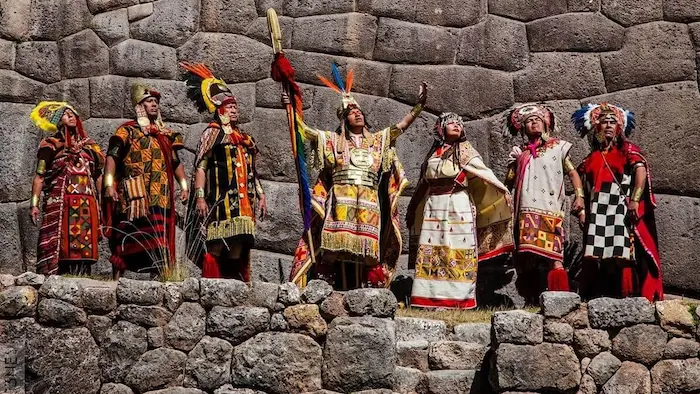
The legacy of the Inca civilization is not something confined to history books, it is still present in the way people live, think, and interact with the world today, especially across the Andean region of South America. Understanding why the Incas still matter allows us to see how a society without modern technology was able to build systems based on sustainability, community cooperation, and innovation that remain relevant even in the modern era.
From agriculture to architecture and cultural identity, the Inca way of life continues to influence modern Peru and provides valuable lessons for today’s global challenges, such as environmental sustainability and social organization.
The Inca civilization sustainability model was built around harmony with nature. They designed agricultural systems, water channels, and crop rotation methods that respected natural ecosystems. Today, these principles are studied as early examples of sustainable living and environmental balance.
The Inca engineering legacy continues to inspire modern architects and engineers. Their earthquake-resistant stone construction techniques and advanced infrastructure systems demonstrate how innovation can exist without modern machinery, relying instead on precision, planning, and deep environmental understanding.
The Inca cultural influence in Peru remains strong in language, traditions, festivals, and community life. Many Andean communities still preserve customs inherited from the Incas, strengthening cultural identity and connecting modern society with ancestral knowledge.
The Inca civilization lessons for modern society include the importance of cooperation, resource management, and collective responsibility. Their system shows how societies can function efficiently without money-based economies, relying instead on shared work and mutual support.
You might also be interested in reading: Fiesta de la Virgen del Carmen en Paucartambo: Complete Guide
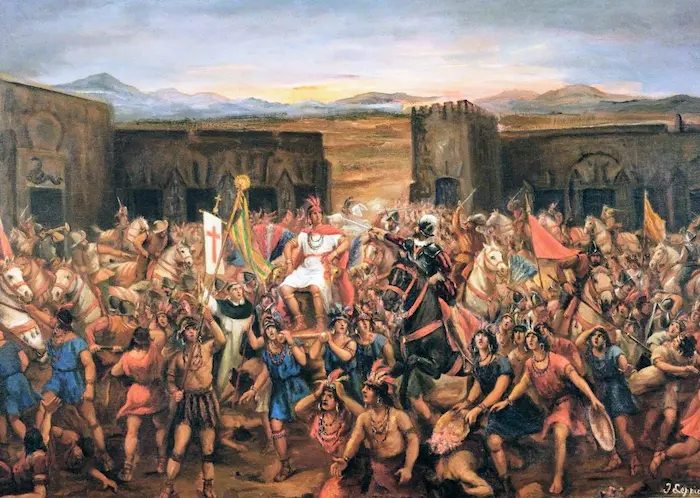
The fall of the Inca Empire is one of the most studied events in South American history, and it was not caused by a single factor but by a combination of internal weaknesses and external forces. While the Spanish conquest is often seen as the main reason, the empire was already facing significant instability before full colonization began.
What makes this historical event even more important is understanding how disease, political conflict, and foreign invasion worked together to collapse one of the most powerful civilizations in the Americas.
Below are the key factors that explain what really led to the end of the Inca Empire.
One of the most devastating factors was the arrival of diseases such as smallpox, which spread rapidly through the Inca population before the Spanish fully arrived in all territories.
The Incas had no immunity to these new diseases, which caused massive population loss, weakened leadership structures, and disrupted communication across the empire.
The Spanish conquest, led by Francisco Pizarro, played a central role in the collapse of the Inca Empire. With superior weapons, horses, and military tactics, the Spanish were able to defeat a weakened empire.
The conquest was also strategically supported by alliances with local groups who opposed Inca rule, which further destabilized the empire.
Before the Spanish arrived, the Inca Empire was already weakened by a civil war between Atahualpa and Huáscar, two competing heirs to the throne.
This internal conflict divided the empire, reducing its unity and making it easier for external forces to take control.
The combination of war, disease, and invasion led to a breakdown of the Inca political system. The capture of the emperor and the loss of centralized control caused confusion across the empire’s territories.
Without strong leadership, the administrative system that once unified the Andes quickly disintegrated.
When we talk about the Inca civilization, Peru is the center of its history, power, and legacy. Within this great empire, several rulers and figures stood out for their leadership, expansion of territory, and influence on the development of Inca culture.
These are the most famous Incas of Peru whose legacy still defines Andean history today.
Pachacútec is considered the most important ruler of the Inca Empire. He transformed the Kingdom of Cusco into a vast empire and is credited with expanding Inca territory across much of South America. He also initiated the construction of Machu Picchu.
Huayna Cápac ruled during the height of the Inca Empire’s expansion. Under his leadership, the empire reached its greatest territorial extent, stretching from modern-day Colombia to Chile and Argentina.
Atahualpa is known as the last ruler of the Inca Empire before the Spanish conquest. His capture by Francisco Pizarro marked the beginning of the empire’s collapse and a major turning point in South American history.
Huáscar was a key figure during the internal civil war of the Inca Empire. His conflict with Atahualpa weakened the empire significantly, making it more vulnerable to Spanish invasion.
Manco Inca led the resistance against Spanish rule after the fall of Cusco. He established a rebel Inca state in Vilcabamba, continuing the fight for Inca independence for several years.
You might also be interested in reading: Is Peru safe to visit? Essential safety tips for travelers in 2026
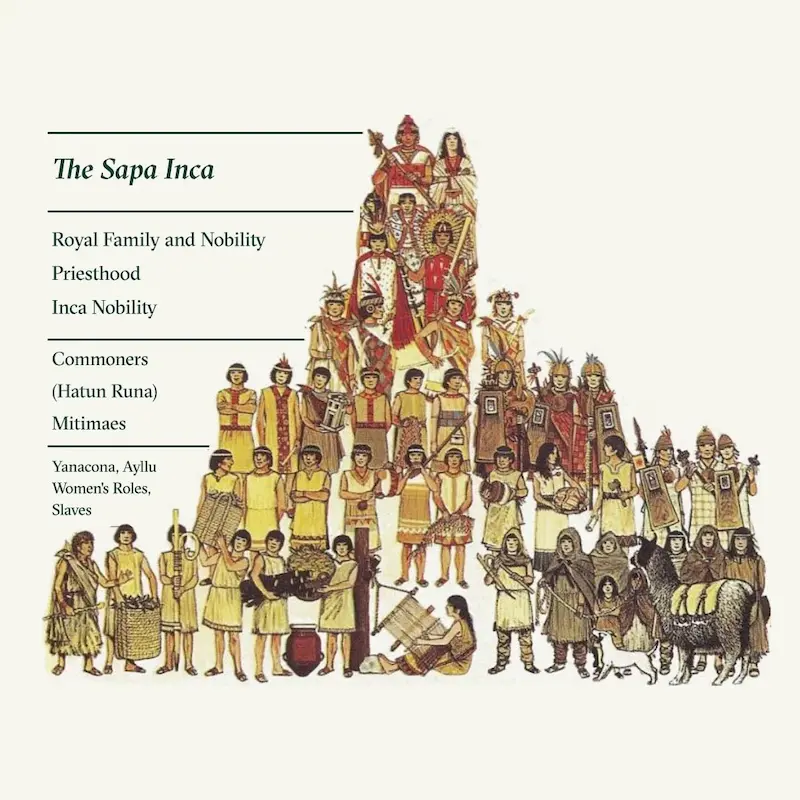
The Inca civilization was not only known for its architecture and expansion, but also for its strong moral and social structure. At the core of Inca society were three simple but powerful rules that guided daily life and helped maintain order across the entire empire.
These principles were taught from an early age and applied to all members of society, from common citizens to high-ranking officials.
The first rule, Ama Sua, translates to “do not steal.” This principle emphasized honesty and respect for others’ property. In Inca society, stealing was not only a crime but also a violation of community trust, which was essential for survival in a highly organized system.
The second rule, Ama Llulla, means “do not lie.” Truthfulness was considered fundamental for maintaining harmony and efficiency within the empire. Leaders and citizens were expected to act with integrity, ensuring clear communication and trust in governance.
The third rule, Ama Quella, translates to “do not be lazy.” Every member of society was expected to contribute through work, whether in agriculture, construction, or community service. This principle supported the Inca labor system and ensured productivity across the empire.
You might also be interested in reading: High season in Peru: A complete guide for your trip
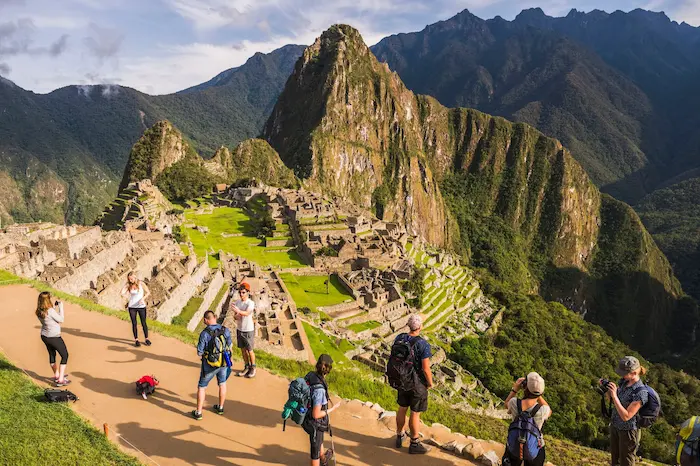
Machu Picchu is one of the most important cultural and archaeological sites in the world, and today it is officially owned by the Peruvian government. The site is managed and protected as part of Peru’s national cultural heritage, ensuring its preservation for future generations.
In addition, Machu Picchu is recognized as a UNESCO World Heritage Site, which means it is considered a cultural treasure of global importance, protected not only by Peru but also by the international community.
Although ownership belongs to the state of Peru, the site is also subject to strict conservation efforts and tourism regulations to preserve its fragile environment and historical value.
The main purpose of the Inca Empire was to create a highly organized and unified society that could manage agriculture, resources, and territories across the Andes. It was built on principles of cooperation, labor contribution, and centralized governance.
The Incas used a system called quipu, which consisted of knotted strings used to record numerical data and administrative information. Communication was also maintained through messengers called chasquis who carried messages across the empire.
The Incas followed a polytheistic religion centered around nature and celestial bodies. The most important deity was Inti, the Sun God, who was believed to be the ancestor of the emperor. They also worshipped mountains, earth (Pachamama), and stars.
The Inca Empire lasted approximately from the early 1400s until the Spanish conquest in the 1530s. Despite its relatively short duration, it became the largest empire in pre-Columbian America.
The Inca civilization remains important because of its influence on modern culture, architecture, agriculture, and language in Peru and the Andes. Its legacy continues to be studied for its innovation, sustainability, and social organization.